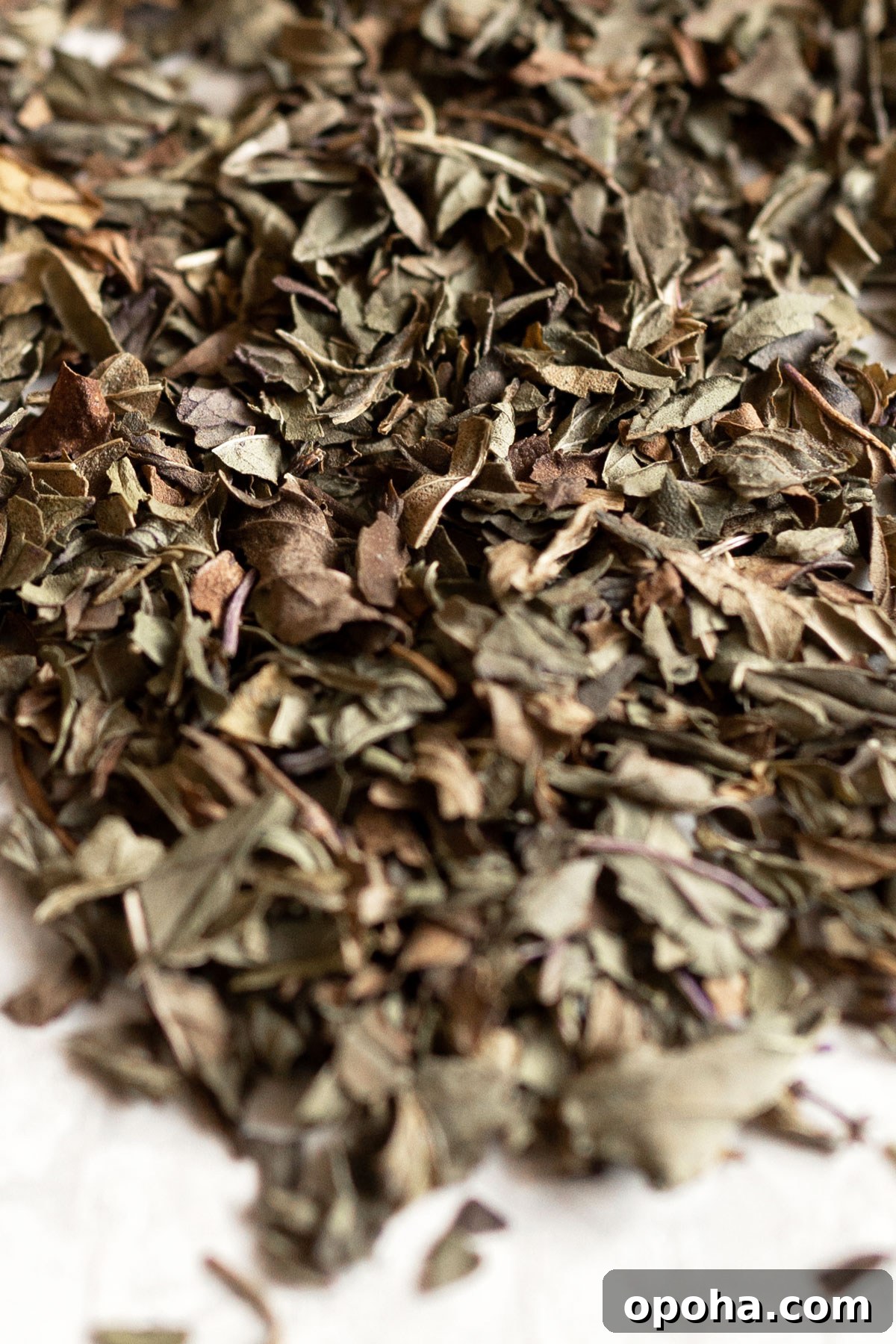
Peppermint tea is a refreshing, naturally caffeine-free herbal infusion prized for its flavor and health-supporting properties. Made by steeping dried peppermint leaves in hot water, this soothing beverage is rich in antioxidants and contains menthol and other compounds that contribute to its calming and therapeutic effects.
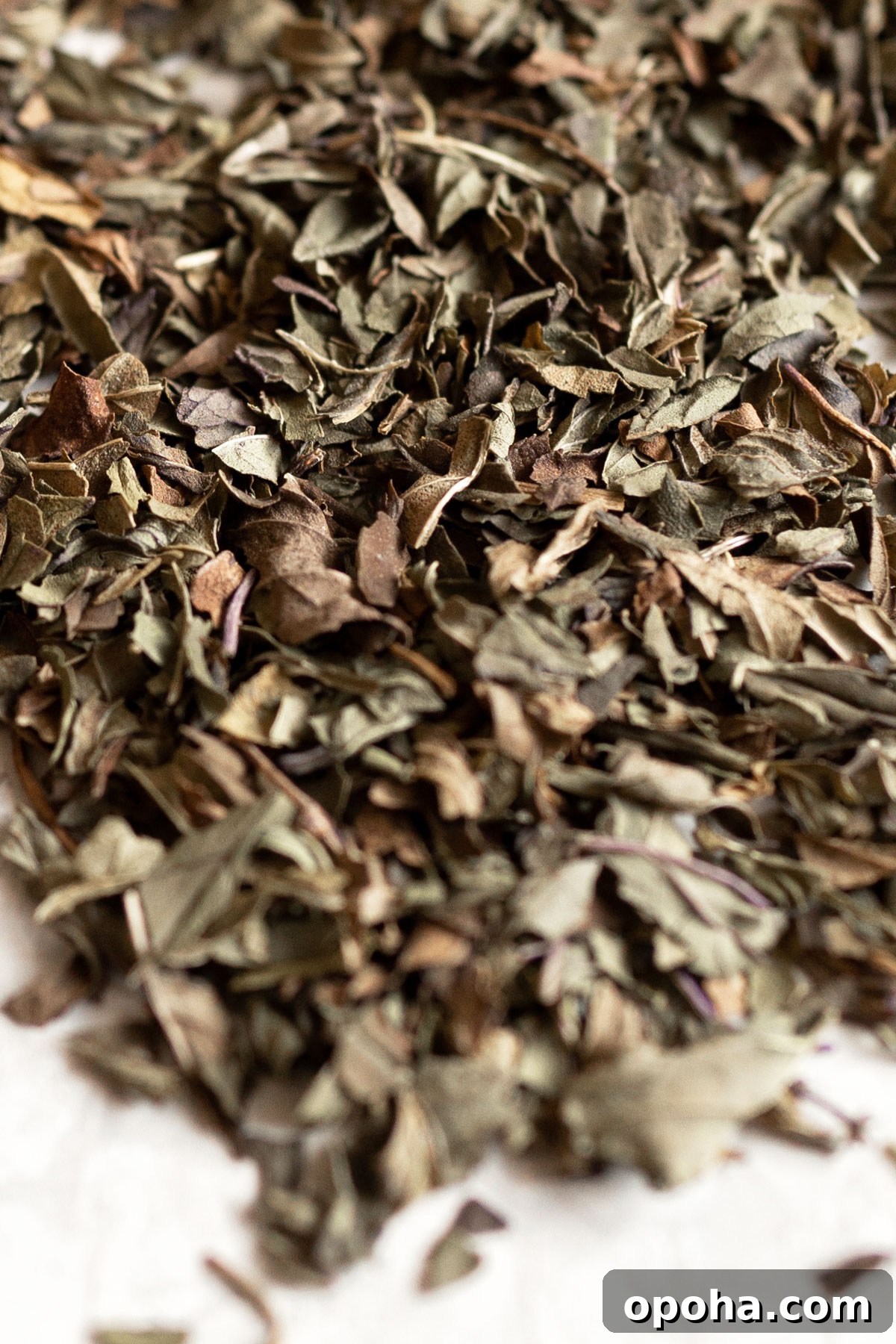
What Is Peppermint Tea?
Peppermint (a hybrid of spearmint and wintergreen) is native to Europe and the Middle East. The leaves are high in peppermint essential oil, which contains menthol and other active compounds responsible for many of the tea’s benefits. Because it’s free of caffeine, peppermint tea is a gentle option for people who want flavor and function without stimulants.

Photo Credit: harney.com
12 Peppermint Tea Health Benefits
1. Relaxes Muscles
Menthol, the primary compound in peppermint, can calm muscle activity by blocking certain muscular reactions. Reducing muscle contractions helps ease pain and tension, making peppermint tea a popular choice when you feel tight or sore.
2. Soothes Digestive Issues
Peppermint tea relaxes smooth muscle tissue in the gastrointestinal tract, which can ease symptoms of digestive discomfort such as bloating, gas, and stomach pain. This relaxing effect makes it useful for conditions like irritable bowel syndrome and for anyone sensitive to caffeinated beverages.
3. Lowers Oxidative Stress
Peppermint contains antioxidants such as rosmarinic acid, which help neutralize free radicals—unstable molecules that can damage cells. A diet rich in antioxidants may help reduce risks associated with oxidative stress, including heart disease and metabolic conditions.
4. Boosts Energy
While research specifically on peppermint tea and energy is limited, many people find the aroma and cooling flavor invigorating. Cold or iced peppermint tea can be particularly refreshing, and the scent of peppermint oil has been associated with reduced mental fatigue.
5. Reduces Menstrual Cramps
Peppermint’s muscle-relaxing and mild analgesic properties can help alleviate menstrual cramps with fewer side effects than some medications. Its digestive benefits also help when period-related stomach upset occurs.
6. Fights Inflammation
Compounds like rosmarinic acid and menthol have anti-inflammatory effects that may help reduce inflammation-related discomfort. This activity supports overall well-being and can complement the tea’s pain-relieving properties.
7. Clears Congestion
Peppermint acts as a natural decongestant: menthol can help thin mucus and ease sinus congestion, while the warmth of a hot cup of tea helps loosen phlegm and soothe irritated airways.
8. Provides Hydration
Staying hydrated is essential for digestion, metabolism, and temperature regulation. Herbal teas like peppermint count toward daily fluid intake. Adding a splash of lemon provides extra electrolytes for hydration support.
9. Relieves Headaches
Peppermint tea can help relieve headaches through its pain-relieving, anti-inflammatory, and decongestant actions. Even inhaling the tea’s aroma can be calming and reduce symptoms associated with fatigue or sinus pressure.
10. Freshens Breath
Peppermint oil has natural antibacterial properties that can reduce oral bacteria linked to bad breath. Drinking peppermint tea also promotes saliva production, which helps control bacteria and maintain fresher breath.
11. May Inhibit Cancer Cell Growth
Laboratory research indicates that menthol can interfere with cancer cell growth by inhibiting cell division and promoting programmed cell death (apoptosis). Antioxidants in peppermint may also reduce oxidative stress, which is implicated in cancer development. These findings are preliminary and do not replace medical treatments.
12. Contains No Caffeine
Being naturally caffeine-free makes peppermint tea suitable for evenings or for anyone avoiding stimulants. It is soothing enough to enjoy before bed and provides a pleasant, calming ritual without disrupting sleep.
Side Effects
Peppermint tea is generally safe for most people, but it may aggravate acid reflux or symptoms of hiatal hernia in some individuals. Those with a history of kidney stones should consult a healthcare provider before regular consumption. Allergic reactions are possible—if you experience cough, hives, or other signs of allergy, stop drinking the tea and seek medical advice.
Questions You May Have
For most people, daily consumption is fine. Avoid or limit use if you are sensitive to mint or have conditions like acid reflux, hiatal hernia, or certain kidney issues. Consult your doctor if unsure.
Because it contains no caffeine, peppermint tea can be enjoyed any time—morning, afternoon, or evening—whenever you want a soothing, refreshing beverage.
Peppermint tea is commonly used to relax muscles, ease digestive discomfort, reduce menstrual cramps, fight inflammation, and freshen breath. It also supplies antioxidants that support general health.
Related
- Mint Iced Tea
- Mint Lemonade
- Mint Lemonade Iced Tea
- Chocolate Mint Tea Latte
- Moroccan Mint Tea
- Cold Brew Green Tea with Fresh Mint
- 15 Benefits of Drinking Ginger Tea
- 7 Benefits of Drinking Green Tea