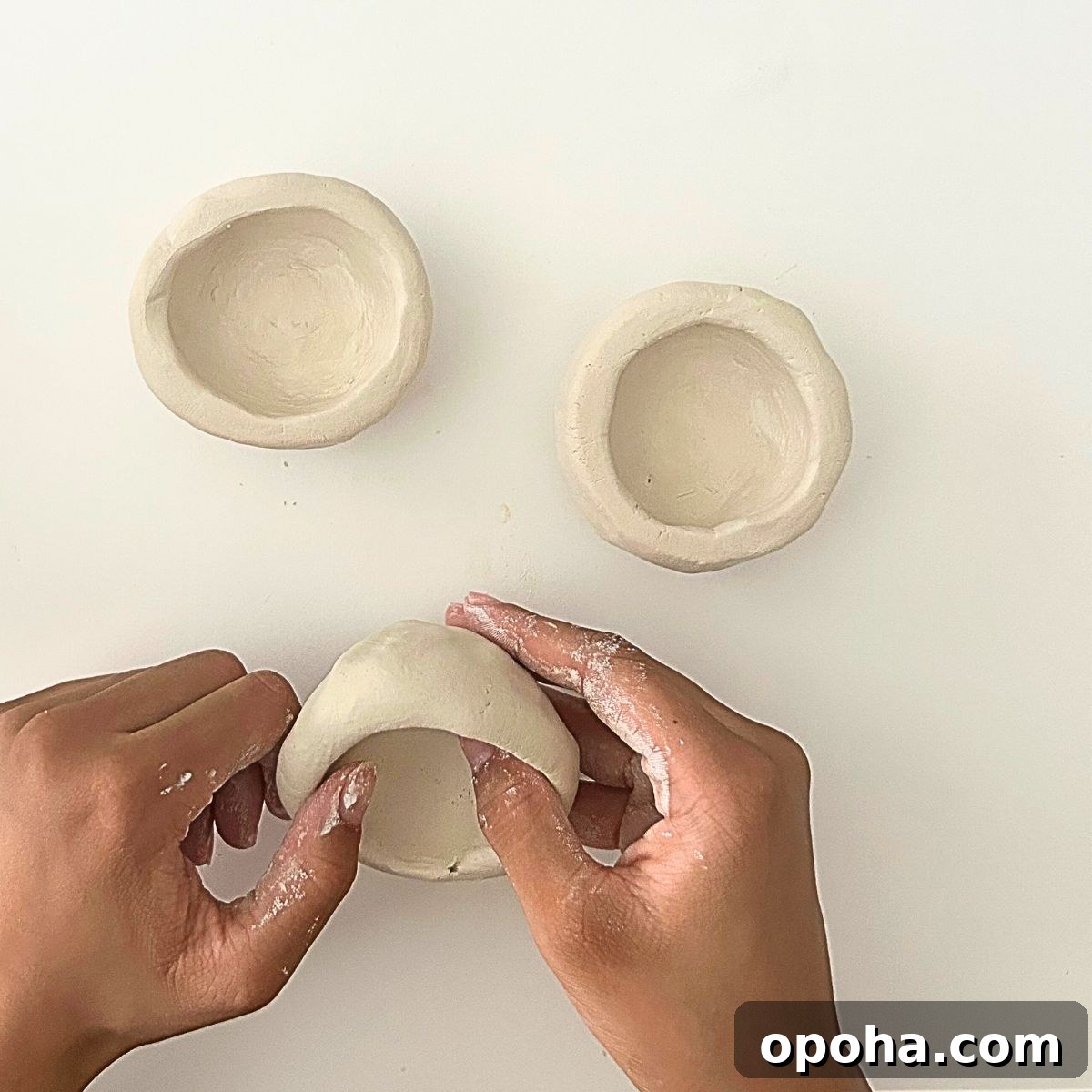
Working with air-dry clay is a rewarding and accessible craft. But how durable are the pieces you make?
Air-dry clay hardens when exposed to air and can set in less than 24 hours, though complete drying usually requires more time. The final hardness depends on how long you allow the piece to dry and the thickness of the project.
I favor air-dry clay because it’s affordable and versatile. It’s ideal for sculptures, figurines, bowls, and small vases, and it’s a great material for beginners and hobbyists. Below I include practical advice and a brief guide to help you get the best results from your projects.
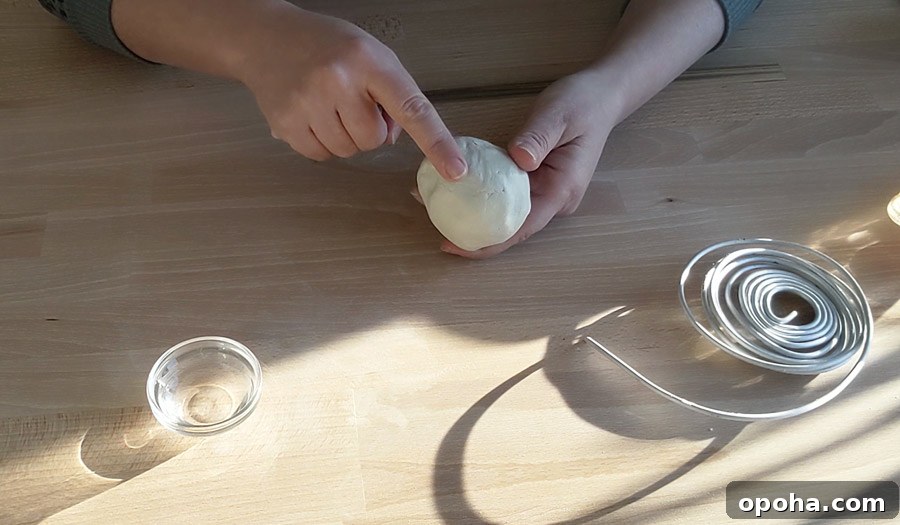
Best Practices for Drying Air Dry Clay
Understanding the material is key to better results. The drying behavior of air-dry clay is similar in many ways to traditional clays, but it has its own characteristics you should account for.
Expect air-dry clay to need at least one full day to harden on the surface; thicker pieces or denser projects often require several days to fully set because the clay contains mineral and moisture content that slows drying.
To protect your work, avoid firing air-dry clay in a kiln. Instead, dry pieces at a stable room temperature—around 68–72 °F (20–22 °C)—and allow gentle, even airflow around the object. Rotating or flipping pieces can help ensure more uniform drying for hollow forms or thicker sections.
If you’re starting out, a beginner’s guide can be helpful for troubleshooting soft or damp sections and suggesting project ideas and finishing techniques.
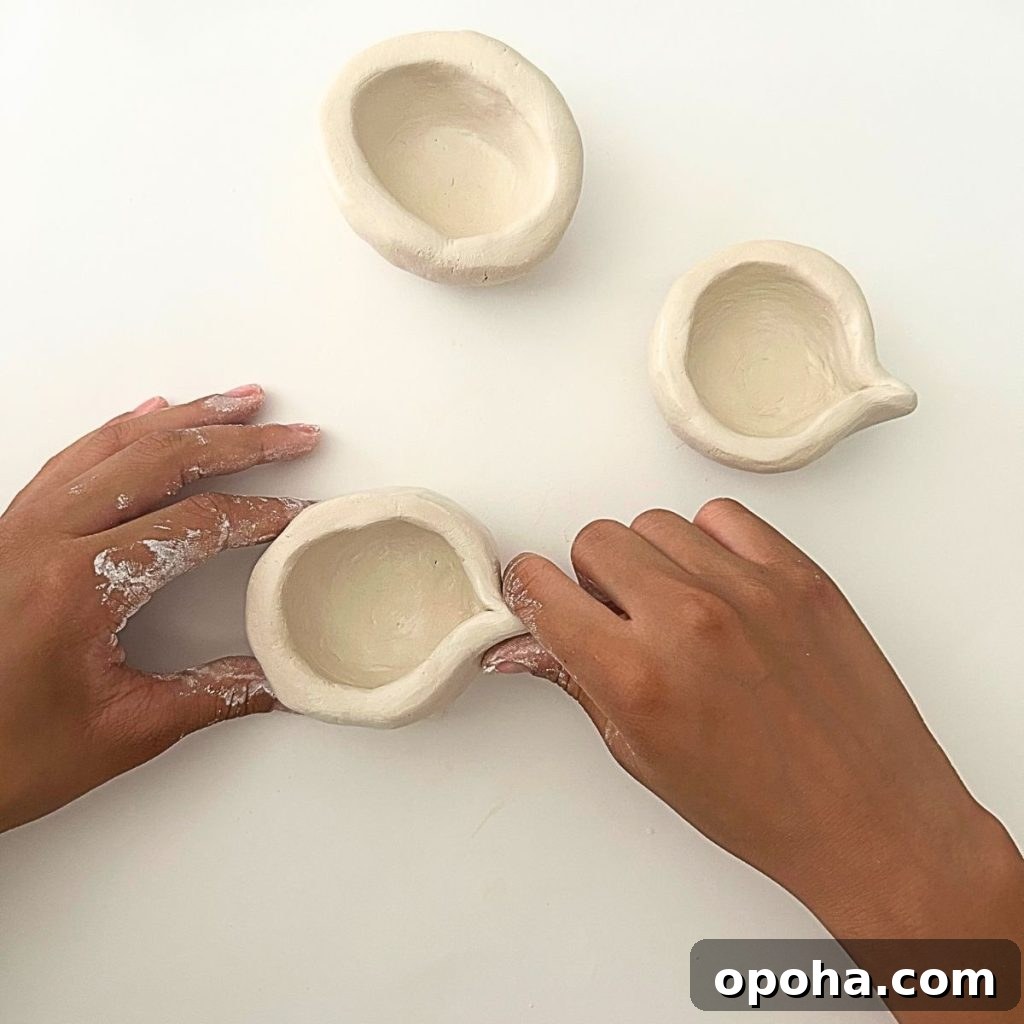
Pros and Cons of Using Air Dry Clay
Air-dry clay is popular for good reasons: it’s simple to use, available in different formulations and colors, and suitable for a wide range of craft projects. It also has limitations that are important to consider depending on your goals.
Pros
Key benefits of air-dry clay include:
- Non-toxic. Most air-dry clays are safe to handle and only occasionally leave washable stains on skin.
- Reusable and flexible. You can remove excess clay from molds and rework scraps, minimizing waste.
- Easy to customize. After drying you can paint, draw, or embellish pieces with beads or sequins to create polished finished projects.
We often recommend natural white or terra cotta air-dry clays that come in reusable tubs for convenience. They’re user-friendly and suitable for many craft projects.
Cons
Limitations to keep in mind:
- Slower drying and different chemistry. Air-dry clay lacks the heat-curing behavior of oven-bake clays; while you can sometimes bake small pieces, it’s generally not advised and won’t replicate the same results as dedicated oven-bake formulations.
- Less structural strength. Air-dry clay isn’t ideal for large, load-bearing, or highly detailed 3D sculptures that require the durability of fired ceramics or polymer clays.
- Shrinkage. As moisture evaporates during open-air drying, pieces can shrink slightly, so allow for some reduction in size when planning precise fits or components.
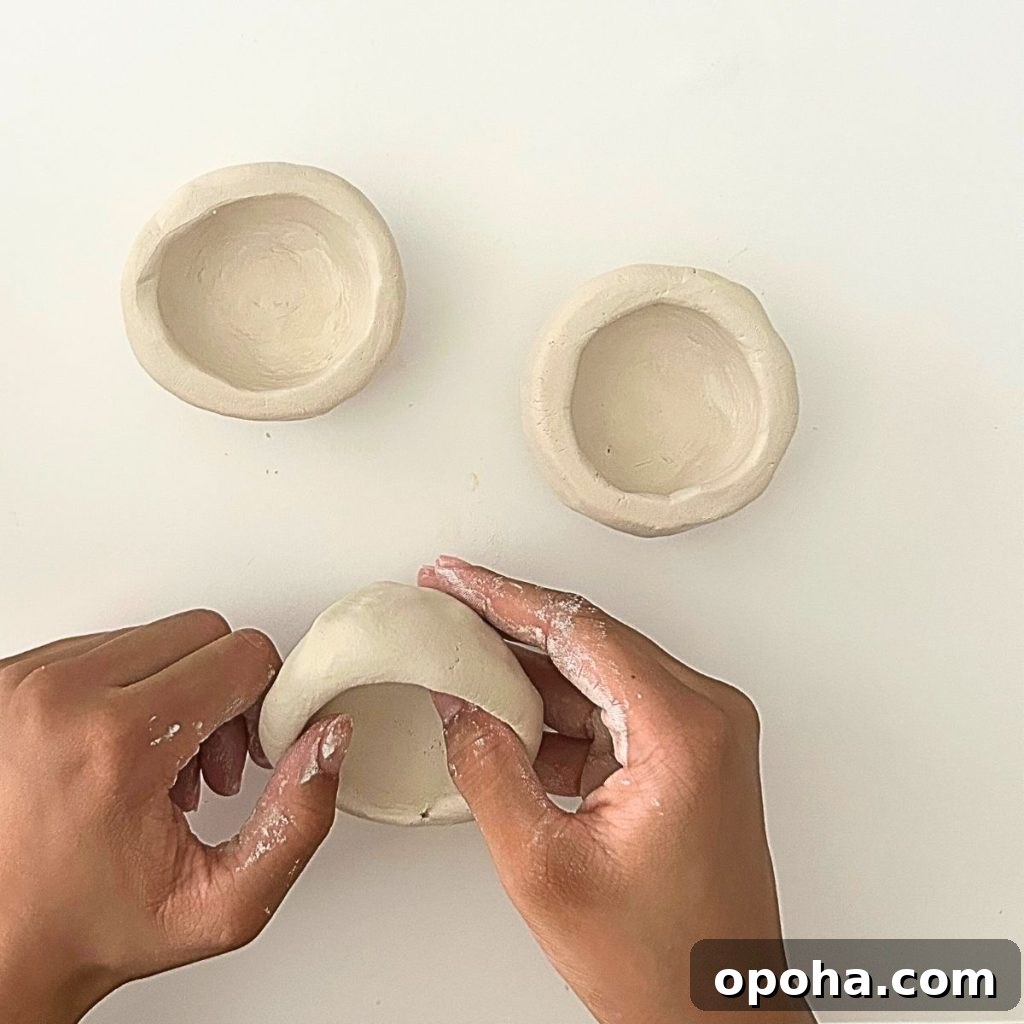
Key Takeaways
Air-dry clay is an approachable material that lets beginners create attractive, handmade items without specialized equipment. With patience and proper drying techniques, you can achieve lasting results for many decorative and functional projects.
If clay isn’t your preferred medium, consider alternatives like wood or wire, which offer different strengths and aesthetics for craft and sculpture projects.