Even experienced home bakers have off days. A cake sinks, cookies spread into one sheet, bread turns out denser than you expected. That doesn’t mean you can’t bake—usually a small detail upset the balance. Once you learn what to check, most fixes are straightforward.
First, a few common problems that affect almost anything you bake.
Join 500+ cozy folks for weekly recipes, crafts & good vibes – from my home to yours.
Sign up and receive the Cozy Weekend Starter Pack, a free PDF with three recipes, three crafts, and cozy weekend ideas.

🫙 Ingredient & pantry tips
If several recipes are misbehaving, it’s probably not the recipes themselves but the basics: ingredients, measuring, or your oven. Check pantry staples, measuring methods, and oven accuracy first.
❓ Why didn’t my baked goods rise?
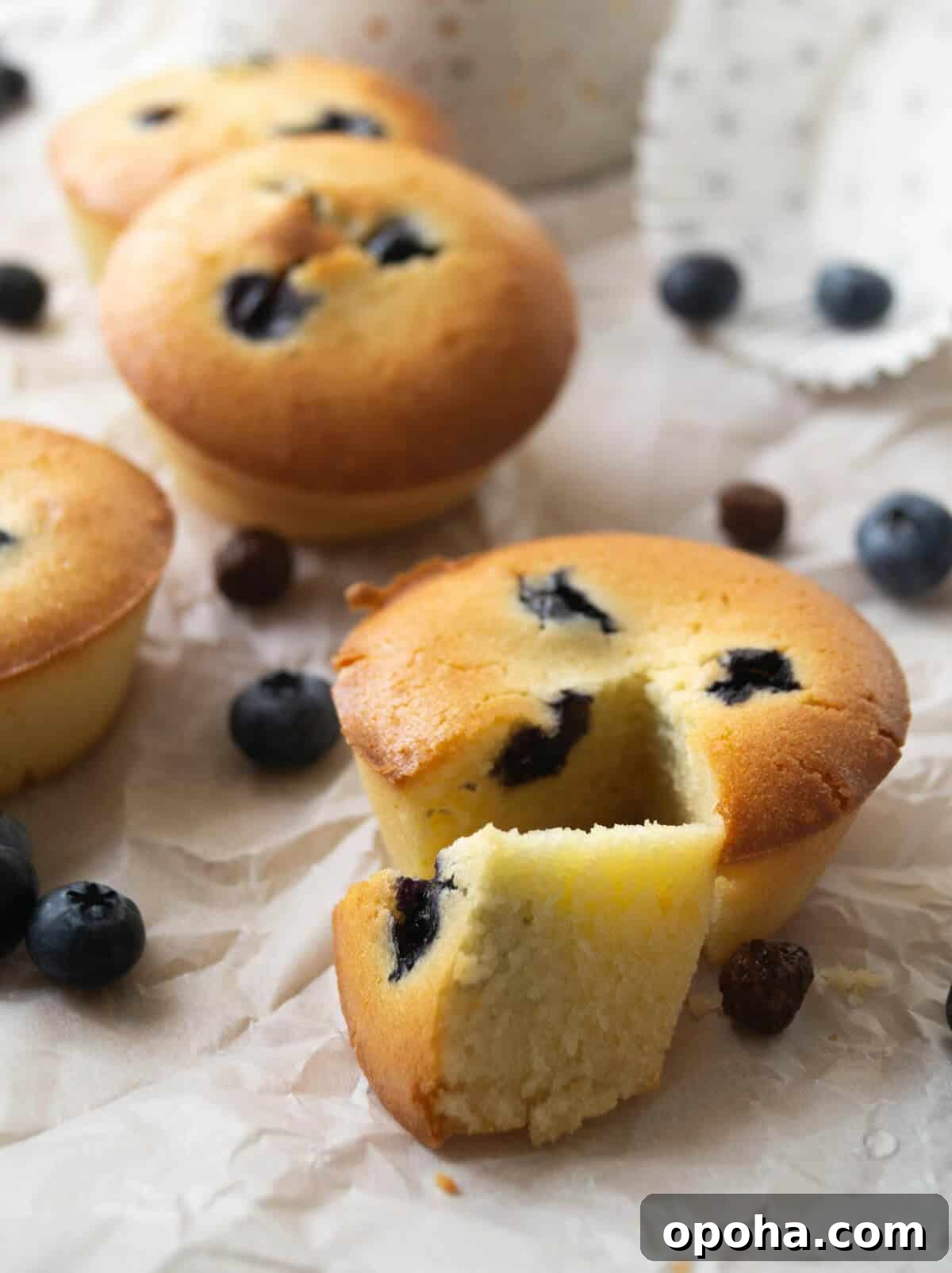
When bakes come out flat or heavy, leavening and oven heat are the usual suspects.
🤔 Likely causes
- Old baking powder or soda. They lose strength over time and won’t lift batter effectively.
- Wrong leavener used. Baking soda needs an acid; baking powder already contains acid. Mixing them up affects rise and taste.
- Inactive yeast. Yeast can die if it’s expired or if liquid was too hot.
- Oven not fully preheated. Much of the rise happens early in baking.
- Batter sat too long. Some batters start reacting immediately; delaying baking uses up the lift.
- Overloaded batter. Too much flour or heavy add-ins weigh down rise.
🧁 Easy fixes
- Test leaveners. Baking powder should bubble in hot water; baking soda should fizz with vinegar or lemon.
- Measure leaveners precisely. Small amounts make a big difference.
- For yeast, use warm—not hot—liquids. If unsure, err on the cooler side and allow more time.
- Watch dough rise, not the clock. Dough should roughly double before baking.
- Use an oven thermometer. Oven dials are often inaccurate.
- Transfer batter to the oven promptly.
- Limit heavy add-ins and fold them in gently.
🔍 Quick check if things came out flat
- Flat and pale? Oven might be running cool.
- Flat with bitter or soapy taste? Too much baking soda or not enough acid.
- Yeasted dough barely rose? Check yeast activity and liquid temperature.
❓ Why are my baked goods dry or crumbly?
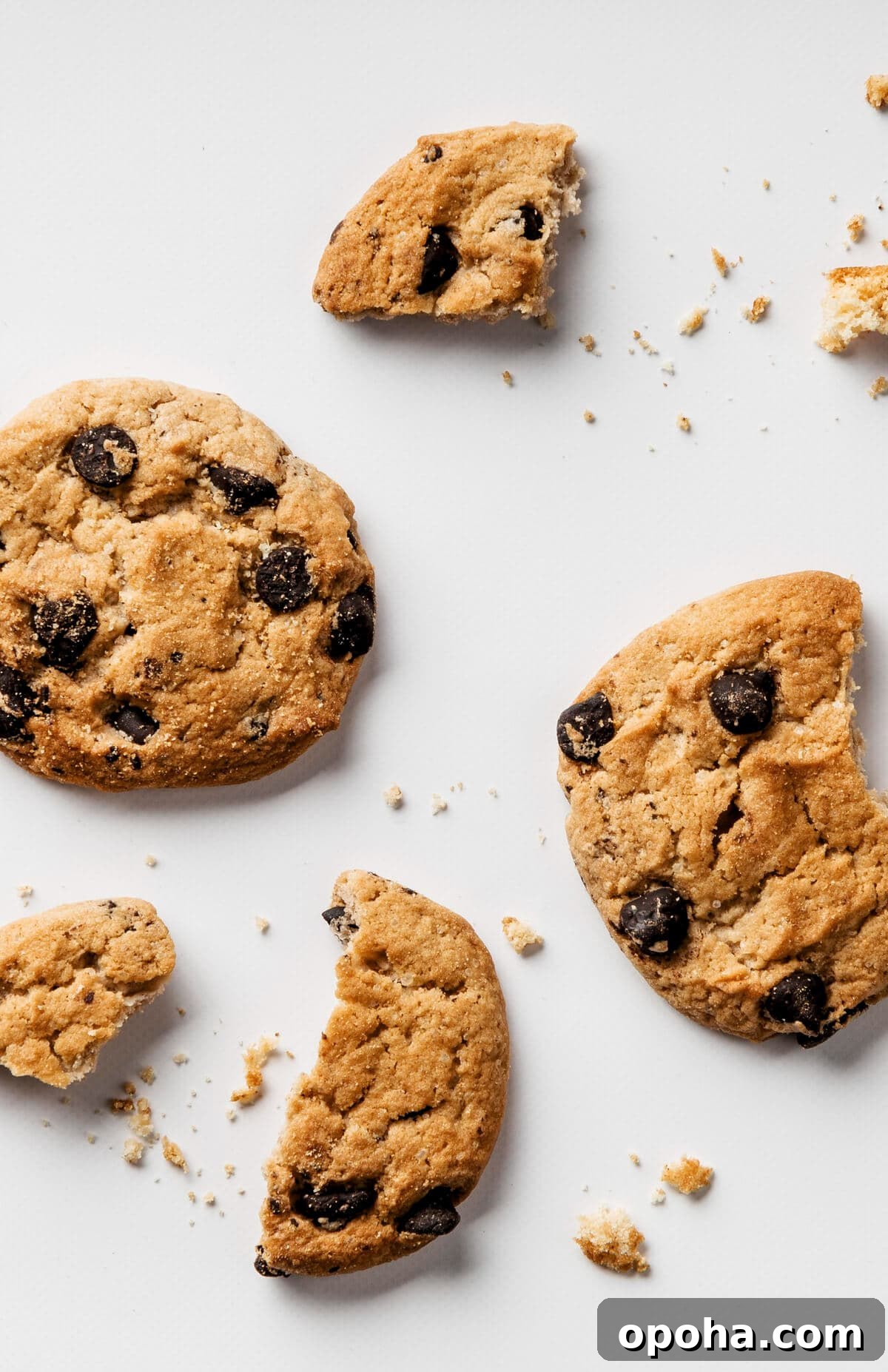
Dry, crumbly results usually mean the balance tipped too far toward dry ingredients or the bake was overcooked.
🤔 Likely causes
- Too much flour. Scooping flour from the bag packs it into cups and adds excess.
- Overbaking. Even a few extra minutes can dry muffins and cakes.
- Not enough fat. Butter, oil, and yolks keep baked goods tender.
- Too little sugar. Sugar helps retain moisture.
- Oven runs hot. The exterior dries before the interior finishes.
- Many dry add-ins. Nuts, dried fruit, and chips absorb moisture.
🧁 Easy fixes
- Measure flour by spooning and leveling.
- Check for doneness early. Slightly underbaked often tastes better than overbaked.
- Don’t reduce fat unless the recipe is written for it.
- Be cautious when lowering sugar.
- Use an oven thermometer.
- Scale back add-ins if the batter looks overloaded.
🔍 Quick check
- Dry edges but moist center? Slight overbake.
- Dry through and through? Too much flour or high oven temp.
- Crumbly and falls apart? Fat-to-flour balance issue.
❓ Why do my baked goods taste bland?
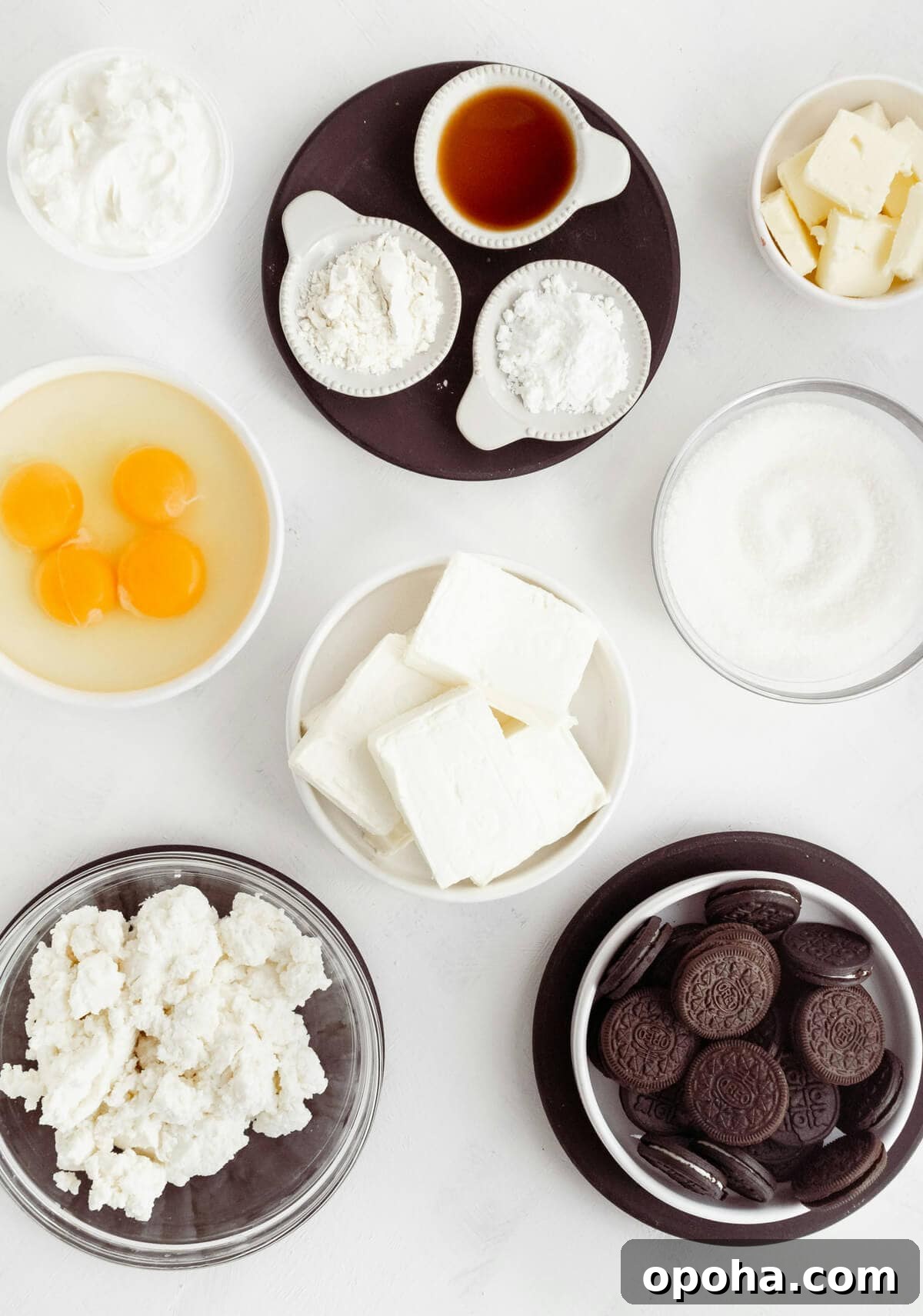
Bland baked goods usually result from missing small flavor boosters rather than a single large mistake.
🤔 Likely causes
- Not enough salt. Salt enhances and balances flavors.
- Weak or skipped vanilla. Real vanilla rounds flavors; old vanilla fades.
- Stale spices. Spices lose potency over time.
- Too much flour. Excess flour mutes flavor as well as texture.
- Not enough fat. Fat carries and amplifies flavor.
- Overbaking. Dry bakes taste dull.
🧁 Easy fixes
- Always include the recipe’s salt.
- Use good vanilla and replace when it smells weak.
- Refresh spices yearly.
- Measure flour carefully.
- Keep fat amounts as written.
- Don’t overbake.
🔍 Quick check
- Texture fine but flavor flat? Likely salt or vanilla.
- Spiced bake lacks punch? Spices may be stale.
- Looks good but tastes dull and a little dry? Oven time or flour measurement.
🍰 Cake troubleshooting guide
Cakes are sensitive: small changes in mixing, measuring, or timing show up in texture. The patterns below make it easier to diagnose common cake issues and fix them next time.
❓ Why is my cake dense or heavy?
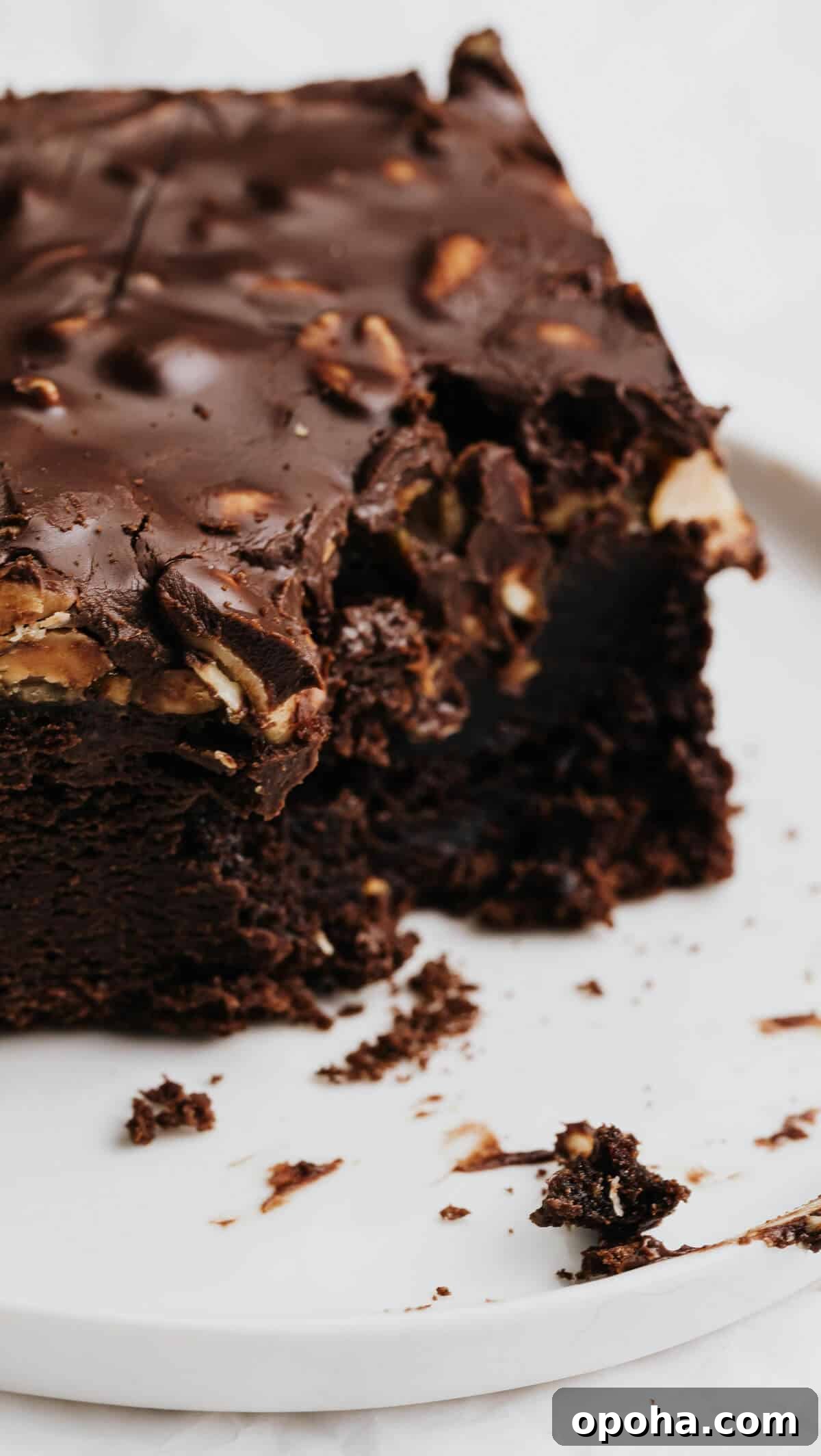
Dense cakes usually result from too much flour, overmixing, weak leavening, or insufficient creaming for air incorporation.
🤔 Likely causes
- Too much flour.
- Overmixing after flour is added.
- Old or insufficient leavening.
- Butter and sugar not creamed enough.
- Heavy add-ins.
🧁 Easy fixes
- Spoon and level flour.
- Mix gently until just combined.
- Use fresh baking powder.
- Cream butter and sugar until lighter and slightly fluffy.
- Fold add-ins carefully.
🔍 Quick check
- Tight crumb? Too much flour or overmixing.
- Gummy and heavy? Possibly too much liquid or underbaked.
- Dense and flat? Check leaveners.
❓ Why did my cake sink in the middle?
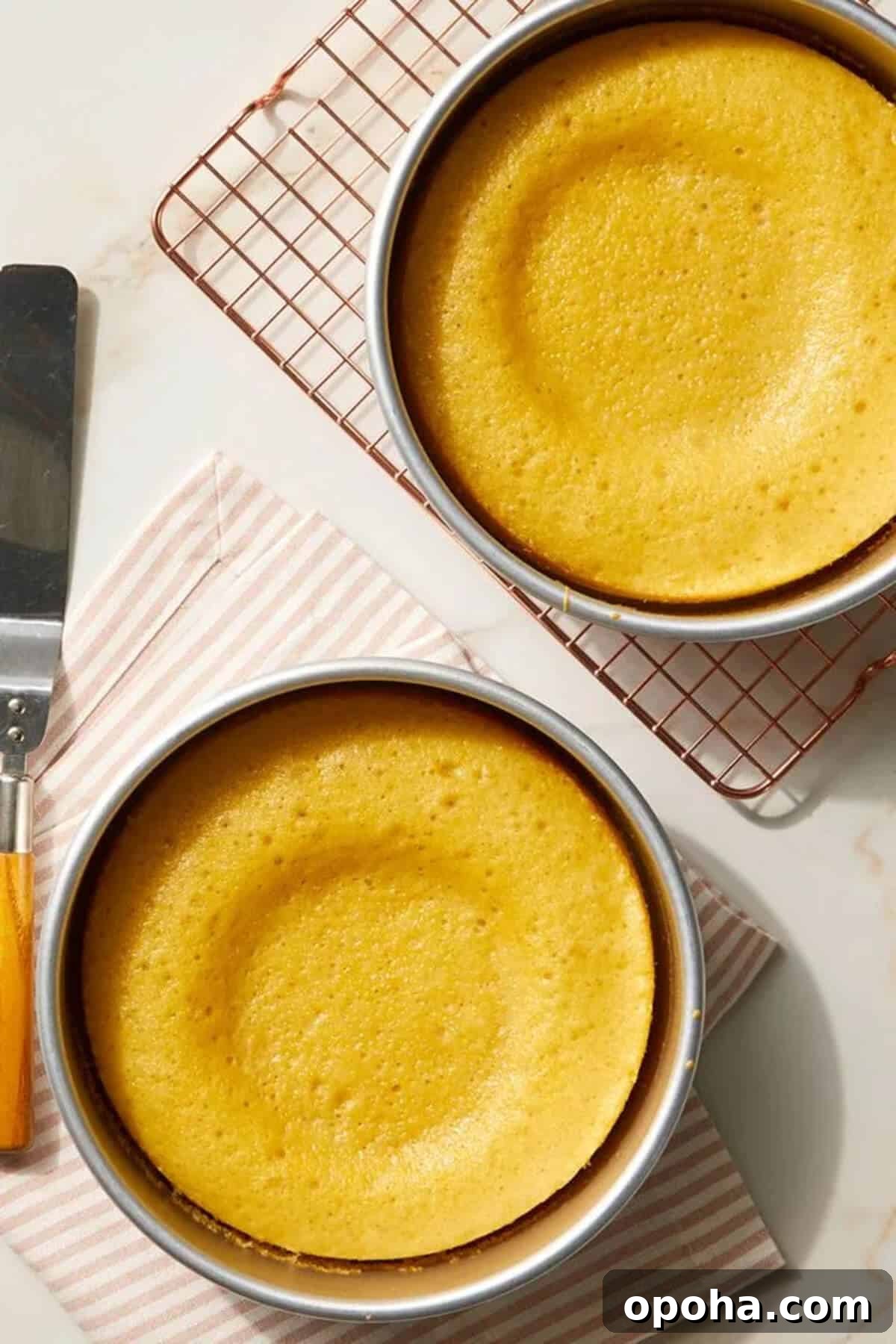
A sinking center usually means the cake didn’t have time to set before cooling or it rose too fast and then collapsed.
🤔 Likely causes
- Underbaked center.
- Oven door opened too early.
- Too much leavening.
- Excess liquid or sugar.
- Pan overfilled.
🧁 Easy fixes
- Bake until a toothpick comes out clean or with moist crumbs.
- Don’t open the oven early.
- Measure leavening precisely.
- Use the recommended pan size and fill about two-thirds full.
🔍 Quick check
- Sinks right away? Likely underbaked.
- Rose then collapsed? Too much leavening.
- Dense layer at bottom? Structure didn’t set—liquid or bake time issue.
❓ Why is my cake dry?
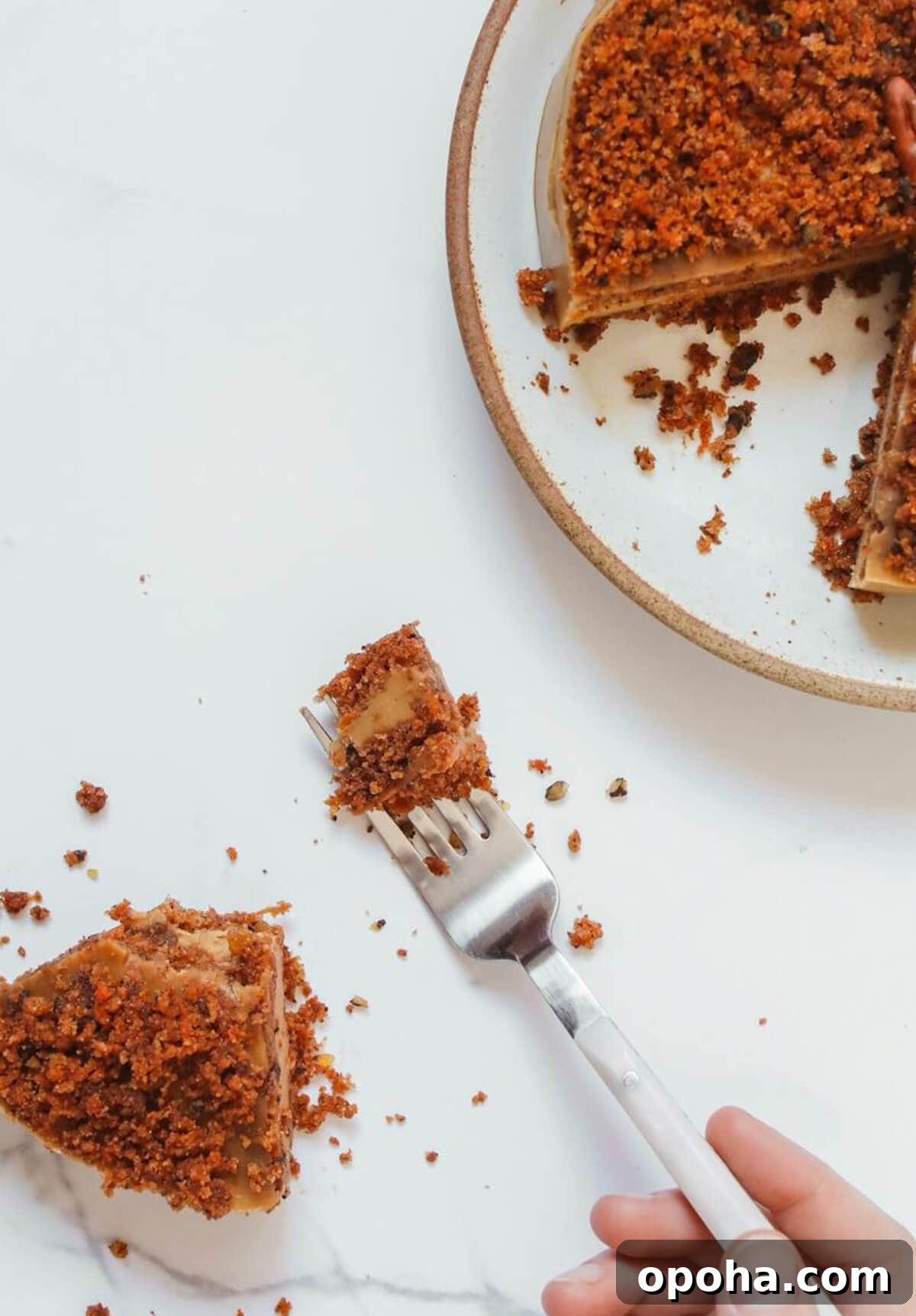
Dry cake usually means moisture was baked out or too much dry ingredient slipped in.
🤔 Likely causes
- Overbaking.
- Too much flour.
- Insufficient fat.
- Reduced sugar.
- Hot oven.
🧁 Easy fixes
- Check for doneness earlier.
- Measure flour properly.
- Keep fat and sugar levels as written.
- Use an oven thermometer.
🔍 Quick check
- Dry edges, moist center? Slight overbake.
- Dry throughout? Flour or oven temp.
❓ Why did my cake stick to the pan?
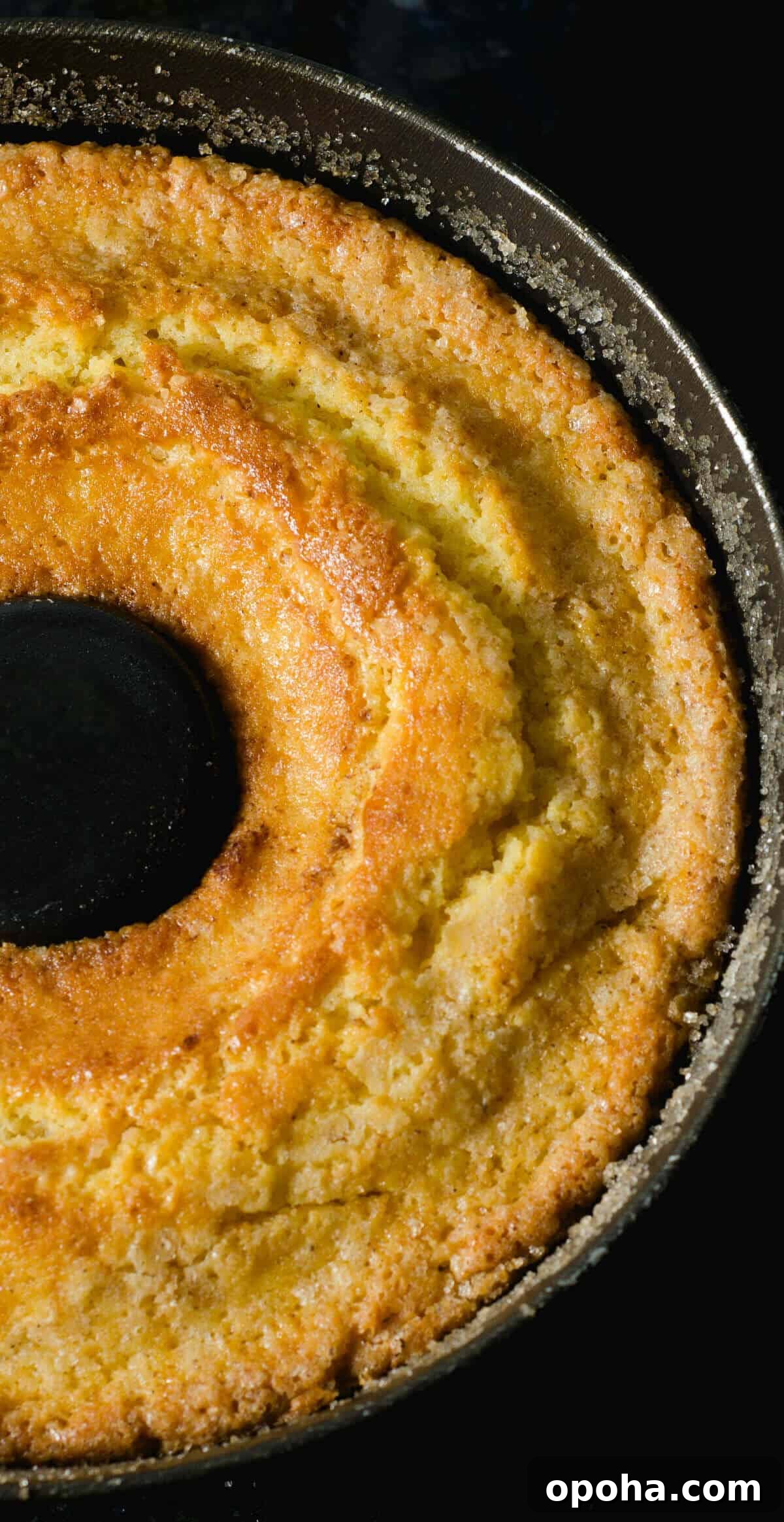
Sticking is usually about pan prep, cooling time, or the pan surface itself.
🤔 Likely causes
- Insufficient greasing.
- No parchment on the bottom.
- Turned out too soon while hot.
- Left in pan too long while cooling.
- Worn nonstick surface.
🧁 Easy fixes
- Grease, then dust with flour or cocoa for chocolate cakes.
- Use parchment on the pan bottom.
- Let cakes cool 10–15 minutes before turning out.
- Run a small knife around the edge before flipping.
- Replace pans that consistently stick.
🔍 Quick check
- Bottom stuck? Parchment needed.
- Sides stuck? Greasing issue.
- Tore despite greasing? Turned out too hot.
❓ Why is my cake cracked on top?
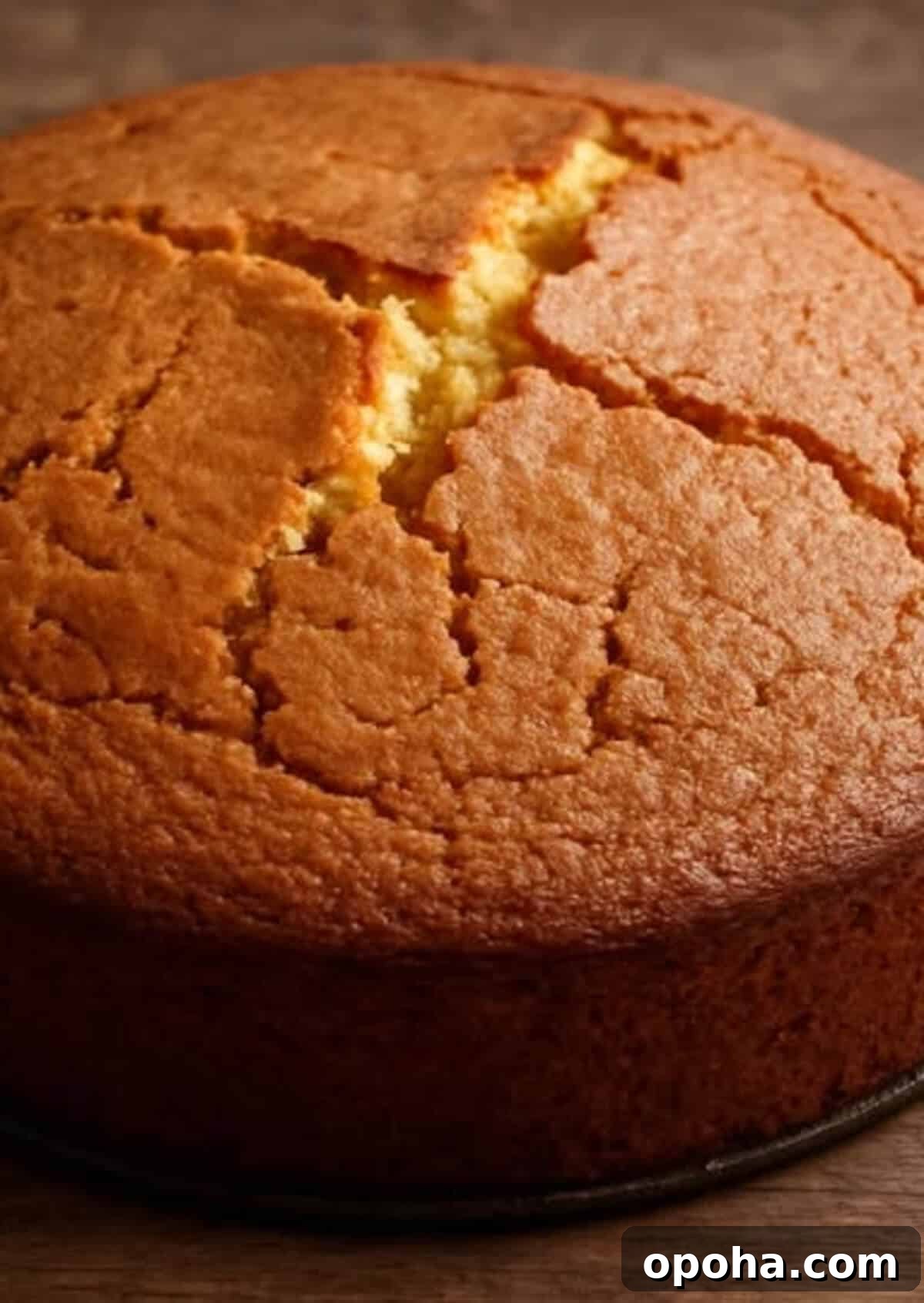
Top cracks usually happen when the exterior sets before the interior finishes rising—often due to high heat or thick batter.
🤔 Likely causes
- Oven too hot.
- Thicker batter.
- Pan too small.
- Rack positioned too high.
🧁 Easy fixes
- Lower oven temp by 25°F if needed.
- Avoid overfilling pans.
- Bake in the center rack.
- Smooth batter evenly before baking.
🔍 Quick check
- Moist and tender despite a crack? Fine to frost and serve.
- Deep cracked crust? Likely oven too hot.
- Big dome and crack? Pan too full.
❓ Why is my cake gummy or wet in the middle?
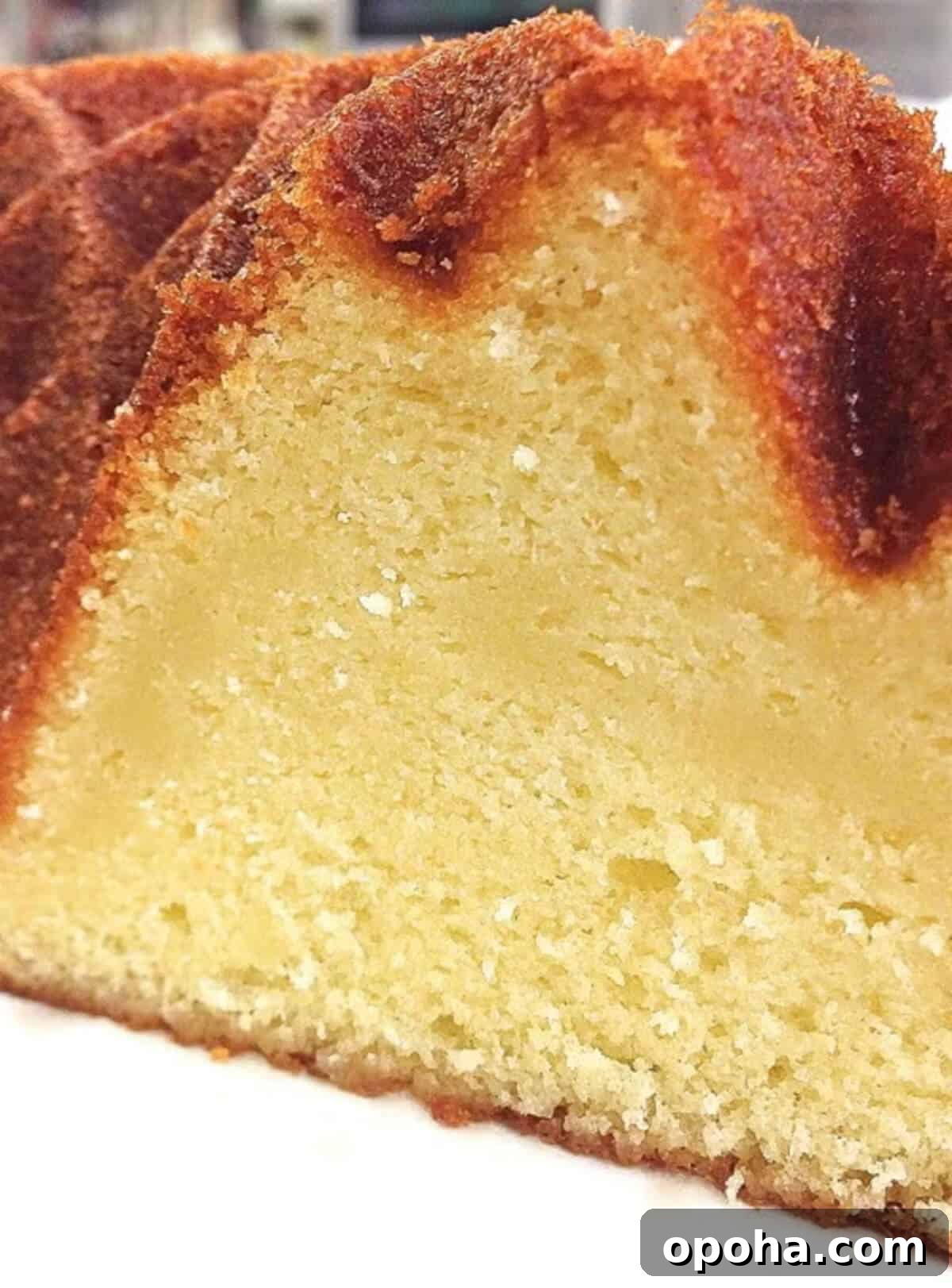
A gummy center usually means the interior didn’t set: underbaking, too much liquid or sugar, a cool oven, or using a smaller-than-recommended pan.
🤔 Likely causes
- Insufficient baking time.
- Too much liquid.
- Excess sugar.
- Oven too cool.
- Smaller pan used.
🧁 Easy fixes
- Bake longer and test the center.
- Stick to liquid amounts.
- Use the correct pan size.
- Let cake cool completely before slicing.
🔍 Quick check
- Wet shiny center, done edges? Underbaked.
- Dense and sticky throughout? Too much liquid or sugar.
- Firms up after cooling? Was close—bake a bit longer next time.
🍪 Cookie questions & answers
Cookies respond dramatically to small changes in butter temperature, flour measurement, and oven heat. These tips apply to chewy chocolate chip cookies, oatmeal raisin, sprinkle sugar cookies, and others.
❓ Why did my cookies spread too much?
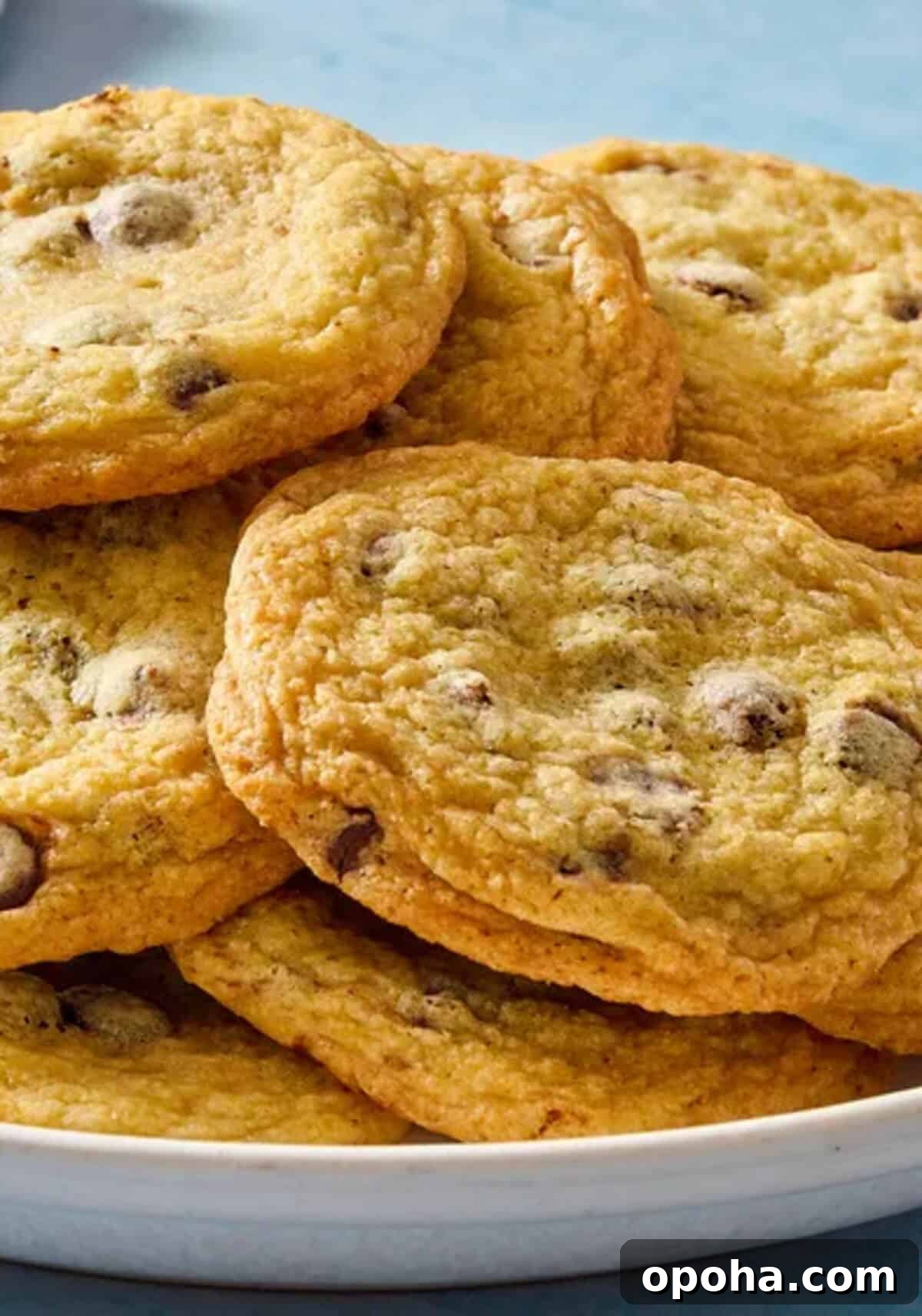
Excess spread means the dough was too soft or lacked structure to hold shape.
🤔 Likely causes
- Butter was too soft or melted.
- Dough too warm.
- Too little flour.
- Too much sugar.
- Hot baking sheets.
🧁 Easy fixes
- Use softened, not melty, butter.
- Chill dough before baking.
- Let baking sheets cool between batches.
- Measure flour accurately.
- Chill scooped dough if your kitchen is warm.
🔍 Quick check
- Thin and lacy? Dough too warm or butter too soft.
- Crisp edges, thin centers? Often too much sugar or too little flour.
- Later batches spread more? Pan too hot.
❓ Why didn’t my cookies spread at all?
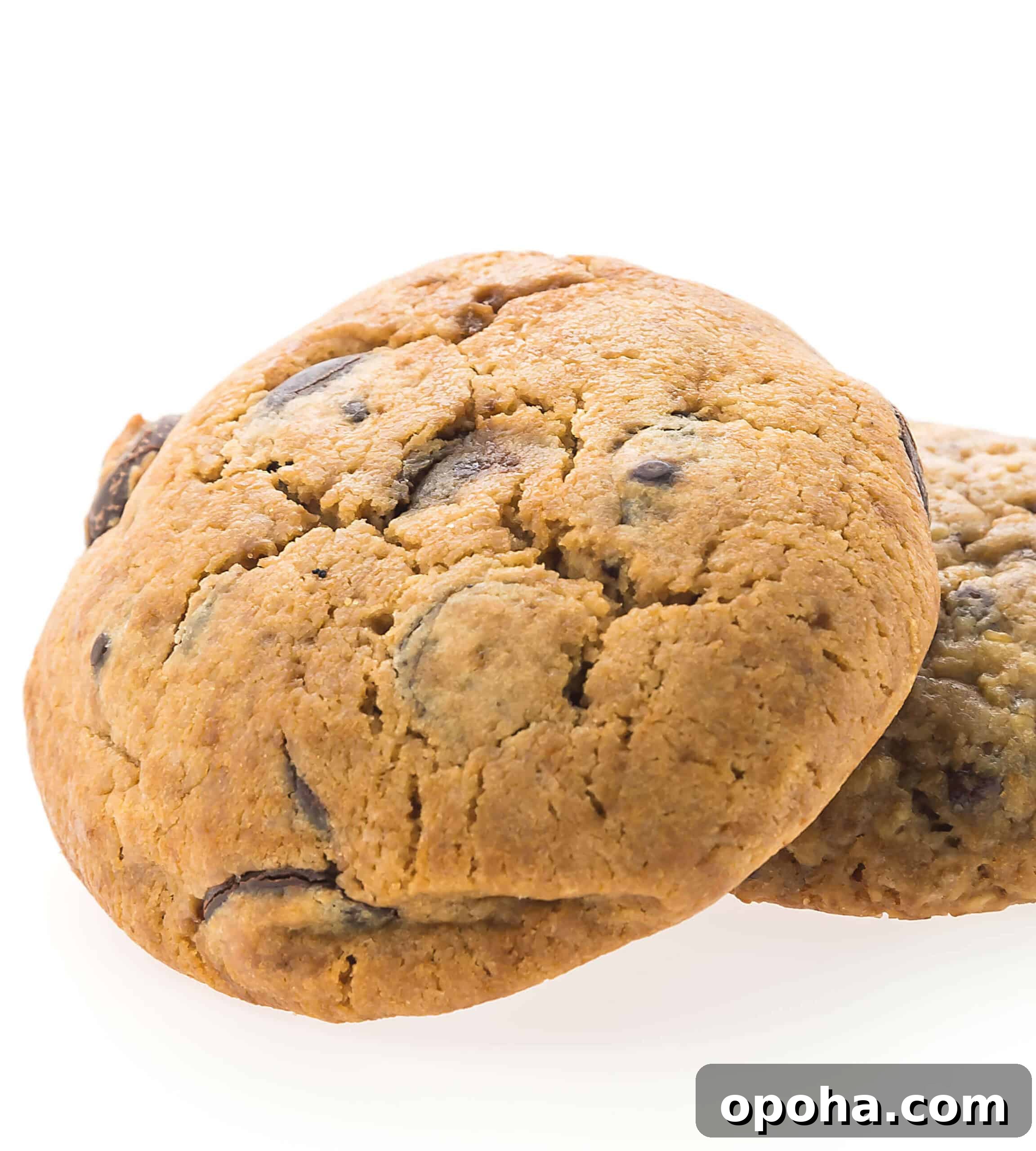
No spread usually means the dough was too firm or ingredients reduced the tendency to flatten.
🤔 Likely causes
- Too much flour.
- Dough very cold.
- Too little sugar.
- Too much leavening or cornstarch.
- Oven temperature too low.
🧁 Easy fixes
- Spoon and level flour.
- Let chilled dough sit 10–15 minutes before baking.
- Check sugar amounts.
- Use correct leavening and preheat the oven fully.
🔍 Quick check
- Tall cakey cookies? Too much flour or leavening.
- Dough straight from fridge? That can prevent spread.
- Pale bottoms and puffy tops? Oven may be cool.
❓ Why are my cookies hard instead of soft?
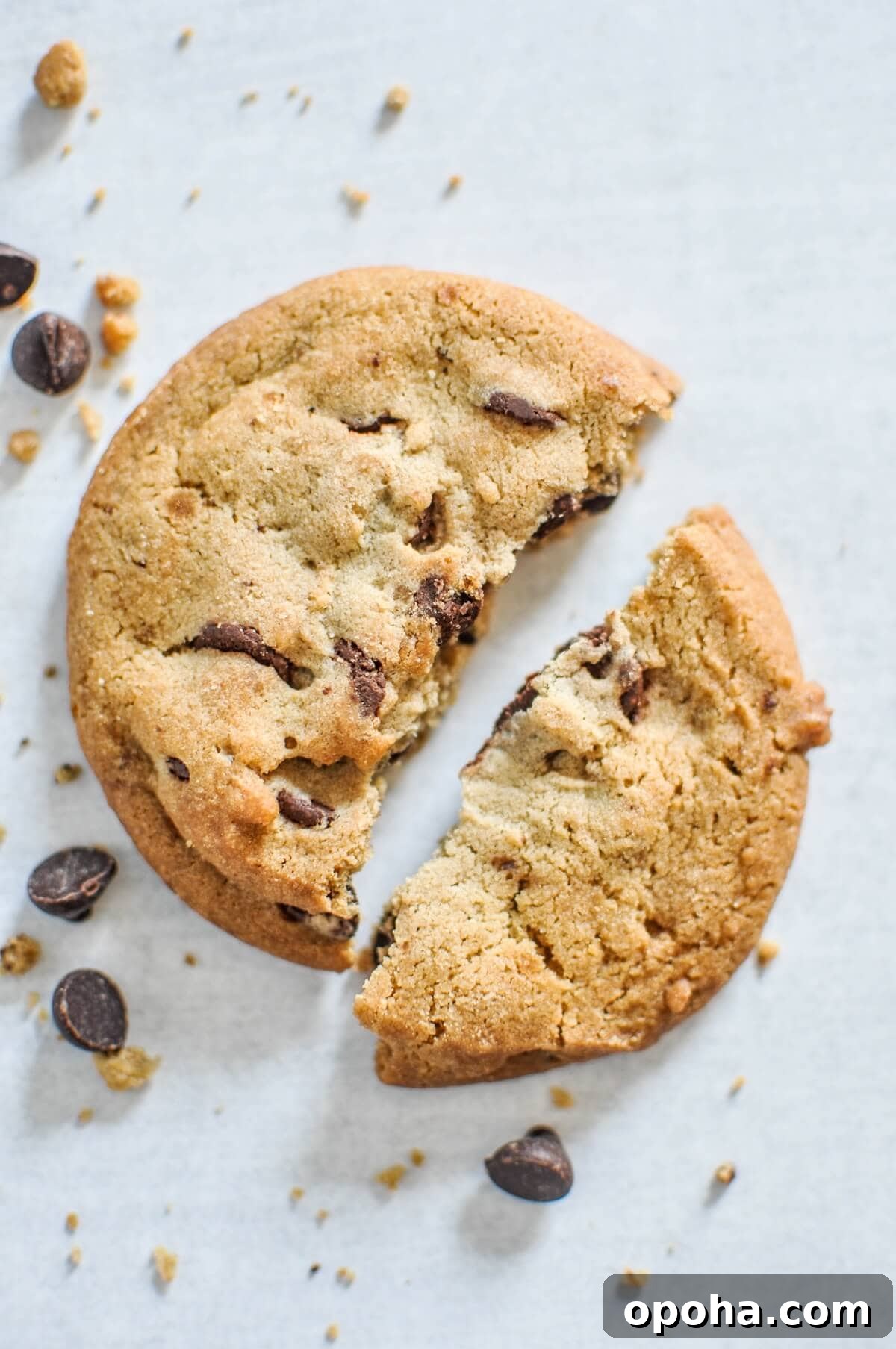
Hard cookies usually mean overbaking, low moisture in the dough, excess flour, or improper storage.
🤔 Likely causes
- Baked too long.
- Too little moisture (brown sugar, egg, or fat).
- Too much flour.
- Stored uncovered.
- Recipe intended to be crisp.
🧁 Easy fixes
- Remove cookies when centers still look slightly soft.
- Use brown sugar for softer results.
- Measure flour carefully.
- Store in an airtight container with a slice of bread to retain moisture.
🔍 Quick check
- Soft when warm, hard next day? Storage issue.
- Hard right from oven? Baked too long or dough too dry.
❓ Why are my cookies burnt on the bottom but pale on top?
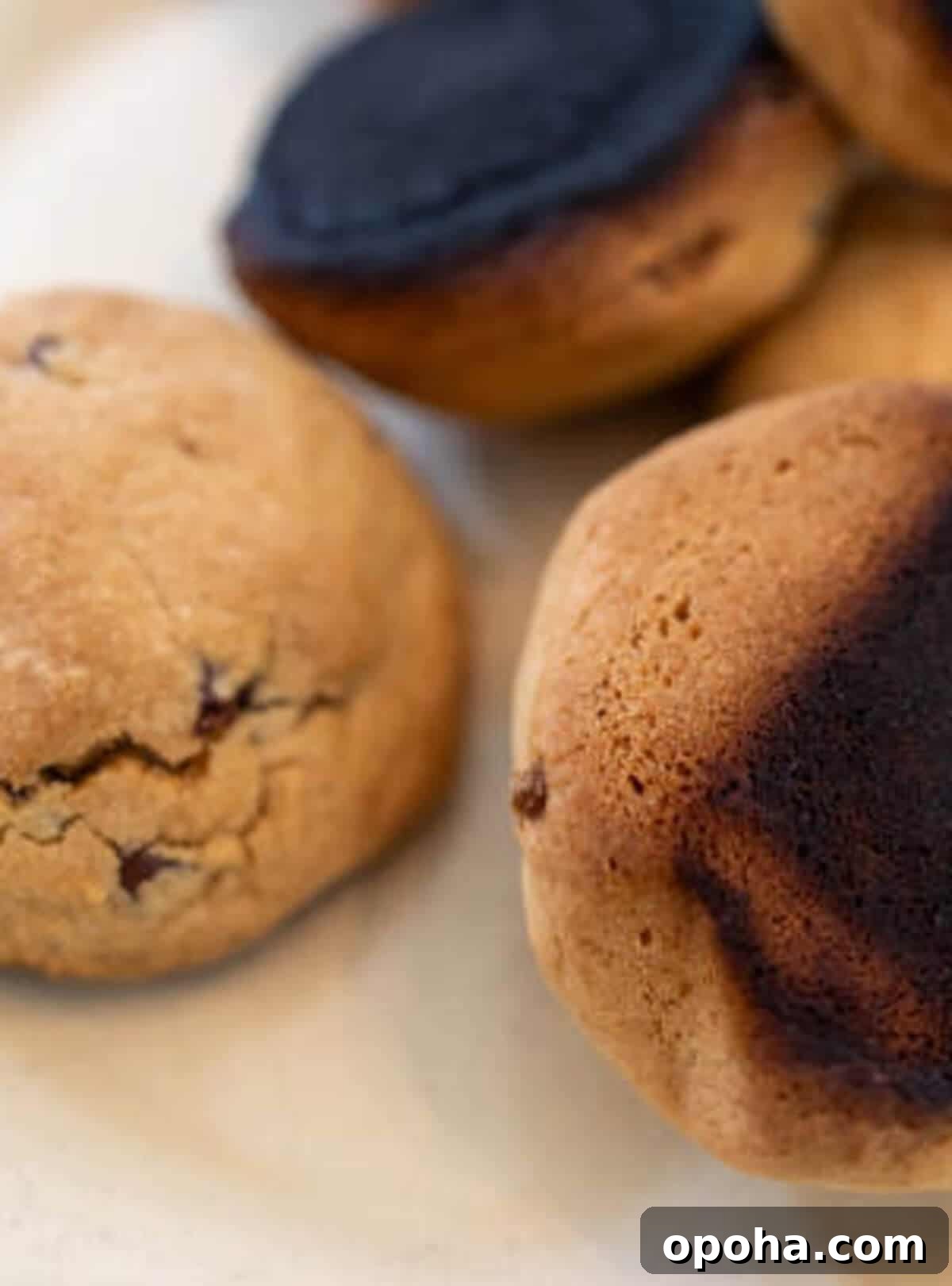
Uneven browning usually points to pan type, oven rack position, or thin pans that heat quickly.
🤔 Likely causes
- Dark baking sheet.
- Pan too low in the oven.
- Thin baking sheets.
- Oven hot spots or intense bottom heat.
- No parchment or liner.
🧁 Easy fixes
- Use light-colored, heavy baking sheets.
- Line pans with parchment.
- Bake in the center of the oven and rotate pans halfway through.
- Try double-panning to slow bottom browning.
🔍 Quick check
- Dark bottoms, pale tops? Heat from below is too strong.
- Happens every batch? Check pans and rack position.
- Only one side burns? Oven hot spot likely.
❓ Why do my cookies turn out cakey instead of chewy?
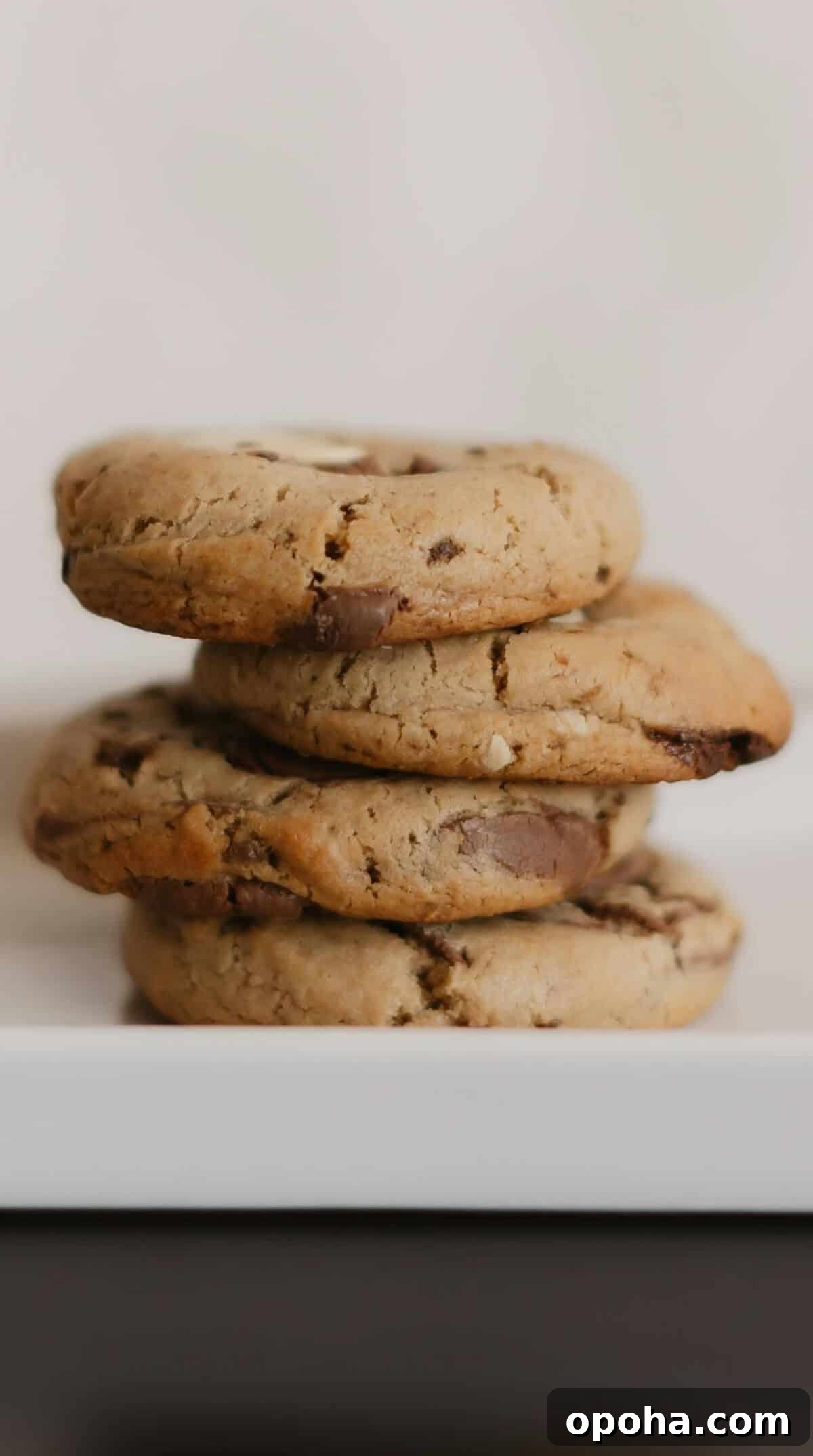
Cakey cookies result from too much flour, extra leavening, too many eggs, too little fat, or overmixing.
🤔 Likely causes
- Excess flour.
- Too much leavening.
- Too many or too-large eggs.
- Not enough fat.
- Overmixing.
🧁 Easy fixes
- Measure flour lightly.
- Use the specified leavening amounts and egg size.
- Keep fat amounts as written.
- Mix only until combined.
🔍 Quick check
- Tall and fluffy? Too much flour or leavening.
- Muffin-top texture? Likely extra egg or overmixing.
- Soft but not chewy? Fat-to-flour balance issue.
🥖 Bread baking solutions
Bread issues usually stem from yeast activity, dough texture, or baking time. Once you understand those factors, bread becomes far less mysterious.
❓ Why is my bread dense or doughy inside?
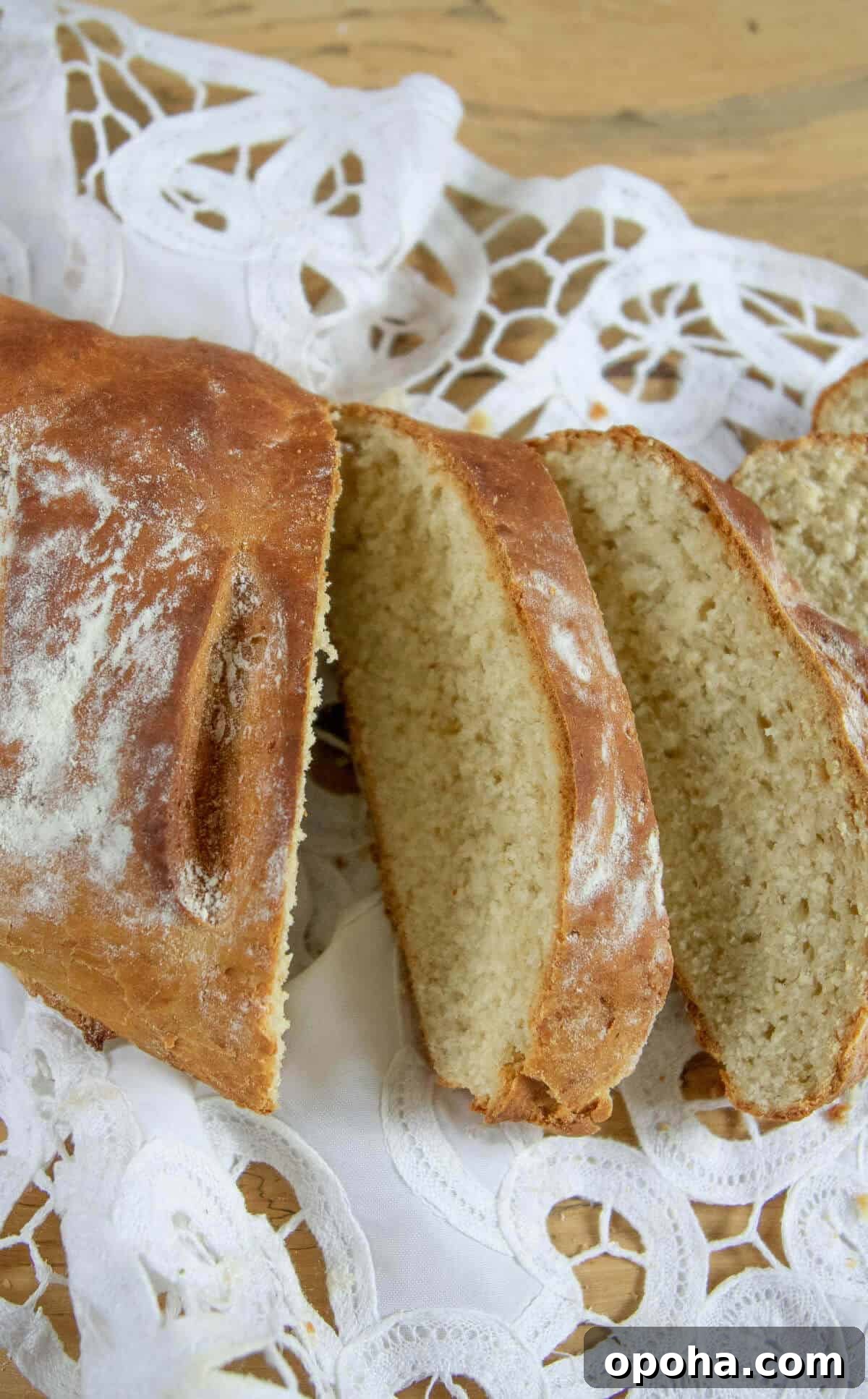
Dense or doughy bread usually means insufficient rise or underbaking.
🤔 Likely causes
- Not enough rise time.
- Too much flour.
- Underbaked.
- Oven temperature too low.
- Rough handling after rise.
🧁 Easy fixes
- Let dough rise until doubled.
- Add flour gradually; aim for soft, tacky dough.
- Bake until the loaf sounds hollow when tapped.
- Use an oven thermometer.
- Handle risen dough gently.
🔍 Quick check
- Dense through and through? Likely not enough rise or too much flour.
- Gummy inside but looks done? Underbaked.
❓ Why didn’t my bread rise?
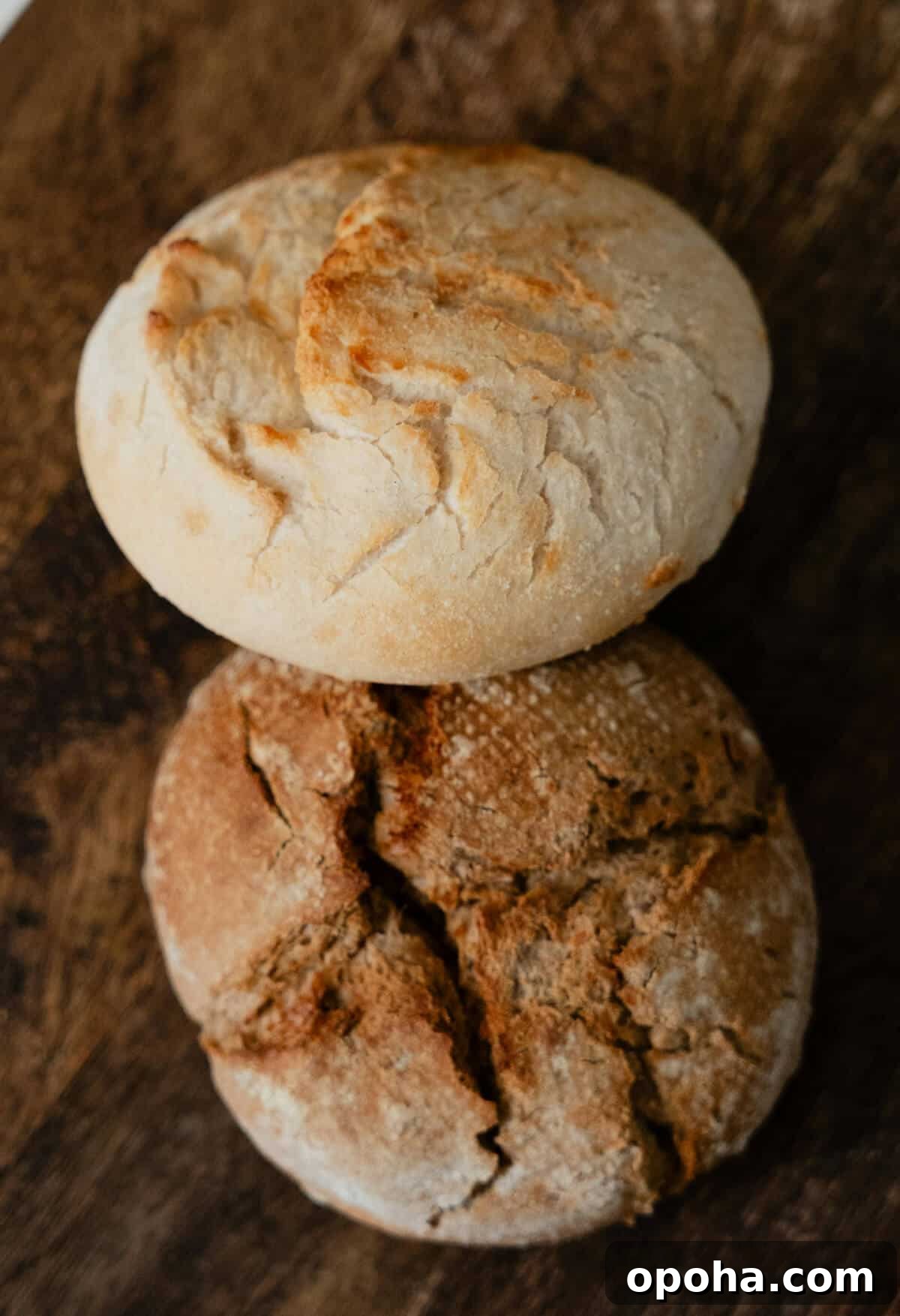
Dough that doesn’t rise is usually a yeast, temperature, or dough consistency issue.
🤔 Likely causes
- Inactive yeast.
- Liquid too hot and killed the yeast.
- Room too cold.
- Dough too stiff from excess flour.
- Salt contacted yeast directly.
🧁 Easy fixes
- Proof yeast in warm water with a pinch of sugar.
- Use warm, not hot, liquid.
- Let dough rise in a warm spot.
- Add flour gradually.
- Mix salt into the flour, not directly with yeast.
🔍 Quick check
- No movement after an hour? Yeast may be dead.
- Slow rise? Kitchen temperature or dough stiffness.
❓ Why is my bread crust too hard or too thick?
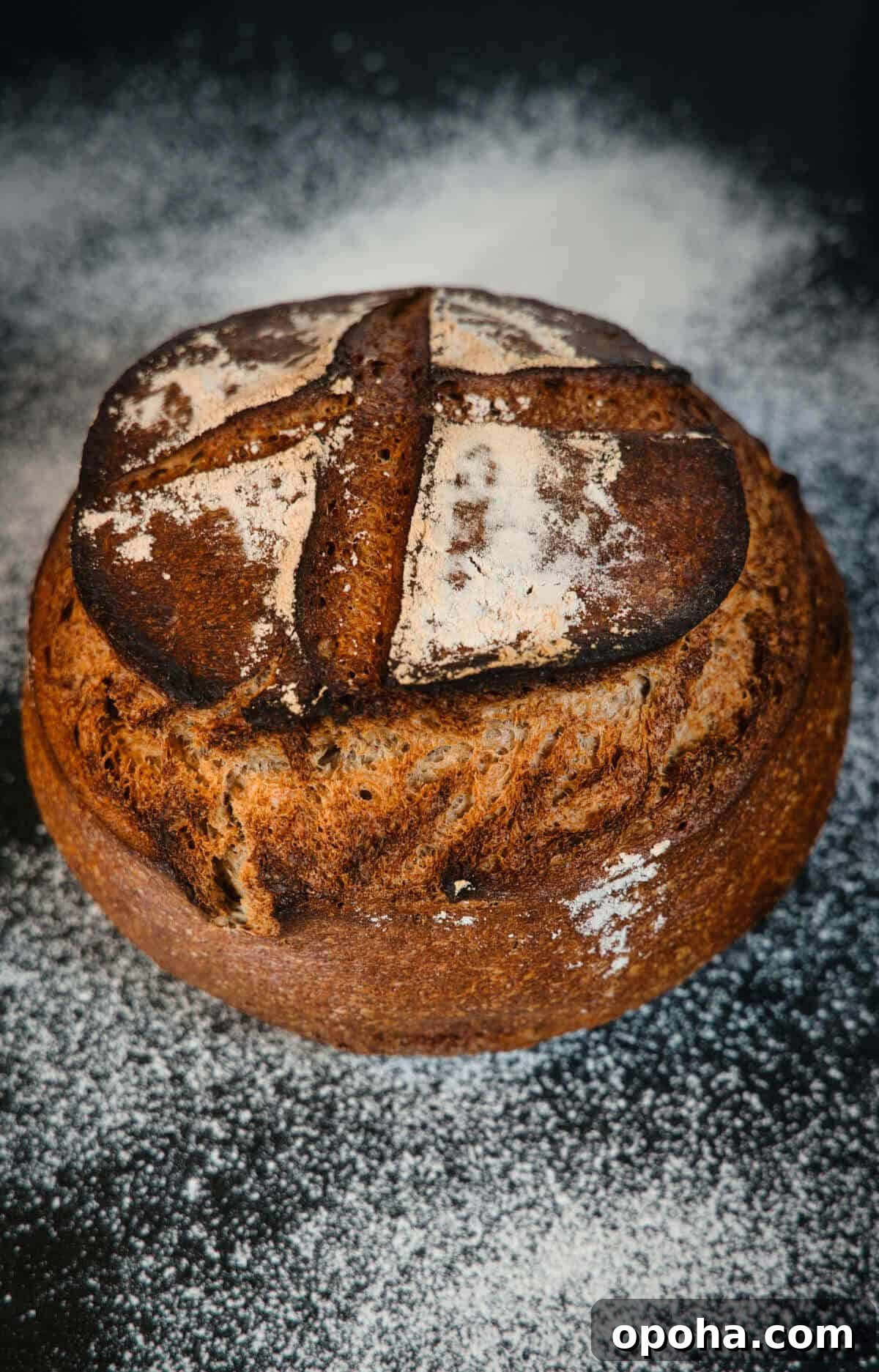
Overly hard crust usually comes from long baking, high heat, lack of steam, or cooling and storage that dry the loaf out.
🤔 Likely causes
- Baked too long.
- Oven too hot.
- Not enough steam early in baking.
- Cooled uncovered in a dry place.
- Dough surface dry before baking.
🧁 Easy fixes
- Bake until done but not longer.
- Lower oven temp if it runs hot.
- Add steam early—use a pan of hot water in the oven.
- Cool on a rack and store in a bag once cooled.
- Cover loosely with a towel while cooling to soften crust slightly.
🔍 Quick check
- Very dark crust and dry inside? Likely baked too long.
- Crust hard but interior okay? Oven too hot or not enough steam.
❓ Why is my bread flat and wide instead of tall?
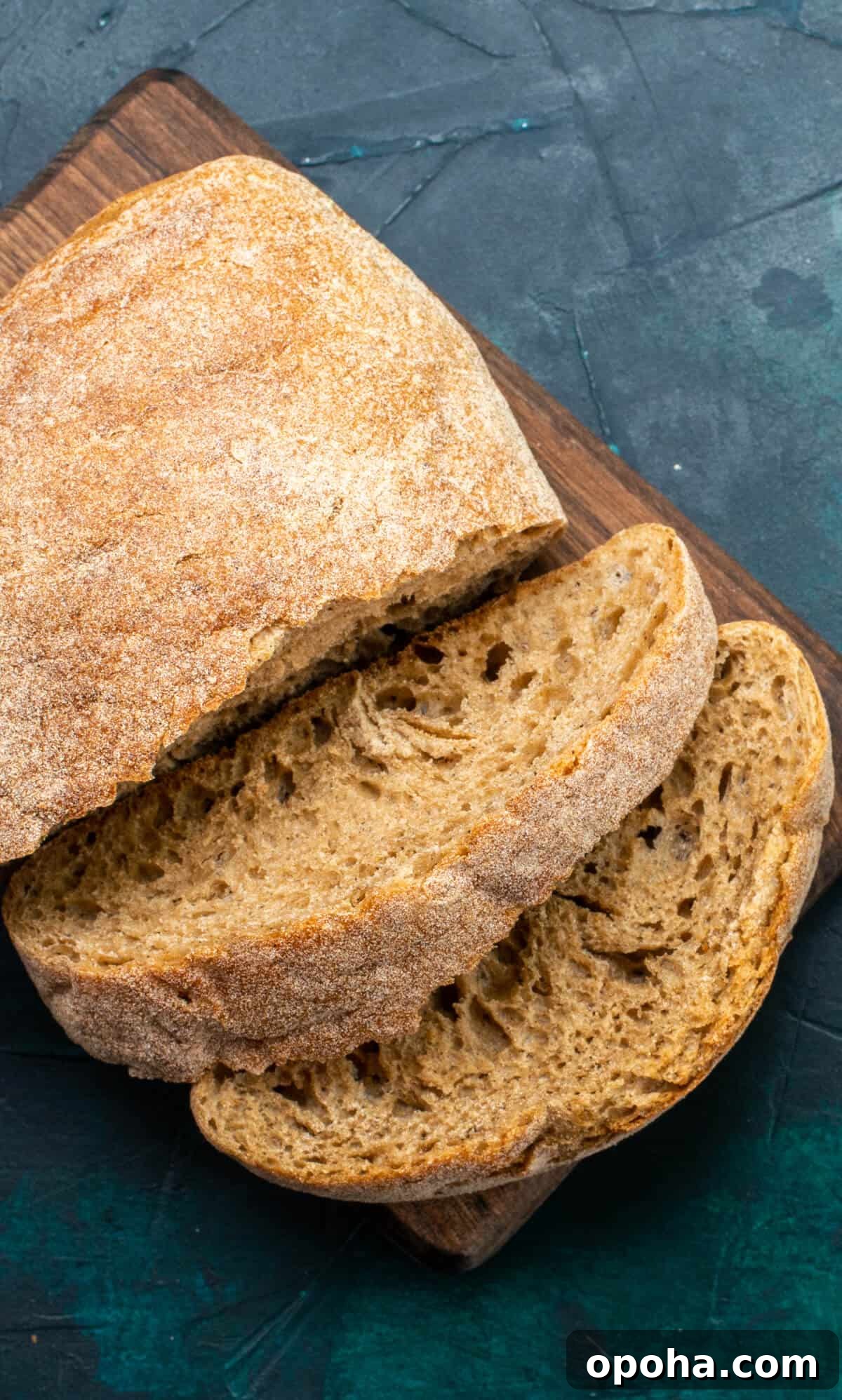
Flat, wide loaves mean the dough spread outward instead of building strength and height.
🤔 Likely causes
- Dough too wet.
- Not enough gluten development (under-kneaded).
- Overproofed.
- Loose shaping.
- No support for free-form loaves.
🧁 Easy fixes
- Aim for soft, tacky—not sloppy—dough.
- Knead until smooth and elastic.
- Watch dough visually to avoid overproofing.
- Shape with surface tension.
- Use a loaf pan for added support when needed.
🔍 Quick check
- Spread out and flat? Dough likely too wet or overproofed.
- Collapsed in oven? Often overproofed.
🧁 Frosting & icing fixes
Frosting issues are usually temperature or proportion problems: too soft, too firm, split, or impossible to pipe. These tips help with buttercream, cream cheese frostings, and glazes.
❓ Why is my frosting too thin?

Thin frosting usually has too much liquid or overly warm ingredients.
🤔 Likely causes
- Too much milk, cream, or other liquid.
- Butter or cream cheese too warm.
- Warm kitchen.
- Not enough powdered sugar.
🧁 Easy fixes
- Add powdered sugar gradually to thicken.
- Chill frosting 10–15 minutes, then beat again.
- Start with softened—not melted—butter.
- Add liquid slowly next time.
🔍 Quick check
- Sliding off the cake? Too thin or too warm.
- Glossy and loose? Ingredients too soft or too much liquid.
❓ Why is my frosting too thick or hard to spread?
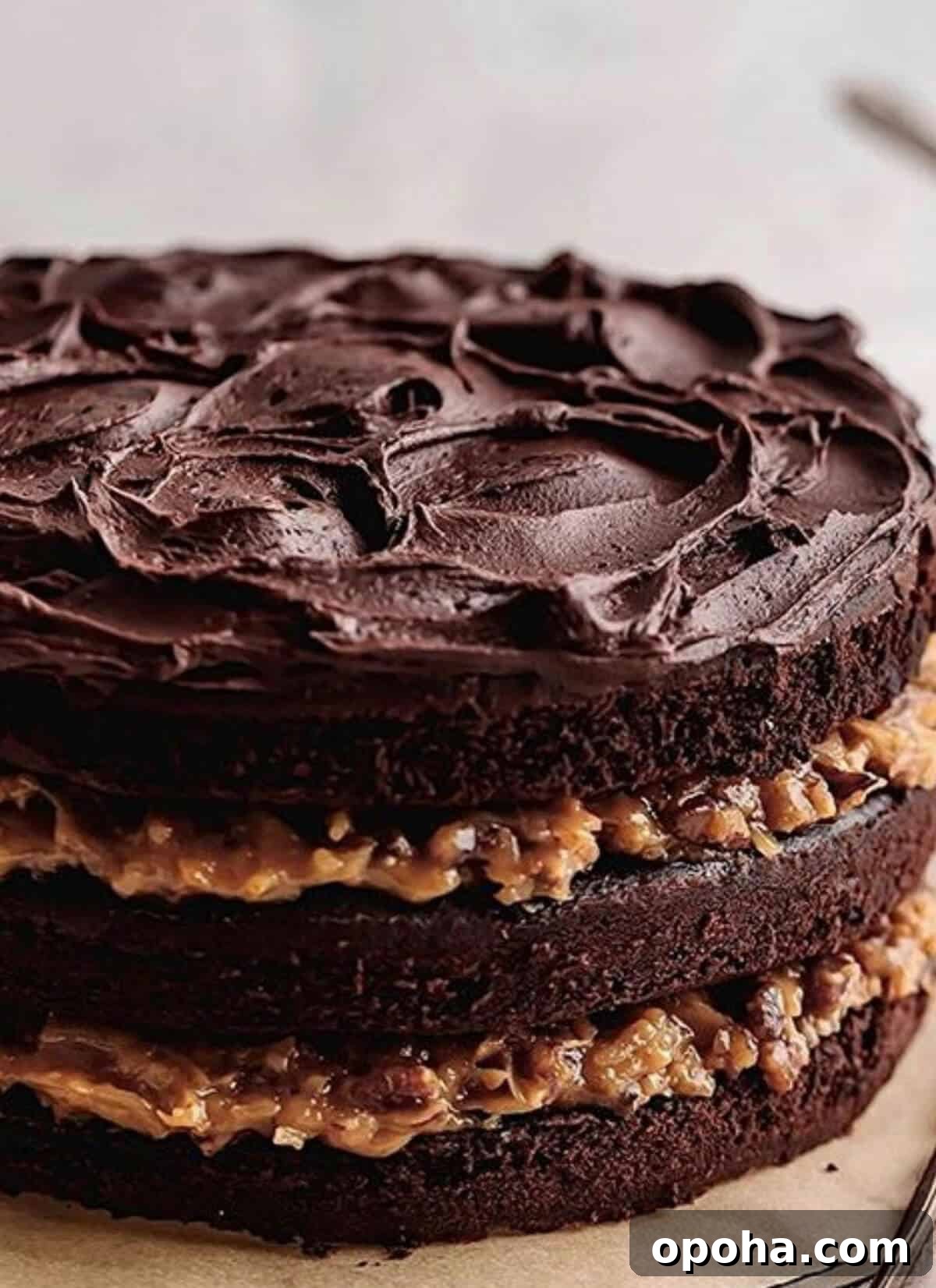
Thick frosting usually needs a small softening or liquid adjustment.
🤔 Likely causes
- Not enough liquid.
- Too much powdered sugar.
- Cold butter or cream cheese.
- Cool kitchen.
🧁 Easy fixes
- Add a teaspoon of milk or cream at a time.
- Let frosting sit at room temperature briefly, then beat.
- Keep mixing to warm cold butter through friction.
- Aim for frosting that holds shape but still spreads easily.
🔍 Quick check
- Tears the cake when spreading? Too thick or cold.
- Stiff and dull? Needs more liquid or mixing.
❓ Why does my frosting look curdled or separated?
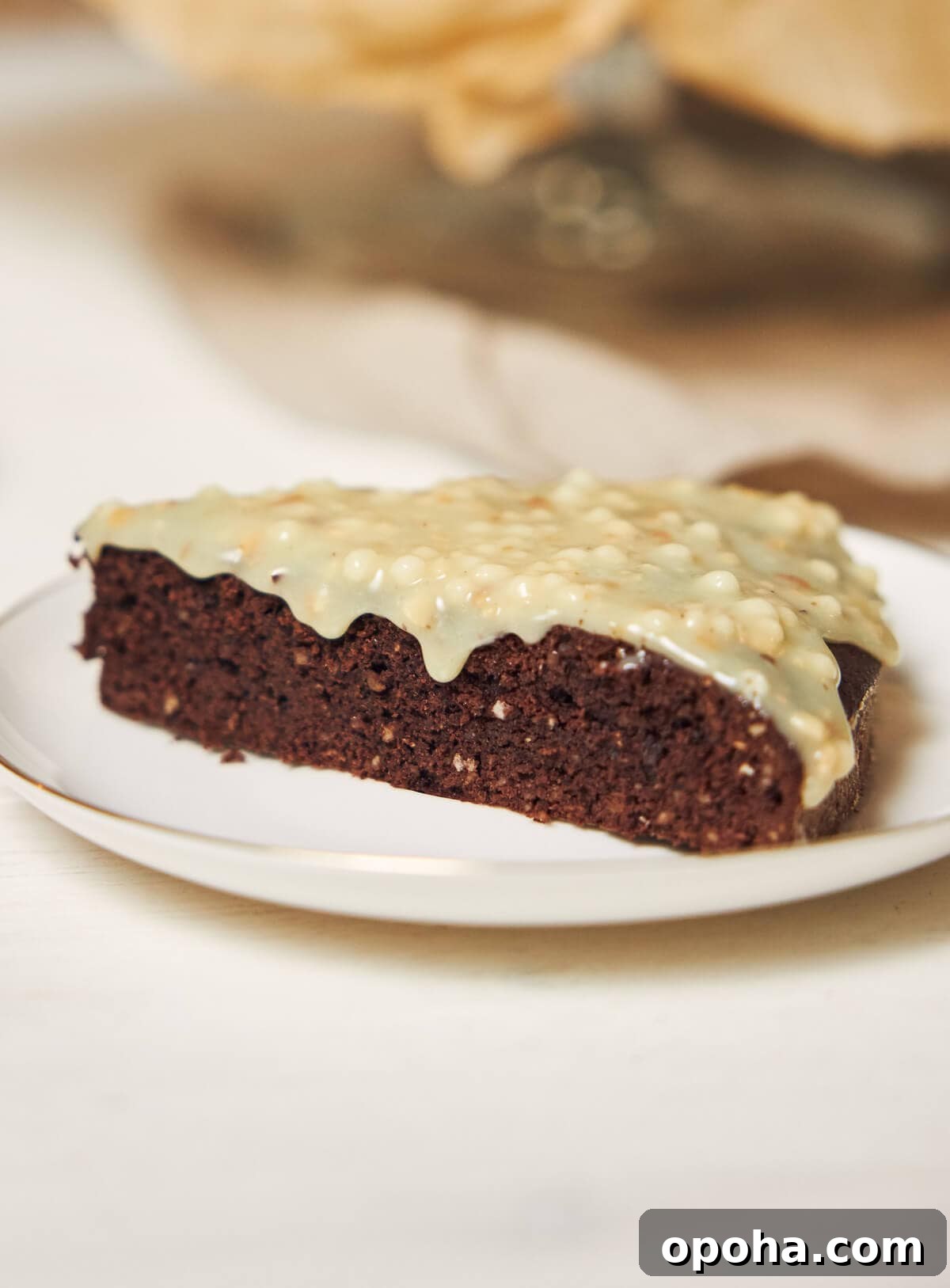
Curdled or separated frosting usually indicates temperature mismatch or adding liquids too quickly.
🤔 Likely causes
- Ingredients at different temperatures.
- Butter too cold or too warm.
- Added liquid too quickly.
🧁 Easy fixes
- Keep mixing—often it smooths out.
- Bring ingredients to similar temperature, then beat.
- If greasy, chill briefly then beat again.
- Add liquids a teaspoon at a time.
🔍 Quick check
- Grainy or lumpy? Likely too-cold ingredients.
- Greasy or separated? Butter too warm.
- Happened after adding liquid? It was added too fast.
❓ Why is my frosting full of air bubbles?

Air bubbles come from overwhipping or using a whisk attachment; they’re easy to reduce.
🤔 Likely causes
- Beaten on high speed too long.
- Whisk attachment used instead of paddle.
- Frosting too stiff.
- Too light a spreading technique.
🧁 Easy fixes
- Mix on low speed at the end to remove air.
- Use a paddle for smoothing rather than a whisk.
- Let frosting rest so bubbles rise and pop.
- Warm a spatula slightly to smooth the surface.
🔍 Quick check
- Tiny bubbles everywhere? Frosting likely overmixed.
- Surface rough, not smooth? Too thick or too much air.
❓ Why won’t my frosting hold its shape when piping?
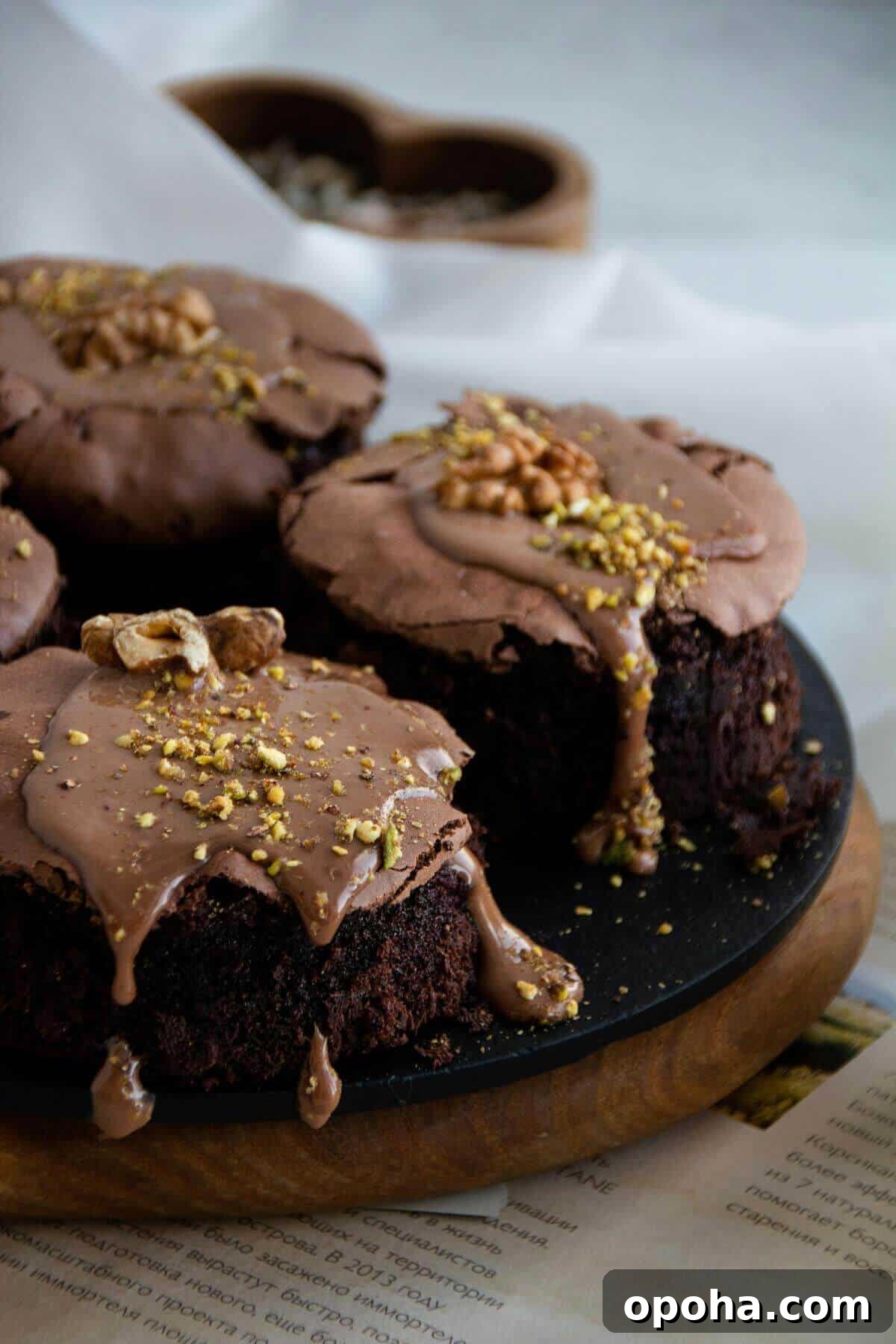
Piped shapes that droop are almost always too warm, too soft, or lack structure.
🤔 Likely causes
- Frosting too warm or too much liquid.
- Not enough powdered sugar for structure.
- Overmixed frosting.
- Hands warming the piping bag.
🧁 Easy fixes
- Chill frosting briefly before piping.
- Add a tablespoon or two of powdered sugar if needed.
- Work with smaller amounts so the bag doesn’t warm in your hands.
- Chill the filled bag briefly in a cool kitchen if necessary.
🔍 Quick check
- Piped ridges soften quickly? Frosting too warm.
- Details look rounded? Needs more structure.
- Fine at first, droopy later? Bag is warming the frosting.
📖 Quick reference baking fixes
Fast checks for common problems—good to keep in mind during a busy baking session.
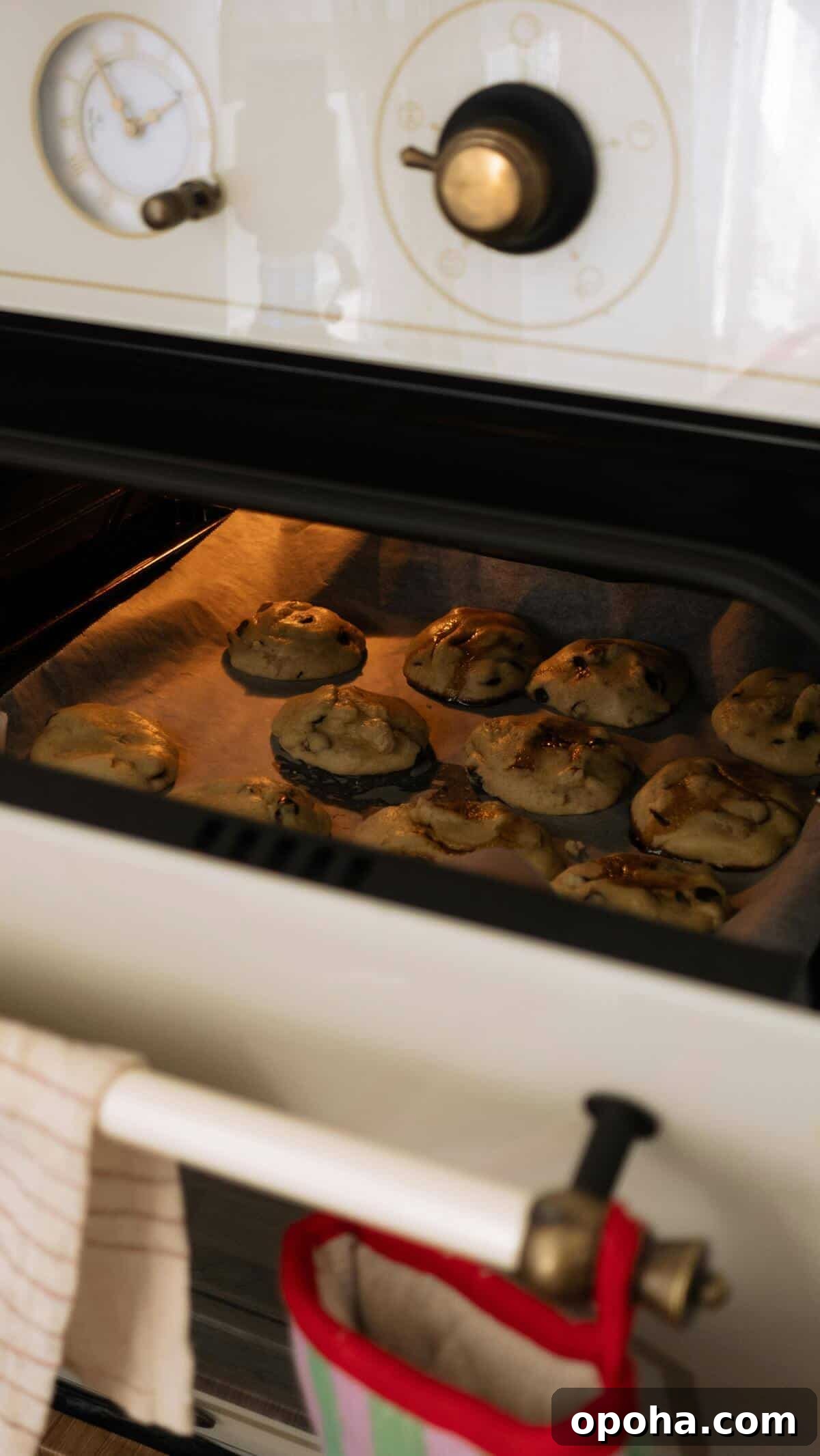
🧂 Ingredient & Pantry
- Flat or heavy bakes? Test baking powder, baking soda, and yeast.
- Dry texture? Check flour measurement and bake time.
- Bland flavor? Use salt, fresh spices, and fresh vanilla.
🍰 Cakes
- Dense? Too much flour or overmixing.
- Sank in middle? Underbaked or too much leavening.
- Dry? Overbaked or oven runs hot.
- Stuck to pan? Grease, flour, or parchment needed.
🍪 Cookies
- Spread too much? Dough too warm or butter too soft.
- Didn’t spread? Too much flour or dough too cold.
- Hard not soft? Overbaked or stored uncovered.
- Burnt bottoms? Dark pans or low rack position.
🥖 Bread
- Dense crumb? Not enough rise or too much flour.
- Didn’t rise? Yeast or temperature issue.
- Very hard crust? Baked too long or oven too hot.
- Flat loaf? Dough too wet or overproofed.
🧁 Frosting
- Too thin? Too much liquid or warmth.
- Too thick? Ingredients too cold or not enough liquid.
- Curdled? Temperature mismatch—mix more or adjust temps.
- Won’t hold piping? Frosting too soft or warm.
💛 Final thoughts
If you bake regularly, things will go sideways sometimes. A cake sinks, cookies misbehave, frosting changes moods. That’s part of the process—not a sign you can’t bake.
Most issues trace back to small, fixable details: oven temperature, ingredient balance, or timing. Spot those early and future bakes will improve.
And remember: many so-called mistakes still taste great. Keep experimenting, learn from each batch, and you’ll soon recognize problems before they happen.