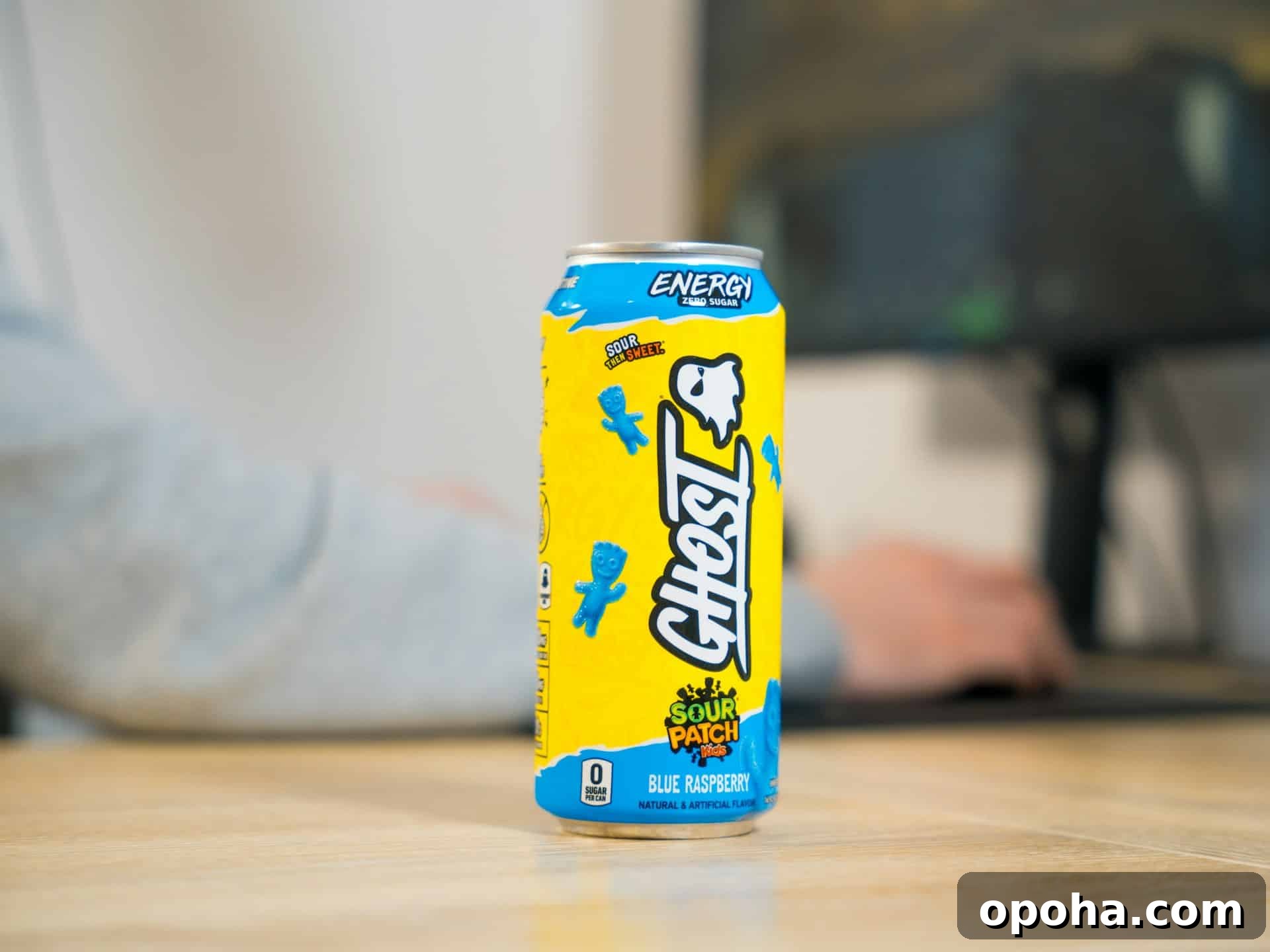
With so many energy drinks positioning themselves as healthier options, a common question I get is: are Ghost energy drinks bad for you?
I’m Jamie, a Registered Dietitian, and in this article I’ll share an evidence-based, practical look at Ghost Energy — what’s in it, potential risks, and whether it’s a reasonable choice for a reliable pick-me-up.
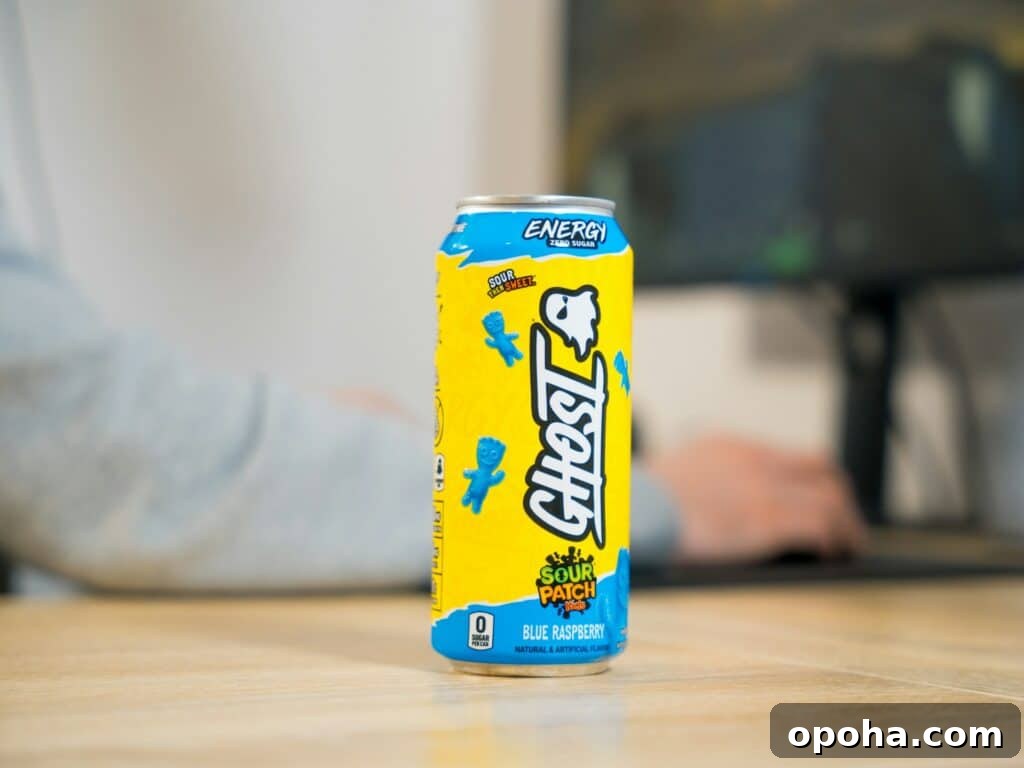
What’s in Ghost energy drink?
First, let’s review the ingredient profile of this popular energy drink so you know what you’re consuming.
Ghost energy ingredients:
- Carbonated water
- Citric acid (flavoring and preservative)
- Acetyl-L-carnitine HCl
- Taurine
- Natural caffeine (from coffee beans)
- Sucralose (artificial sweetener)
- Alpha-GPC (Alpha-Glyceryl Phosphoryl Choline)
- Sodium benzoate (preservative)
- Potassium sorbate (preservative)
- Ascorbic acid (vitamin C)
- Acesulfame potassium (artificial sweetener)
- Neurofactor coffee fruit extract
- Astragin (herbal extracts marketed as nootropics)
- B vitamins: D-calcium pantothenate, biotin, niacinamide, pyridoxine HCl, thiamine HCl, folic acid, cyanocobalamin
Each can contains 200 mg of caffeine. The product is sugar-free and contains no artificial colors, which contributes to its reputation as a “healthier” energy drink option. Ghost lists ingredient amounts on the label rather than hiding them in a proprietary blend, which is a transparency plus.
How much caffeine does Ghost have?
Ghost Energy contains 200 mg of caffeine per can. For most healthy adults, up to 400 mg of caffeine per day is generally considered acceptable. If you also drink coffee or consume other caffeinated products, you should track total intake to avoid side effects.
Is Ghost a healthy energy drink?
Calling any energy drink “healthy” is a stretch. Ghost is sugar-free and free from artificial dyes, which can be preferable to high-sugar options. It also includes ingredients marketed for focus, like nootropics and B vitamins. However, evidence for meaningful cognitive benefits from those additives in the amounts provided is limited.
Energy drinks are not necessary for a healthy lifestyle and can have downsides when used frequently, mainly due to their caffeine load and potential effects on sleep, anxiety, and heart rate. In moderation, a can is likely fine for most healthy adults, but I wouldn’t categorize it as a health beverage. How often and how much you consume matters most.
Is it okay to drink 2 Ghost energy drinks a day?
Two cans deliver 400 mg of caffeine, which is at the upper limit generally recommended for healthy adults. Regularly consuming that level of caffeine can increase risk of side effects, so sticking to one can per day or spacing intake carefully is a safer approach, especially if you consume other caffeinated products.
What does energy actually mean?
“Energy” is often used to describe alertness, but physiologically energy is calories derived from carbohydrates, fats, and protein. Caffeine increases alertness and reduces perceived fatigue, but it doesn’t supply calories or restore metabolic energy. B vitamins support metabolic processes, but without adequate calories from food they won’t replace the fuel your body needs.
How much caffeine is too much?
The FDA’s guideline for most healthy adults is no more than 400 mg of caffeine per day. Pregnant people are usually advised to limit intake to 200 mg or less. Excess caffeine can cause increased heart rate, high blood pressure, gastrointestinal upset, anxiety, insomnia, and in rare cases more serious consequences. Many packaged products now contain added caffeine, so it’s easy to exceed safe limits inadvertently.
Are Ghost energy drinks bad for you?
For most healthy adults, an occasional can of Ghost Energy is unlikely to cause harm. The label warns the product is intended for healthy adults 18 and older and not to be combined with other caffeine sources. If you experience jitteriness, insomnia, headaches, anxiety, or a racing heart after consuming caffeine, you should cut back and consult a healthcare professional. People with certain medical conditions or those taking medications should avoid high-caffeine products unless cleared by a provider.
A dietitian’s thoughts: TLDR
Caffeine itself is not inherently “good” or “bad”; dose and context matter. Ghost Energy offers sugar-free options and transparent labeling, but each can contains a substantial 200 mg of caffeine and includes artificial sweeteners some people prefer to avoid. I wouldn’t call any energy drink truly healthy — they’re convenience products that provide alertness, not nutrition.
Enjoyment is part of food and beverage choices. Drinking Ghost occasionally because you like it is reasonable, but don’t assume marketing equals meaningful health benefits. I personally prefer regular coffee, but nutrition choices should be personalized to your health needs, preferences, and lifestyle.

Alternatives to boost your focus
Before reaching for another caffeinated beverage, consider whether sleep, hydration, or nutrition are the underlying issue. Simple steps that can improve alertness include:
- Prioritizing sufficient, quality sleep
- Drinking water throughout the day
- Eating balanced meals with carbohydrates, protein, and healthy fats
- Taking a brisk walk, doing a short movement break, or stretching
These habits provide sustainable energy and support overall health better than relying on quick caffeine fixes.
Other reviews
If this review was helpful, I regularly evaluate other supplements and products and have additional reviews to explore if you want more context on similar items.
Should you give up the Ghost?
In a busy world, energy drinks are an easy option for a fast boost. For generally healthy people, an occasional can of Ghost Energy is unlikely to do harm, but routine use carries risks related to sleep, anxiety, and cardiovascular strain. Use them sparingly, be mindful of total daily caffeine, and prioritize foundational habits—adequate nutrition, hydration, and sleep—for lasting energy and wellbeing.