Some barbecue contests offer a People’s Choice category. Learn how these contests work, how you can earn money, and whether you should sign up to cook for the public.
The main goal of most barbecue competitions is simple: prepare outstanding meat that impresses a panel of judges. Those judges score entries across categories and award top teams with first place calls and trophies.
While competing for judges is exciting, spectators often feel left out. Many come because they saw advertising promising renowned pitmasters and mouthwatering aromas, only to discover the judging process limits public access to the food.
To address that gap and give attendees a chance to taste, many events include a People’s Choice (PC) category.
What is People’s Choice?
People’s Choice, commonly called PC, is separate from the sanctioned four-meat turn-in and does not count toward overall grand champion points. Instead, it gives teams an opportunity to serve their barbecue directly to event-goers.
Typically, spectators purchase tickets to exchange for servings. Some contests enforce a strict rate—one ticket per serving—while others let teams offer special dishes or larger platters that require multiple tickets. This flexibility allows teams to be creative with portion size and presentation.
How is the People’s Choice winner selected?
Selection methods vary. In some events, ticket buyers receive a voting stub with their food purchase; after sampling, they cast a ballot for the team they prefer. The team with the most votes wins.
In other contests, there is no formal vote: the winner is simply the team that sells the most food tickets. That explains why some teams create high-value items—pulled pork tamales or specialty platters—that require multiple tickets and draw more attention.
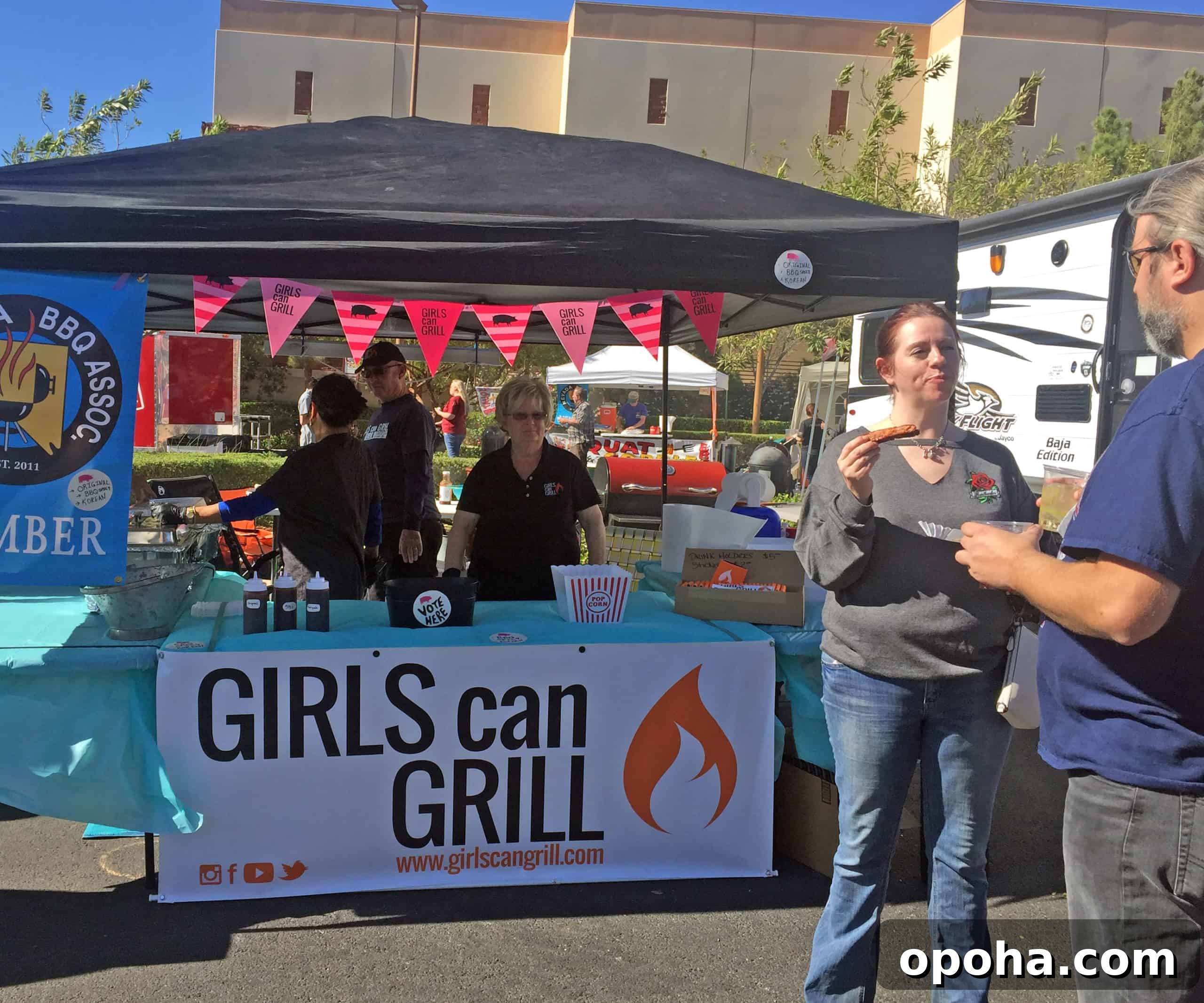
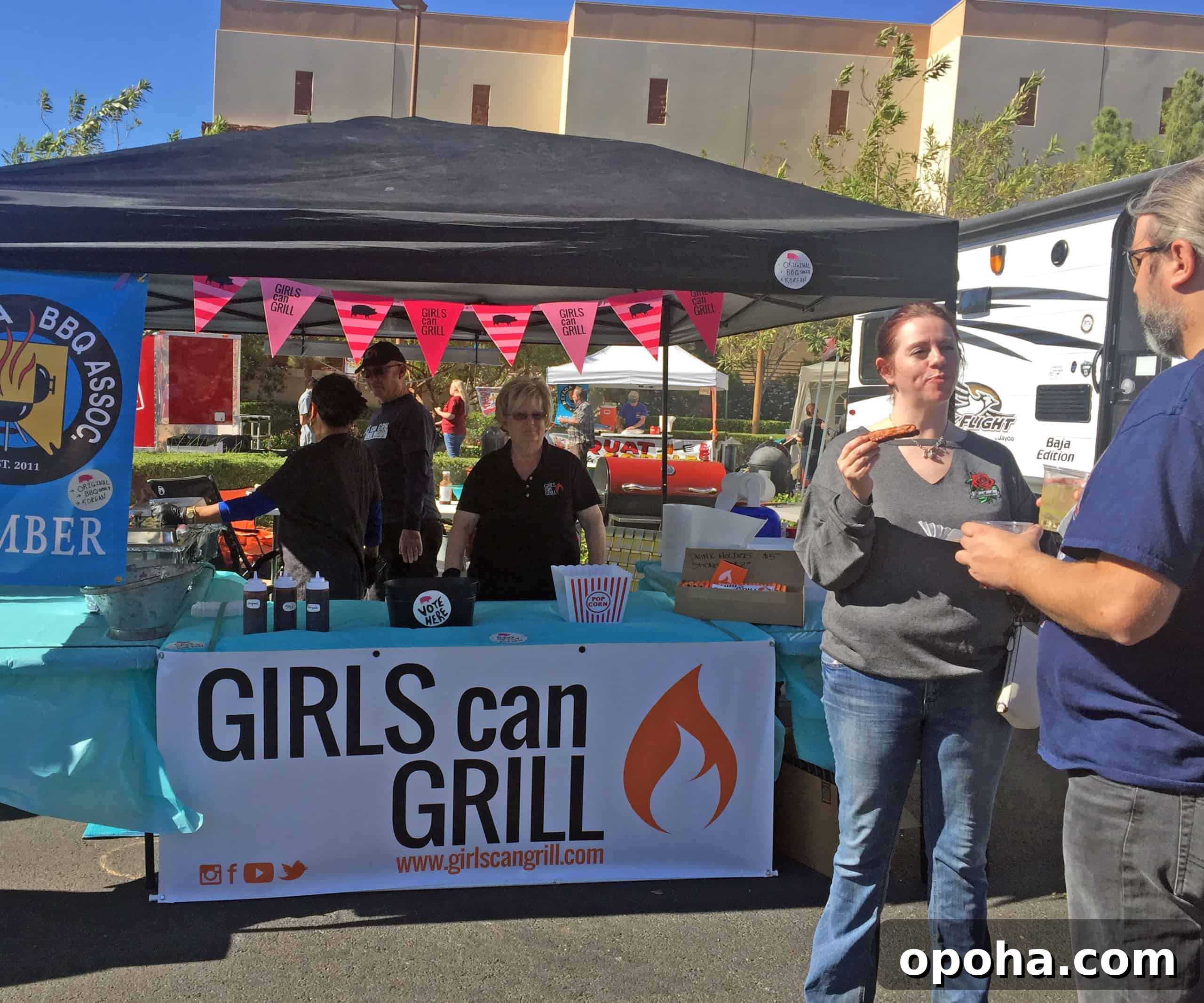
Presentation matters. An appealing booth with clear signage, a menu board, lighting, and banners attracts customers. A plain table and a pan of meat rarely generate the same buzz.
Who pays for the meat?
Each contest sets its own rules about meat. Some organizers supply a portion of ribs or pork butts; others require teams to bring everything. Compensation models also differ, but many events offer a 50/50 split of ticket revenue. For example, if tickets sell for $2, teams typically receive $1 per ticket sold.
If the event supplies the meat, that split is a favorable arrangement. If you must purchase your own meat, factor costs into your portion sizes and ticket pricing to ensure you at least break even or make a profit.
Also account for disposables—plates, napkins, utensils—which some contests provide but most do not. Those expenses add up, so include them in your planning.
Should I compete in People’s Choice?
Decide based on your goals. Ask yourself why you’re at the event:
- To make money
- To gain new catering clients
- To support a charitable cause
- To chase grand champion points
When executed well, PC can generate extra cash to offset four-meat competition costs and possibly earn you a PC trophy. It’s an excellent way to showcase your catering services and meet potential clients. Many PC contests also raise money for charities—the team keeps a portion of sales while the event donates the rest.
However, if your priority is collecting sanctioned points and winning the grand champion, PC can be a distraction. Running a PC booth demands additional time, staffing, and focus during a busy competition weekend.
What else do I need to know about PC?
Serving the public brings stricter health department requirements than private turn-ins. Expect inspections and enforce food-safety practices: handwashing and sanitization stations, proper hot-holding temperatures for hot foods, and appropriate cold storage for chilled items.
Most contests require meat to be cooked on-site. If you supply the meat, you may need receipts showing recent purchase or documentation proving it was stored in an inspected, approved kitchen.
Staffing is crucial. People’s Choice often runs concurrently with turn-ins, so you’ll need helpers to serve, sell tickets, and engage customers while you focus on competing.
Adding PC to a four-meat competition is demanding but rewarding. It’s a chance to connect with fans, attract customers, support causes, and share your passion for barbecue—what competition barbecue is all about.
More Competition BBQ Tips
- Branding Your Competition BBQ Team
- BBQ Competitions Power Options
- Competition Barbecue Checklist
- Competition BBQ Health and Fire Requirements