
As a registered dietitian with a personal connection to dementia, brain health is more than a professional interest—it’s a deeply personal mission. My father passed away from Lewy body dementia two years ago at 91, and his experience motivates me to share evidence-based strategies that help protect cognitive function as we age. One research-supported approach I frequently recommend is the MIND diet, a hybrid of the Mediterranean and DASH diets designed specifically to support brain health.

Below I summarize the core principles of the MIND diet, explain why leafy greens are central to its benefits, offer practical tips for adding more greens to daily meals, and list recipes that showcase ways to enjoy brain-supporting vegetables.
What Is the MIND Diet?
The MIND diet stands for Mediterranean-DASH Intervention for Neurodegenerative Delay. It emphasizes whole, nutrient-dense foods linked to better cognitive outcomes and recommends limiting certain less healthy choices. Research indicates that following the MIND pattern—especially consistently—can meaningfully lower the risk of Alzheimer’s disease and slow cognitive decline. While specific effects of the MIND diet on Lewy body dementia require more study, general principles of healthy eating, regular physical activity, and cardiovascular risk control are widely recommended for brain health.
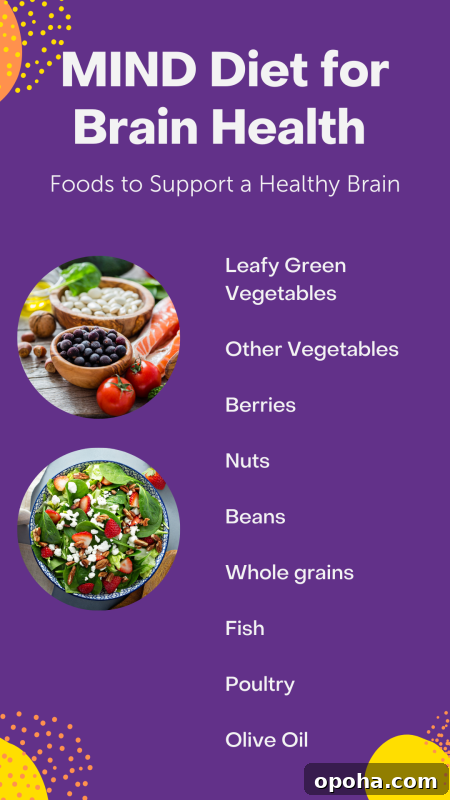
The MIND diet highlights 10 food categories and offers guidance on portions and frequency. These are practical targets to work toward rather than strict rules:
- Leafy Green Vegetables: Aim for at least 6 servings per week (1 serving = 1 cup raw or ½ cup cooked). Examples: spinach, kale, arugula, collards.
- Other Vegetables: At least 1 serving per day (1 serving = ½ cup cooked or 1 cup raw). Choose a variety of colors.
- Berries: At least 2 servings per week (1 serving = ½ cup). Blueberries and strawberries are popular choices due to their antioxidant profile.
- Nuts: At least 5 servings per week (1 serving = ¼ cup). Almonds, walnuts, and pistachios provide healthy fats and nutrients.
- Beans: At least 3 servings per week (1 serving = ½ cup cooked). Beans, lentils, and chickpeas are fiber- and protein-rich staples.
- Whole Grains: At least 3 servings per day (1 serving = 1 slice of bread or ½ cup cooked grains such as quinoa or brown rice).
- Fish: At least 1 serving per week (1 serving = 3–4 ounces). Fatty fish like salmon and sardines offer omega-3s linked to brain health.
- Poultry: At least 2 servings per week (1 serving = 3–4 ounces). Choose lean protein sources such as chicken or turkey.
- Olive Oil: Use as the primary fat for cooking and dressings to replace saturated fats.
- Wine: Up to 1 glass per day, if you already drink alcohol; it is not recommended to start drinking for health benefits.
The diet advises limiting red meat, butter and margarine, cheese, pastries and sweets, and fried or fast foods. These choices can contribute to inflammation and cardiovascular risk, which in turn affect brain health.
Why Leafy Greens Deserve the Spotlight
Leafy greens are the top-ranked food on the MIND diet and for good reason. Large observational studies have associated higher intake of leafy greens with slower cognitive decline—one analysis suggested that eating a daily cup of greens corresponded to a younger brain age by roughly a decade. Greens deliver a concentrated package of nutrients that support nerve function, reduce oxidative stress, and contribute to overall brain resilience.
Key nutrients found in leafy greens include:
- Vitamin E: An antioxidant that helps protect cells from oxidative damage.
- Lutein: A carotenoid associated with better cognitive function and eye health.
- Folate: Important for cellular health and linked to reduced risk of cognitive decline when adequate.
- Vitamin K: Known for roles in blood clotting and bone health, and increasingly studied for potential brain benefits.
Incorporating more greens into everyday meals is simple and flexible. Try these easy strategies:
- Blend spinach into fruit smoothies—its mild flavor is easy to mask with banana and berries.
- Toss kale into soups, stews, or grain bowls where it softens and absorbs flavors.
- Layer arugula into sandwiches and wraps for a peppery crunch.
- Sauté Swiss chard with garlic and olive oil as a quick side dish.
- Use romaine or other sturdy greens as the base for salads, or stir-fry bok choy for Asian-inspired meals.
Recipes Featuring Green Leafy Vegetables

Here are several recipe ideas that highlight leafy greens and fit well into a MIND-style eating pattern:
- Egg & Kale Dinner Muffins—an easy make-ahead option using frozen chopped kale for breakfasts or snacks.
- Gorgeous Green Smoothie Bowl—baby spinach blended with fruit and topped with nuts and seeds for a nutrient-dense start to the day.
- Roasted Cauliflower Salad with Arugula, White Beans, and Celery—a satisfying vegetarian salad that combines roasted vegetables with leafy greens and legumes.
- Marinated Chicken with Romaine Hearts and Rice and Beans—pairing lean protein with greens and whole grains for a balanced meal.
- Shrimp, Grits, and Greens—collard greens add flavor and nutrients to this comforting dish.
- Velvety Spinach with a Touch of Boursin—creamy spinach prepared as a flavorful side, enjoyed in moderation when cheese is included.
- Kale and Pine Nut Pesto—a versatile, savory sauce that delivers greens on pasta, toast, or as a dip.
If you’re interested in protecting your cognitive health through diet, adopting the MIND approach is a practical way to prioritize brain-healthy foods without feeling restricted. Small, consistent changes—like adding a serving of greens to most meals or swapping refined grains for whole grains—add up over time.
Are you following the MIND diet or thinking about trying it? If you have questions about how to adapt these guidelines to your lifestyle, feel free to ask in the comments.