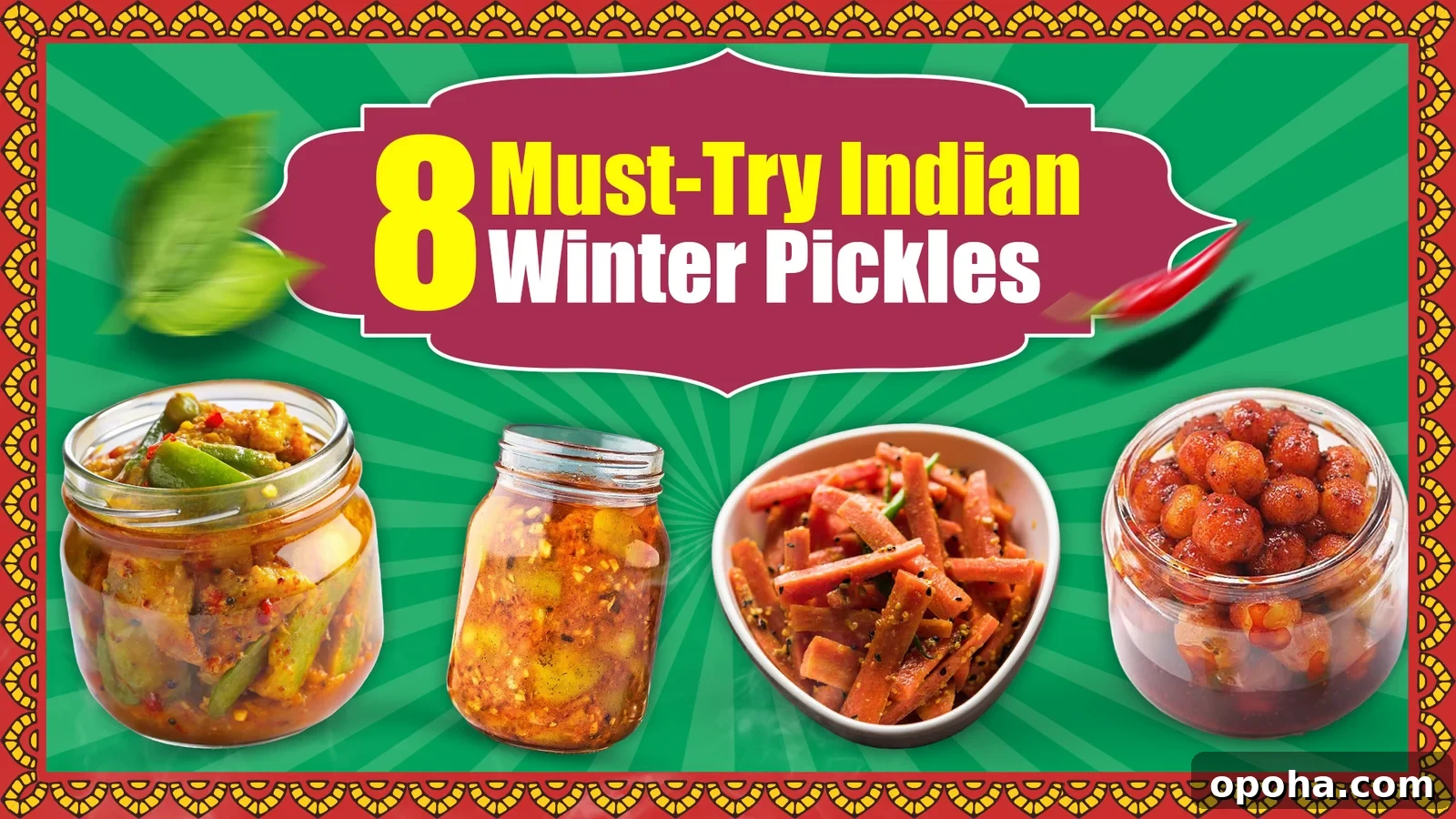
“Kehte hain na—Achar ho ya wine, jitni purani, utna gehra taste aur utne hi zyada faayde.”
Winter in India brings crisp mornings, misty afternoons, cozy blankets, and warming meals. And no Indian meal feels complete without a spoonful of tangy, spicy achar. Hot parathas, dal-chawal, khichdi or simple snacks get a lively lift from homemade pickles. These winter Indian snacks are best enjoyed with traditional winter pickles made from seasonal vegetables that peak during the cold months.
Indian winter pickles, or achar, celebrate crunchy carrots, radish, cauliflower and other winter produce. They bring spicy, tangy, sometimes sweet notes that warm you from within. Easy to make and long-lasting, these pickles are a wonderful way to preserve seasonal flavours. Here are some classic winter achars every food lover should try.
Besides taste, many traditional pickles offer nutritional benefits. Fermented varieties can provide probiotics and help gut health. Spices and vegetables add antioxidants and vitamins such as C, A and K, along with minerals. When eaten in moderation, pickles can aid digestion, support immunity and enhance meal satisfaction—though they are high in salt, so balance is important.
Digestive Health
- Probiotics: Fermented pickles can introduce beneficial bacteria that help balance gut flora and support digestion.
- Digestive Enzymes: The tang and spices stimulate stomach enzymes, aiding food breakdown.
- Spices: Ajwain (carom) and hing (asafoetida) often used in achar help reduce bloating and soothe digestion.
Immunity & Antioxidants
- Antioxidants: Turmeric, fenugreek and other spices provide antioxidants that help protect cells from damage.
- Vitamins: Winter vegetables contribute Vitamin C and other micronutrients that support overall health.
Other Benefits
- Weight Management: Low-calorie pickles add flavour without adding many calories, useful for mindful eating.
- Blood Sugar: Some acidic components like vinegar may help blunt post-meal blood sugar spikes.
- Liver & Circulation: Traditional spices and ingredients are believed to support liver function and circulation.
-
Gajar Gobhi Shalgam ka Achar (Carrot, Cauliflower, and Turnip Pickle)
A northern favourite across Punjab and Haryana, this vibrant achar combines bright carrots, cauliflower florets and turnip cubes with mustard oil, jaggery, red chili and spices like fenugreek and mustard seeds. The mix of sweet, spicy and pungent flavours makes it a standout accompaniment to winter meals.
-
Gajar Mooli ka Achar (Carrot and Radish Pickle)
A quick, simple favourite: fresh carrot and white radish (mooli) cut into strips, tossed with green chilies, ginger and a zesty masala. Mustard oil and a dash of vinegar add sharpness. It often matures within a day or two and pairs brilliantly with hot rotis or rice dishes.
-
Mooli ka Achar (Radish Pickle)
Bold and peppery, this rustic pickle highlights thinly sliced radish rubbed with salt and blended with mustard seeds, chili powder and mustard oil. The radish releases its natural juices, creating a crunchy, juicy pickle that brings warmth to cold-day meals.
-
Adrak Hari Mirch ka Achar (Ginger and Green Chili Pickle)
Winter delivers fresh tender ginger and plump green chilies. This fiery achar combines chopped ginger and slit chilies with mustard seeds, turmeric and oil. It’s refreshing, spicy and excellent for digestion; a small bite enlivens the palate instantly.
-
Lahsun ka Achar (Garlic Pickle)
Garlic lovers will adore this one. Whole or sliced garlic cloves are pickled in mustard oil with red chili, cumin and other spices. Aromatic and robust, this achar adds depth to simple snacks like poha or mathri and is especially popular in Punjab.
-
Amla ka Achar (Indian Gooseberry Pickle)
Packed with Vitamin C, amla achar uses boiled gooseberries combined with spices and mustard oil. Tangy and slightly bitter, it’s a traditional winter remedy believed to boost immunity and support skin and hair health when consumed regularly.
-
Nimbu ka Achar (Lemon Pickle)
This tangy, sour staple brings bright citrus flavour and Vitamin C to the table. Lemon achar is a versatile condiment that complements many winter dishes and is commonly made with minimal ingredients for maximum zing.
-
Rajasthan Traditional Pickles (Traditional achar)
Rajasthani achars are famous for bold spice blends and long shelf life. From stuffed bharwan mirch (chillies) to tangy-sweet kachri (wild cucumber) and ker-sangri mixes, these pickles use mustard, fennel, turmeric and chilli preserved in mustard oil—ideal with bajra roti and rustic winter meals.
Why Winter Pickles Are Special
Winter pickles are made when vegetables are at their freshest and crunchiest. Mustard oil and ground mustard bring a warm pungency that suits colder weather. Homemade achars are often healthier than store-bought versions, with no preservatives and the freedom to adjust salt, spice and sweetness to taste.
Tips to Make Perfect Winter Pickles (Achar) at Home
- Use clean, completely dry glass jars to prevent spoilage.
- Dry vegetables thoroughly after washing to avoid excess moisture.
- If possible, let jars sit in sunlight for a few days to help flavours develop.
- Begin with small batches until you’re confident with spices and preservation methods.
Elevate your cooking skills with NFCI
Next time you prepare your favourite winter Indian snacks, try one of these traditional winter pickles to transform a simple meal into something memorable. Happy pickling! If you want to take your cooking beyond home-style meals and train professionally, consider enrolling in a culinary course to become a skilled chef.