
Pakistani Shami Kababs served with a bright green chutney make an ideal starter for any meal.
Shami kababs — also spelled Shammi — are a popular street food throughout Pakistan and neighboring regions. Typically made with chicken (mutton is a common alternative), these kababs have a soft, silky texture and a rich, layered flavor profile from garlic, cumin, coriander, ginger, cinnamon, turmeric and chilies. They work beautifully as appetizers and are especially delicious when paired with a fresh coriander chutney.

Kababs come in many forms: while some varieties are skewered, Shami kababs are formed into small patties. For this recipe, chicken is cooked with spices and yellow split peas, then pounded to a smooth consistency before shaping. Traditional preparations often use a mortar and pestle to achieve the characteristic silky texture.
Writer Lizzie Collingham, in her book Curry: A Tale of Cooks and Conquerors, recounts an anecdote linking the shami kebab to Nawab Asaf-ud-Dulah of Lucknow. According to the story, the kebab was adapted into a softer form to suit the Nawab’s limited chewing ability. Whether myth or history, the shami’s tender texture remains its defining trait.
Serving options vary: you can pair Shami kababs with tomato-based chutneys or a fresh green chutney made from coriander and yogurt. They freeze well (freeze before frying) so you can keep a batch ready for unexpected guests or for a quick lunch. If you plan to freeze them, keep them only partially thawed before frying to prevent them from falling apart. They’re also excellent wrapped in naan for a simple sandwich.
Shami kababs are cherished not only in Pakistan but across India, Bangladesh and Nepal. If you enjoy this recipe, exploring neighboring cuisines will reveal more related dishes and variations.
What’s your favorite Pakistani dish? Share it in the comments — I’d love to hear.

Pakistani Shami Kababs
Ingredients
- 2 lbs Chicken pieces with bone and skin
- 4 cups Water
- 1 cup Yellow split peas rinsed and soaked if necessary
- 1 medium Red onion chopped
- 1 head Garlic peeled
- 2 inches Ginger sliced
- 5 Green chilies
- 5 Dried red chilies
- 2 cubes Chicken bouillon
- 1 Tbsp Cumin seeds
- 1 Tbsp Coriander seeds
- 3 Cinnamon sticks
- 3 Cardamom pods
- 1/2 tsp Turmeric powder
- 5 Tbsp Fresh coriander
- 1 tsp Black pepper
- 1 tsp Salt
- Mint leaves optional
- 2 Eggs
- 2 Tbsp Vegetable oil for frying
For the Green Chutney
- 1 cup Fresh coriander
- 1/8 cup Water
- 2 cloves Garlic minced
- 2 Green chilies
- 1 Tbsp Yogurt full fat or Greek
- 1 tsp Salt or more to taste
Instructions
-
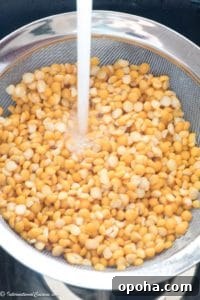
Rinse the yellow split peas and soak if required by the package.

-
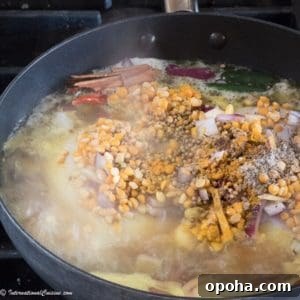
In a large pot or wok, add the water and chicken pieces and bring to medium-high heat.
-
Add the split peas, onion, garlic, ginger, turmeric, chilies, cardamom, chicken bouillon, cinnamon, coriander seeds, cumin seeds, salt and pepper. Mix, bring to a boil, then reduce heat to a simmer and cook about 45 minutes.
-
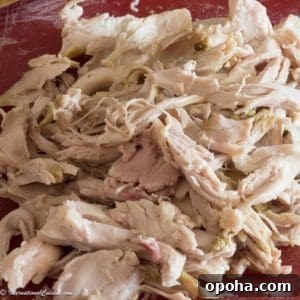
Remove the chicken to debone and shred it with two forks, then return the shredded meat to the pot. Continue cooking until the split peas are tender. Turn off the heat and remove the cinnamon sticks.
-
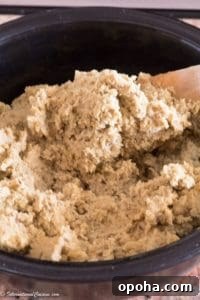
Using a mortar and pestle or a food processor, pound or pulse the mixture in batches until smooth. Transfer to a bowl and stir in the fresh coriander and optional mint. Add extra chopped green chilies if you prefer more heat.
-
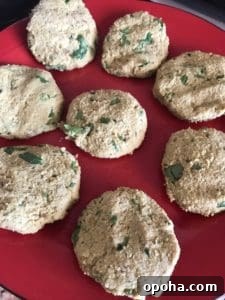
With clean hands, take a small handful (about golf-ball size), roll into a ball and flatten into a patty. Place patties on a plate and repeat with remaining mixture.
-
Whisk the eggs in a bowl large enough to dip the kababs.
-
Heat oil in a frying pan over medium-high heat. Dip each kabab in the beaten egg and fry a few minutes per side until golden brown. Drain on paper towels to remove excess oil.
-
Serve hot with ketchup or the green chutney.
For the green chutney
-
Combine the coriander, water, garlic and green chilies in a food processor or blender and blend until smooth. Transfer to a bowl and stir in the yogurt. Adjust salt to taste and serve with the hot kababs.