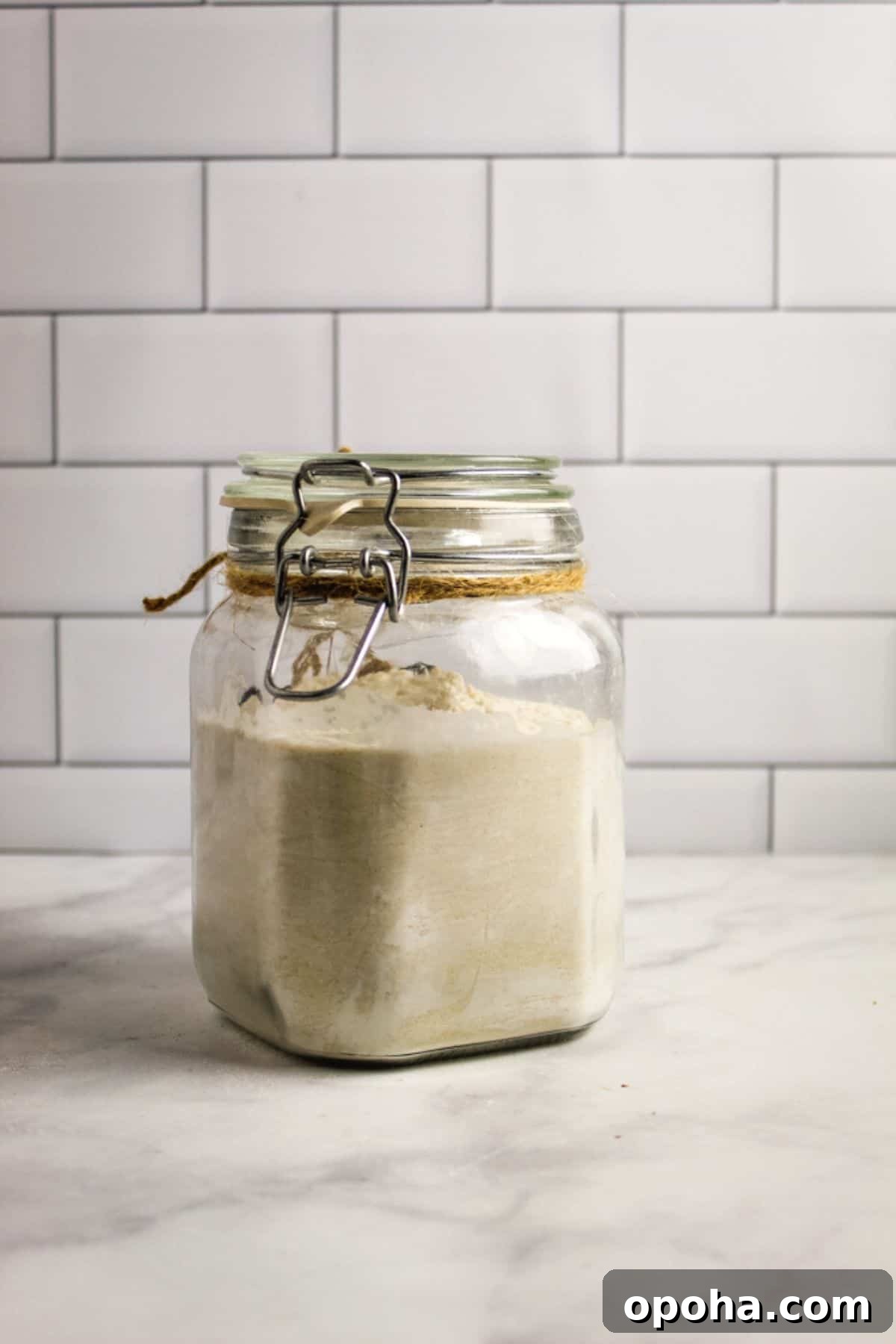
Flour is a cornerstone of baking, yet many of us don’t think about how to store flour long term until we discover an off batch. Using expired or rancid flour affects the flavor and texture of baked goods and can invite insect infestations. Below is a clear guide to flour shelf life, long-term storage methods, and signs of spoilage to help you keep your flour fresh and usable.
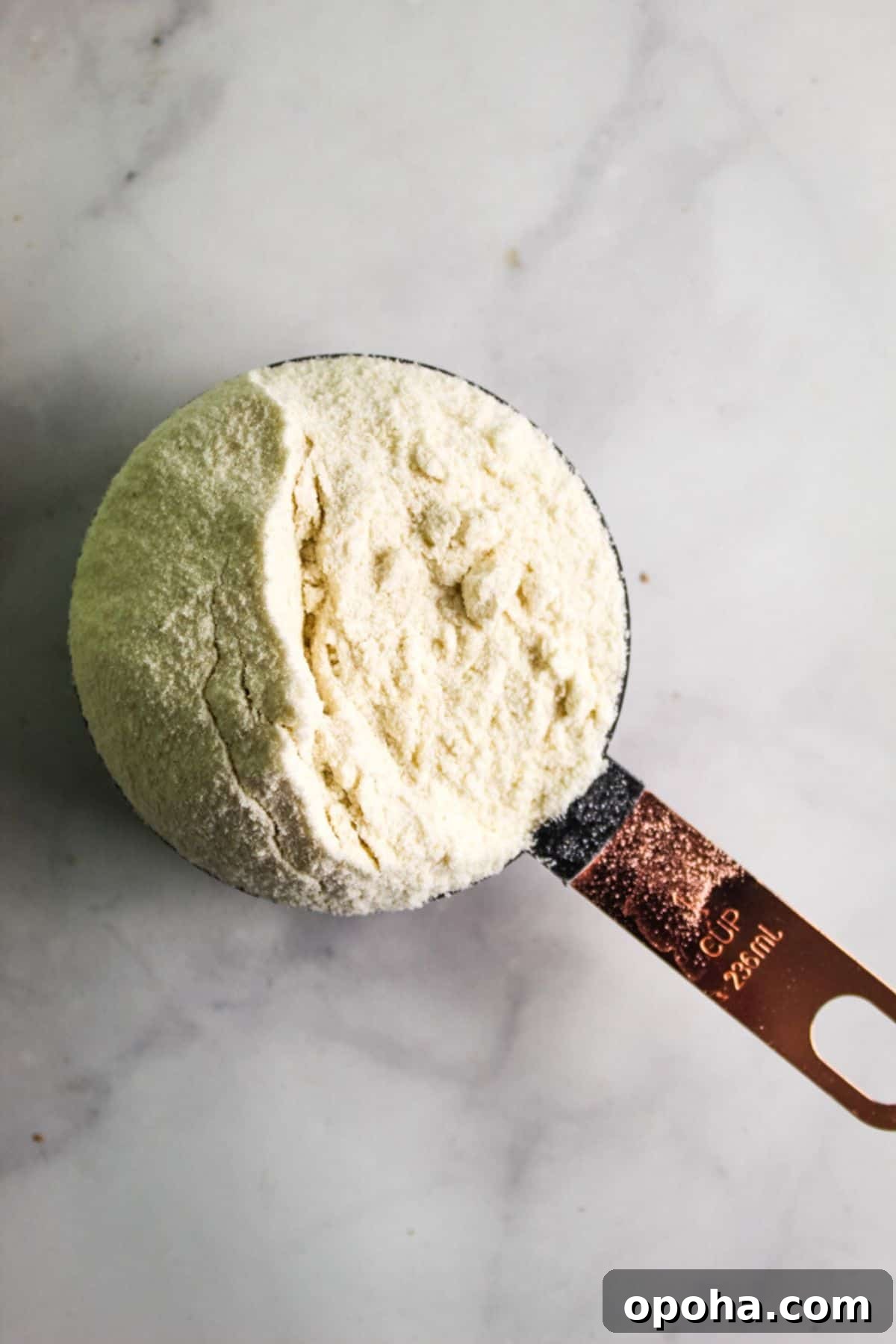
Poor storage reduces baking performance and increases the risk of insect eggs or infestation. To avoid this, learn the typical shelf life of different flours, the best storage options for short- and long-term use, and how to spot spoilage before it ruins a recipe.
Table of Contents
Find more gluten free baking tips on xanthan gum replacements, brown rice flour alternatives, and arrowroot flour substitutes.
How to Store Flour Long Term: Key Take-Aways
Effective flour storage depends mainly on two factors:
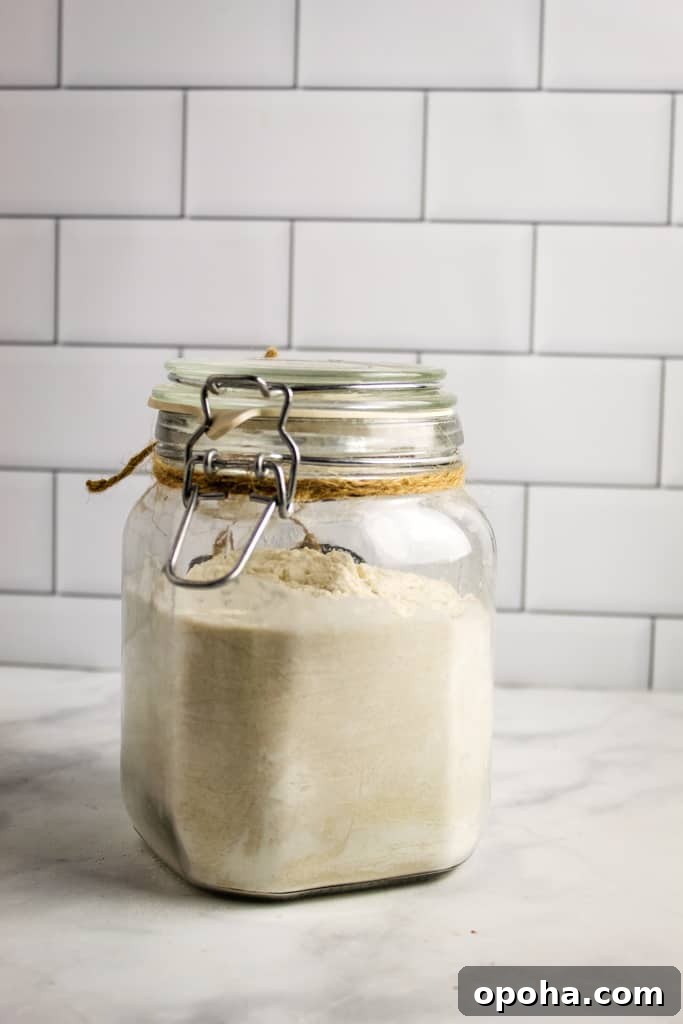
Storage container: Airtight containers—glass jars (like mason jars), food-grade canisters, vacuum-sealed bags, mylar bags with oxygen absorbers, or the original sealed packaging—make the biggest difference. Any airtight, moisture-resistant container stored in a cool, dry place will extend flour life.
Length of time: If you’ll use the flour within a month, a sealed plastic container or original bag is usually fine. For storage of several months to years, use durable airtight containers, mylar with oxygen absorbers, or freeze the flour to maintain quality.
How Long Does Flour Last?
Generally, most flours last between roughly 3 and 8 months under typical pantry conditions. Actual shelf life varies with:
- Storage container: Choose an airtight container with a tight-fitting lid suitable for the length of storage.
- Storage area temperature: Room temperature, refrigerator, or freezer—each affects how long flour stays fresh. See the chart below for more detail by flour type.
- Type of flour: Whole-grain and nut-based flours contain more natural oils and spoil faster than refined white flours.
Flour Storage Containers & Storage Area Temperature
Storage options and considerations:
- Airtight canisters: Food-grade glass or BPA-free plastic canisters with tight lids keep bugs out and are convenient for scooping and measuring.
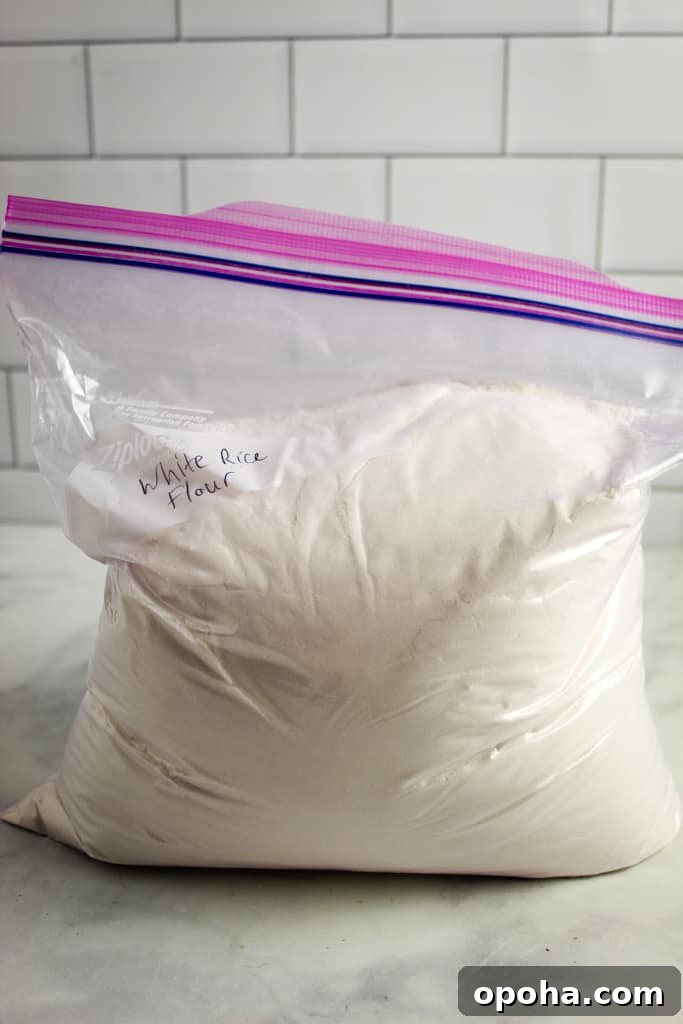
- Large plastic bags: Resealable freezer bags can work if they truly seal and are checked for holes—better for short-term storage.
- Tin containers: Food-grade tins with sealed lids can be effective if designed for dry food storage.
- Original packaging: Fine for small amounts if the bag remains sealed; transfer to a sturdier container for bulk quantities.
- Mylar bags with oxygen absorbers: Best for long-term storage—when sealed correctly, they block air and moisture and greatly extend shelf life.
A cool, dark pantry is fine for routine storage, but refrigeration or freezing is recommended for bulk purchases or flours high in oil (e.g., nut flours). Freezing preserves freshness for the longest time when using proper freezer-safe containers.
Types of Flour
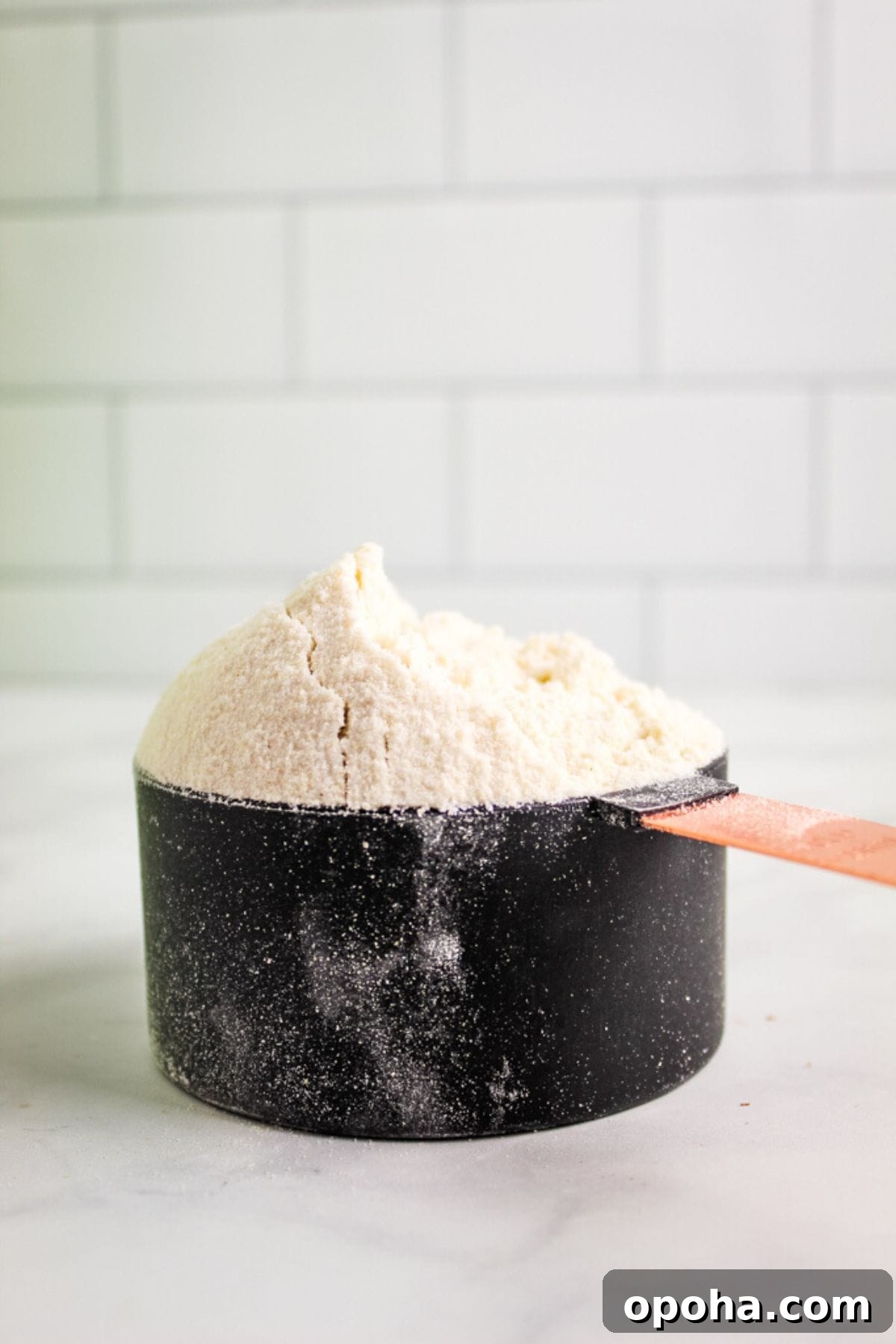
Flour is made by milling grains, legumes, nuts, seeds, or vegetables into a powder: common sources include wheat, rice, barley, rye, and maize. Whole-grain flours, white (refined) flours, and specialty flours (almond, coconut, tapioca, potato) each have distinct storage profiles.
Whole-grain and nut flours spoil faster because they retain more natural oils. Gluten-free blends often combine several flours and may have varying shelf lives depending on ingredients.
Because oil content accelerates rancidity, store whole-grain and nut-based flours in the refrigerator or freezer for longer shelf life.
Chart on Shelf Life of Flour
The table below provides general guidelines for how long common flours remain fresh in the pantry, fridge, or freezer. Use this as a reference—actual times vary with conditions and packaging.
| Type of Flour | Pantry (50 to 70°F) | Fridge (≤ 40°F) | Freezer (0°F) |
|---|---|---|---|
| Amaranth | Two months | 6–8 months | Two years |
| Barley | Three months | 6–8 months | Two years |
| Brown rice | Three months | 8–9 months | Two years |
| Buckwheat | One month | 6–8 months | Two years |
| GF flour mixes | 1–3 months | 4–6 months | Two years |
| Millet | One month | 4–6 months | Two years |
| Oats | Two months | 6–8 months | Two years |
| Quinoa | Two months | 4–6 months | Two years |
| Rye | Three months | 4–6 months | Two years |
| Sorghum | Two months | 4–6 months | Two years |
| Teff | Two months | 4–6 months | Two years |
| Almond | Three months | 4–6 months | Two years |
| Coconut | Three months | 4–6 months | Two years |
| White rice | Three months | 8–9 months | Two years |
| Starches | One year | One year | Two years |
How to Properly Store Your Flour
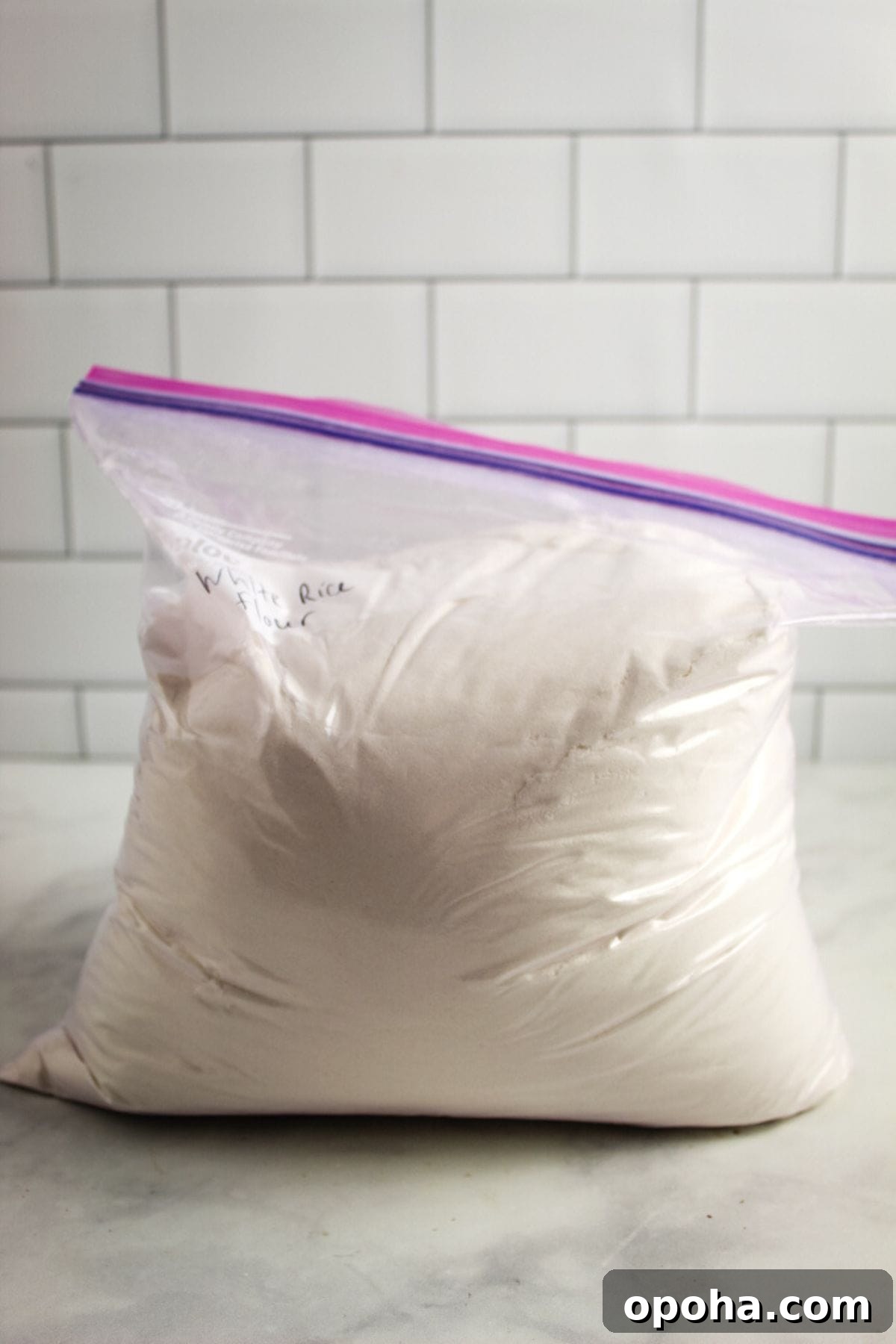
For bulk flour you won’t use immediately, transfer the flour to airtight, moisture-proof containers. If freezing, use freezer-safe containers or heavy-duty freezer bags to avoid freezer burn and moisture ingress.
Helpful conversions for planning storage space:
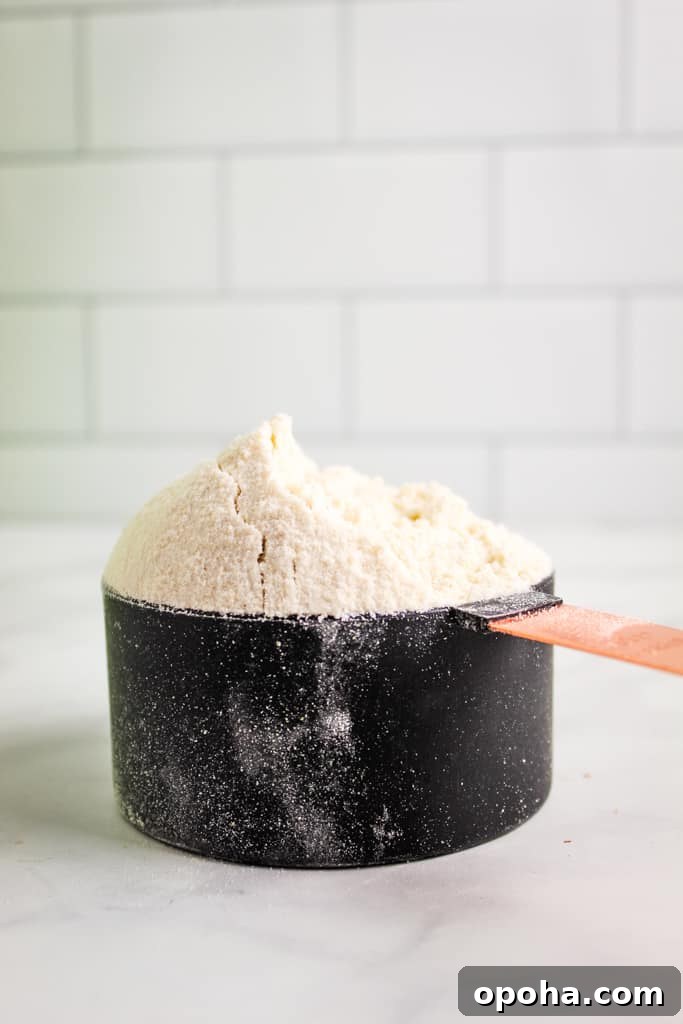
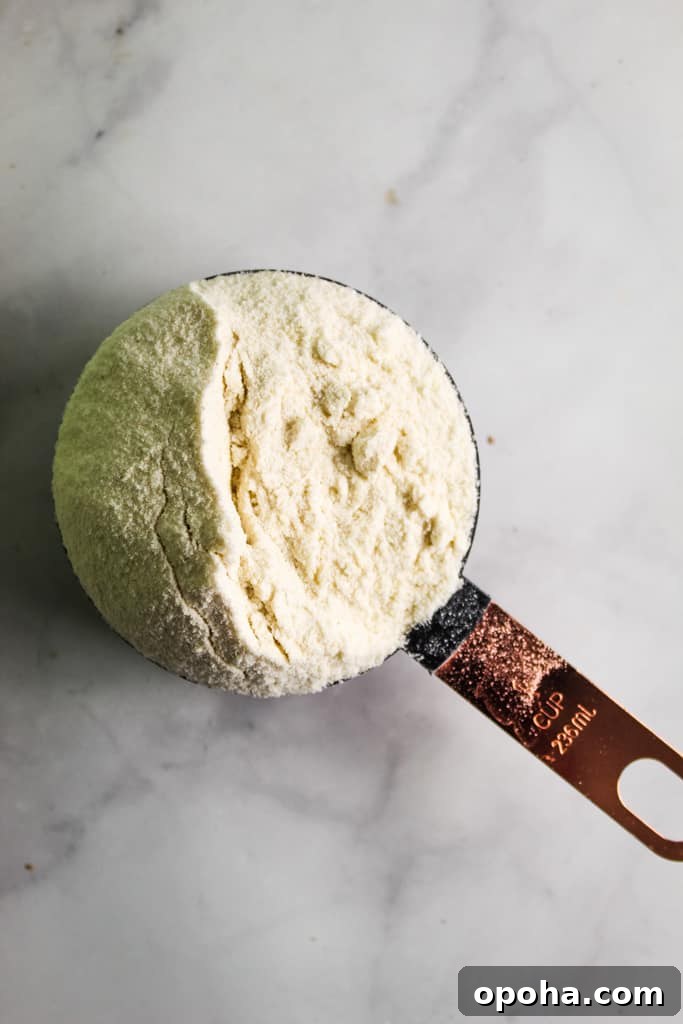
- 1 pound (454–520 g) flour ≈ 4 cups
- 5 pounds flour ≈ 20 cups
- 10 pounds flour ≈ 40 cups
Label containers with the flour type and best-by or storage date, and avoid mixing old and new flour in the same container. Keep separate sealed containers for different flours to maintain quality and traceability.
Note on Keeping Flour Fresh
A bay leaf placed inside a flour container can help deter pantry pests—bay leaves are a natural insect repellent—but they aren’t a substitute for airtight storage.
Signs that Your Flour is Rancid
Flour spoils primarily from exposure to air, moisture, or insects. Watch for these signs of spoilage:
Mold: A musty or unpleasant odor may indicate mold even if you can’t see visible growth.
Insects: Non-airtight containers can invite weevils and other pantry pests. Insect eggs can already be present in purchased flour and will develop if conditions allow.
Oxidation: Nut and whole-grain flours contain oils that oxidize when exposed to air, producing a rancid smell and bitter taste.
If flour smells sour, musty, or otherwise off, shows discoloration, visible mold, or contains insects, discard it.
Tips When Handling Flour
Remember that flour is a raw, milled product and can carry bacteria. Follow these safety practices:
- Follow package directions for cooking times and temperatures to ensure safety.
- Refrigerate or freeze dough only as directed by recipes or manufacturers.
- Store raw ingredients separately from ready-to-eat foods.
- Wash hands thoroughly after handling flour or dough.
- Clean utensils, pans, and work surfaces with warm soapy water after use.
- Do not eat raw cookie dough or batter that contains uncooked flour.
- Dispose of recalled flour products as instructed.
- Keep children from playing with raw dough to avoid ingestion risks.
Storing Flour FAQs
In many cases, using slightly old flour won’t cause illness, but flour contaminated with mycotoxins or heavy mold growth can make you sick. If you suspect contamination, discard the flour and consult a healthcare provider if symptoms occur.
No—avoid using flour that smells musty, sour, or rancid, or shows mold or insect infestation. These changes indicate spoilage and will affect flavor and safety.
Yes—if the bags are airtight and moisture-proof. For longer storage, double-bag and place in the freezer or use a sturdier container to prevent punctures.
If the flour is free of mold and pests but not suitable for baking, it can be reused for non-food purposes such as homemade paste, fabric starch, or some cleaning tasks. Avoid using flour with mold or insects; composting is acceptable if pests are not present.
Rancid flour tastes sour, musty, or bitter, and will negatively affect the flavor and texture of baked goods. Always smell and inspect flour before use.
Yes—uninfested expired flour can go into compost. If it contains insects, freeze it for at least 24 hours first to kill pests before adding to compost.
More Help on Flours!
- 50 Terms You’ve Got to Know in Gluten-Free Baking
- 6 of the Best Types of Gluten-Free Sandwich Bread
- Gluten Free Flours
- The Best Whole Grain Gluten Free Bread Recipe
- Gluten Free Rice Flour White Bread for the Bread Machine