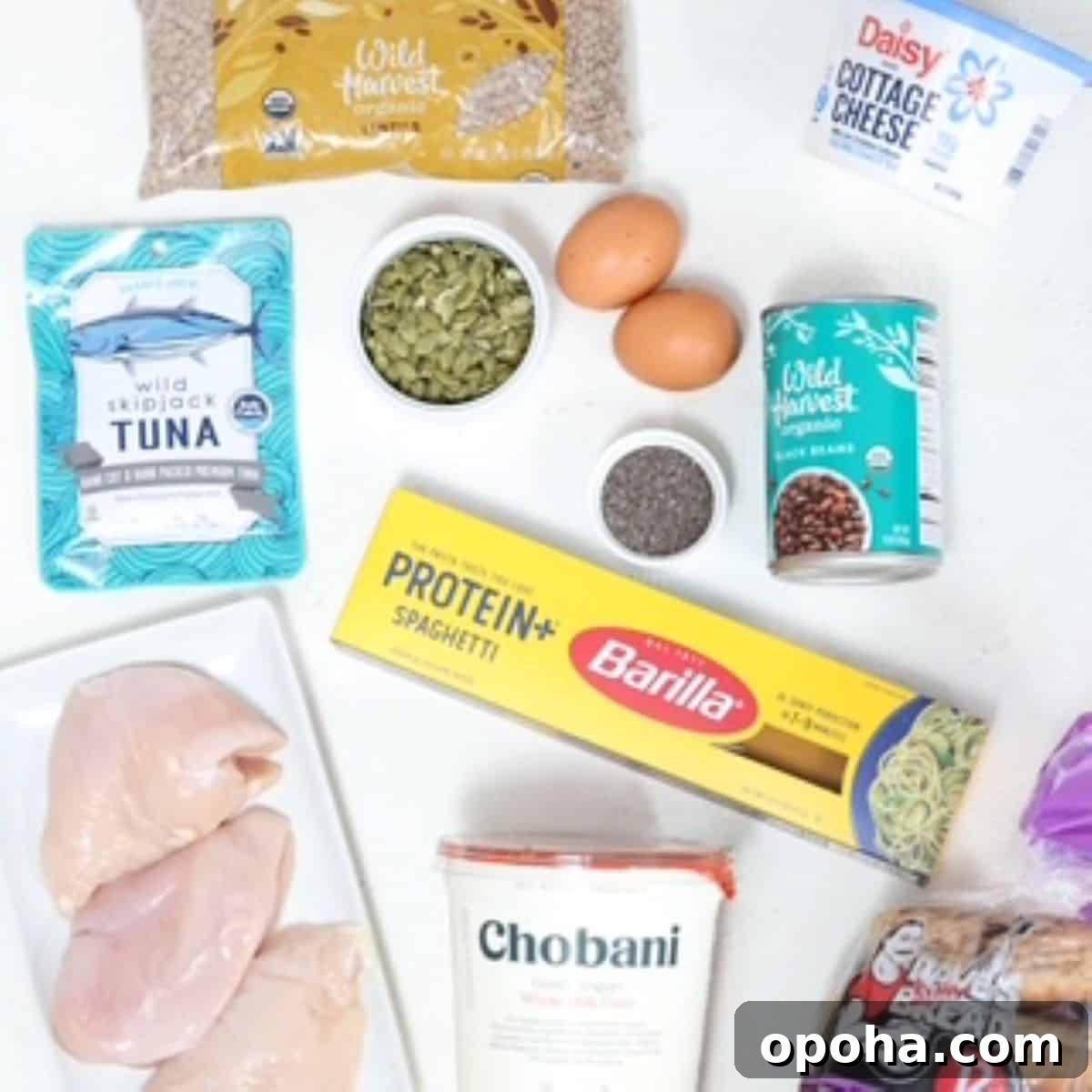
“What is protein?” “Why is Protein Important?” “What foods are high in protein?” Have questions about protein? Great! I’m a Registered Dietitian and I have the answers!
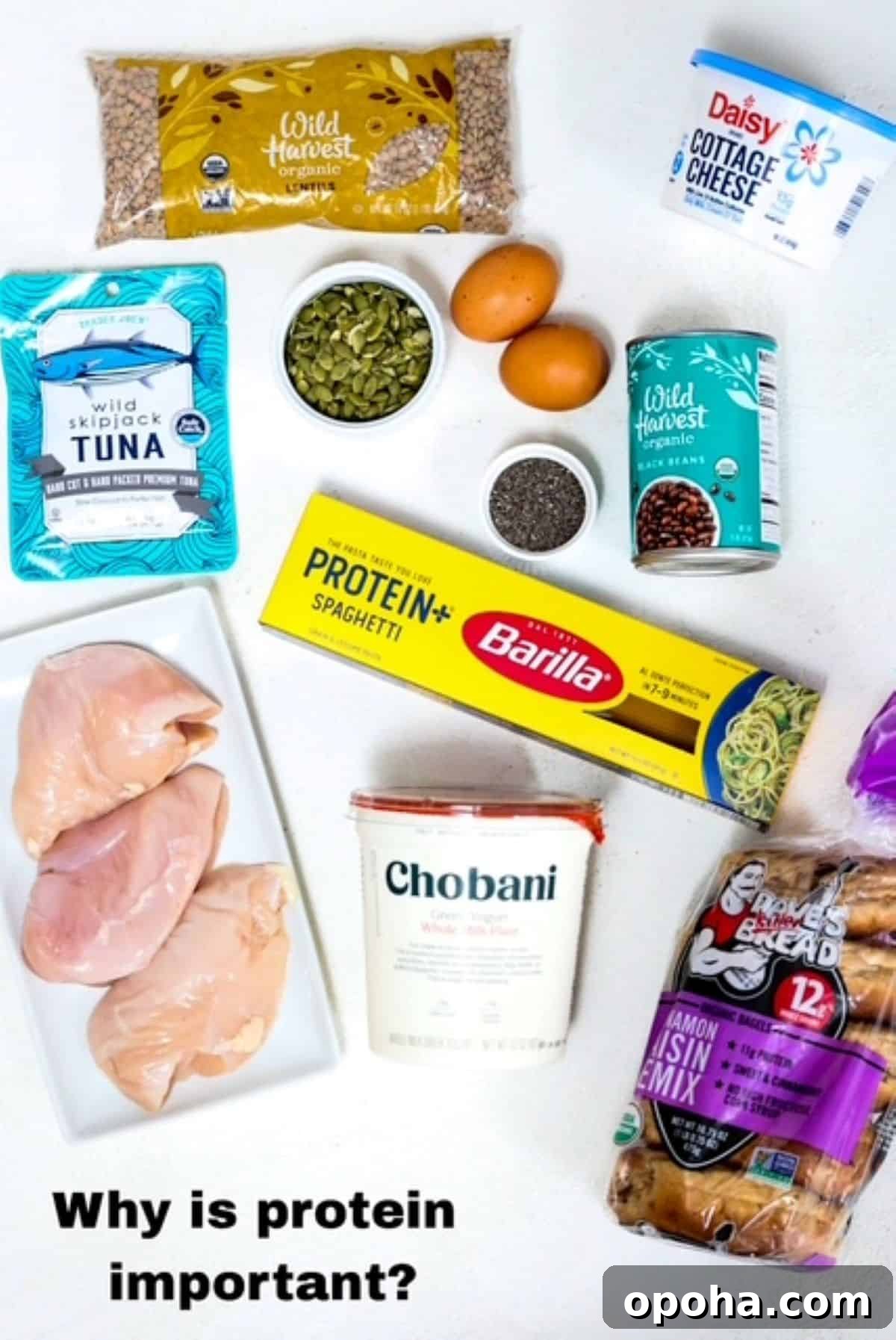
With so much attention on protein, here are straightforward, reliable answers to common questions from a registered dietitian.
What is Protein?
Proteins are large, complex molecules built from amino acids that are essential for health. Along with carbohydrates and fats, protein provides energy—about 4 Calories per gram (g)—and serves many structural and functional roles in the body.
Why is Protein Important?
Protein does far more than support muscle. It contributes to structural support for tissues like ligaments and bone, helps form hormones, supports cellular transport systems, and plays a role in immune function.
Including protein with meals also promotes satiety—helping you feel full longer—especially when combined with fiber and healthy fats.
Dietitian Tip
Small swaps in recipes can boost protein easily. For example, use bone broth instead of regular broth to add about 6 grams of protein per cup, or choose higher-protein pasta varieties to add a few extra grams per serving.
Protein-Rich Foods
Below is a concise list of commonly eaten foods that are good sources of protein and approximate amounts. I use g for grams and oz for ounces to keep it simple.
|
Cooked Chicken |
6–9 g per oz |
Edamame |
18 g per cup |
|
Turkey |
8 g per oz |
Tofu |
4–15 g per 100 g |
|
Seafood (salmon, shrimp, cod, tuna) |
6–8 g per oz |
Tempeh |
18 g per 3 oz |
|
Cooked Beef |
5–8 g per oz |
Chia Seeds |
6 g per 2 tbsp |
|
Cooked Pork |
6–8 g per oz |
Hemp Hearts |
10 g per 3 tbsp |
|
Cow’s Milk |
8 g per 8 oz (one cup) |
Oats |
5 g per half cup |
|
Soy Milk |
7 g per 8 oz (one cup) |
Flax Meal |
3 g per 2 tbsp |
|
Yogurt |
6 g per 3/4 cup |
Bone Broth |
8–10 g per cup |
|
Plain Greek Yogurt |
15 g per 3/4 cup |
Whole Grain Bread & Bagels |
3–11 g per serving |
|
Kefir |
7–10 g per cup |
Peanut Butter |
7–8 g per 2 tbsp |
|
Skyr (Icelandic yogurt) |
12–15 g per half cup |
Almond Butter |
7 g per 2 tbsp |
|
Cottage Cheese |
13 g per half cup |
Eggs |
5–7 g per egg |
|
Beans |
7–8 g per half cup |
Cooked Peas |
8 g per cup |
Plant vs Animal Protein
Plant protein comes from sources such as soy products, beans, lentils, whole grains, nuts, and seeds. The quality and amino acid profile of plant proteins can vary.
Animal protein includes eggs, dairy, meat, poultry, and fish. Animal sources tend to provide complete amino acid profiles and can be particularly effective for building or maintaining lean mass.
Eating a variety of protein sources helps ensure you get a broad range of nutrients in addition to protein.
Easy Ways to Increase Protein Intake
- Smoothies — Add tofu, milk, yogurt, chia, hemp hearts, or nut butters to boost protein without relying solely on powder.
- Milk Choice — Cow’s milk and soy milk typically contain more protein than almond or oat milk.
- Whole Grains — Whole-grain breads and pastas usually provide more protein and fiber than refined versions.
- Greek Yogurt — Choose Greek or strained yogurt for higher protein; use plain Greek yogurt in place of mayo or sour cream in recipes.
- Protein Powder — A convenient option to add protein to smoothies, oatmeal, or baked goods when needed.
- Protein Bars — Store-bought or homemade bars can be handy for on-the-go protein.
- Seafood — Quick-cooking and versatile: canned tuna, frozen salmon, and shrimp are convenient, fast options to add protein.
Helpful Tips
- Nutrition Labels — Check serving sizes and grams of protein to compare products accurately.
- Non-Perishables — Stock pantry staples like lentils, canned tuna, oats, chia seeds, and hemp hearts for reliable protein sources.
- Frozen Options — Keep frozen chicken, fish, and other proteins on hand to simplify meal planning and variety.
- Protein Powder — Useful and convenient, but not required—whole foods can meet most protein needs.
Questions You May Have
Protein needs vary by age, weight, health, goals, and activity level. A common general recommendation for active healthy adults ranges from about 1–2 grams of protein per kilogram (kg) of body weight per day. Children’s needs differ by age and developmental stage.
With intentional meals and snacks, reaching 100 grams is feasible. Example day: breakfast with eggs and whole-grain bread, snacks with nut butter or Greek yogurt, a chicken or tuna lunch with whole-grain bread, and a salmon or bean-based dinner with milk or a dairy side. Combining higher-protein foods across meals adds up efficiently.
While many people meet or exceed protein needs, inadequate long-term intake can impair growth, reduce muscle strength, and negatively affect immunity and overall health. Ensuring consistent, varied protein intake supports long-term well-being.
Yes. Excessive protein intake is possible, which is why a balanced diet with a variety of foods is recommended.
Related
- Why is Fiber Important?
- How to Pick a Good Pineapple
- Meals for After Wisdom Teeth Removal
- Best Protein Bars for Kids & Adults
Related Recipes
- Protein Pancakes without Protein Powder
- Acai Bowl with Protein
- Peanut Butter Protein Bars
High Protein Recipes
- Air Fryer Frozen Salmon (Easy 15-Minute Recipe)
- 20-Minute Chicken in White Sauce
- Chili with Turkey and Black Beans
- Easy Lasagna Recipe with Cottage Cheese
Did you find this post about protein helpful? Please let me know by leaving a comment below. Your feedback is appreciated!
Follow me on Instagram and Pinterest for easy recipes and nutrition tips from a Registered Dietitian.