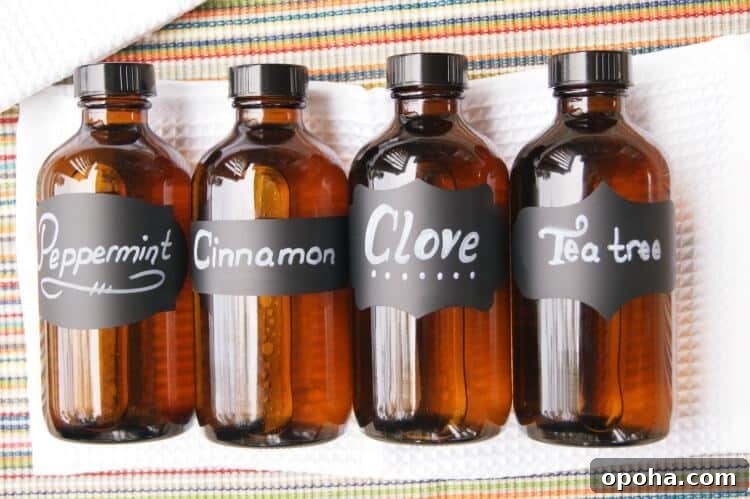
Check out four simple variations of the easiest DIY mouthwash made with essential oils. These versions help maintain oral hygiene and freshen breath naturally.
Good nutrition is important, but consistent oral care is just as essential for overall health. Gum disease has connections to systemic conditions such as heart disease and diabetes, so keeping your mouth healthy matters beyond just fresh breath.
Homemade Mouthwash for Bad Breath (2 ingredients!)
This two-ingredient mouthwash is my go-to after coffee, garlicky meals, or fermented foods. It’s fast to make, portable, and effective for quickly refreshing breath. When I don’t have time for a full oral care routine, a quick rinse with this mouthwash is a reliable way to neutralize odors between brushings.
- It’s quick and easy to prepare — just a minute to mix and you’re ready.
- I personally brush once at night to avoid over-brushing, which can wear enamel and irritate gums. Between brushes, I rely on rinsing, flossing, and mindful eating to keep my mouth healthy.
- This mouthwash is ideal for short bursts of use throughout the day: a 30-second rinse can remove strong food odors and leave your mouth feeling cleaner.
Over the years I experimented with many ingredients for homemade mouthwash — baking soda, xylitol, herbal infusions, and more. For daily convenience I pared the recipe down to a minimal, effective formula: filtered water plus essential oil. If you want extra minerals you can add a pinch of high-quality sea salt, but the essential-oil-only version is faster and still works well for everyday use.
DIY Mouthwash with Essential Oils
Rotating essential oils gives different benefits and keeps the flavor pleasant. Below are four effective essential oil choices commonly used for oral care:
Peppermint essential oil: widely used for freshening breath and effective against bacteria that thrive in low-oxygen environments like the mouth. A minty flavor also leaves a clean sensation.
Cinnamon essential oil: long appreciated for its antibacterial and antifungal properties, cinnamon oil can help reduce microbes that contribute to tooth decay and gum issues. Use sparingly if you have a sensitive mouth.
Clove essential oil: clove oil has been used traditionally for dental discomfort and has germicidal qualities. It has a very strong, spicy flavor and should be used in smaller amounts. Pregnant women should avoid clove essential oil.
Tea tree essential oil: a powerful antiseptic that targets bacteria and can help reduce plaque and odor-causing microbes. Do not ingest tea tree oil; only use it diluted for rinsing and spit thoroughly.
How to Store Homemade Mouthwash
Store your mouthwash in small, dark glass bottles (for example, 8-ounce amber or cobalt blue bottles). Small bottles encourage frequent use and reduce the chance of contamination. Glass prevents essential oils from leaching plasticizers from containers and dark glass helps protect the oils from light degradation.
Keep bottles in a cool, dry place away from direct sunlight. Because this recipe contains no preservatives, it’s best used up within about two weeks. Rinse and refill bottles after they are empty to keep the solution fresh.
DIY Herbal Mouthwash
DIY Mouthwash for Bad Breath (2 Ingredients)
Author: Anya @ Prepare & Nourish
Try four variations of this simple herbal mouthwash to suit your taste and oral care needs.
Ingredients
- 1 cup filtered water (distilled or reverse osmosis)
- 6 drops peppermint essential oil OR
- 6 drops cinnamon essential oil OR
- 4 drops clove essential oil OR
- 6 drops tea tree essential oil
Instructions
- Pour 1 cup of filtered water into an 8-ounce dark glass bottle.
- Add the chosen essential oil to the bottle. Close and shake vigorously to help disperse the oil.
- Shake gently before each use. Swish 15–30 seconds and spit. Do not swallow.
Notes
Store the mouthwash in a cool, dark place and use within two weeks. Rinse the bottle after emptying, then refill as needed. Always dilute essential oils properly and avoid swallowing the rinse. If you have pregnancy, nursing, or medical concerns, consult a healthcare provider before using essential oils orally.
Nutrition and safety information: This recipe is intended for topical oral use only. The information provided is for convenience and not a substitute for professional advice.
>>> Pin This <<<
Looking for More Easy DIYs?
Explore other simple DIY projects such as homemade lip balm, citronella eggshell candles, and soaking/sprouting mason jar lids for more practical, homemade solutions around the home.