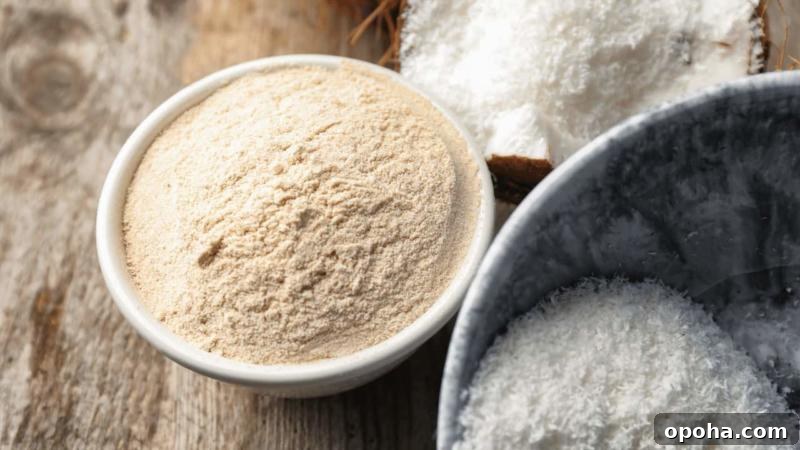
Crayfish powder is a concentrated seasoning made by drying and grinding crayfish into a fine powder. It adds a rich, savory seafood note to soups, stews, sauces, rice dishes, and many other recipes. In addition to its flavor, crayfish powder contributes nutrients such as B vitamins, protein, iron, zinc, and various amino acids, making it both a tasty and nourishing addition to meals.
Crayfish are freshwater crustaceans with a flavor profile similar to other members of the crustacean family. When crayfish powder is unavailable, there are several practical substitutes you can use—some give nearly identical results while others provide a related savory boost. You can also make your own powder at home by drying or toasting crustaceans and processing them to a fine texture.
Table of Contents
Crayfish Powder Substitute
Dried shrimp powder is the closest everyday substitute for crayfish powder. Shrimp powder closely matches crayfish in aroma and umami character, and in many recipes they can be used interchangeably. The primary biological difference is habitat: crayfish live in freshwater while shrimp occur in both freshwater and saltwater. Other suitable alternatives include lobster powder, shrimp paste, fish sauce, and, in a pinch, soy sauce—each brings a slightly different intensity and salt content, so adjust seasoning accordingly.
Shrimp Powder
Shrimp powder is one of the best substitutes because its flavor closely resembles that of crayfish. Both deliver a concentrated seafood essence and a pleasant savory depth that enhance many dishes.
The main distinction lies in their living environments: crayfish are exclusively freshwater, while shrimp may be harvested from either freshwater or saltwater sources. Saltwater shrimp naturally contain higher sodium, so if you use shrimp powder instead of crayfish powder, taste your dish and adjust added salt to avoid over-salting.
Nutritionally, shrimp powder contributes beneficial nutrients such as vitamin D, calcium, iron, protein, and magnesium, making it a healthful way to boost both flavor and nutritional value.
Lobster Powder
Crayfish are more closely related to spiny lobsters than to some shrimp species, so lobster powder can be an excellent alternative when you want a pronounced crustacean flavor. Lobster powder, sometimes sold as lobster bouillon, tends to have a stronger, more pronounced taste than crayfish powder, so use it sparingly and balance salt or other seasonings to avoid overpowering a dish.
Shrimp Paste
Shrimp paste provides a potent, savory umami and can replace crayfish powder in many recipes. Because it is a fermented, processed product, the texture and flavor profile differ from powdered forms. Shrimp paste often has an intense aroma and higher salt content; add it gradually and taste as you go to prevent an overly strong shrimp character or excessive saltiness.
Fish Sauce
Fish sauce is readily available and highly concentrated, so a small amount goes a long way. It delivers deep savory and salty notes that can mimic some of the umami qualities of crayfish powder. Because fish sauce is saltier and stronger in flavor, incorporate it cautiously—start with a little, taste, and increase only if needed to achieve the desired balance.
Soy Sauce
When no seafood-based option is available, soy sauce can be used in a pinch to add savory depth. It does not replicate seafood flavor but contributes umami and salt that can enhance a dish. For a healthier choice, select a low-sodium soy sauce and add it gradually, tasting as you go to avoid overwhelming the recipe.
Frequently Asked Questions About Crayfish Powder Substitute
What is the difference between crayfish and shrimp powder?
The primary difference is habitat: crayfish are freshwater-only while shrimp can be from freshwater or saltwater. Saltwater shrimp can impart a slightly saltier taste, so when substituting shrimp powder for crayfish powder, reduce added salt accordingly if needed.
Are there any health downsides to crayfish substitutes?
Some substitutes, like soy sauce or fish sauce, are higher in sodium and offer fewer vitamins and minerals than crayfish or shrimp powder. If you want maximum nutritional benefit, opt for powdered crustaceans rather than salt-forward liquid seasonings, and monitor overall salt intake.
Is it easy to make your own crayfish or shrimp powder?
Yes. To make your own, dry or roast cleaned crayfish or shrimp until fully dehydrated, allow them to cool, then grind them in a food processor or spice grinder to a fine powder. Homemade powder stores well in an airtight container and is a cost-effective way to add authentic seafood flavor to your cooking.
In Conclusion
Crayfish powder is a versatile seasoning that enhances many dishes with a subtle, savory seafood flavor and added nutritional value. When it is unavailable, dried shrimp powder is the best all-around substitute, offering similar taste and nutrients. Lobster powder provides a stronger crustacean flavor, while shrimp paste, fish sauce, and soy sauce can work in a pinch—each requires careful adjustment of salt and quantity to achieve the right balance. Making your own powdered crustaceans at home is simple and ensures you have a flavorful, nutritious seasoning on hand.