The fact that I can hear “A Marshmallow World” on a Target commercial as I’m writing this means the holidays are almost here — and that also means cold and flu season is upon us. When temperatures swing and people start spending more time indoors, I notice coworkers calling in sick almost every morning.
Since I committed to a real-food lifestyle, the frequency with which I catch a common cold has dropped considerably. When I do feel a sniffle coming on, it typically resolves in under 48 hours, and I haven’t used over-the-counter cold medicines in nearly two years. Removing processed foods, added sugars, and chemical additives from the diet reduces unnecessary stress on the body so the immune system can focus on fighting infection more effectively.
While a healthy diet and consistent lifestyle habits dramatically reduce the likelihood of getting sick, sometimes you need an extra boost. Here are natural, evidence-informed strategies you can use during cold and flu season to support your immune system and recover faster:
1. Follow a low-sugar, whole-food diet
High sugar intake temporarily reduces the ability of white blood cells to attack bacteria and viruses. This effect can last for several hours after a high-sugar meal. Sugar isn’t just sweets — refined and processed carbohydrates such as bagels, white pasta, and many cereals quickly turn to sugar in the bloodstream. Prioritize whole foods: lean proteins, plenty of vegetables, and healthy fats. This balance gives your immune system the nutrients it needs to work optimally.
2. Prioritize vitamin C from whole foods
Vitamin C is a powerful antioxidant that supports immune function and helps white blood cells perform effectively. Rather than relying on sugary powdered supplements marketed for colds, choose fresh sources of vitamin C: citrus, bell peppers, broccoli, kale, and other cruciferous vegetables. A warm cup of lemon tea is a comforting way to get some vitamin C while hydrating.
3. Use cod liver oil for vitamins A and D plus omega-3s
Cod liver oil provides omega-3 fatty acids as well as vitamins A and D, all of which support immune health and reduce fatigue. Many people are low in vitamin D due to limited sun exposure, and maintaining healthy vitamin D levels helps regulate immune responses. A small daily dose — a teaspoon of liquid or a standard capsule — can be a simple preventative measure during winter months.
4. Make sure magnesium levels are adequate
Magnesium plays a role in sleep, blood pressure regulation, and muscle function. Aches and soreness during illness can indicate low magnesium status. Modern diets and depleted soils mean many people do not meet recommended magnesium intake. Eat magnesium-rich foods (nuts, seeds, leafy greens, and pasture-raised meats) and consider forms like magnesium glycinate or citrate if needed and after consulting a healthcare provider.
5. Keep bone broth on hand
Bone broth is exceptionally nutrient-dense and one of the best homemade remedies to sip while recovering. It replenishes minerals and amino acids that become depleted when you’re sick, supports digestion, helps heal the gut lining, and provides collagen and gelatin that benefit skin and joint health. Having a jar of good-quality broth in the fridge or freezer can be a quick, nourishing way to support recovery.
Below is an easy slow-cooker bone broth recipe that yields a rich, gelatinous broth full of beneficial nutrients.
BONE BROTH
Ingredients
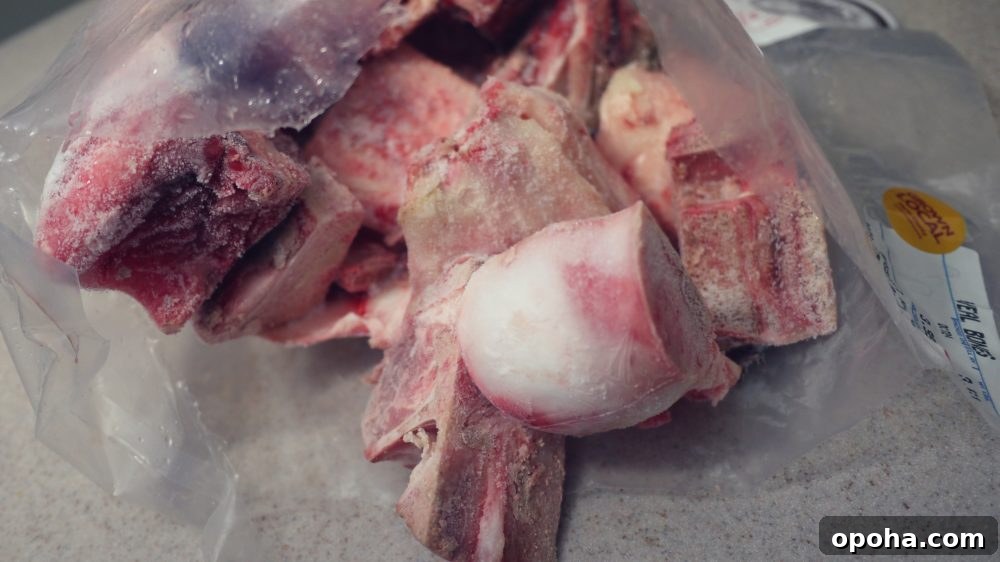
- 3–4 lb high-quality bones (beef, veal, chicken, or any animal)
- 2 stalks celery, chopped
- 2 carrots, chopped
- 1 medium onion, quartered
- 5 garlic cloves
- 1.5 tbsp organic apple cider vinegar
- Filtered water to cover
Instructions
- Place the bones (frozen or thawed) and vegetables in a 6-quart slow cooker.
- Pour apple cider vinegar over the mixture to help draw out minerals from the bones.
- Cover with filtered water up to the top of the cooker.
- Set the slow cooker to low and simmer for 12–24 hours (the longer, the better; many cooks set 24 hours).
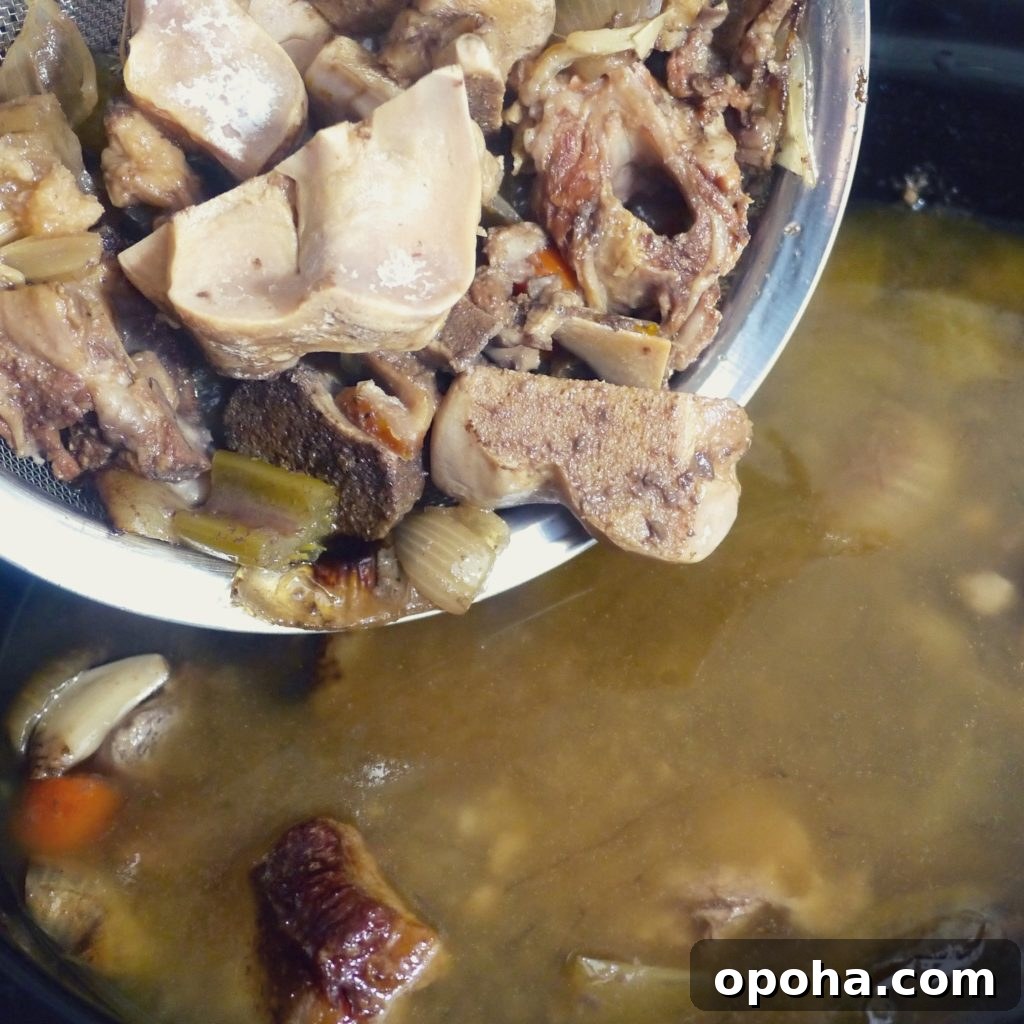
- Strain the broth, discarding the softened bones and vegetables.
- Refrigerate until the fat rises to the top and solidifies, then remove the fat (save for cooking if desired) and strain once more.
- Store the broth in the refrigerator for several days or freeze in portions for later use.
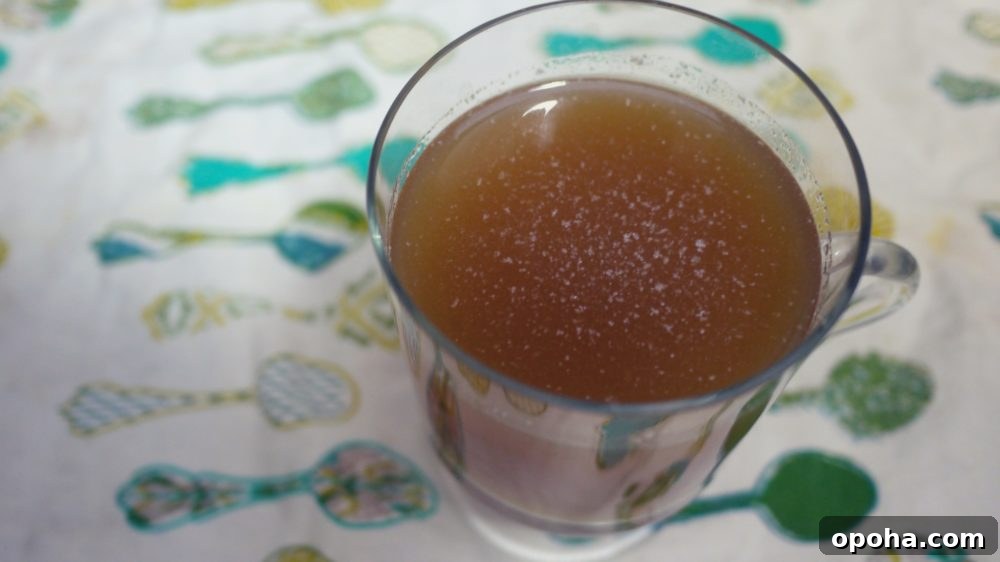
When fully cooled, the broth may appear gelatinous — that’s a good sign. The gelatin indicates a high collagen content and signals that nutrients have been extracted from the bones. Warm a cup when you need nourishment or use it as a base for soups, stews, and sauces. Homemade bone broth is far superior to most store-bought stocks in both flavor and nutrient density.
Finally, rest. It’s tempting to power through work and chores when you feel ill, but rest is essential to recovery. Pushing your body while it’s fighting an infection can prolong symptoms and increase stress, making it harder to get well quickly.
What natural remedies help you when a cold or flu hits?