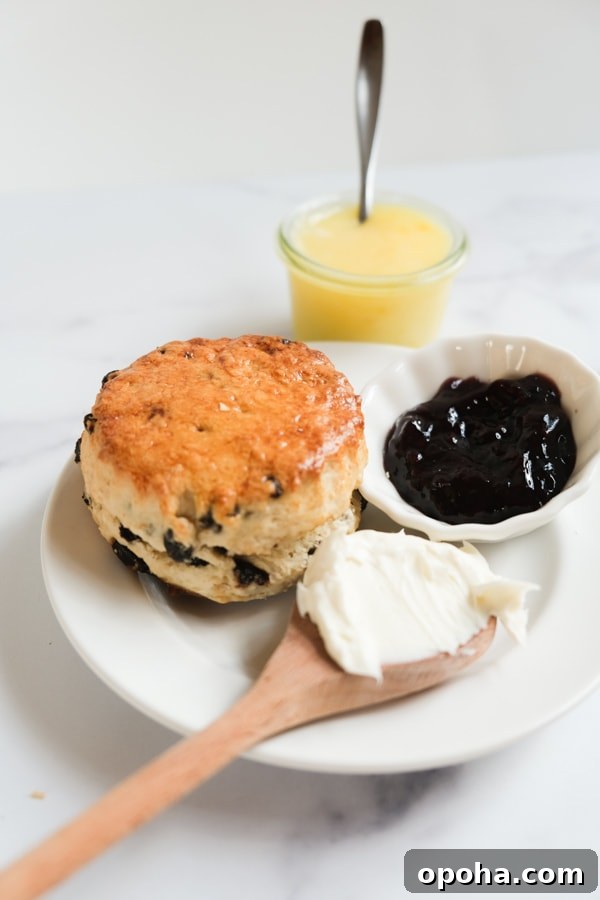
These light, fluffy scones are simple to make—with or without currants—and pair perfectly with clotted cream, lemon curd, jam or even plum butter. You only need a handful of basic ingredients to bake a batch in about 30 minutes.
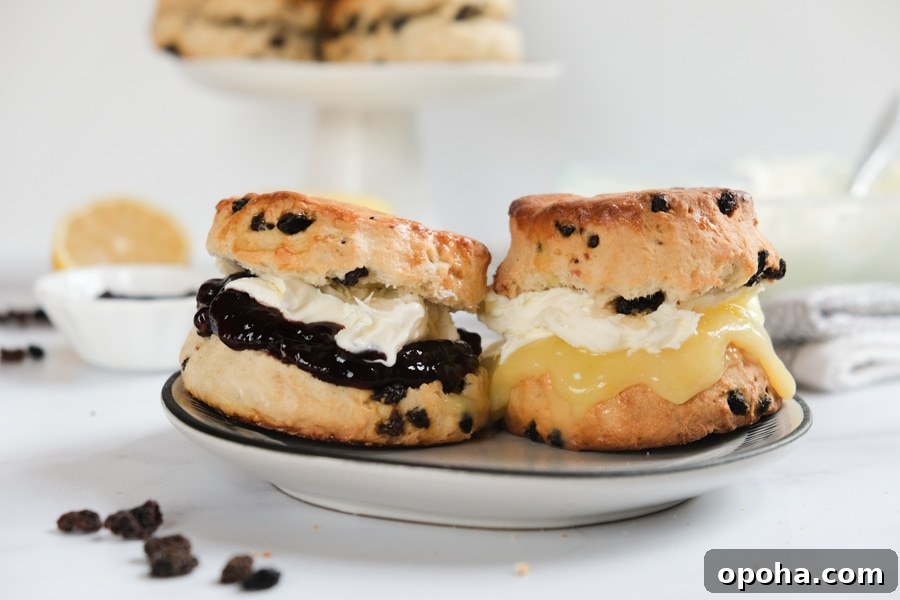
About The Recipe: Homemade Currant Scones
I didn’t grow up loving scones, but a trip to the UK changed that. Warm currant scones with clotted cream and jam quickly became one of my favorite treats. After spending time there enjoying afternoon teas, I learned how to recreate classic British scones at home and now make them whenever I want.
These scones are tender, airy and quick to prepare. Whether you stick with traditional currants or swap in raisins, nuts, cheese, dried cranberries, or keep them plain, you’ll end up with a delicious result.
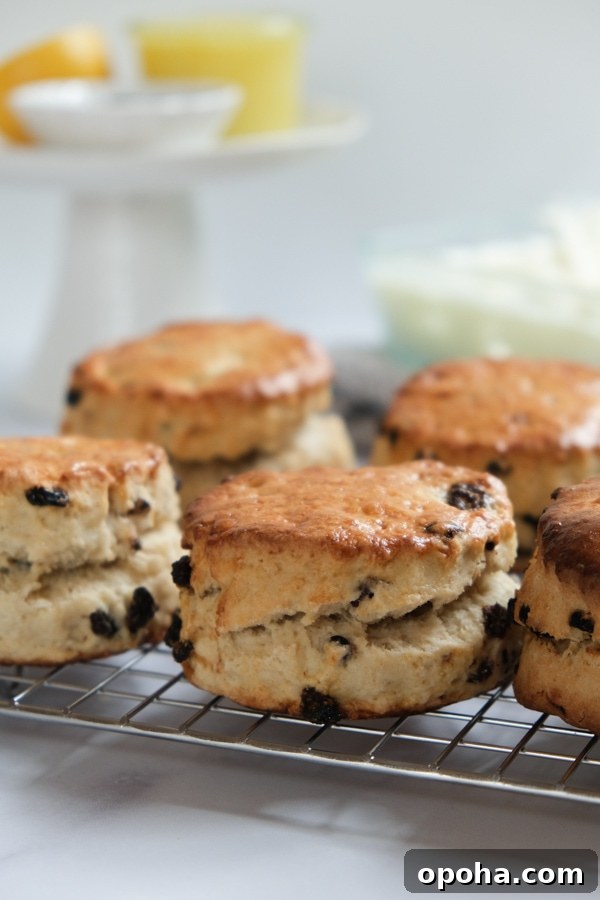
When made properly, British-style scones are different from many American scones: they tend to have less butter and sugar in the dough itself and are often served with indulgent toppings like clotted cream and jam. Mix-ins are less common in the UK, where plain, currant and cheese scones are the classics.
You’ll find both round and triangular shapes, but regardless of shape British scones have a distinct texture and flavor that’s lighter and less sweet than many American versions.
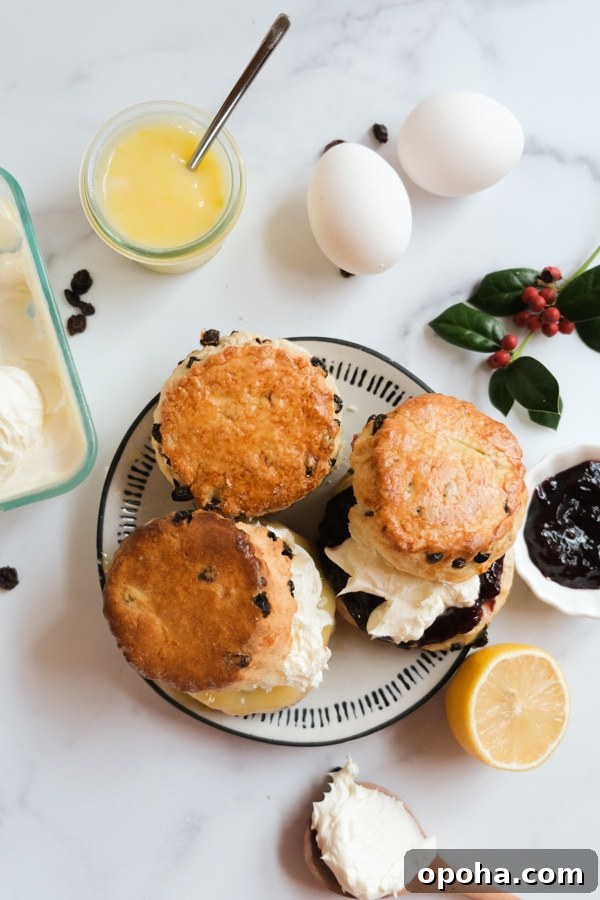
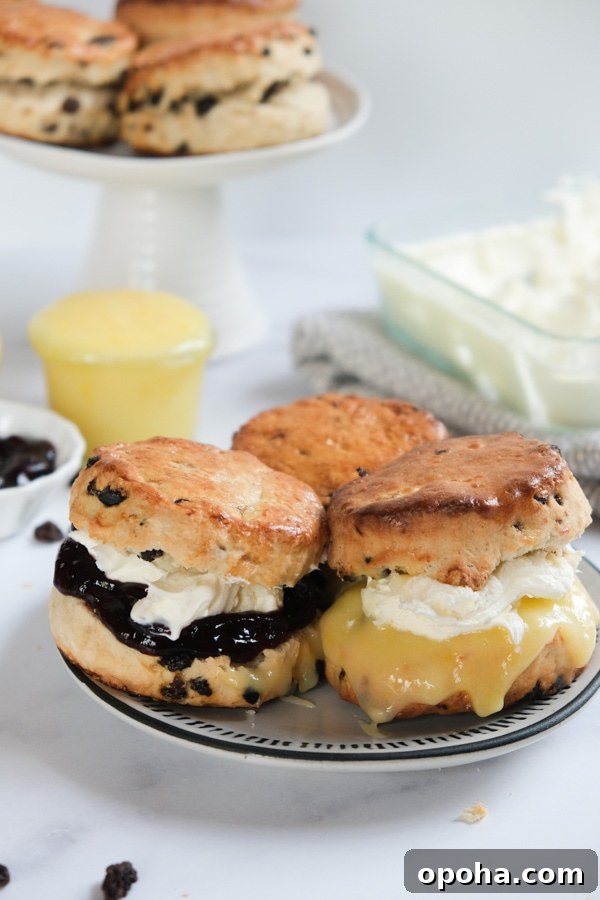
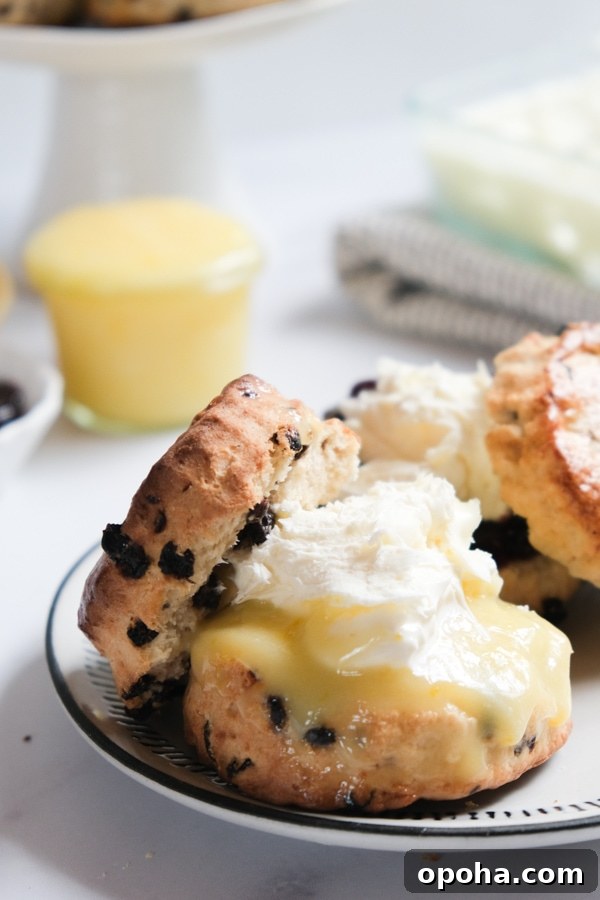
I prefer them topped with clotted cream and jam or lemon curd—simple, classic, and heavenly. These scones are versatile and suit many occasions:
- tea parties
- office gatherings
- holidays
- potlucks
- showers and birthdays
- casual afternoon tea or brunch
- dessert or anytime you’re craving scones
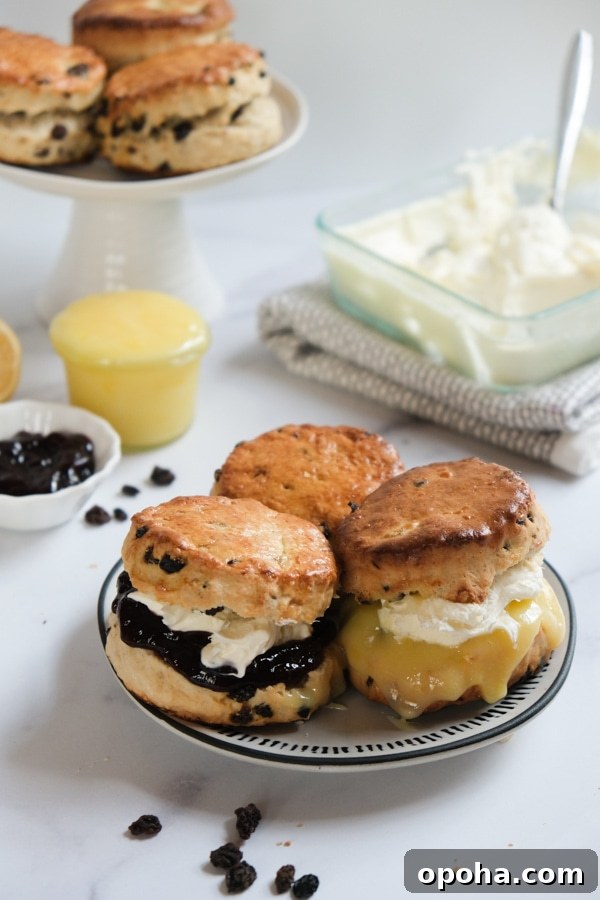
What to Put on Scones
These scones are delicious plain, but here are topping suggestions to elevate them:
- A thick layer of clotted cream
- Or homemade European-style cultured butter
- Or fresh whipped cream
- Lemon curd for bright citrus flavor
- Strawberry, raspberry or your favorite jam
- Rote Grütze or plum butter for a fruity twist
- Serve with fresh berries for contrast and color
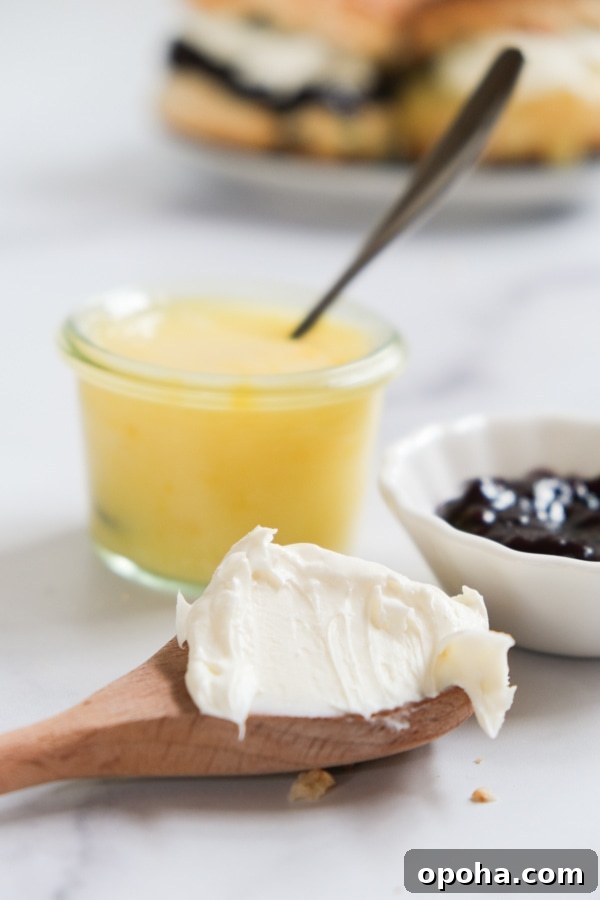
Homemade Scone Tips
1. If making clotted cream, prepare it a day ahead so it has time to cook and chill. Any leftover cream can be used in the scone dough.
2. Make butter, lemon curd, jam or other spreads a few days in advance so the scones can be served fresh the day you bake them.
3. Scones are best the day they’re made, but they keep reasonably well into the next day.
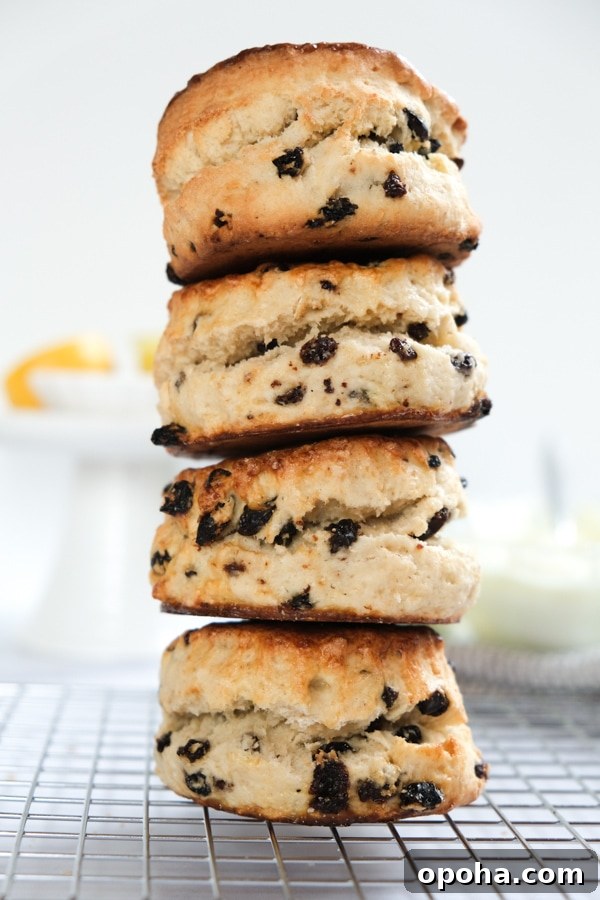
What Do I Need to Make Currant Scones?
Ingredients:
- All-purpose flour
- White sugar
- Baking powder
- Salt
- Cold unsalted butter
- Dried currants (or other mix-ins)
- Whole milk or cream
- Eggs
Equipment:
- Large mixing bowl
- Knife
- Mixing spoon or spatula
- Round cutter, jam jar or glass for cutting scones
- Baking pan lined with parchment or Silpat
- Pastry brush
- Wire cooling rack
- Serving plate and airtight container for storage
Do I Have to Use Currants?
No—currants are a favorite, but you can use any dried fruit, nuts, or grated cheese and herbs. Plain scones are also excellent.
Can I Freeze Scones?
Yes. Freeze either unbaked or baked scones. I prefer freezing unbaked scones so you can bake them fresh when needed. Freeze cut scones on a tray until firm, then transfer to a freezer bag to prevent them sticking together.
How to Make the Best British Currant Scones
Preheat the oven to 500°F (260°C). You’ll turn it down before baking, but start hot. In a large bowl whisk together flour, sugar, baking powder and salt. Cut cold butter into small pieces and rub into the flour with your fingertips until the mixture resembles coarse crumbs.
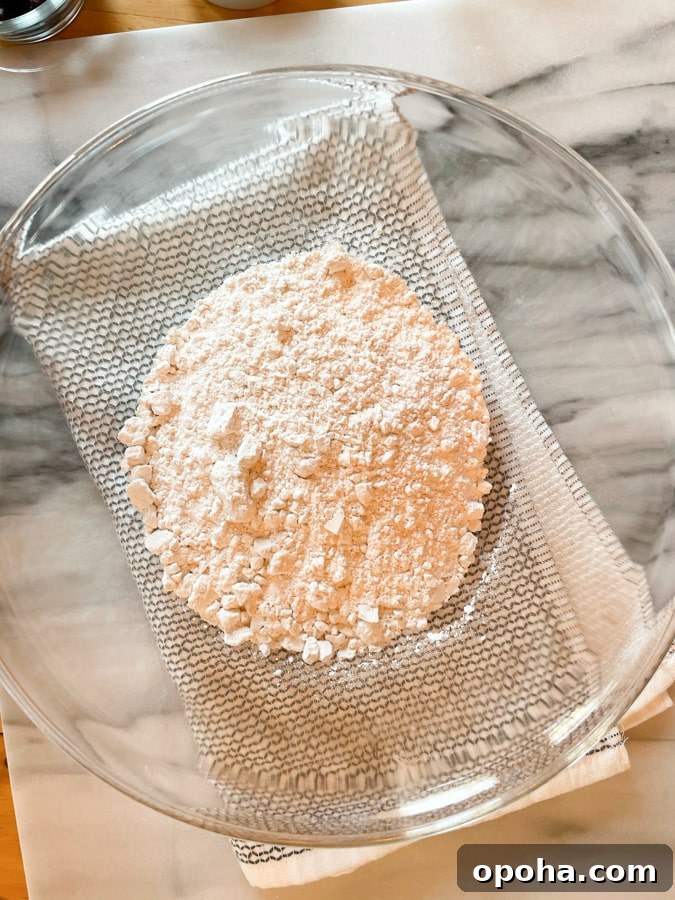
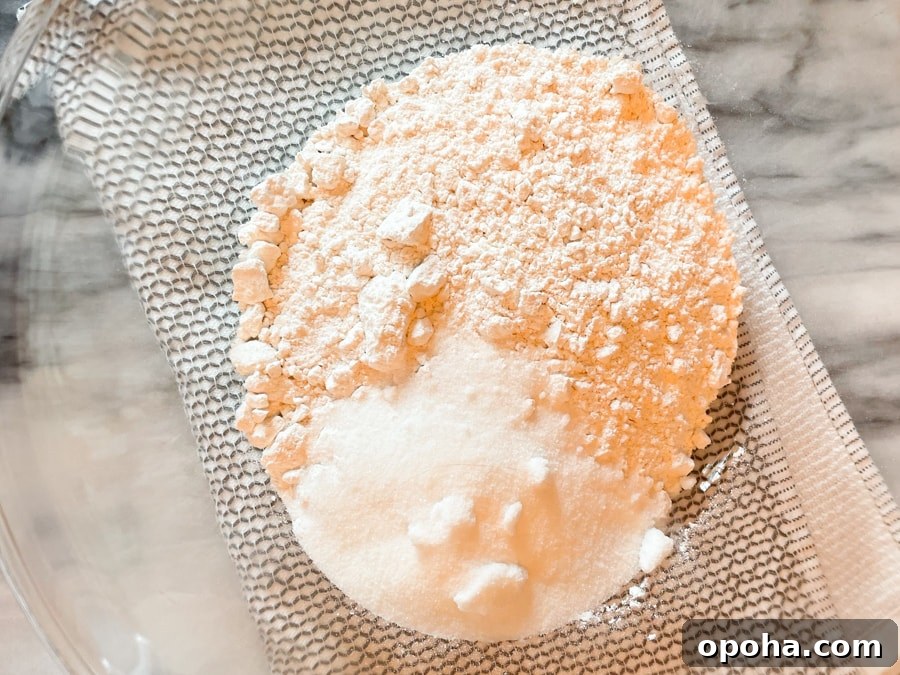
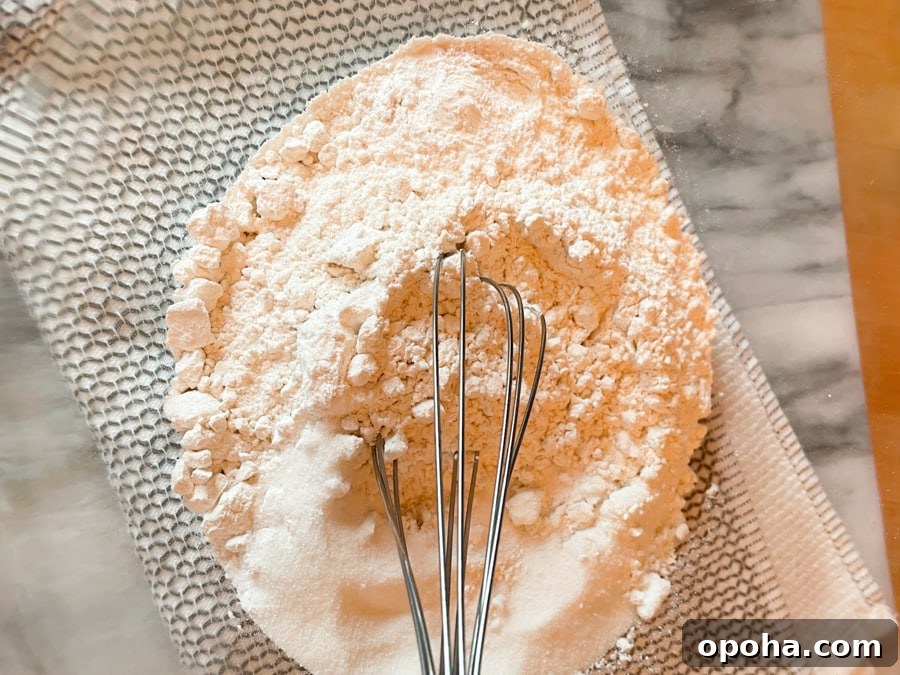
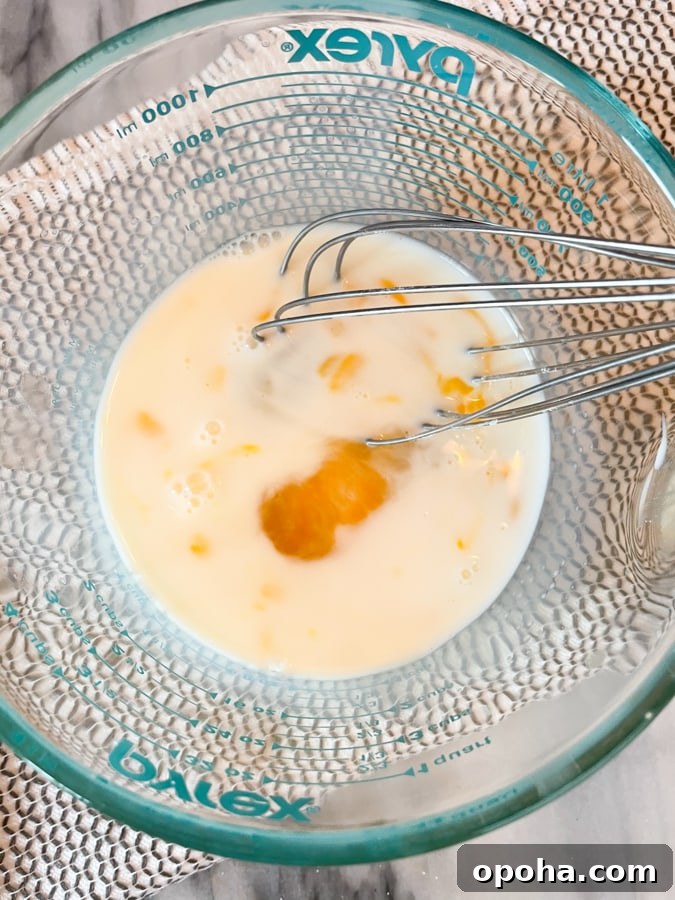
Stir in the currants or other mix-ins. In a small bowl whisk together the milk (or cream) and eggs. Add the liquid to the dry mix gradually—you may not need all of it—stirring until the dough just comes together. If the mixture becomes too wet, add a little more flour.
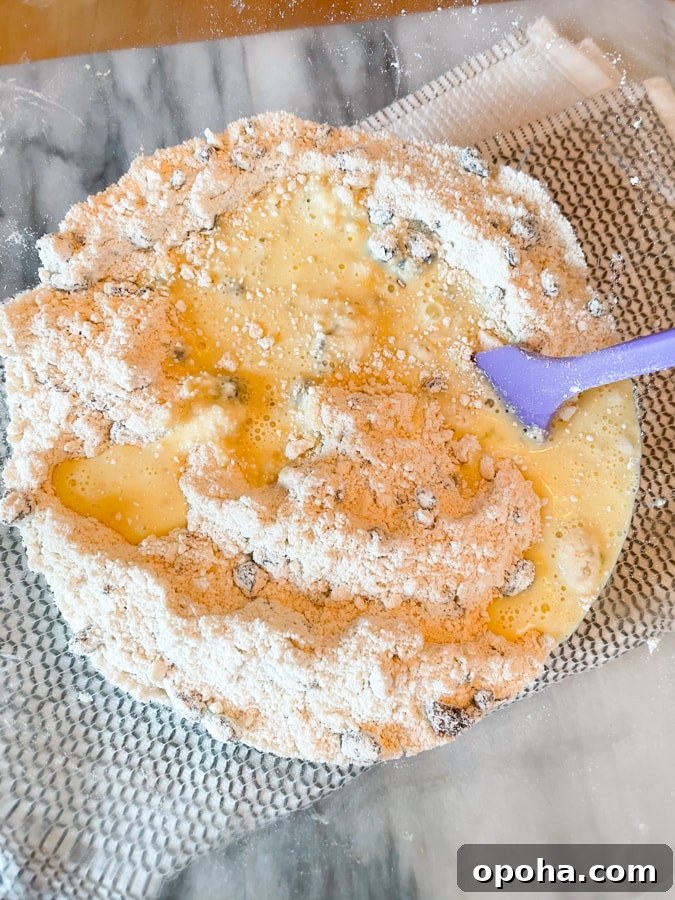
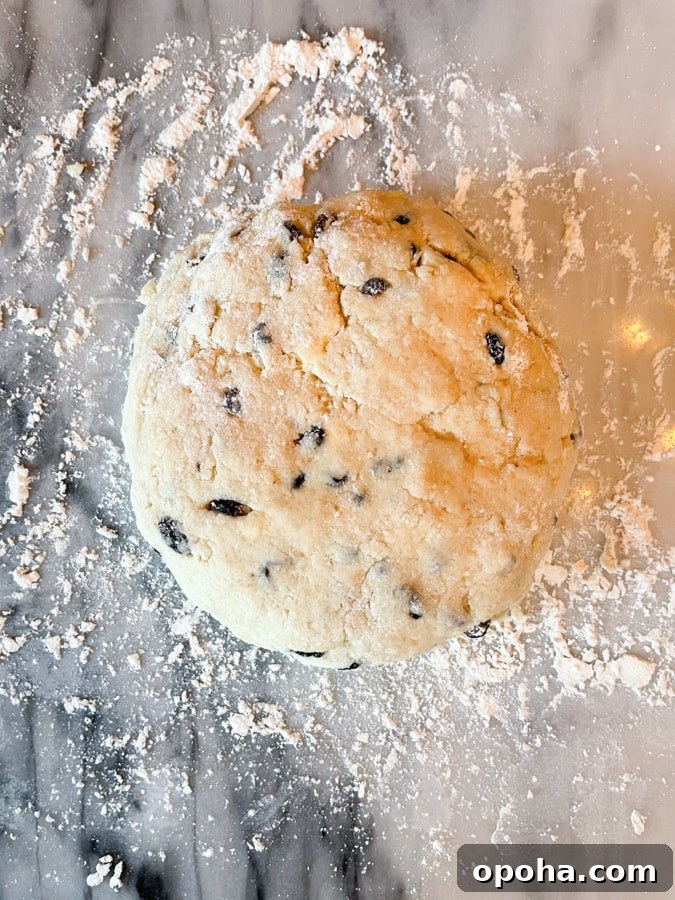
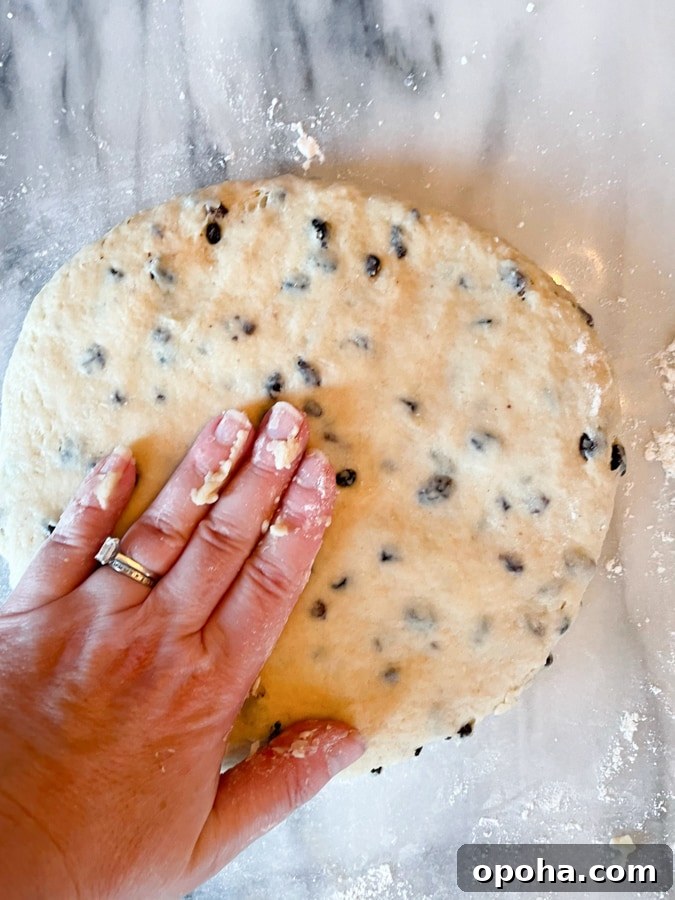
Turn the dough onto a well-floured surface and knead a few times until smooth. Pat or roll the dough to about 1 inch (25 mm) thickness. Use a fluted cutter, smooth round cutter, jar or glass to cut rounds—expect 7 to 12 scones depending on cutter size.
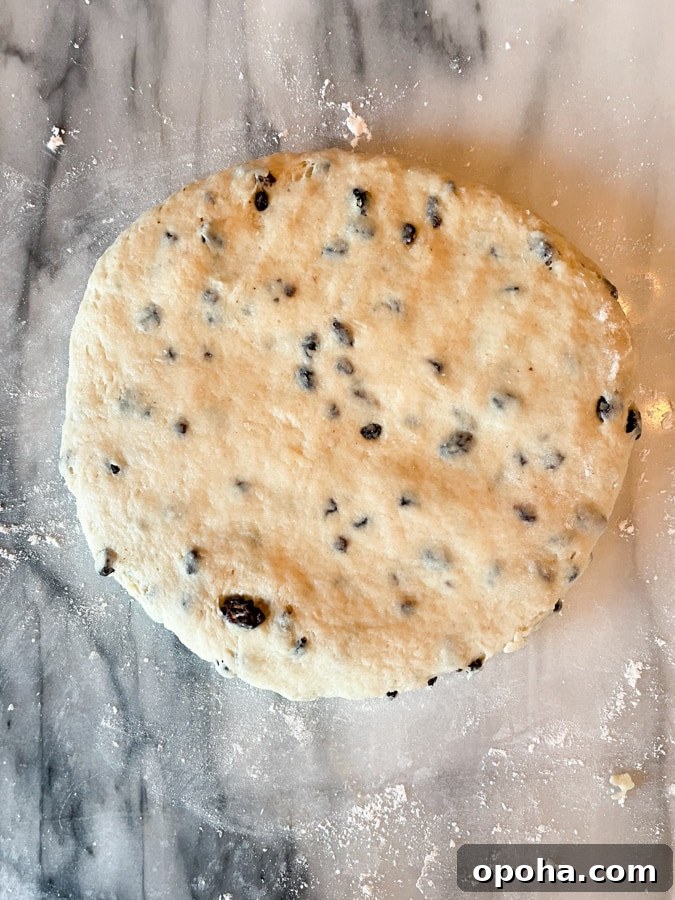
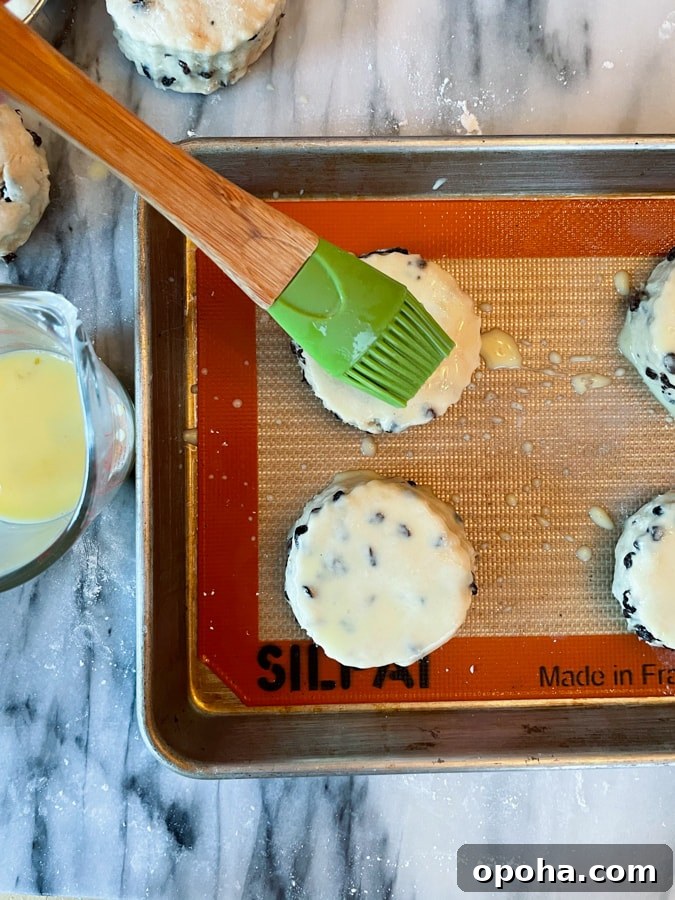
Place scones on a lined baking sheet. Gather and re-roll the scraps once or twice to cut remaining scones. Brush tops with the remaining milk-and-egg mixture or prepare a simple egg wash (1 egg plus 1 tsp milk or water) and brush the tops.
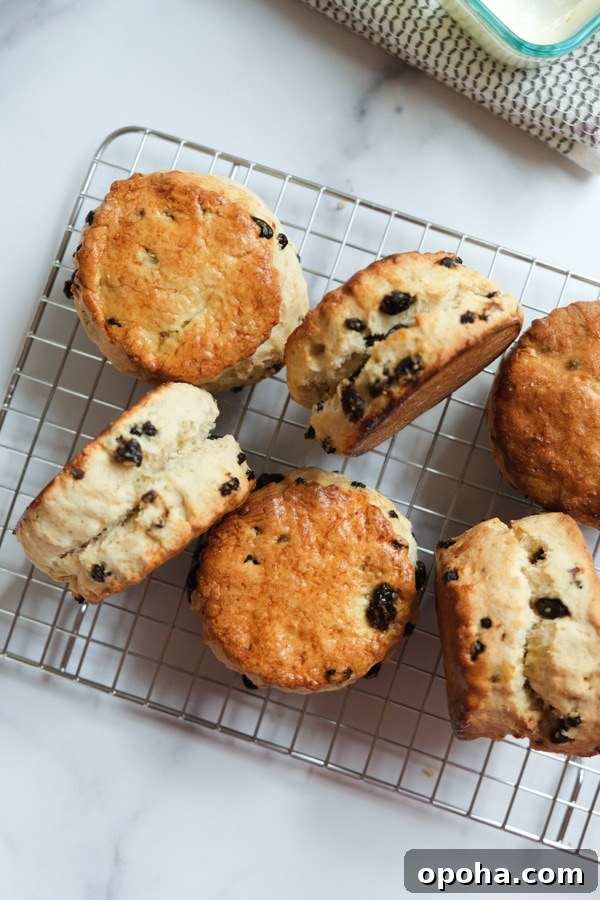
Reduce oven temperature to 425°F (215°C). Bake smaller scones 10–12 minutes and larger scones 12–15 minutes until golden. If they brown quickly on top but are not fully baked, tent loosely with foil. Cool on a wire rack.
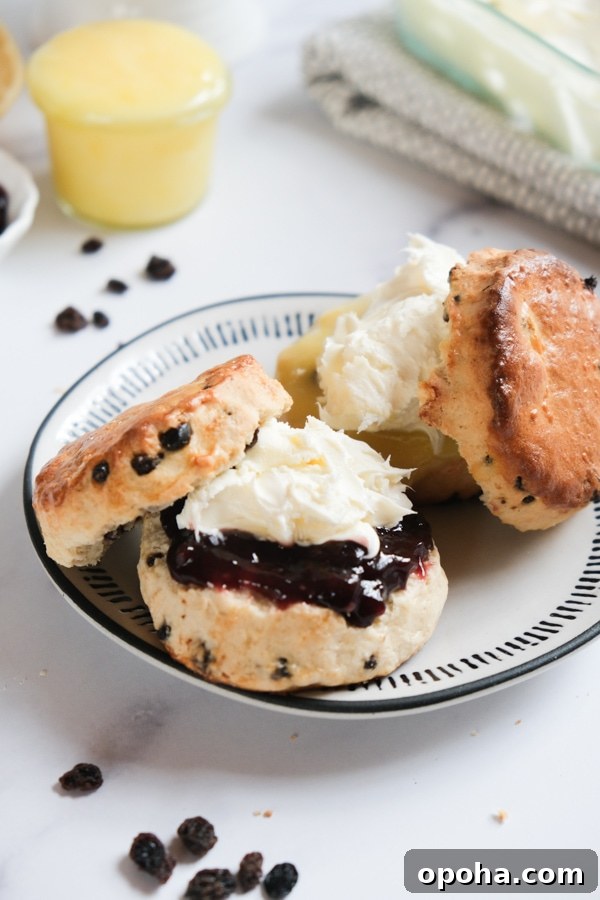
Serve warm or at room temperature with butter, clotted cream, whipped cream, lemon curd or jam. These scones shine the day they’re made but remain enjoyable the next day.
Best British Scones with Currents
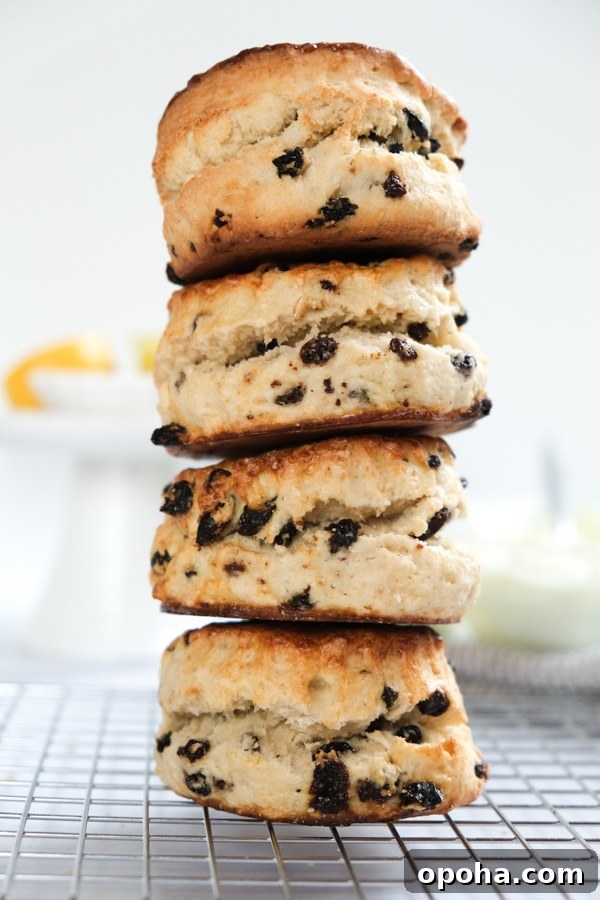
If you’ve got 30 minutes, you can make a batch of tender, flaky British-style scones to enjoy right away.
10 minutes
12 minutes
22 minutes
Ingredients
- 3 cups [360g] all-purpose flour (spooned into the cup)
- 1/3 cup [65g] sugar
- 2 Tbsp baking powder
- 1/2 tsp salt
- 8 Tbsp [115g] cold unsalted butter
- 3/4 cup [100g] dried currants
- 1/2 cup [125ml] whole milk or cream
- 2 eggs
Instructions
- Preheat oven to 500°F (260°C).
- Whisk together flour, sugar, baking powder and salt in a large bowl.
- Cut cold butter into pieces and rub into the dry ingredients until the mixture resembles coarse crumbs.
- Stir in currants or other mix-ins.
- Whisk milk and eggs together. Add to the flour mixture gradually, stirring until a dough forms. You may not need all the liquid.
- Turn dough onto a well-floured surface and knead a few times until smooth.
- Pat or roll dough to 1 inch (25 mm) thickness and cut with a round cutter or glass.
- Place scones on a lined baking sheet. Re-roll scraps and cut remaining scones.
- Brush tops with remaining milk-and-egg mixture or an egg wash.
- Reduce oven to 425°F (215°C). Bake small scones 10–12 minutes, larger ones 12–15 minutes, until golden.
- Cool on a wire rack.
- Serve warm or at room temperature with butter, clotted cream, lemon curd or jam. Best eaten the day they’re made.
Notes
1. FLOUR: The 3-cup measure assumes you spoon flour into the measuring cup. Scooping can pack more flour and change the liquid needed.
2. MILK: The dough consistency depends on egg size and how the flour was measured. Add liquid gradually and sprinkle extra flour as needed while kneading if the dough is sticky.
3. MIX-INS: Currants are traditional here, but dried fruit, nuts, cheese or herbs work well too.
4. BAKING: If tops brown before the centers are done, tent loosely with foil until baking finishes.