So you’re following a gluten-free and vegan diet — whether you became vegan first and later discovered you need to avoid gluten, or vice versa. Take a breath: it might feel overwhelming at first, but it gets much easier. This printable gluten-free and vegan food list will simplify your shopping and meal planning. Below you’ll find practical guidance on what to eat and cook, how to read ingredient labels, quick pantry meals for busy nights, and tips to make the transition smoother.
Your first gluten-free and vegan grocery trip can take longer as you learn new ingredients and label-reading habits. That’s normal. Over time your shopping will become routine. Use the list below to stock your pantry with essentials so you can prepare wholesome vegan, gluten-free meals any day of the week.
What can and can’t you eat (and how do you check)?
What can vegans eat?
Vegans can enjoy a wide variety of foods — not just salads. Fresh fruits and vegetables, grains, nuts, seeds, sauces, and plant-based baked goods are all staples. In short: anything that comes from plants.
What can’t vegans eat?
Vegans exclude all animal-derived products: meat, poultry, fish, seafood, eggs, dairy, and honey. Many everyday recipes can be veganised by substituting plant-based ingredients — for example, cashews for creamy sauces, nutritional yeast for a cheesy note, or vegan kimchi for extra flavor.
Checking Labels
Whole foods are usually obvious choices, but packaged items need careful label checks because animal-derived ingredients can be hidden or listed under unfamiliar names. Look for a vegan certification mark when possible, but also learn common non-vegan ingredients so you don’t mistakenly discard items that are actually vegan. Over time you’ll learn which brands to trust.
Hidden animal-derived ingredients
- Casein, lactose, whey (from milk)
- Collagen, gelatin, pepsin, edible bone phosphate (from animals)
- Lard or tallow (animal fats)
- Shellac (E904), cochineal (E120) (from insects)
- Propolis, beeswax, royal jelly (from bees)
- Albumin (from eggs)
- Isinglass, cod liver oil, vitamin D3 (often from fish)
Ingredients that may be plant- or animal-derived and require checking include lecithin (E322), glycerol (E422), disodium inosinate (E631), and mono- and diglycerides (E471). When in doubt, check packaging or contact the manufacturer.
What can’t you eat if you are gluten-free?
Gluten is a protein found in wheat, barley, rye, and triticale. Avoid products made from those grains and any ingredient derived from them. Common sources include bread, pasta, cakes, many cereals, malt (from barley), beer, and brewer’s yeast. Ingredients containing gluten are often highlighted in bold on labels, but also watch for wheat varieties listed by name — for example, durum, spelt, semolina, farro, and einkorn.
Where do vegans get their protein?
Protein is a frequent concern, but it’s straightforward to meet needs on a vegan, gluten-free diet if you eat a varied, balanced selection of plant foods. Combine different protein sources across the day — for example, legumes with grains — to obtain a complementary range of amino acids. Most people on a balanced plant-based diet get more than enough protein.
High Quality Gluten-Free & Vegan Protein Sources:
- Beans and legumes — lentils, chickpeas, peas, peanuts, and all types of beans, plus soy products like tofu, tempeh, and TVP.
- Nuts and seeds — hemp and pumpkin seeds are especially protein-rich; chia, flax, and almonds are also valuable.
- Unrefined wholegrains and pseudo-grains — brown rice, quinoa, buckwheat, millet, sorghum, and gluten-free oats.
- Vegetables — leafy greens, broccoli, sweetcorn, and sweet potato contribute protein and nutrients.
- Plant-based meat alternatives — useful occasionally for texture and flavor, but prioritize whole-food sources for regular nutrition.
What is a healthy vegan diet?
A healthy vegan diet emphasizes balance, variety, and whole foods. Focus on a wide range of plant foods throughout the week to cover vitamins, minerals, fiber, and amino acids.
Balance and diversity
Try to rotate foods and include many different plants weekly. Aim for diverse fruits, vegetables, grains, nuts, seeds, and legumes so you’re not missing nutrients found in particular foods.
Limit packaged foods
Packaged vegan foods are convenient but often contain extra sugar, salt, and refined fats. Cooking from whole ingredients is usually healthier and more economical. Use packaged convenience foods sparingly and focus on making meals from basic ingredients.
Choose whole foods over refined foods wherever possible
Whole foods — fresh produce, whole grains, dried or canned legumes, plain nuts and seeds — retain more nutrients and fiber than highly processed items. Whole grains with intact bran (brown rice, oats) provide sustained energy and important fiber.
What if you don’t have time to cook?
Keep a list of quick, reliable recipes for busy days and a separate set of more involved recipes for weekends. Store the list on your phone, a notes app, or a printed sheet on the fridge so you always have easy go-to meals available.
Tips for your vegan and gluten-free diet
Online shopping
Create a favorites list in your preferred online supermarket with your vegan, gluten-free staples. It speeds up shopping and helps when you need to restock quickly after travel or a busy week.
Frozen fruit and vegetables
Frozen produce is convenient, often more nutrient-dense since it’s frozen at peak ripeness, and great for smoothies, stews, and quick additions to meals.
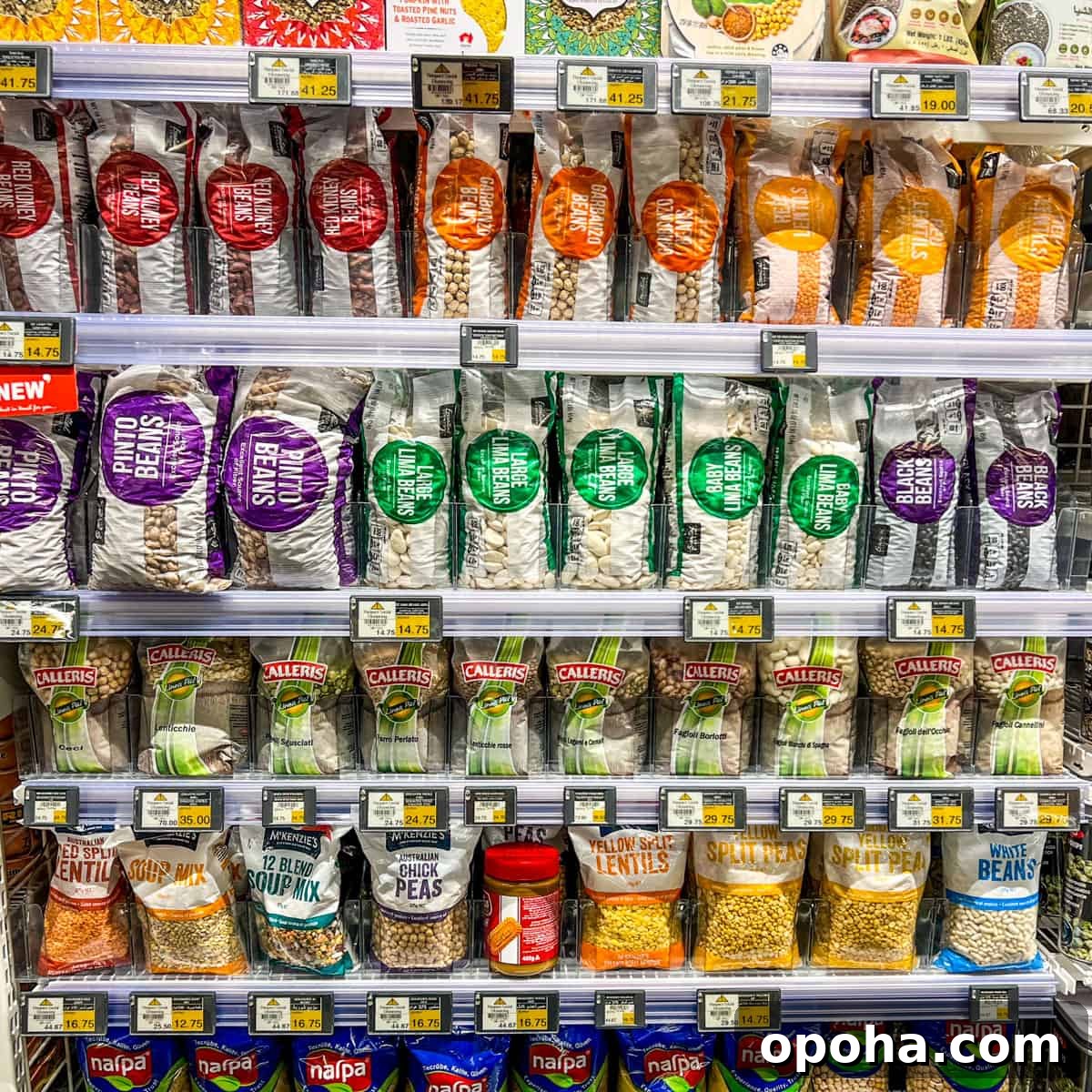
Buy dried beans if you are organised
Dried beans are cheaper and take up less pantry space than canned. They require planning for soaking and cooking, though a pressure cooker or Instant Pot shortens the time. Cook a large batch and freeze portions for convenience.
Meal planning (and un-planned quick pantry meals!)
Meal planning is a lifesaver when adjusting to a new diet. Look at your week and plan easy meals for busy days and more creative dishes for when you have time. Do one online shop for the week so ingredients are ready when you need them.
Un-planned quick meals
Keep a list of quick pantry-based recipes for evenings when plans change. Having fallback recipes that use basic staples means you can put a healthy meal on the table fast, even if the fridge is low.
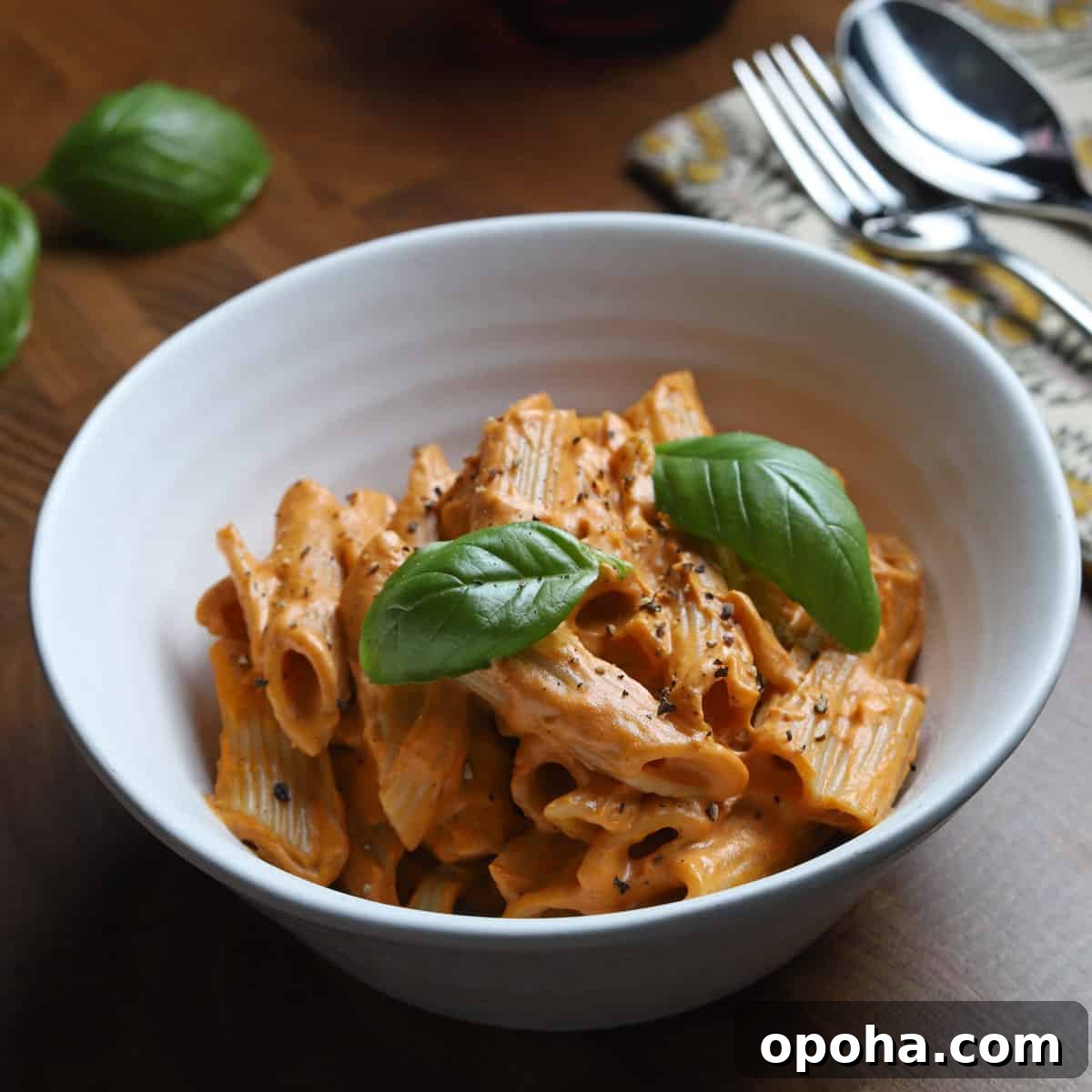
- Creamy sun-dried tomato pasta (about 15 minutes) — quick and satisfying.
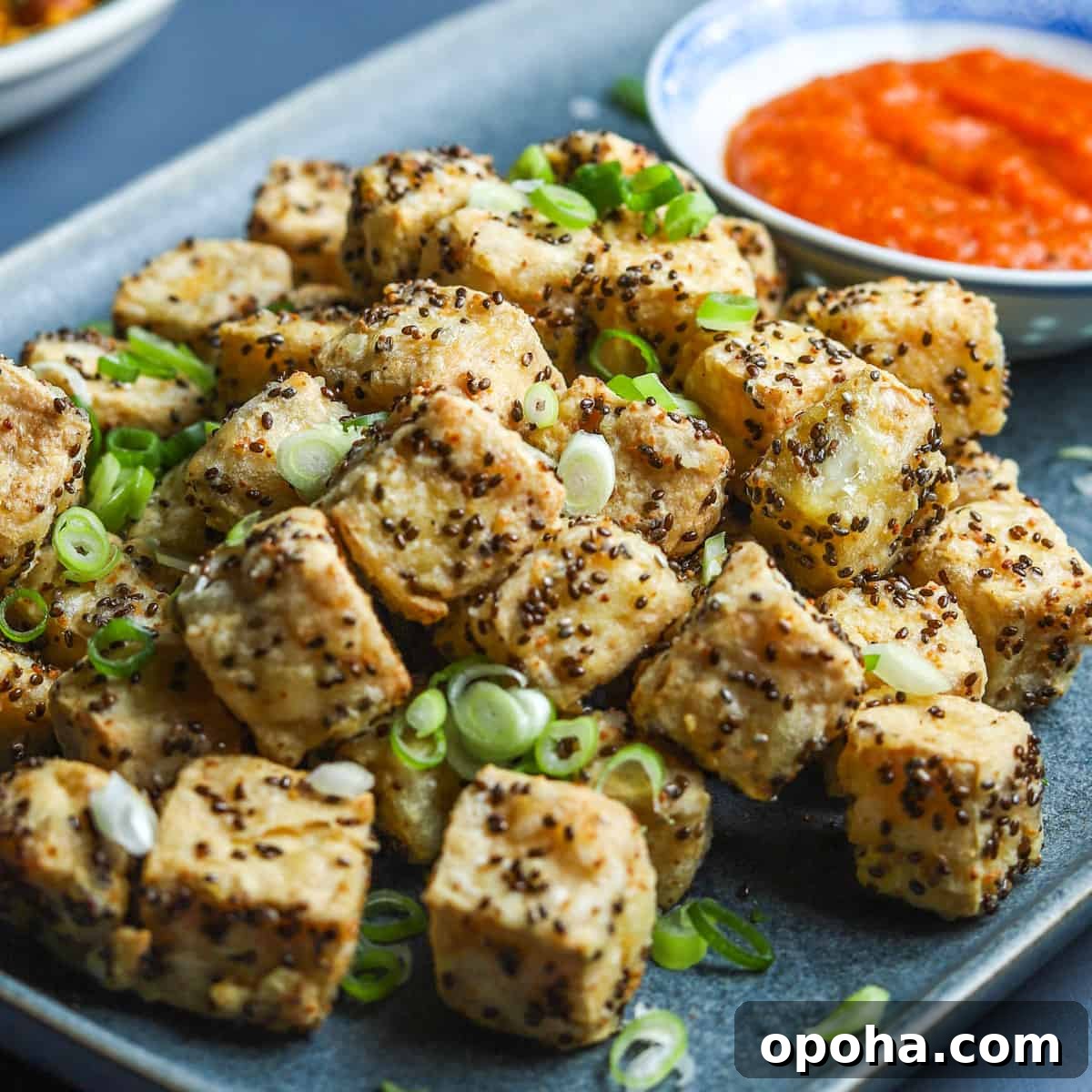
- Crispy tofu Buddha bowl (15–20 minutes) — air-fry or oven-bake extra-firm tofu and serve with quinoa and veggies; finish with tahini or sriracha.
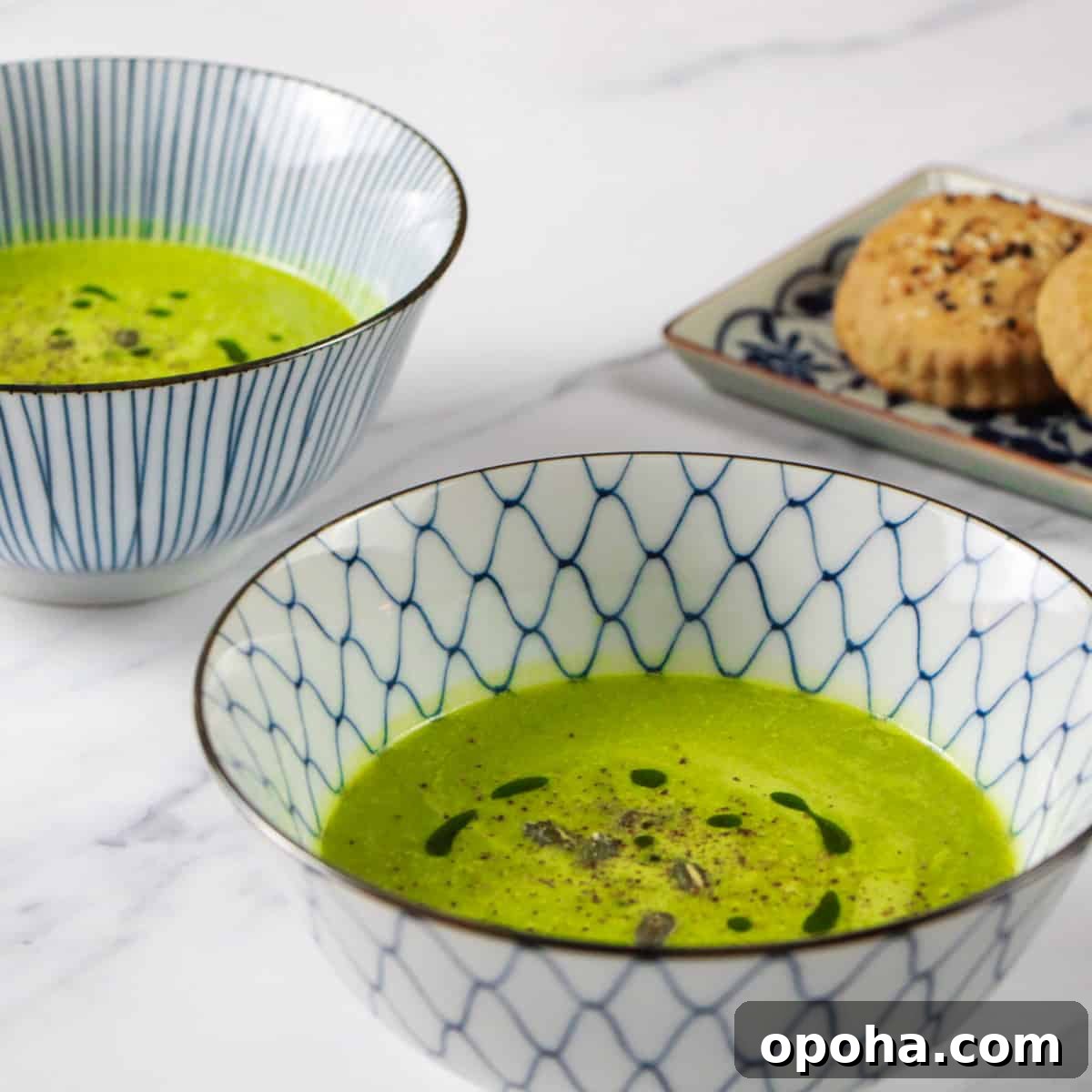
- Soup (under 30 minutes) — many soups use tinned beans, frozen greens, and pantry staples for a fast, nourishing meal.
- Quick ginger & sesame soba noodles (10 minutes) — use gluten-free or 100% buckwheat noodles and toss with a bright gingery dressing and silken tofu.
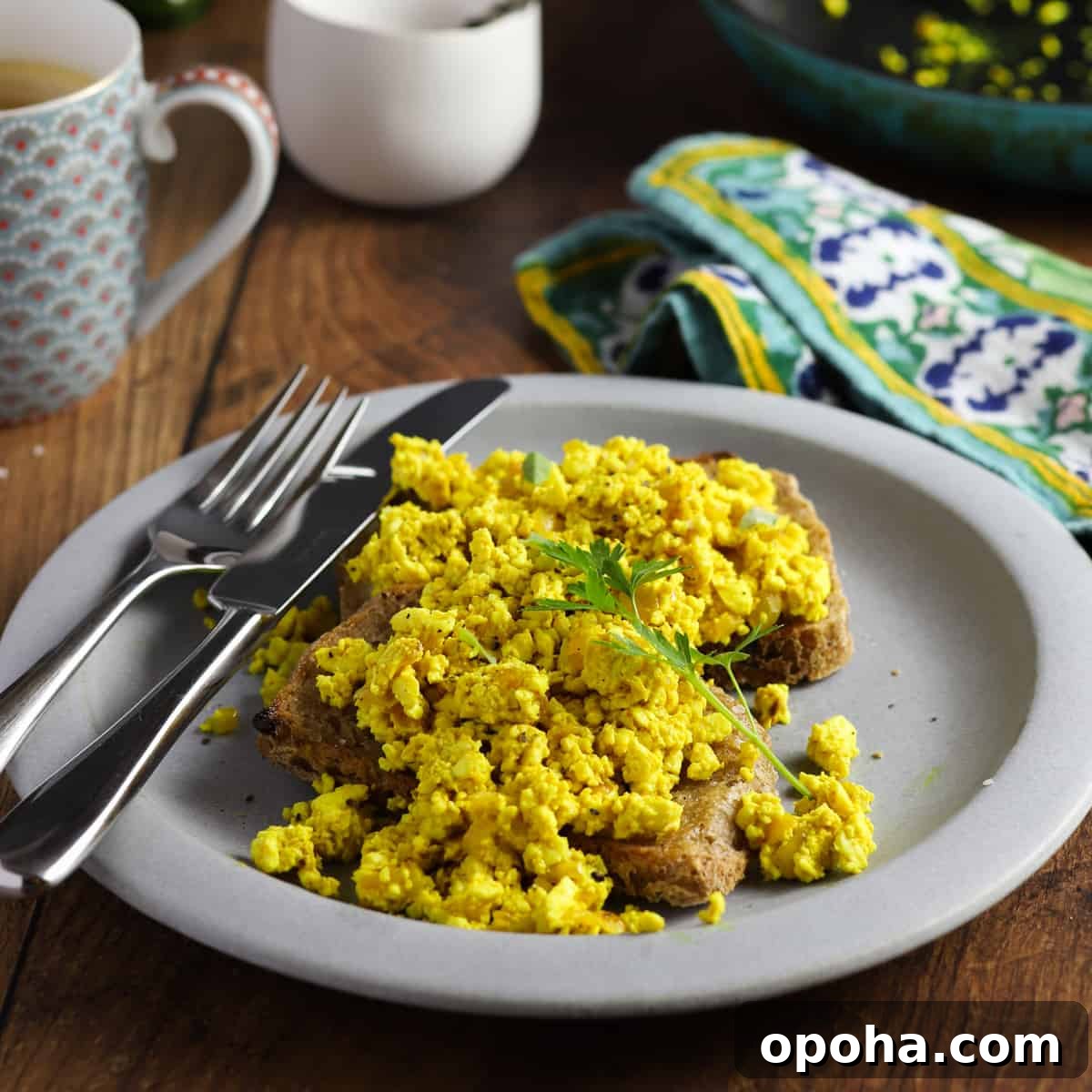
- Tofu scramble (5 minutes) — a speedy savory meal that works for breakfast or a light dinner.
With a busy life, these fallback meals will keep you fed when time is short.
✨Grocery List✨
The printable beginner’s gluten-free, vegan grocery shopping list is a handy two-page PDF you can take to the shops. Many items will be familiar — fruits, vegetables, spices — while others may be new, like tofu, tempeh, nutritional yeast, and dairy alternatives such as oat milk. Your initial trips may take longer as you learn where things are and practice label reading, but the printable list will speed up future shops.
🛒 Fruit and Vegetables
Buy a wide variety of fresh produce and include plenty of dark leafy greens. Staples to keep on hand:
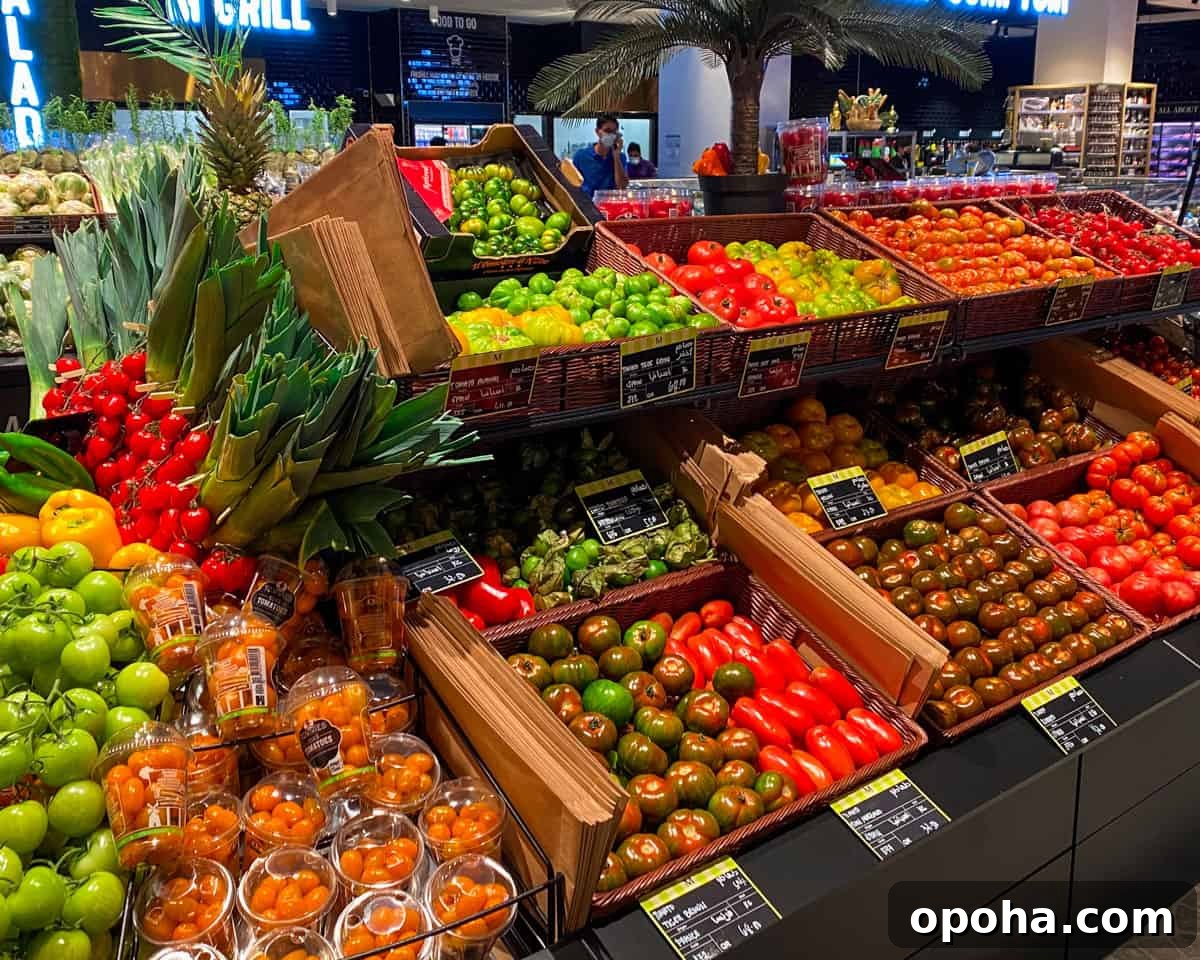
Staple vegetables:
- Onions, garlic, ginger, chillies
- Carrots, broccoli, celery, potatoes, sweet potatoes
- Bell peppers, courgette (zucchini), aubergine (eggplant)
- Leafy greens (spinach, kale, cavolo nero, pak choi)
- Salad greens (lettuce, rocket/arugula), tomatoes, cucumber, spring onions
- Cauliflower, cabbage, green beans, asparagus (in season)
- Avocados, sweetcorn, butternut squash, mushrooms, beetroot
Staple fruits:
- Apples, pears, lemons, limes
- Bananas, oranges or tangerines, grapes, kiwis
- Seasonal berries, peaches, plums
- Tropical fruits: mango, pineapple, watermelon, passion fruit
Herbs
Fresh herbs boost flavor and nutrients. Keep parsley and cilantro (coriander) as staples, and add chives, thyme, rosemary, sage, tarragon, or mint as desired.
🛒 Refrigerated Section
Look in the vegan refrigerated section for:
- Tofu — extra-firm, smoked, and silken varieties for different uses.
- Tempeh — great for stir-fries and sandwiches.
- Plant-based milks — oat, almond, soy, rice, or cashew milk.
- Plant-based butter and vegan cheeses — useful for cooking and spreading.
- Hummus, vegan yogurt, sauerkraut, vegan kimchi — for quick flavor and probiotic benefits.
- Vegan pesto — handy for quick sauces and pasta.
🛒 Frozen Section
- Frozen spinach, peas, sweetcorn
- Frozen fruits (berries, mango, peaches) for smoothies
- Vegan ice cream or lollies for treats
- Frozen plant-based mince and vegan convenience foods (sausages, nuggets) for quick meals
- Oven-bake frozen fries for occasional comfort food
🛒 Dry Goods Section
Beans and Legumes
Keep a variety of dried or canned beans for soups, sauces, curries, and rice dishes: cannellini, adzuki, black beans, chickpeas, mung beans, split red lentils, puy lentils, and channa dahl.
Grains
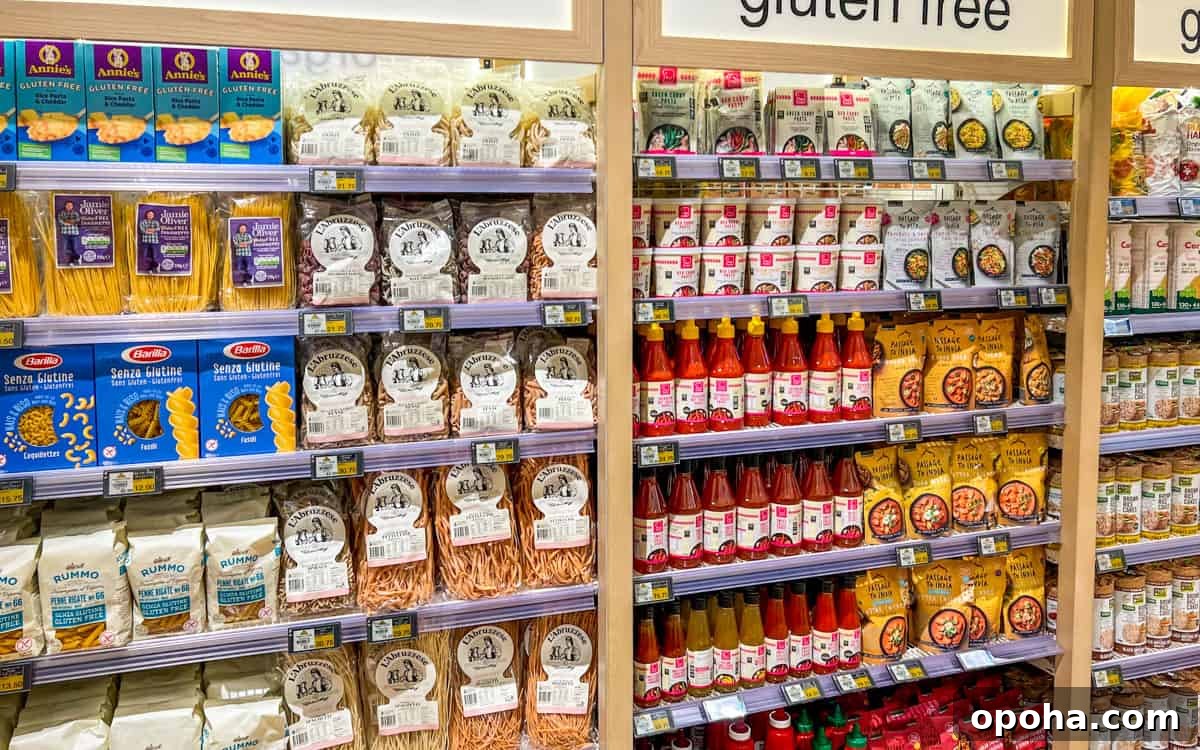
- Gluten-free pasta (check for egg)
- Rice (brown or white basmati, wild rice, risotto rice, sushi rice)
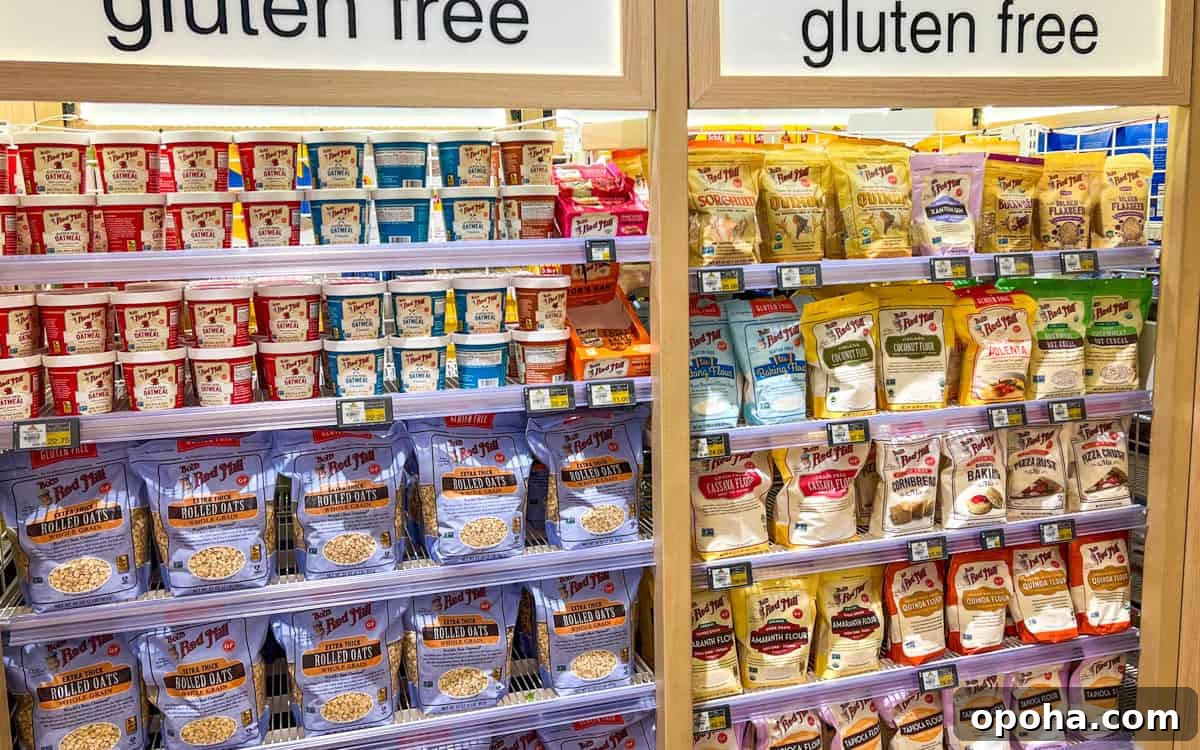
- Gluten-free oats (labeled GF)
- Gluten-free bread or ingredients to bake your own
- Quinoa, sorghum, millet, buckwheat
- Rice noodles, 100% buckwheat soba, or other GF noodles
- GF wraps or corn tortillas (100% corn)
Oils
- Olive oil (virgin for cooking, extra virgin for dressings)
- Grapeseed oil (high smoke point)
- Toasted sesame oil (for Asian dishes)
- Coconut oil (occasionally for baking)
- Specialty oils like truffle oil, if desired
Tins, Jars & Packets
- Tinned tomatoes and passata
- Tomato paste
- Coconut milk (small cans)
- TVP (textured vegetable protein) or soya chunks
- Nuts and seeds (unsalted, unroasted)
- Dried fruits (apricots, dates, raisins)
- Tinned jackfruit (plain, not in syrup)
- Dried mushrooms, jars of olives, sun-dried tomatoes, roasted peppers, and marinated artichokes
Condiments and Sauces
- Vegan stock powder
- Nutritional yeast (often fortified with B12)
- Apple cider, balsamic, and rice vinegar
- Tahini
- Tamari or gluten-free soy sauce (or coconut aminos)
- Vegan mayonnaise, Dijon and wholegrain mustard
- Sweet white miso
- Hot sauces like Tabasco or sriracha
- Vegan fish or oyster alternatives for Asian dishes (if available)
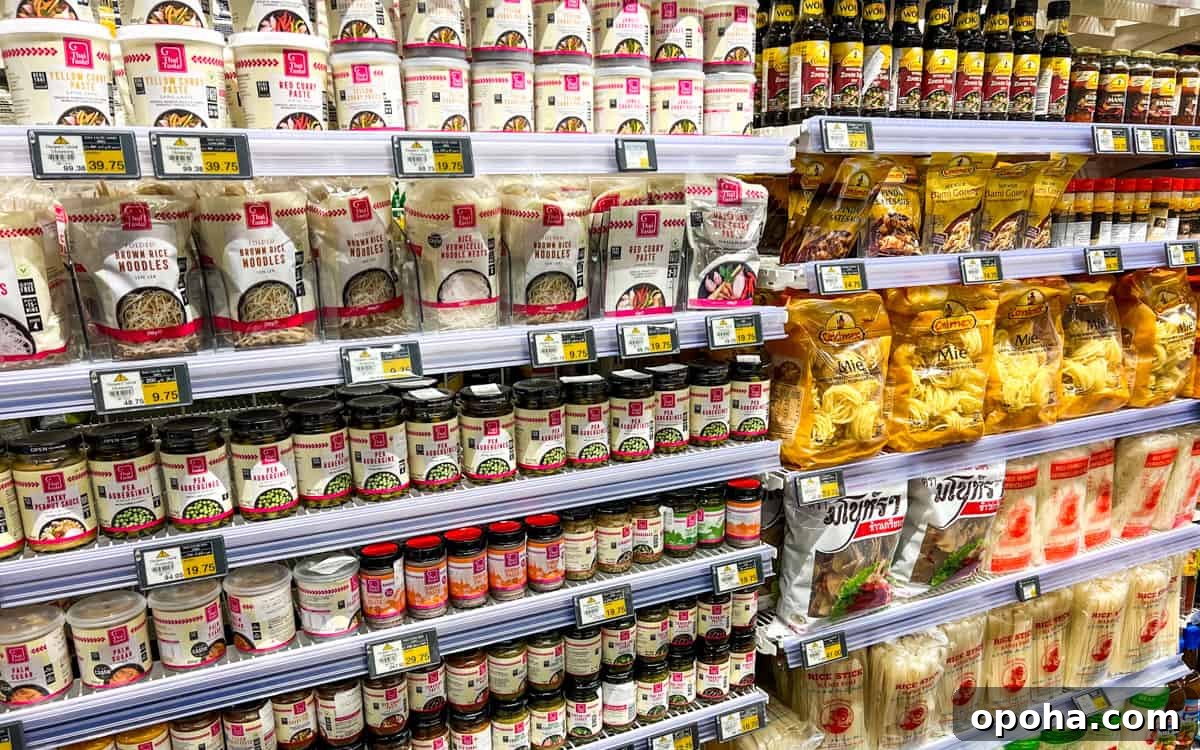
- Thai curry pastes (check for fish) and pomegranate molasses or tamarind for tang
Baking Ingredients
- Gluten-free flours and blends (brown rice flour, sorghum, almond flour, cornstarch, tapioca, arrowroot)
- Sugar (unrefined or organic) and maple syrup
- Baking powder and bicarbonate of soda (GF versions)
- Ground flaxseed (egg replacer)
- Psyllium husk (for bread)
- Vanilla extract, cacao powder
- Agar agar (vegan gelatin alternative)
Herbs and Spices
- Essential spices: turmeric, cumin, coriander, ginger powder, garlic powder, cinnamon, Chinese five spice, curry powder, smoked paprika
- Dried herbs: thyme, oregano, bay leaves, zaatar, Italian seasoning
- Salt (unrefined sea salt or Himalayan pink salt) and pepper
Spreads
- Peanut butter or other nut butters
- Jam
- Gluten-free yeast extracts
- Vegan chocolate spreads
Snacks
- Corn cakes, rice cakes, oat cakes
- Nut bars for on-the-go protein
- Dried seaweed
- Popcorn (make at home)
- Occasional crisps and vegan chocolate
This list covers the essentials and many helpful extras to stock a gluten-free, vegan kitchen. It’s not exhaustive, but it will give you the variety and staples needed to prepare nutritious, satisfying meals for you and your family.
Happy cooking!