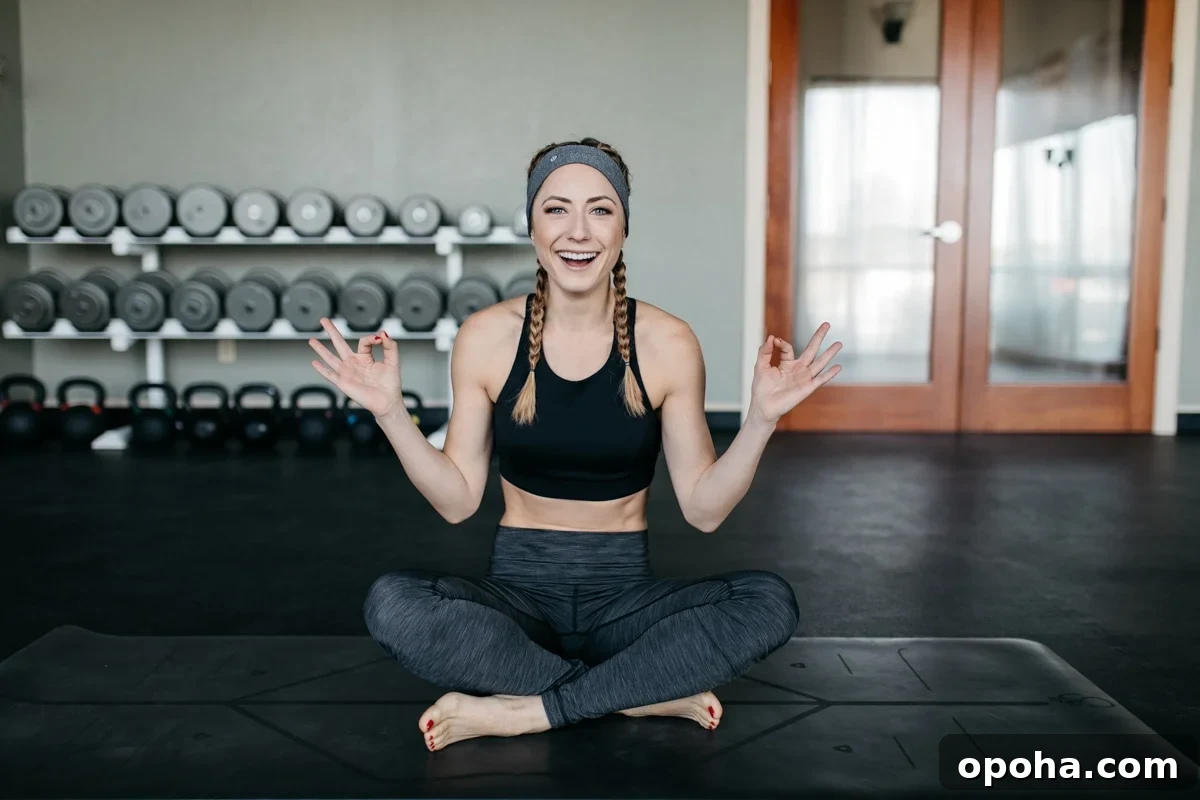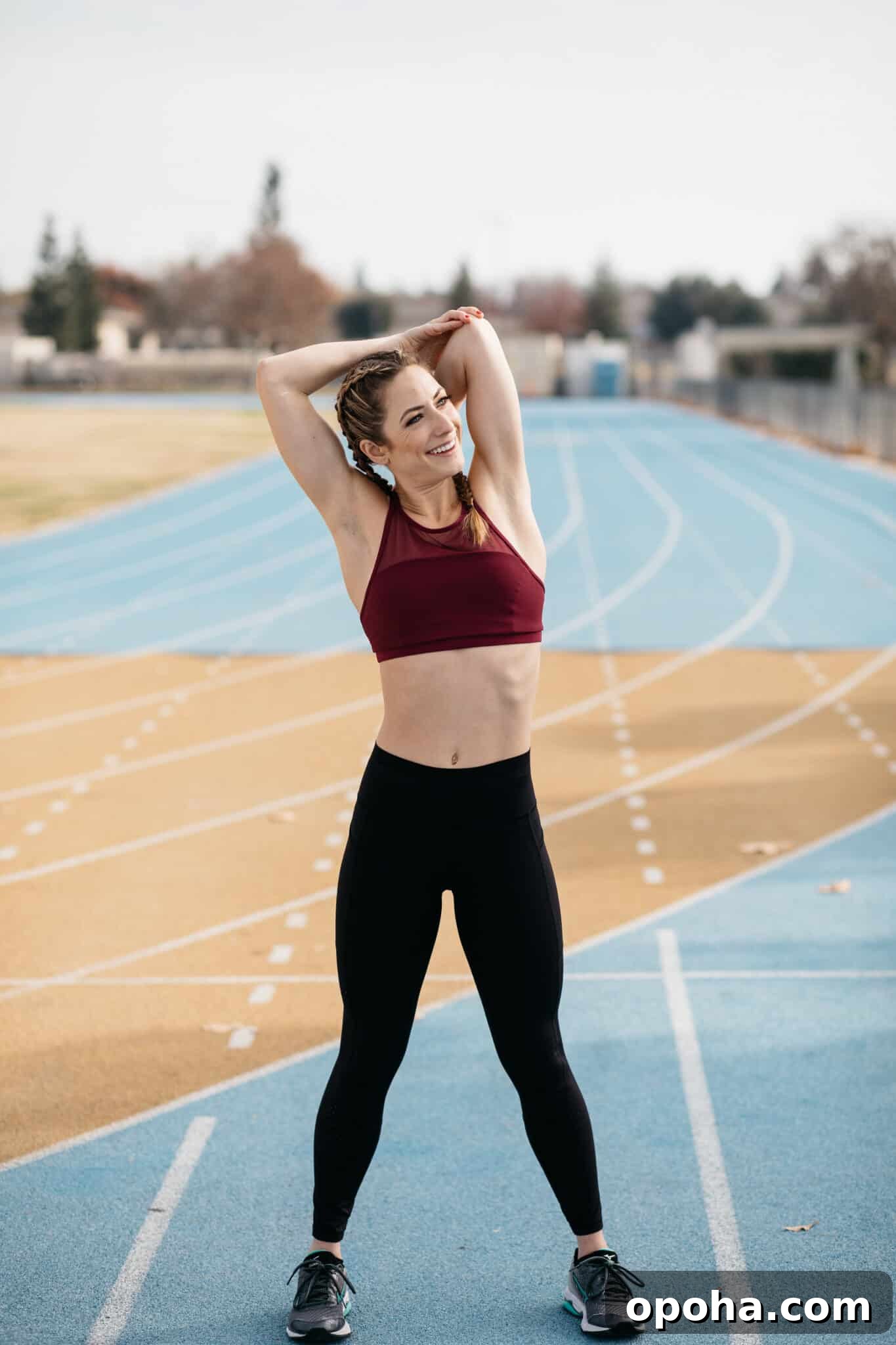
My heart is pounding as I begin to type this. Mainly because this is the most open and honest I’ve ever been on my blog. Here we go…
Like many people in college and afterward, I drank alcohol — sometimes too much. There were mornings I felt disgusted with myself: “Why did I do that? I feel awful. Did I text him? Oh no… I argued with my brother.” People often say, “We’ve all been there,” but many haven’t truly experienced that level of regret.
What kind of behavior was I exhibiting? Who was I becoming and why? As a Registered Dietitian Nutritionist, I knew this wasn’t healthy for my body or my professional example. I felt embarrassed and as though I was living a lie. I hit rock bottom hard. It’s striking how much internal pain someone can carry while others only see a curated social media version of their life. We need to be honest about our feelings and accept that it’s OK to feel them. I’ve cried myself to sleep many times — crying doesn’t make me weak; it makes me human.
Giving up alcohol in 2017 brought clarity and was one of the best decisions I’ve made for my health.
If you know me, you know I’m a planner. I like order and control, which is ironic because drinking often removes that control. Before alcohol became an issue, I struggled with disordered eating in my early teens. I wasn’t formally diagnosed with anorexia or bulimia — doctors labeled it disordered eating — but I was consumed with fear of gaining weight.
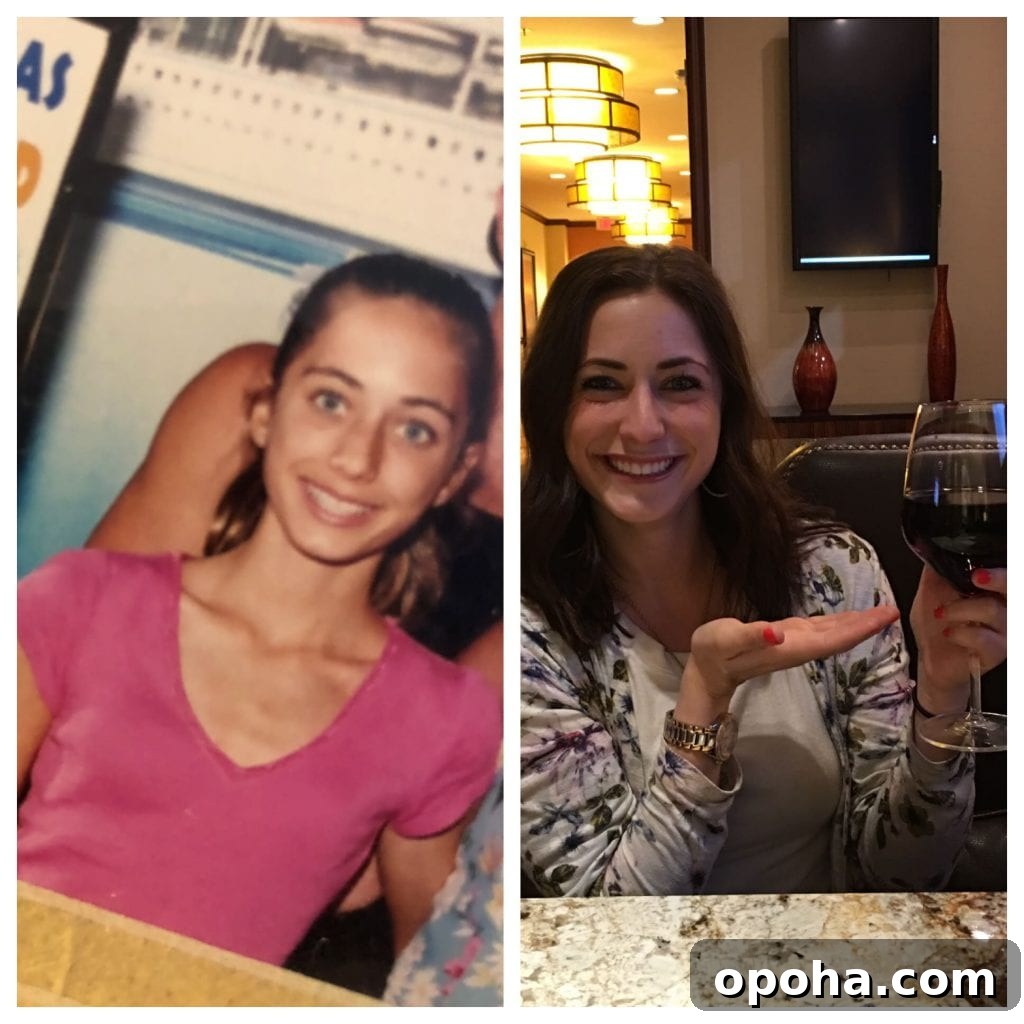
I had these thoughts in my head that I was fat…even though I was 87 pounds.
The memory gives me chills. I obsessed over exercise — I was a long-distance runner and had been a gymnast — and I barely ate. I would throw away my lunch in the school bathroom, eat a large apple and call it a meal, and avoid eating around others so people wouldn’t notice. I remember being constantly cold, wearing a sweater everywhere, and noticing the fine hair on my arms as my body tried to insulate itself. I felt an emptiness in my stomach and in my personality. I would come home and go straight to bed, exhausted and weak. Much of that period is a blur.
It still feels surreal that I went through that, even 13 years later. Those obsessions and rituals were classic disordered eating. My road to recovery began after a tender moment with my dad — he passed away 6½ years ago — when he held my hand and said, “I don’t want to lose my baby girl.”
Years later I was healthier and trying to fit in during high school and get ready for college. Instead of food, my fixation shifted to alcohol.
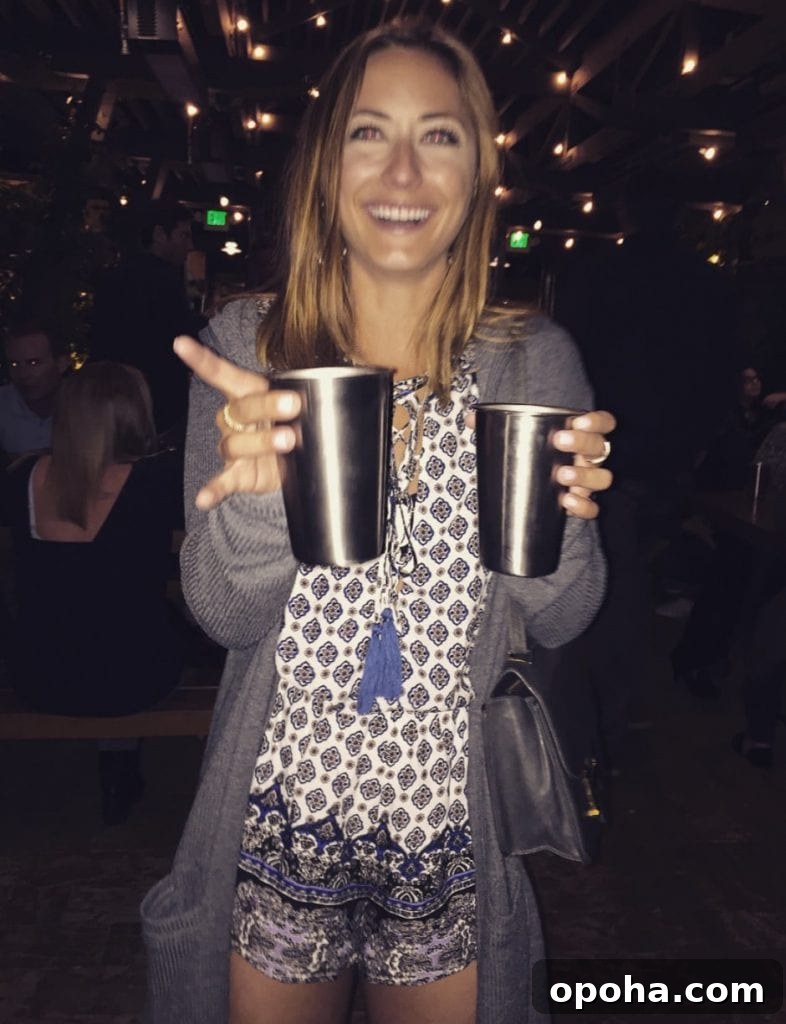
Looking back, not every drinking memory is negative. I’ve enjoyed wine tasting trips, weddings, family vacations and other special moments with loved ones. Alcohol can be part of those memories without being the cause. The problem is when drinking becomes letting one glass too far and you lose control. That’s the part many of us forget.
The shift…
I was becoming the stereotypical party girl who was always up for a night out. I believed drinking made me fun and liked. By the end of 2016 I decided I didn’t want my personal brand or the Kroll name associated with that image anymore.
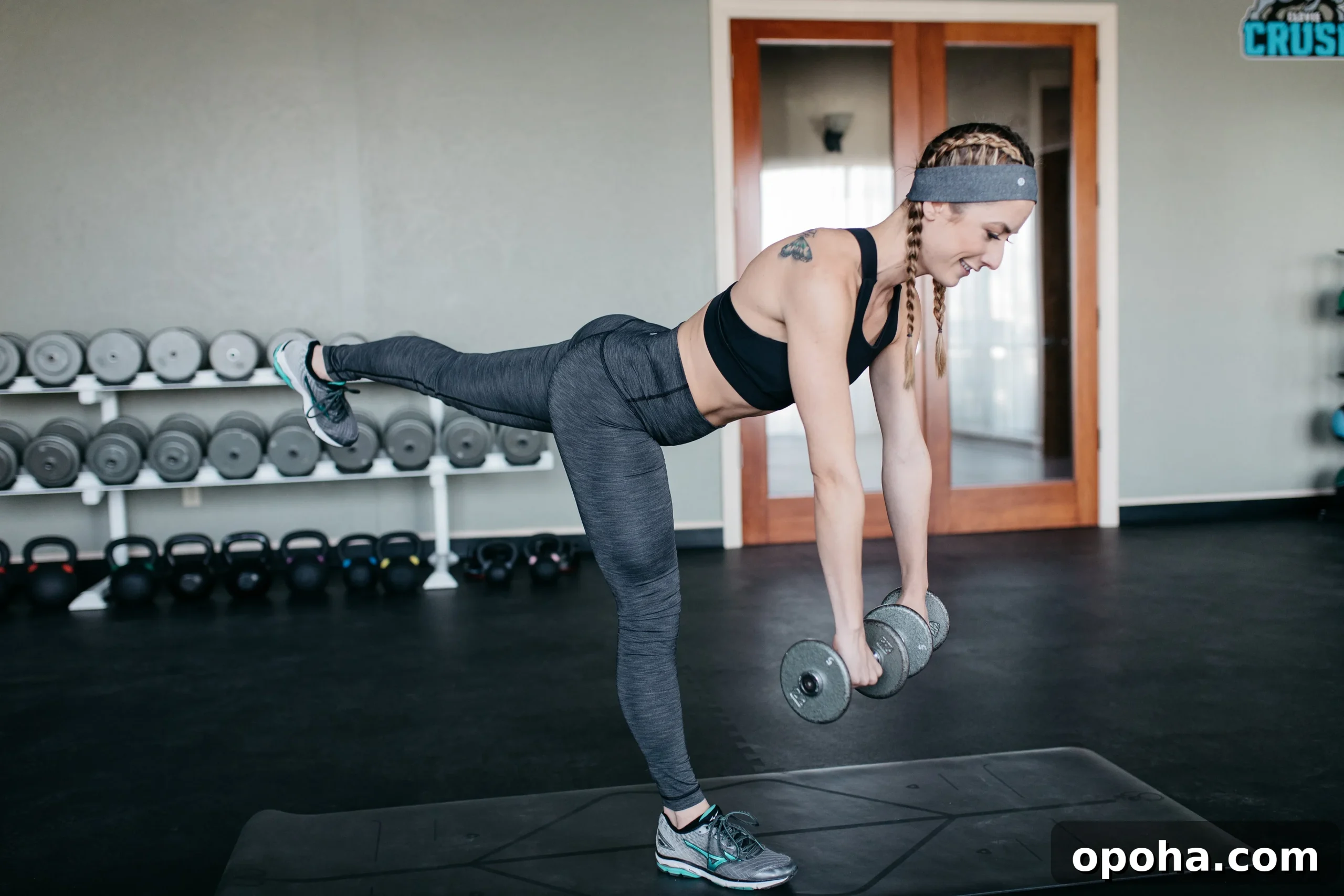
Over the years I watched others’ drinking lead to frightening outcomes — ruined relationships and hospital visits — and it made me question my own choices. I asked myself, “Why do I drink?” Take a moment and ask yourself that now.
For me, much of it was social pressure. My first drink was about fitting in and being “cool.” I also lived in a place labeled by some as “The Drunkest City in America,” which didn’t help. Another reason was unhappiness with certain parts of my life; I thought alcohol would ease my worries, but it usually made things worse.
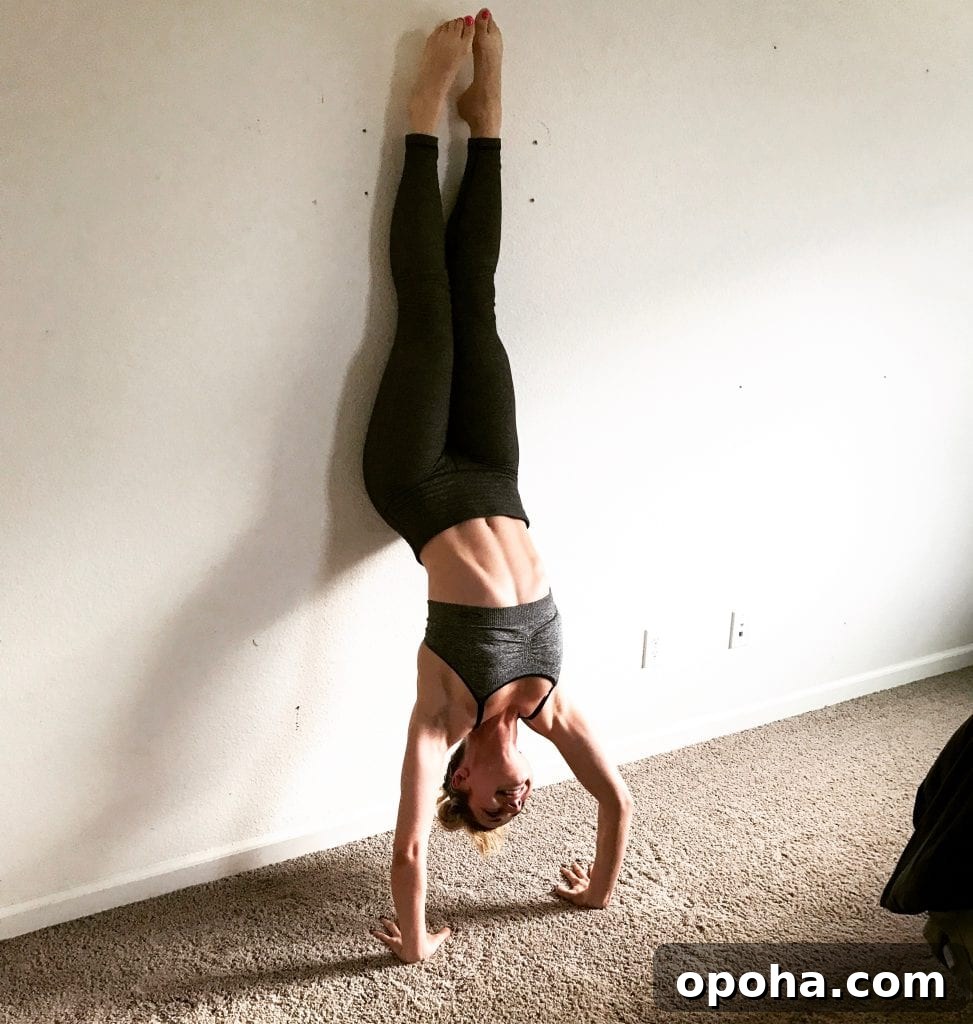
People often asked what event made me give up drinking. There wasn’t a single moment — it was a collection of experiences I pieced together and didn’t like their outcomes. As a Registered Dietitian, I’ve met colleagues who also had eating disorders or disordered eating. Opening up to others made me realize I wasn’t alone, and that shared experience motivated me to write this. Maybe one person reading this will feel less alone, reconsider their drinking, or support someone who drinks in excess.
We all have our own struggles. I just hope opening up about mine can help someone in some way.
When I told people I would abstain from alcohol in 2017, responses ranged from “That’s admirable” to “Good luck.” I didn’t do it for attention or praise — I wanted to understand myself better. This was a personal experiment to learn who I am without alcohol.
This was solely for me to dig a little deeper and discover who I am. And I needed to share it with you.
Publishing this part of my life online means accepting judgment, and I’m comfortable with that. Writing this brought thought, stress, gratitude, tears, and relief. Becoming stronger and more positive outweighs the judgment.
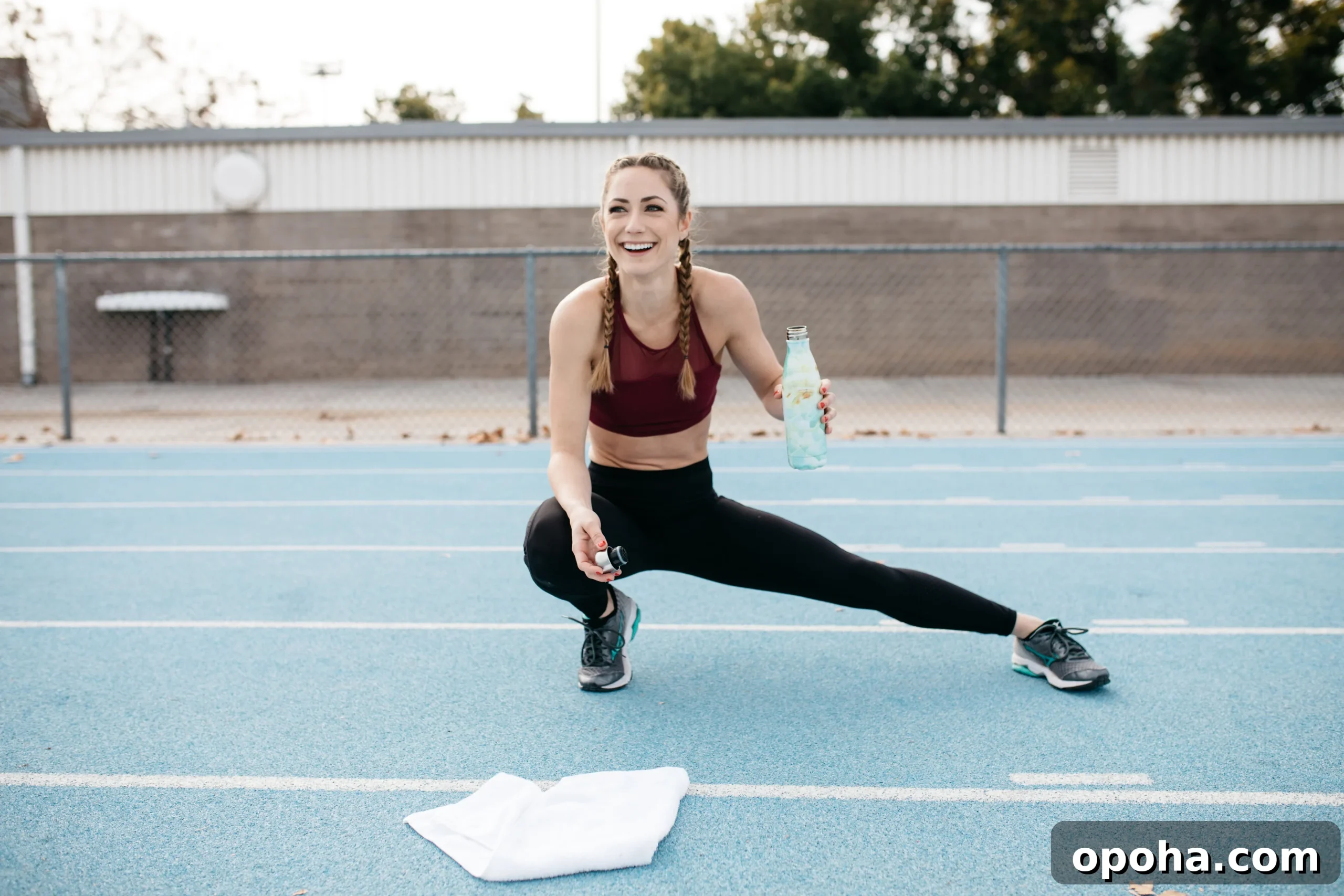
Will I drink in 2018? Yes, but on my terms. I never want to feel obligated to explain why I’m not drinking — and you shouldn’t either. People shouldn’t pressure others about drinking. There are many valid reasons someone might not drink: health conditions, specific goals, family history of alcoholism, or simply not feeling like it. Socializing without alcohol is perfectly acceptable. In 2017, most people didn’t even notice I wasn’t drinking — water with lime and a splash of cranberry was my go-to.
Friends joke about waiting with champagne at midnight on New Year’s Eve, and while I’ll appreciate the gesture, any future drinking won’t be due to peer pressure.
It’s my body, it’s my choice.
Here are some of the positive things that happened to me by giving up alcohol…
- I started practicing yoga regularly — three to five times a week — and it felt great for my body and mind.
- I became obsessed with indoor cycling and even became an instructor at CycleBar Clovis/Fresno. If you’d asked me in 2016, I would have laughed at the idea.
- I ate better and stopped craving greasy foods that often follow a night of drinking.
- I developed a fondness for LaCroix (yes, that counts).
- My sleep improved dramatically.
- I became a better listener and more present with the people I spent time with.
- My self-care increased — more baths, green tea, pedicures, new clothes, essential oils, house plants, and an Aussie puppy named Bella.
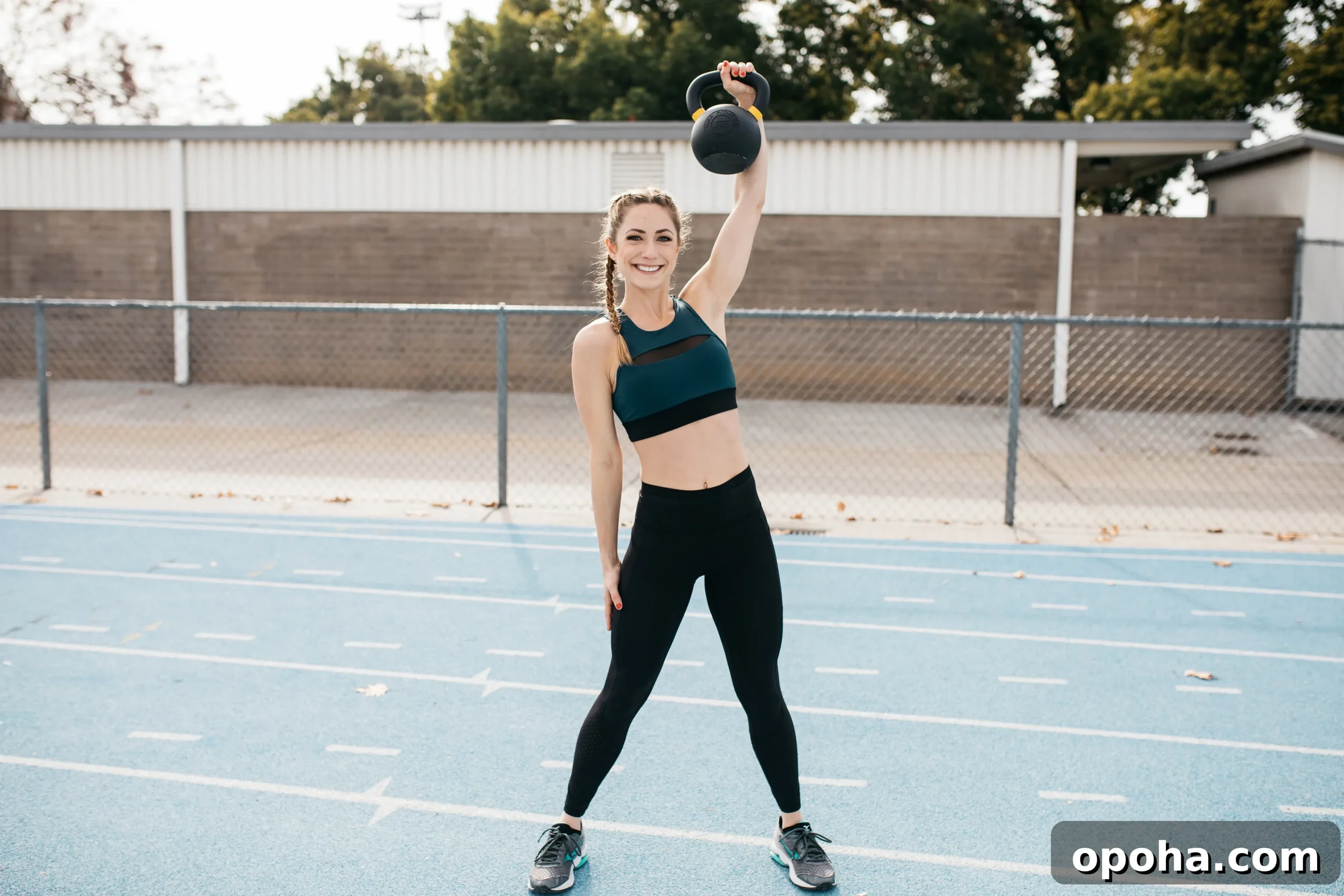
Did I have a social life in 2017? Yes, though it was different and often quieter. I chose rest for early workouts or farmers markets instead of late nights. I still accepted some invitations and declined others — it was about balance. I knew I was making choices that supported my health.
Worried you’ll lose friends if you stop drinking? The most valuable friendships are with people who care less about whether you drink and more about who you are.
- Know when and how to say no. If you’re tired or need to prioritize yourself, say no. True friends won’t be bothered. Saying no is an act of self-care; put your greater good first.
Some of my 2017 goals included:
Health Goals:
- No alcohol in 2017. No exceptions.
- Exercise at least five times per week (cycling, running, walking, rugby, yoga, etc.).
- Stand at my standing desk 60–70% of the workday.
- Get seven to eight hours of sleep nightly.
Relationship Goals:
- Send handwritten thank-you notes for gifts.
- Get together with girlfriends at least once a month.
- Spend weekly time with my mom.
- Visit Ryan more often.
- Spend quality time with Teagan and Meg outside of bars and parties.
- Be a better listener.
Personal Goals:
- Read one book per month.
- Journal at least once a week.
One last thing I want to share: my dad wrote an open letter to my brothers and me in September 2007, two days before my 16th birthday. He wrote that everyone faces adversity and that how we respond depends on our mental habits. His lesson:
Adversity causes some people to break and others to break records.
I’m only 26, but I’ve already faced adversity that shaped me. My father’s words continue to motivate and challenge me to be the woman he raised me to be. I was in a low place and decided to face adversity head-on. Success often requires pushing through hard moments.
Our past may influence us, but it doesn’t have to define us. “My past has not defined me, destroyed me, deterred me, or defeated me; it has only strengthened me.” In 2017 I focused on my health, career and friendships with intention, knowing it would lead to a better future. Cheers to what’s ahead.