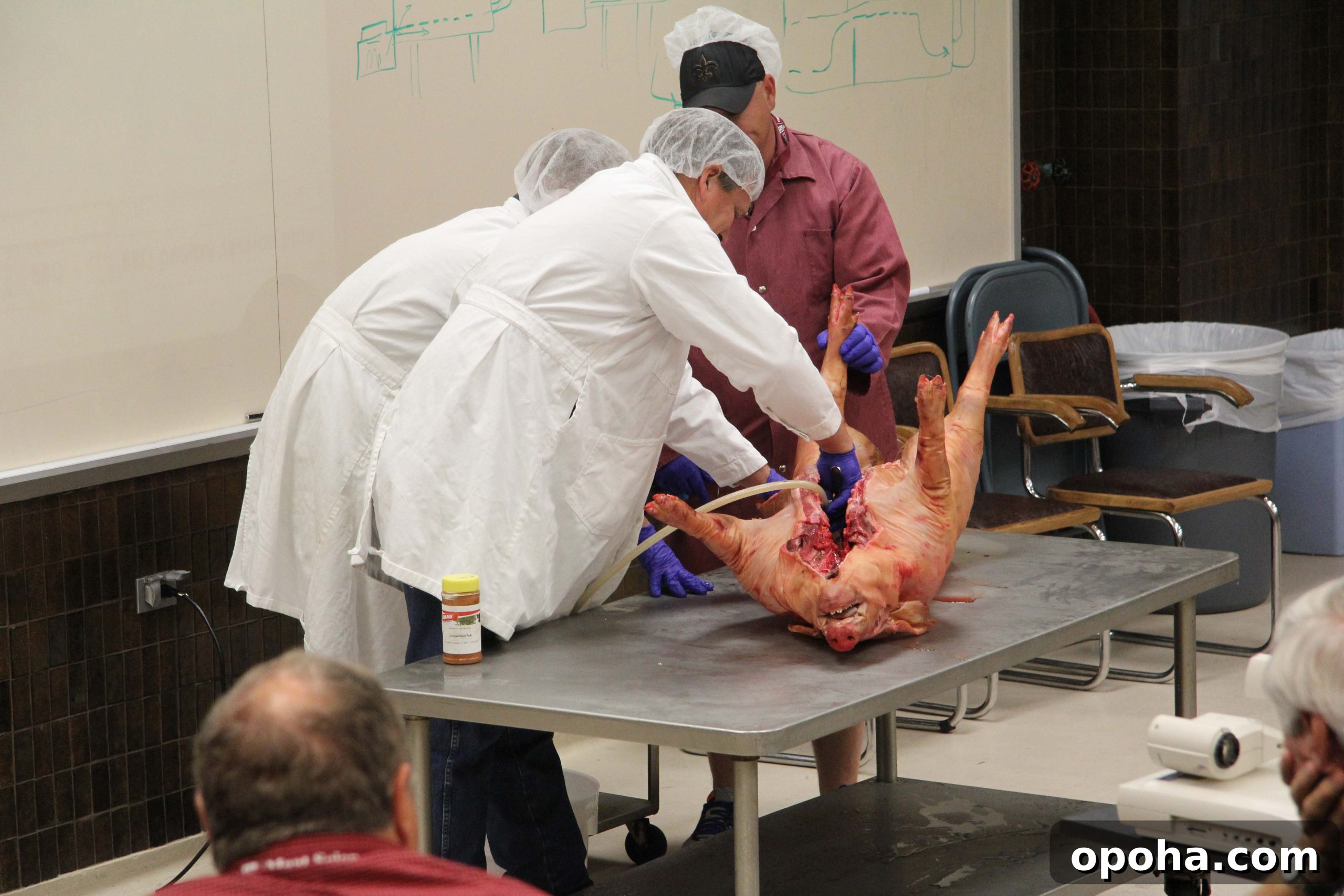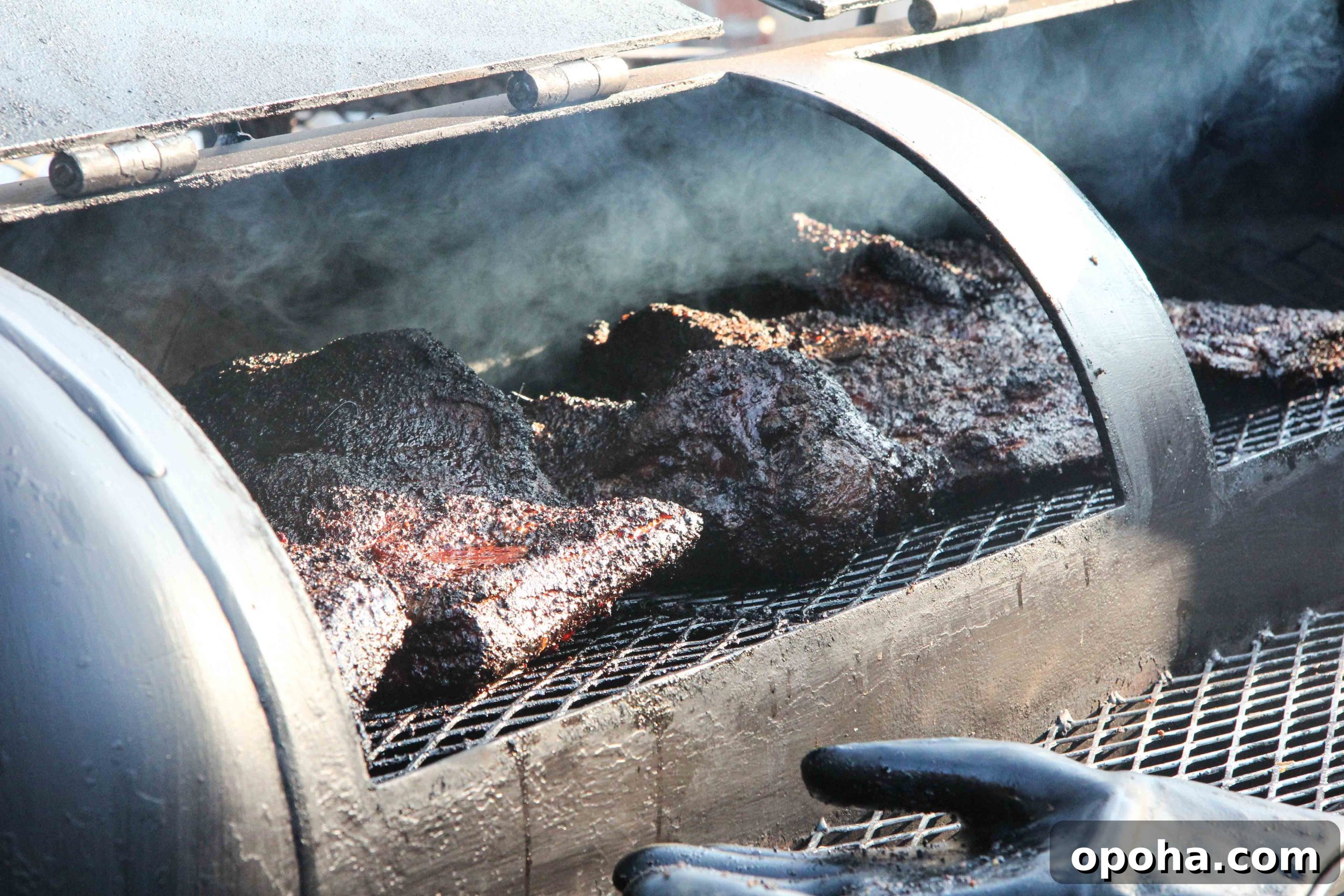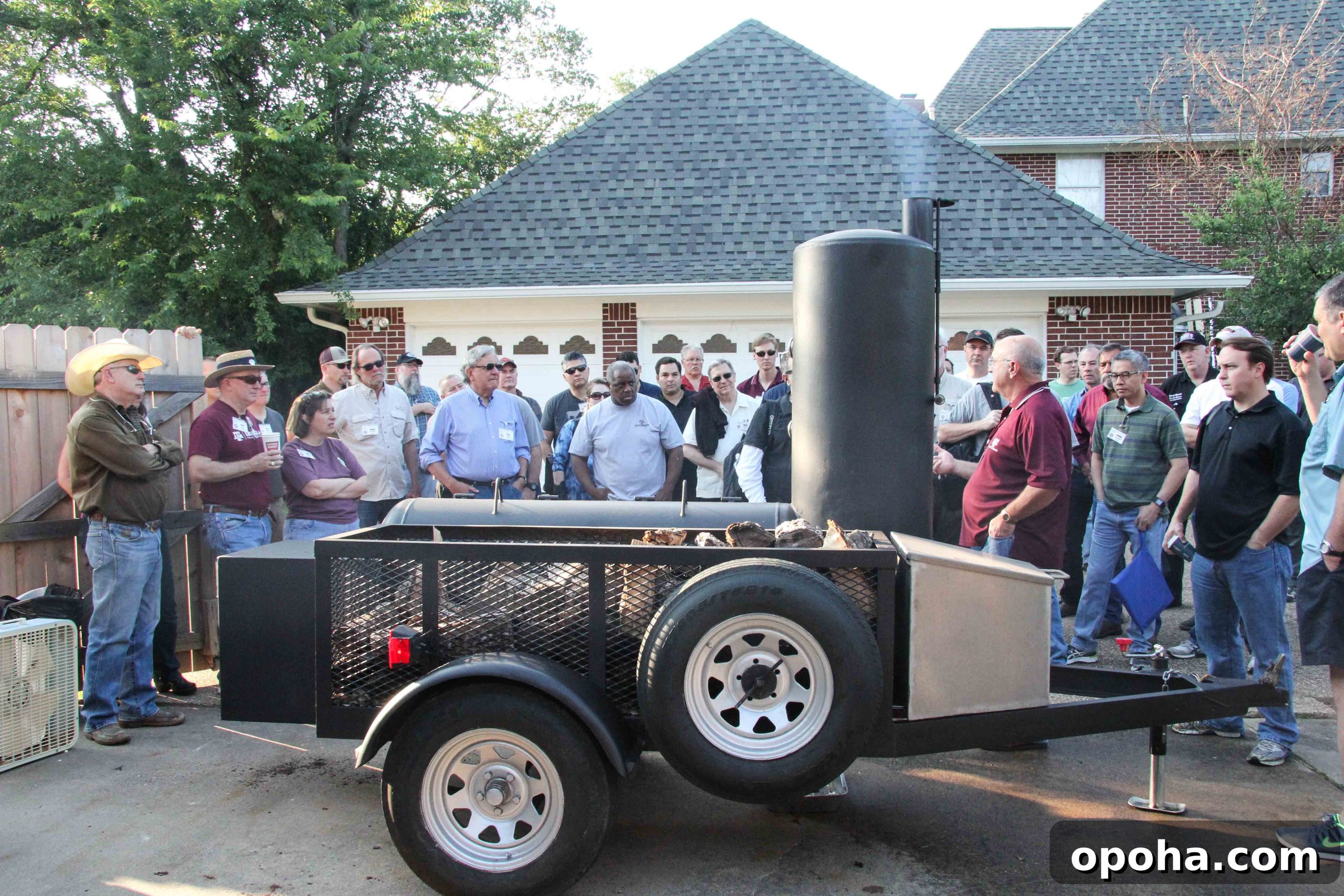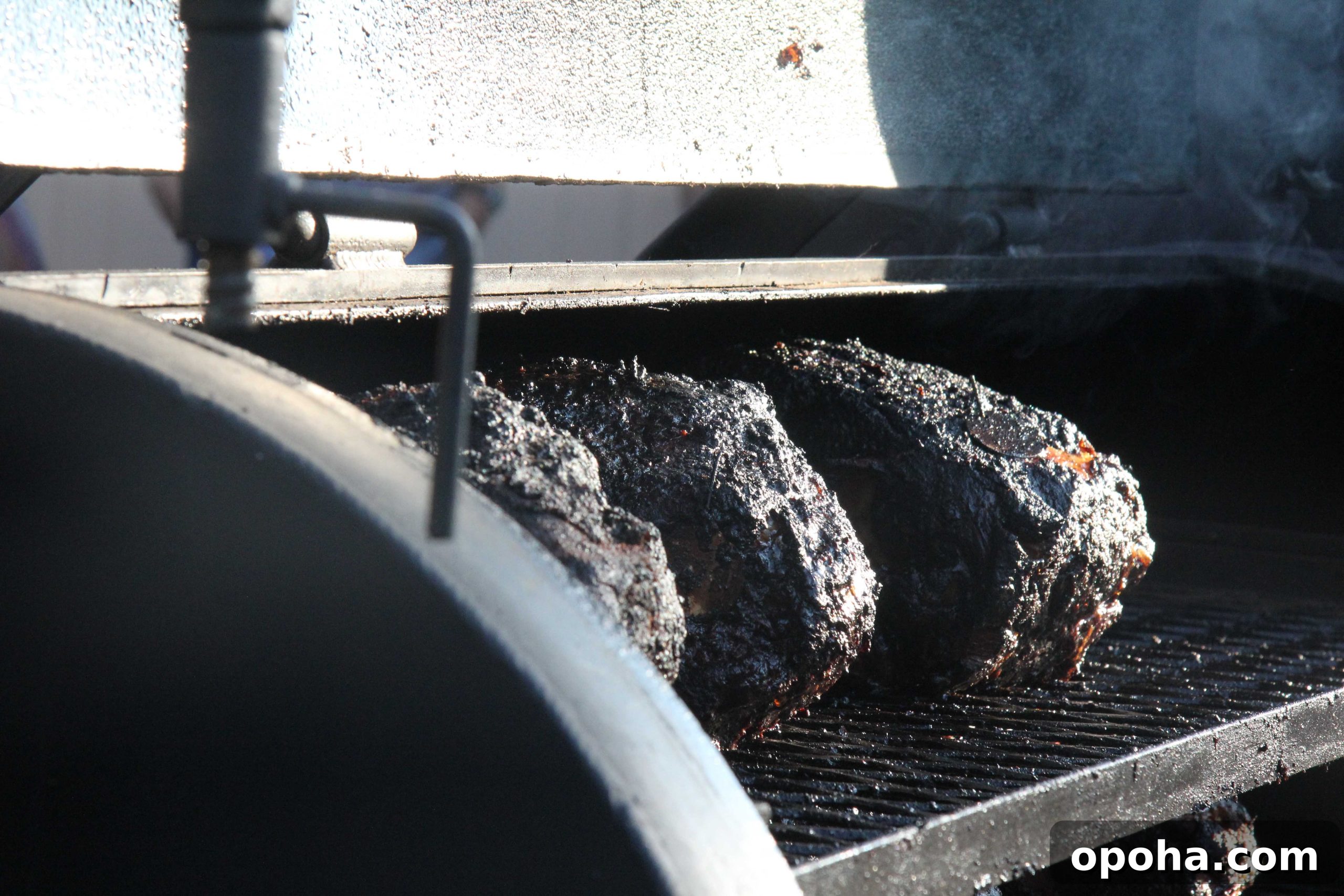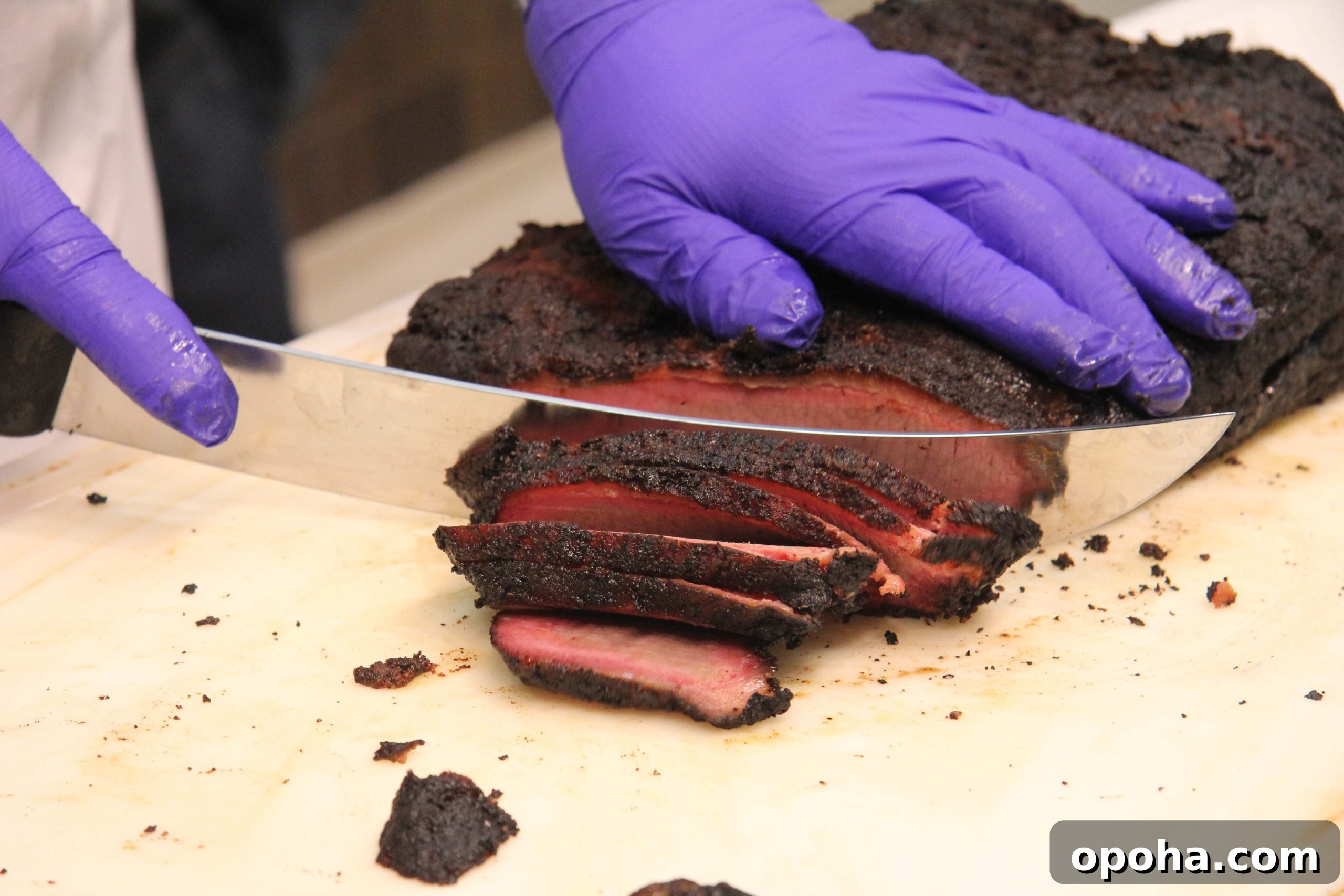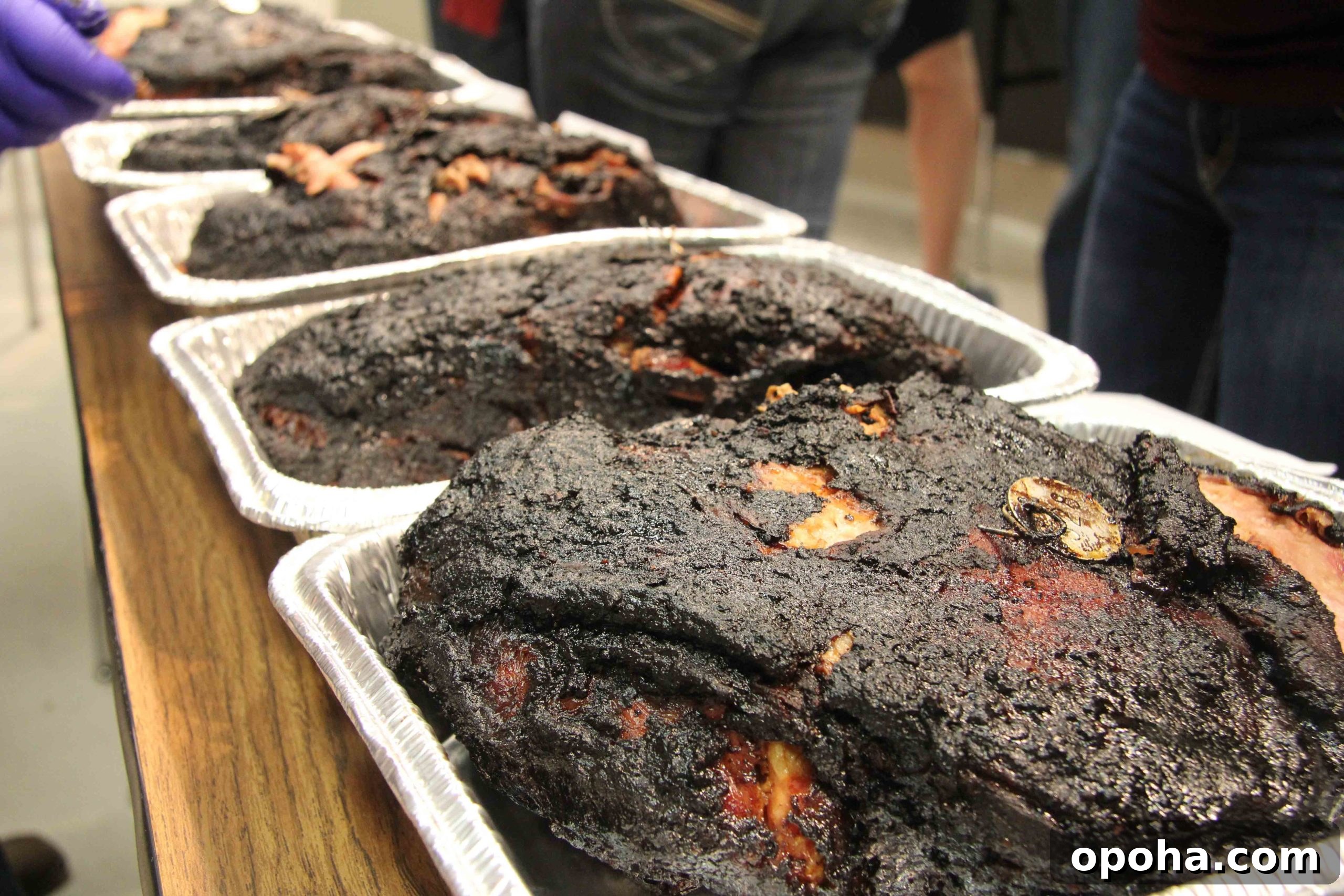
I visited Texas A&M University’s Meat Science department again this June to attend the A&M BBQ Summer Camp, held in partnership with Foodways Texas. The event is highly sought after—tickets for BBQ Camp and Camp Brisket sell out within seconds, even with a $600 price tag—so I felt fortunate to be one of the attendees.
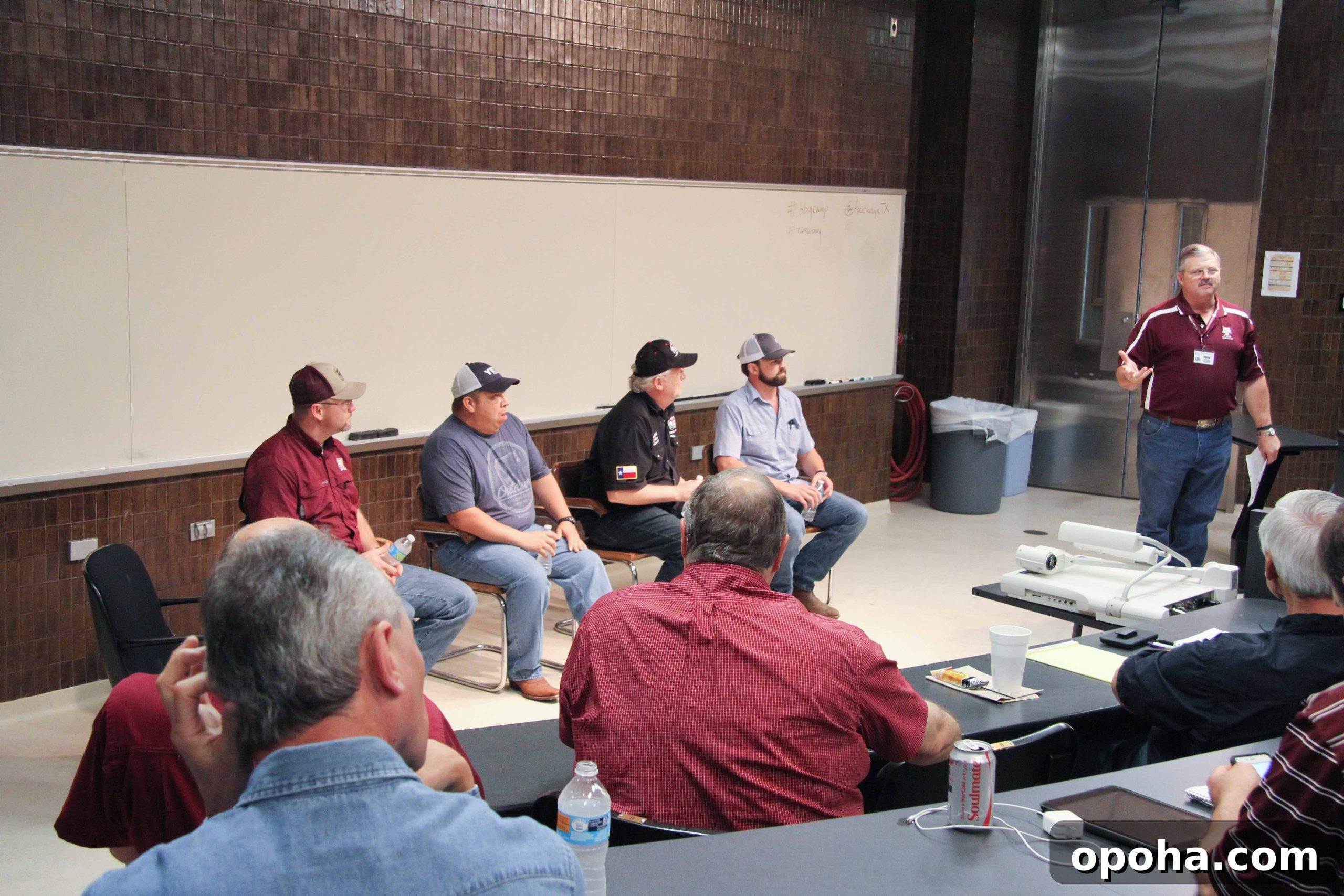
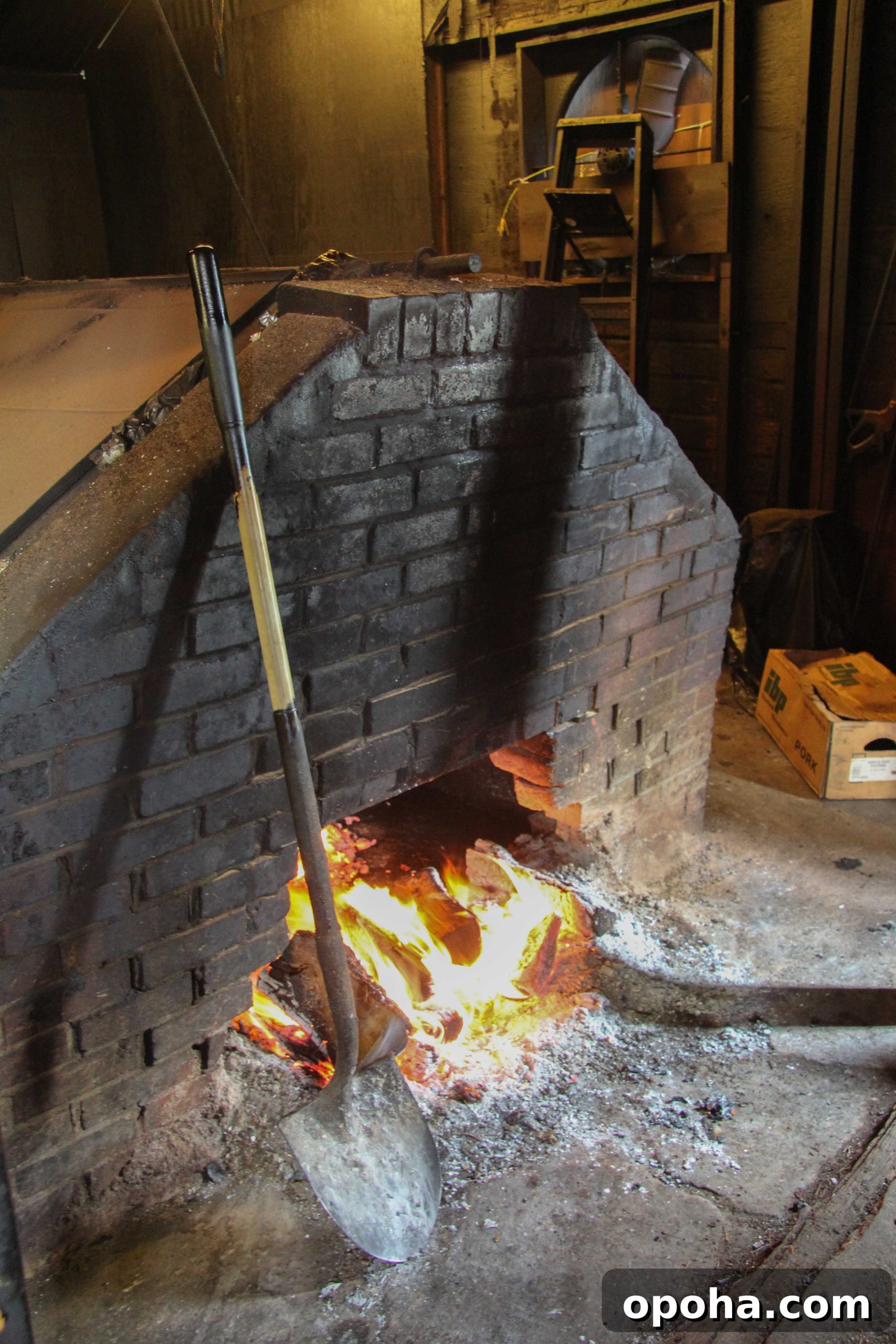
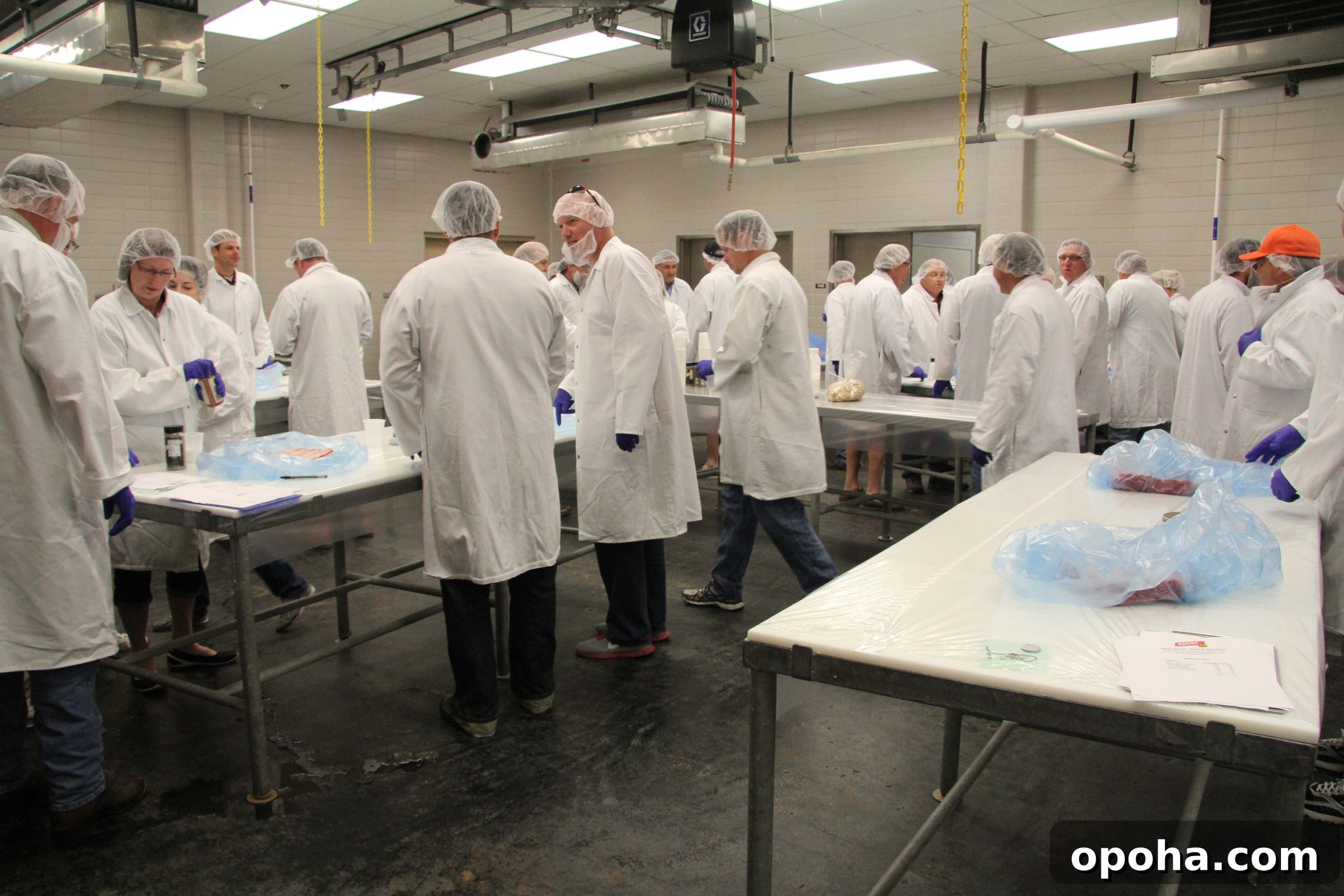
BBQ Camp is an intensive three-day program focused on barbecue techniques, science, and industry knowledge. Rather than centering on a single pitmaster’s approach, the camp brings together a diverse group of experts: university professors, seasoned pitmasters, and industry professionals. Sessions cover topics such as wood selection, smoker and pit design, rubs and seasonings, and the science behind cooking meat. The range of instructors gives attendees multiple perspectives on the craft.
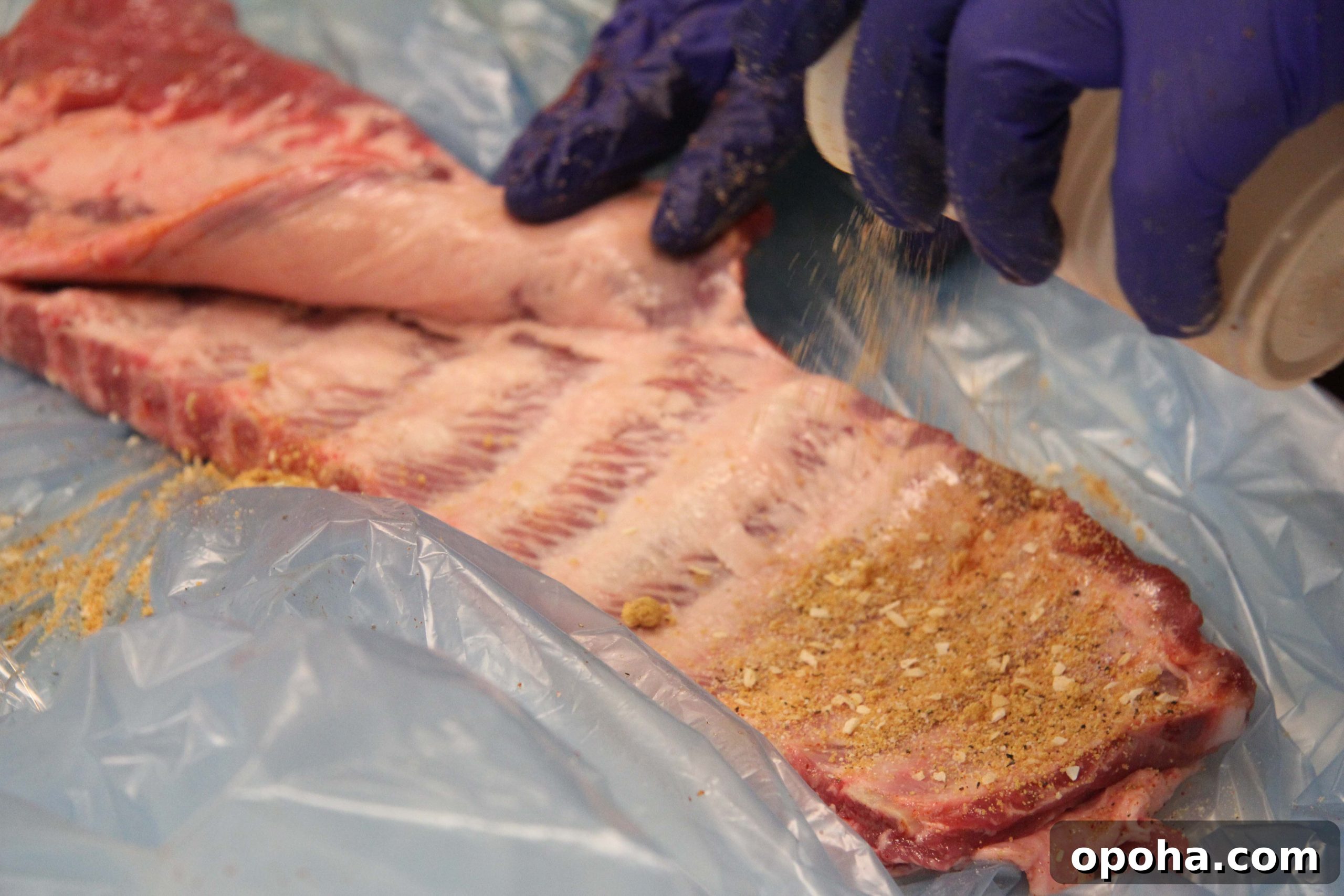
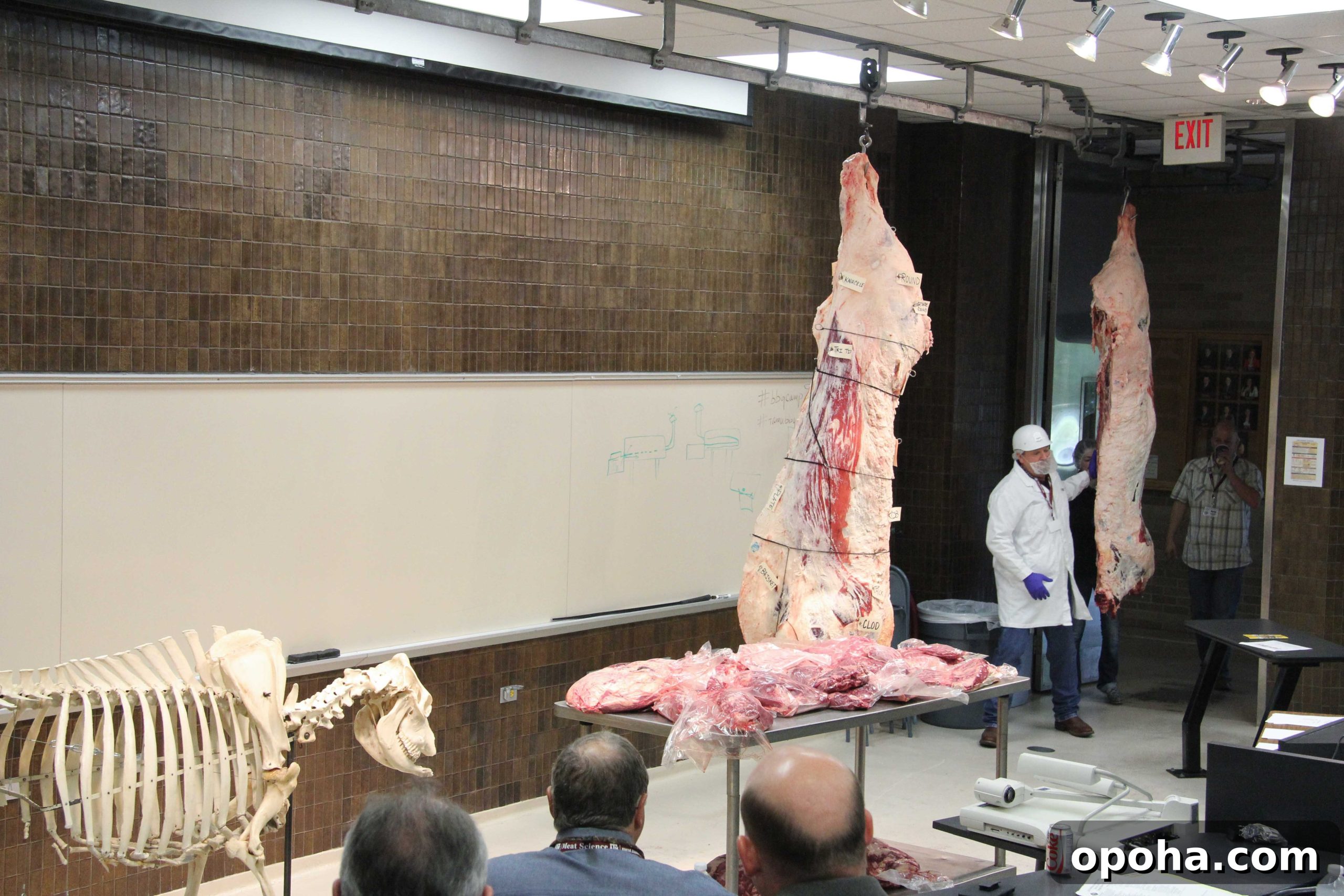
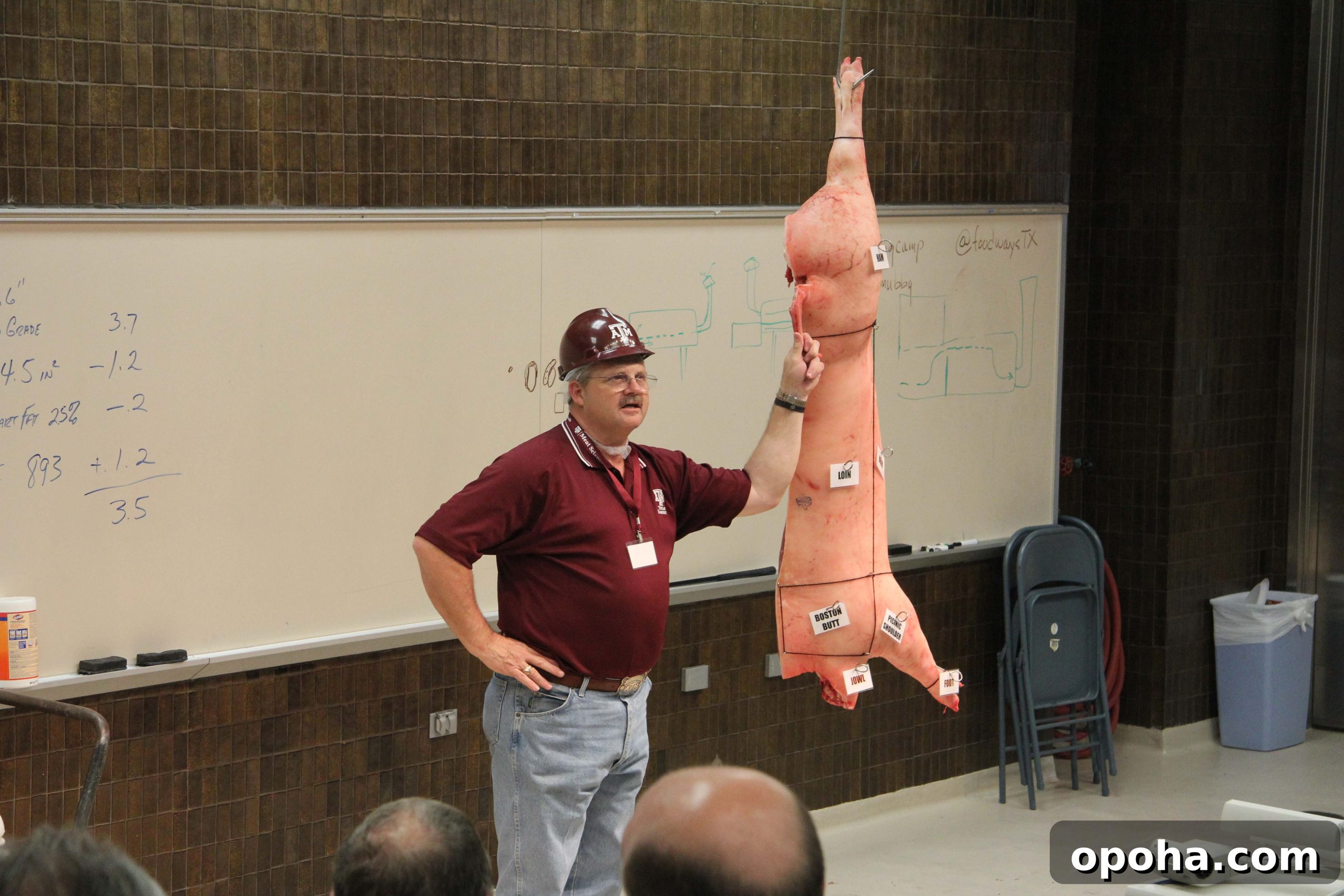
The course assumes a basic familiarity with low-and-slow barbecue—this isn’t an introductory “how to” for beginners. Instead, it dives into deeper details: the chemistry of marinades, the effects of different smoke compositions, and why meat reacts in specific ways to heat and resting. Many speakers draw from commercial-scale experience, so some discussions skew toward large-rig production rather than small backyard setups. Still, the value is in the technical depth and the opportunity to ask specific, science-based questions—like the anatomical origin of a Boston Butt or how connective tissue breaks down during long cooks.
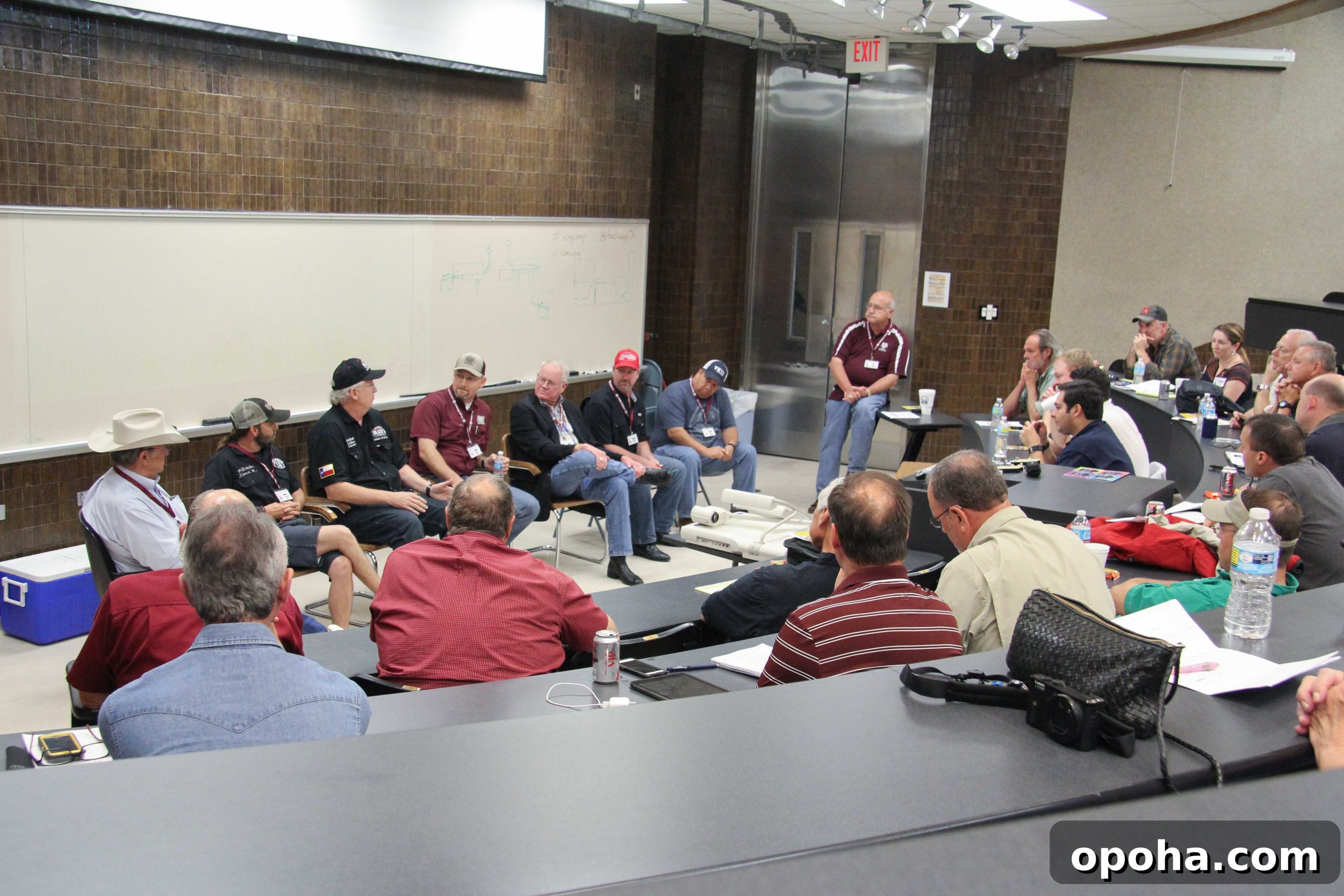
Part of the camp’s appeal is its hands-on, communal feel. Panels and lectures are often paired with Q&A sessions, so attendees can probe topics directly with field experts and academics. The atmosphere encourages meat enthusiasts to nerd out about details—cut anatomy, temperature windows, and smoke management—while also exchanging practical tips with peers.
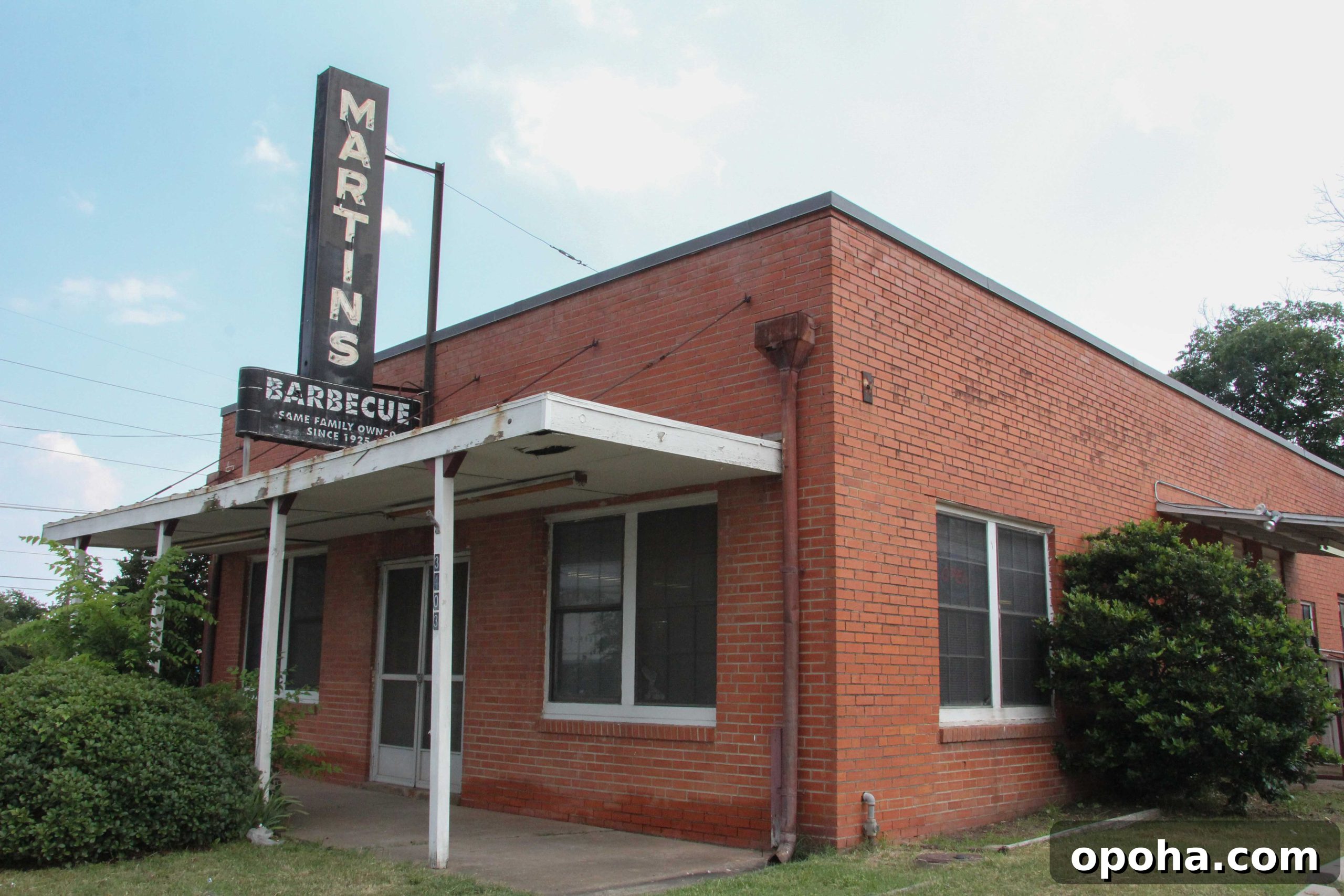
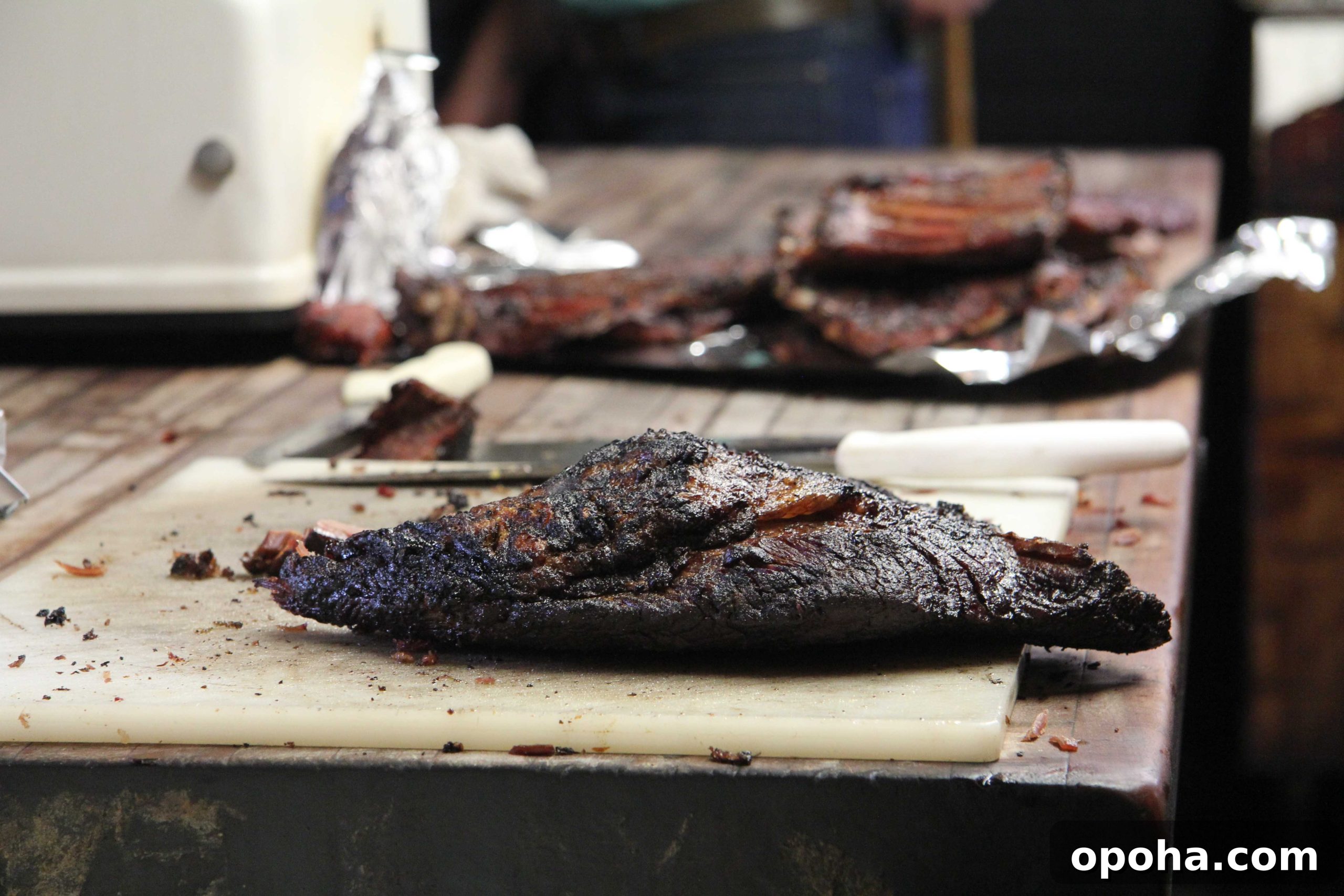
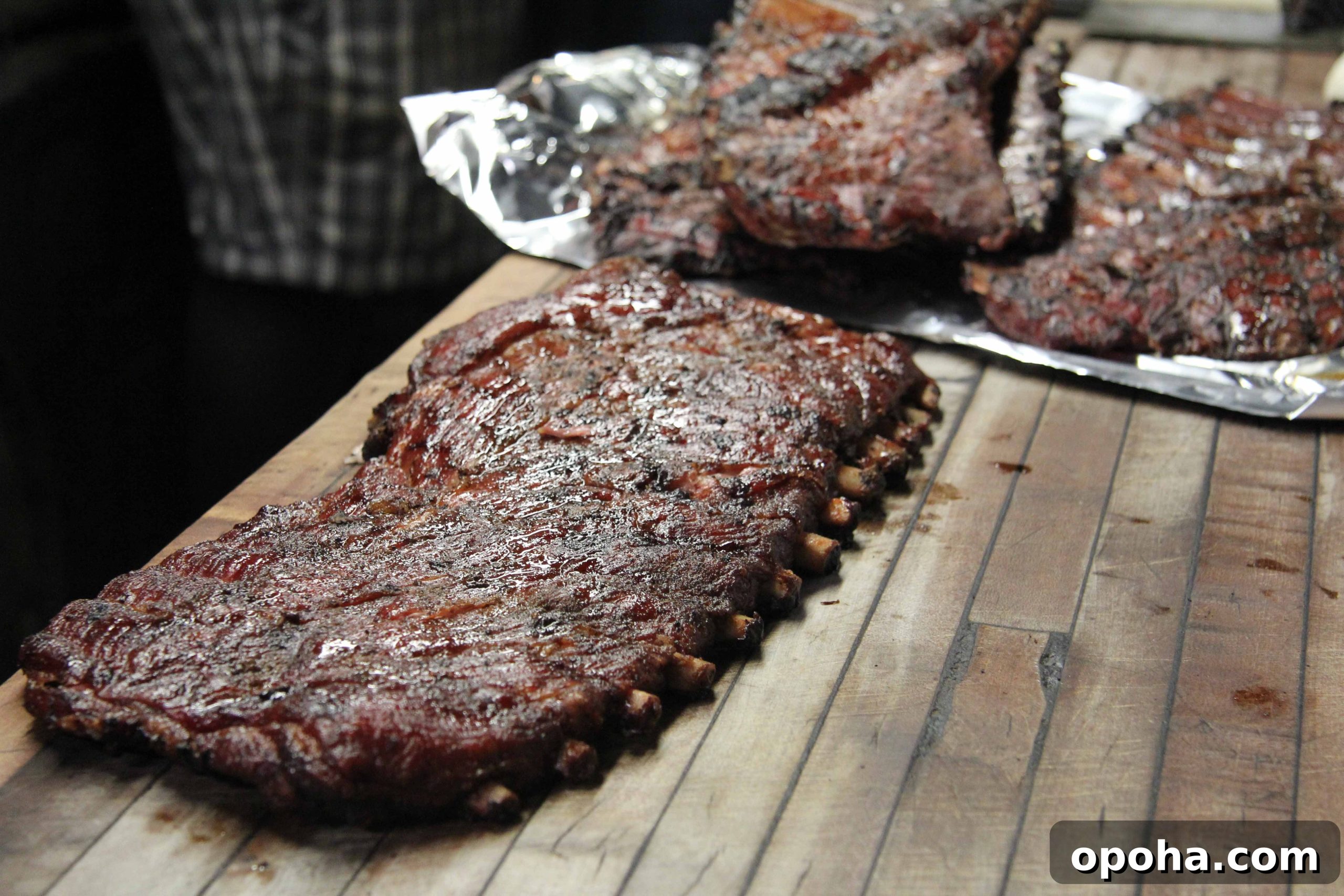
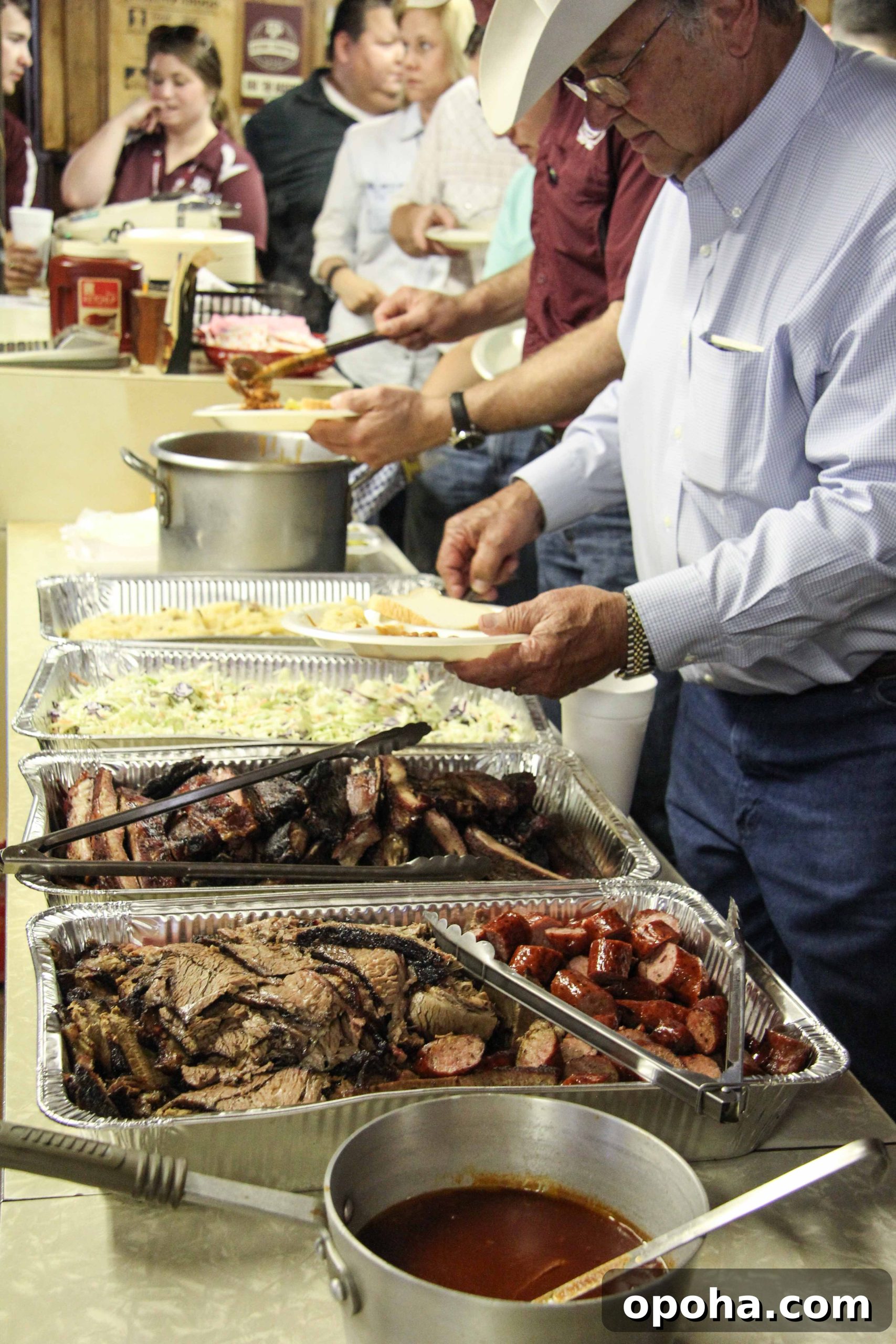
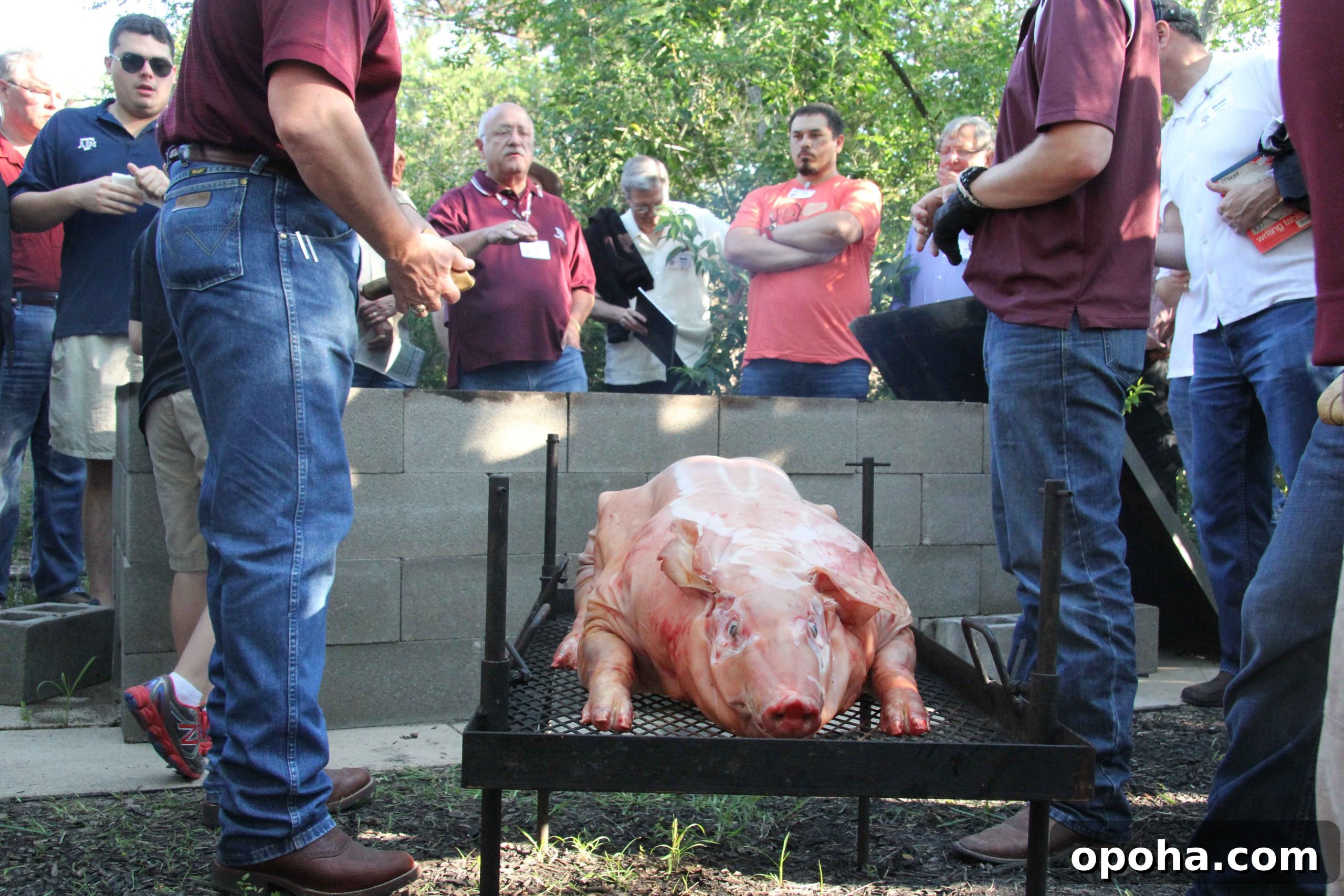
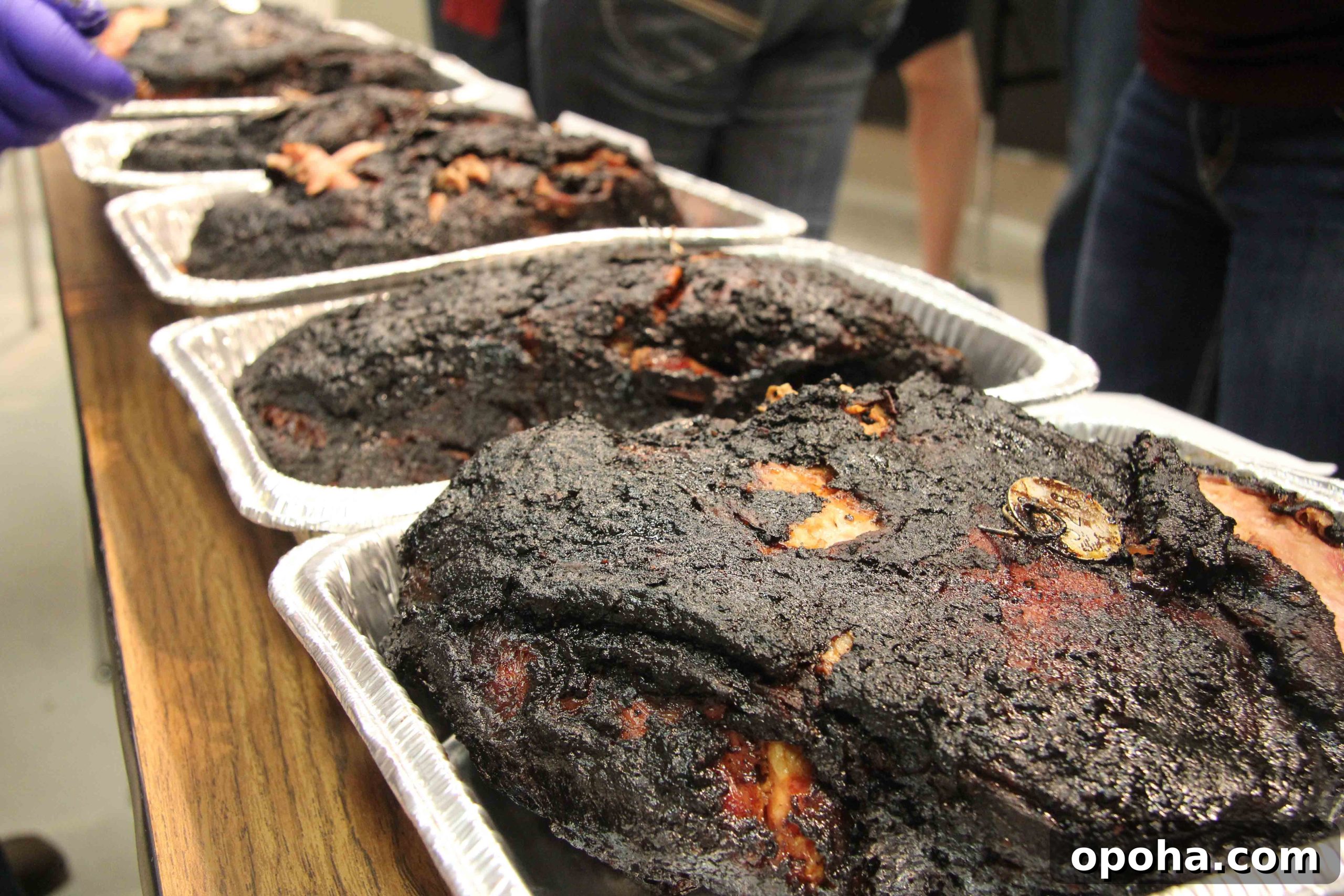
Of course, food is central to the experience. The camp’s eating schedule was plentiful and varied: an optional welcome dinner at Kreuz’s in Bryan; a barbecue lunch at Martin’s Place; a catered dinner at the TAMU Beef Center by Southside Market; student-seasoned pulled pork and brisket lunches; a pre-dinner of beef ribs prepared by Lance Kirkpatrick of Stiles Switch; a whole hog cooked in a cinder block pit (built during class the day before); and lunches featuring chicken fajitas and mayo-basted drumsticks. In short, attendees were well fed and well informed.
While the program is rigorous, the real benefit is access—access to expertise, to academic research, and to like-minded barbecue fans. For anyone already comfortable with the basics of smoking and grilling, BBQ Camp offers a concentrated look into the science and craft behind great barbecue.
For more information about Foodways Texas events and BBQ Camp, check the Foodways Texas event listings or Foodways Texas resources for future dates and details. If you missed this camp and want to try something hands-on at home, Dr. Jeff Savell’s instructions for building a cinder block whole-hog pit provide a clear, step-by-step guide to replicate one of the camp’s signature cooking methods.