Intermittent fasting has steadily grown in popularity over the past several years and last year it reached mainstream attention. Celebrities and everyday people alike have tried it. So today, let’s explore intermittent fasting: what it is, how to choose a schedule that fits your life, and — most importantly — what to eat. This intermittent fasting beginner guide includes practical food suggestions you can use when planning meals or shopping.
What Is Intermittent Fasting
Intermittent fasting (IF) is an eating pattern that alternates periods of fasting and eating. It is not a diet in the sense of prescribing specific foods; instead, it defines when you eat. During the eating window you consume your daily calories, and during the fasting window you avoid caloric intake. The structure is flexible and can be adapted to different lifestyles.
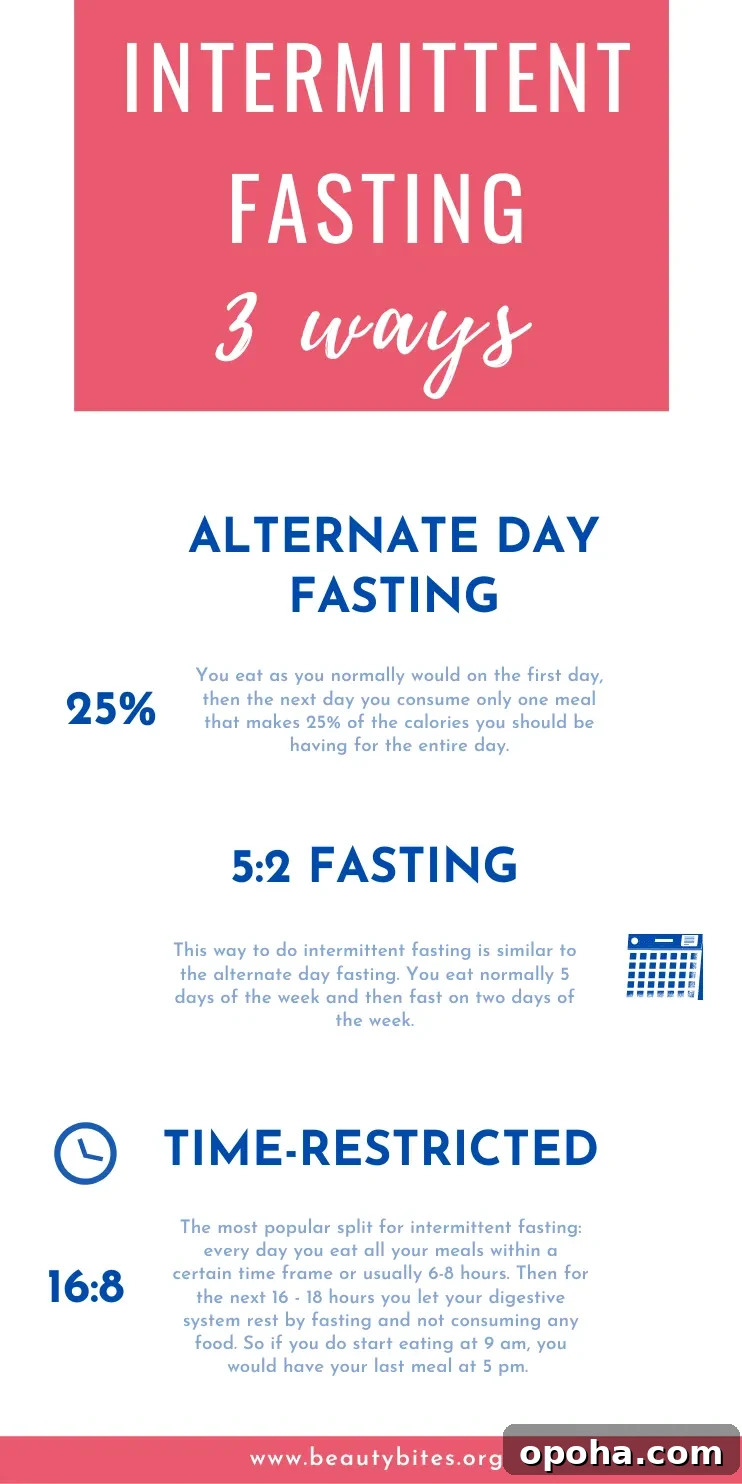
Common intermittent fasting methods include:
- Alternate-day fasting: Eat normally one day, then limit intake the next day to a single meal providing roughly 25% of usual calories (for a 2,000 kcal plan, about 500 kcal).
- 5:2 fasting: Eat normally five days a week and restrict calories on two nonconsecutive days to around 500 kcal each.
- Time-restricted feeding: Consume all daily calories within a set window each day. A popular example is 16:8 (16 hours fasting, 8 hours eating), though options range from 12:12 to 20:4 depending on how restrictive you want the routine to be.
Each approach can deliver benefits; choose the schedule that best fits your routine and preferences. Starting with a more manageable option increases the likelihood of long-term success.
Benefits Of Intermittent Fasting
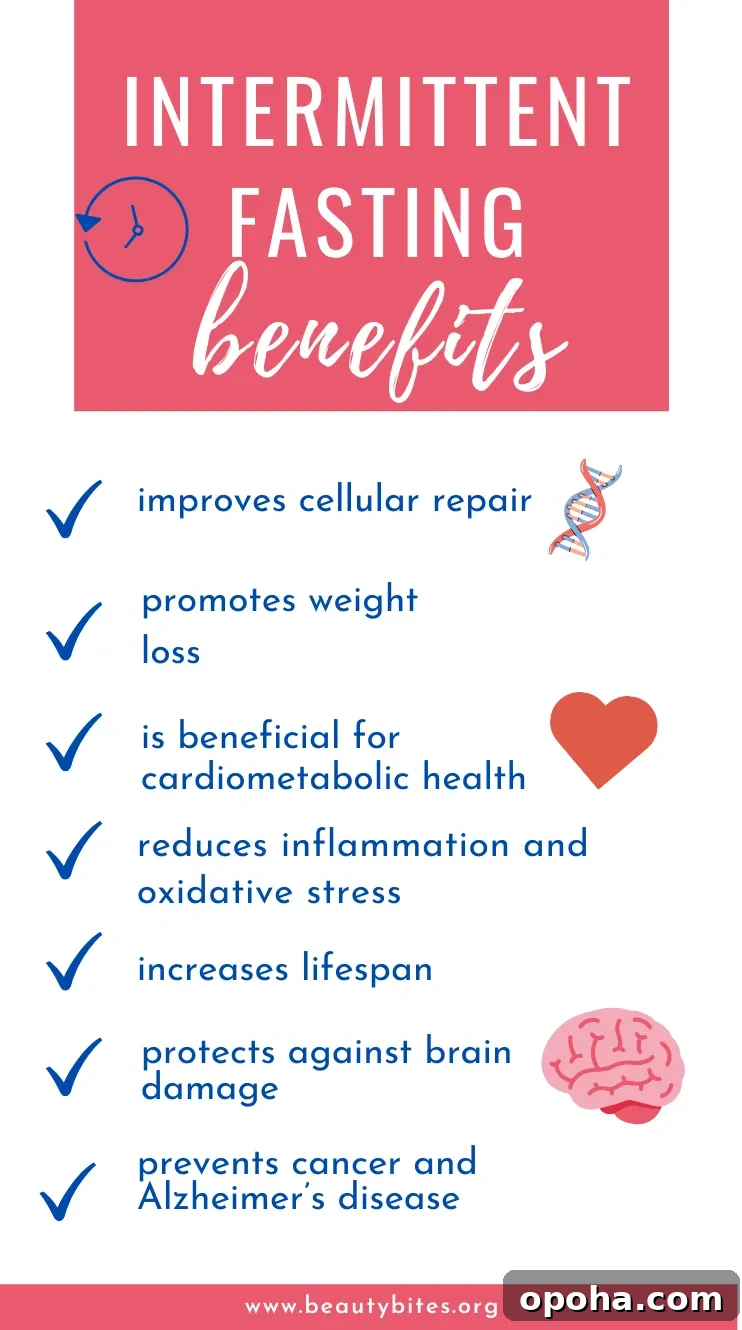
Intermittent fasting resembles traditional eating patterns observed in many cultures where meals were less frequent than modern snacking habits. Research suggests periodic calorie restriction and fasting windows can support health in various ways. Reported and studied benefits include:
- Improved cellular repair and autophagy
- Weight loss and improved body composition
- Better cardiometabolic health markers
- Reduced inflammation and oxidative stress
- Potential protective effects against neurodegenerative disease and certain cancers
- Support for brain health and resilience
- Possible increases in lifespan observed in some models
While these benefits are promising, individual results vary and more long-term research is ongoing.
Intermittent Fasting Is Not For Everyone
Intermittent fasting isn’t appropriate for everyone. Restricting calories or changing meal timing can affect hormones and metabolic health, so consult your healthcare provider if you have medical conditions. IF is generally not recommended without medical supervision for people with diabetes, those who are pregnant or breastfeeding, or anyone with a history of eating disorders or disordered eating patterns.
Intermittent Fasting: What To Eat
When you practice intermittent fasting, food quality matters. Eating nutrient-dense meals helps you stay satisfied during fasting windows and ensures you meet your nutritional needs. Below are food groups to prioritize for balanced energy, satiety, and long-term health while following IF.
Simple dietary habits—like emphasizing plants, reducing refined sugar, and choosing fatty fish over processed meats—can improve energy, mood, and overall well-being whether or not you fast. Even if weight loss occurs primarily due to reduced calories, prioritizing whole foods supports health long-term.
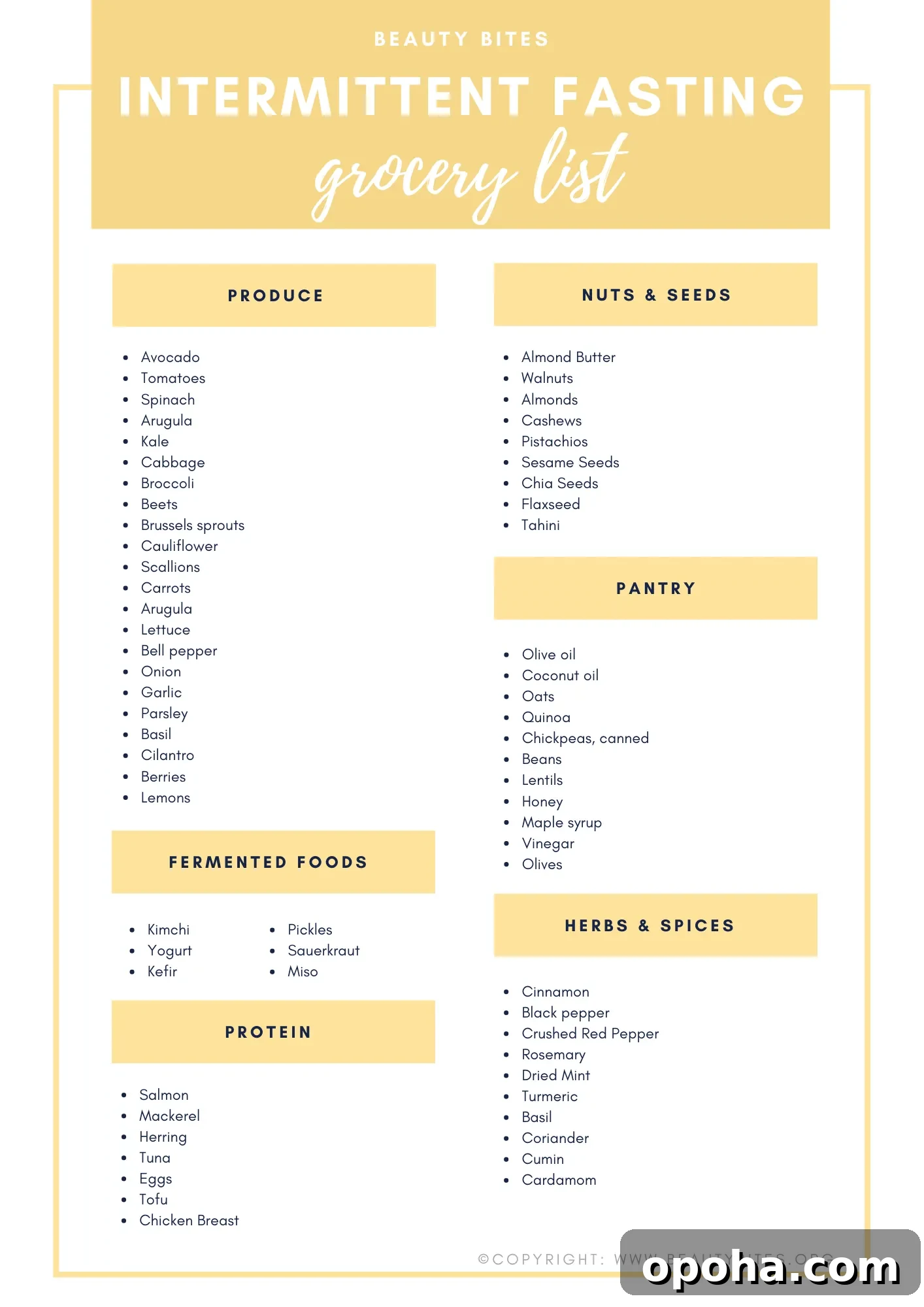
Here are the foods to include regularly when fasting:
1. Leafy Greens and Cruciferous Vegetables
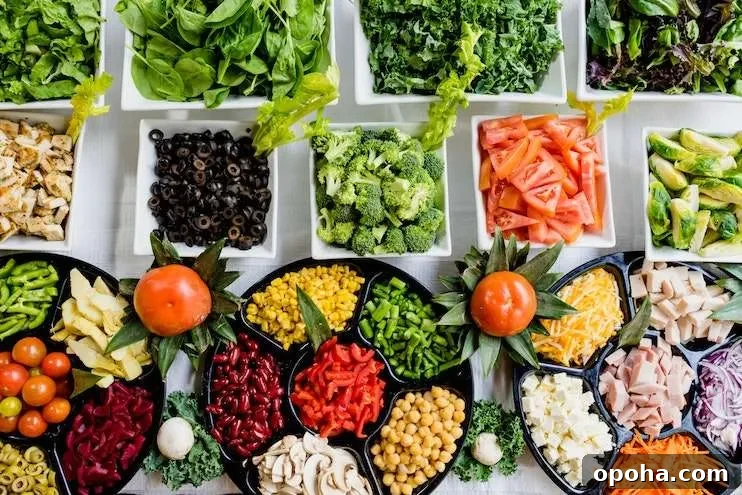
Aim to include greens like spinach, kale, arugula, bok choy, and cruciferous vegetables such as broccoli, cauliflower, cabbage, and Brussels sprouts. These vegetables are nutrient-dense, low in calories, and rich in fiber, vitamins, and phytonutrients that support cellular health and may protect against chronic disease.
2. Fatty Fish
Fatty fish such as salmon, mackerel, and light tuna provide long-chain omega-3 fatty acids (EPA and DHA) that the body can use directly. Regular consumption—about one to two servings weekly—supports heart and brain health and helps maintain a healthier omega-3 to omega-6 balance.
3. Nuts and Seeds
Nuts and seeds are rich in healthy fats, fiber, protein, vitamins, and minerals. Options like almonds, walnuts, chia, flaxseed, sesame, cashews, and pistachios help keep you satiated between meals and provide nutrient-dense calories.
4. Red and Purple Fruits and Vegetables
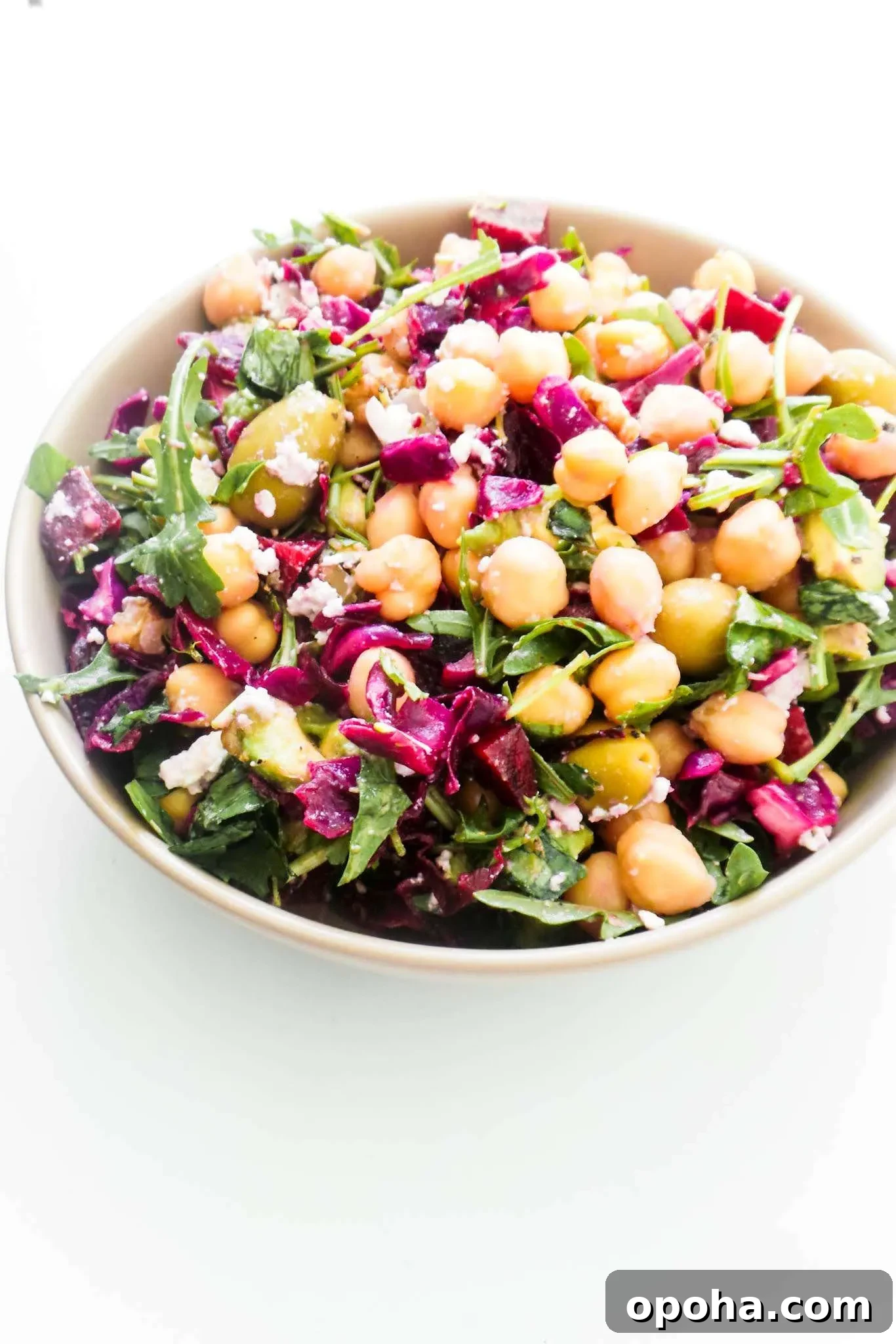
Tomatoes, beets, red cabbage, radishes, red peppers, and berries are high in antioxidants such as lycopene and anthocyanins. These pigments support cellular health and can contribute to protection against premature aging and chronic disease.
5. Plant-Based Protein Sources
Tofu, tempeh, lentils, chickpeas, hemp seeds, and a variety of beans are excellent plant protein sources that also deliver fiber. These foods help you feel full longer and contribute to stable blood sugar and digestive health.
6. Whole Grains
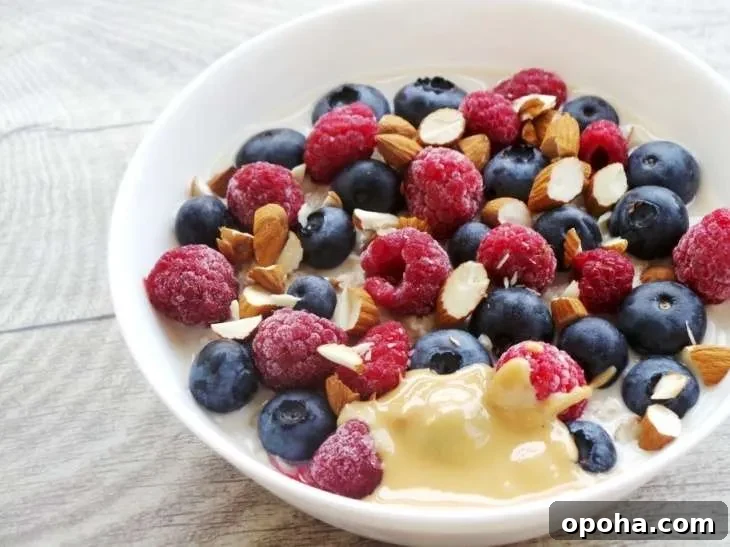
Whole grains like oats and quinoa offer fiber, protein, and important micronutrients. Oats can help lower cholesterol and support digestion, making them a great breakfast choice, while quinoa pairs well with salads, bowls, and soups.
7. Fermented Foods
Fermented foods supply beneficial probiotics that support gut health and immune function. Include sauerkraut, yogurt, kimchi, tempeh, and naturally fermented pickles to maintain healthy gut flora, especially after antibiotic use.
Combining these food groups helps you stay satisfied during fasting windows and ensures a broad range of nutrients for immune function, digestion, and overall well-being. While consuming fewer calories can aid weight loss, prioritizing nutrient density is essential for sustainable health.
Intermittent Fasting Meals
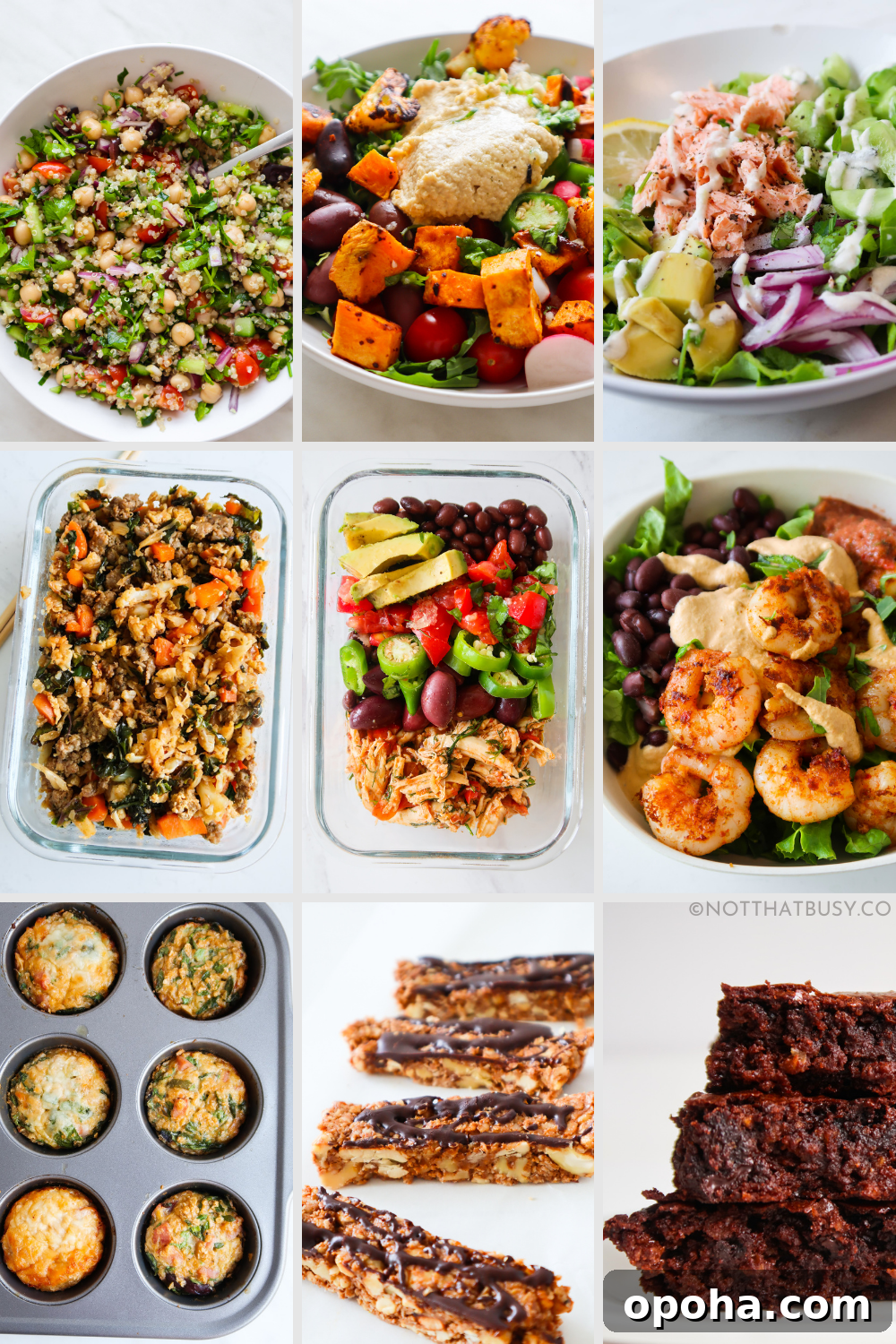
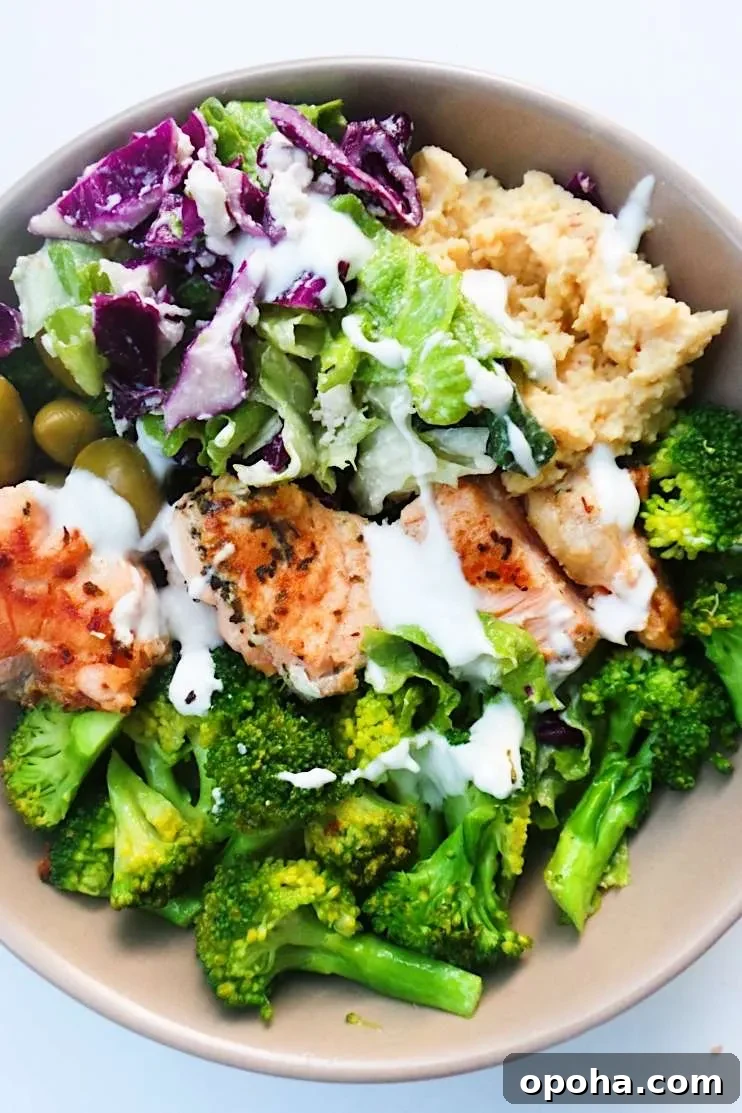
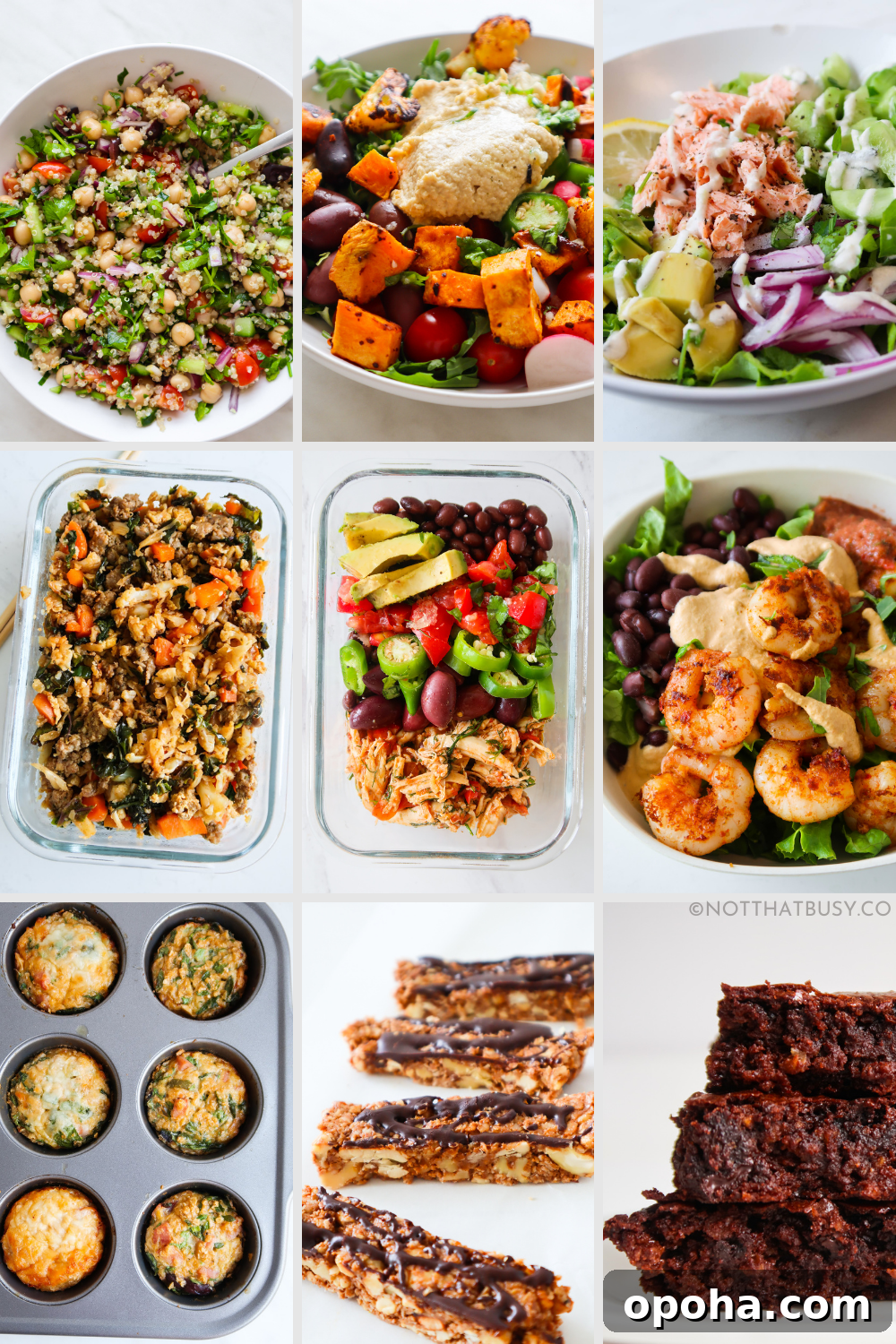
If you want meal ideas that are easy, gluten-free, and dairy-free, consider curated clean-eating recipe collections that focus on whole-food meals. Look for recipes that combine protein, healthy fats, fiber, and vegetables to keep you satisfied during fasting windows. Simple staples—grain bowls, salads with legumes or fish, hearty vegetable soups, and overnight oats—work well for most IF schedules.
Have You Tried It?
This beginner guide aims to give you practical information and food ideas for intermittent fasting. If you haven’t tried IF yet, consider starting with a flexible, manageable plan and consult your healthcare provider if you have health concerns.
If you have experience with intermittent fasting, share what worked for you: which schedule you used, whether you noticed increased energy or focus, or improvements in weight and health markers. Personal stories often inspire others who are just getting started.
You Might Also Like
- 7 Habits That Will Heal Your Gut
- The One Habit That Can Prolong Your Life
- 7-Day Clean Eating Meal Plan
- One Week Low Carb After 2 PM Meal Plan