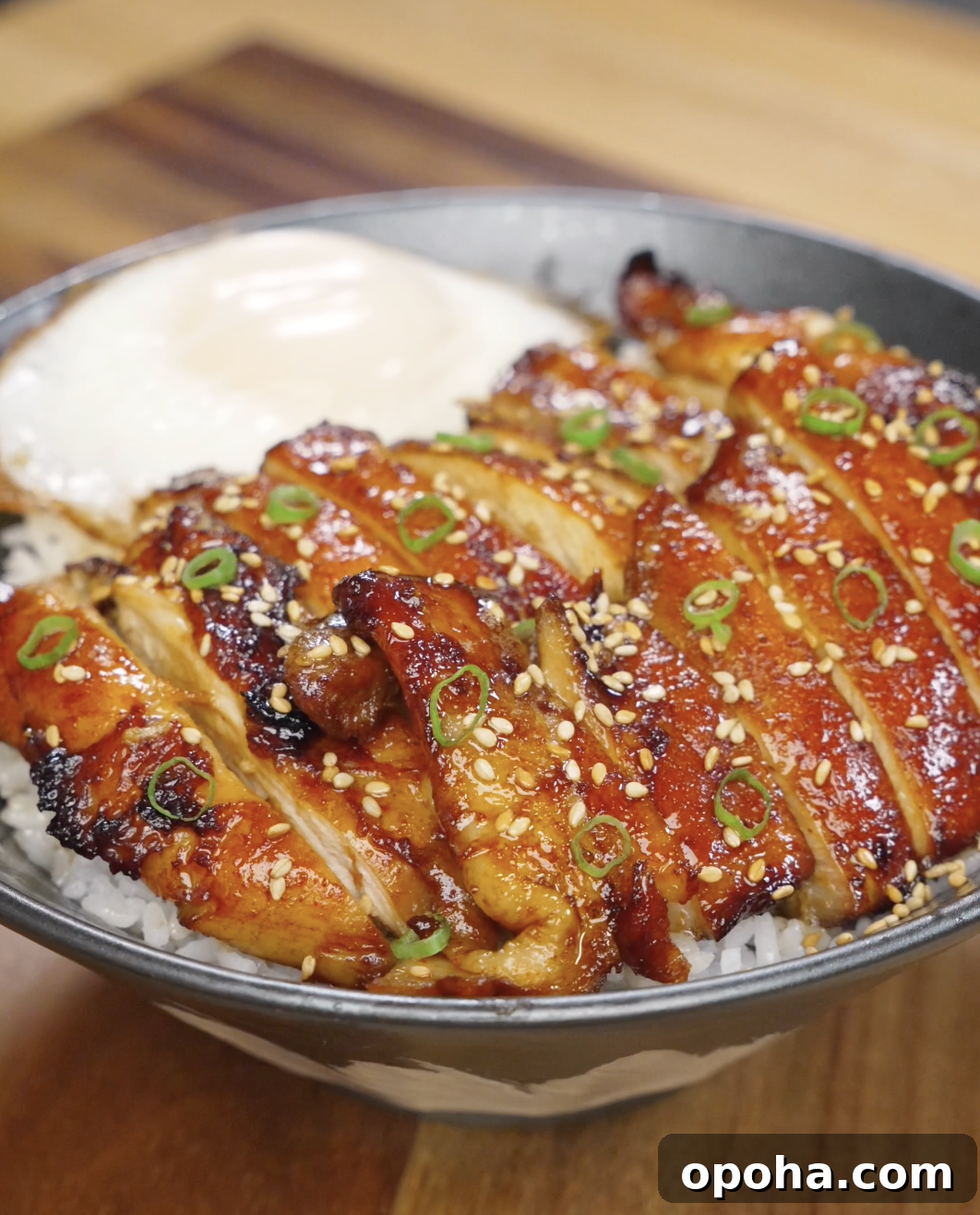
Chicken Bulgogi Recipe
Equipment
-
Air fryer or frying pan
-
Mixing bowls
Ingredients
Chicken Bulgogi
- 16 oz. chicken thighs
- 1 tbsp gochujang
- 1 tbsp dark soy sauce
- 2 tbsp light soy sauce
- 3 cloves garlic, minced
- 1 tbsp grated ginger
- 2 tbsp brown sugar
- 1 tsp sesame oil
- ¼ tsp white pepper
Optional Garnishes
- Steamed rice
- Sesame seeds
- Scallions
- Fried egg
Instructions
-
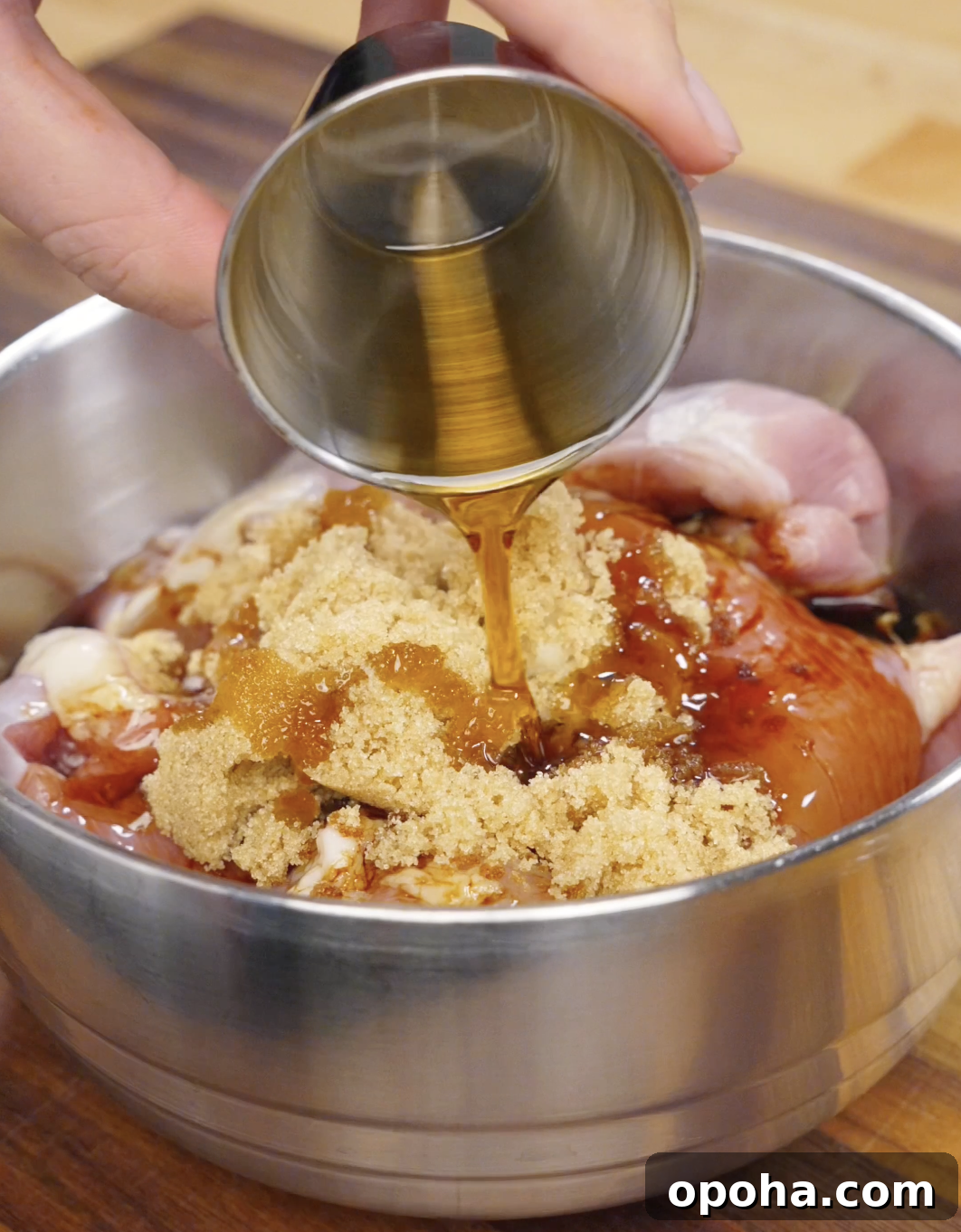
Put the chicken thighs in a bowl and add gochujang, dark soy sauce, light soy sauce, minced garlic, grated ginger, brown sugar, sesame oil, and white pepper. Toss to coat and let the chicken marinate for at least 15 minutes.
-
Lightly oil the air fryer basket (or heat a pan). Arrange the chicken in a single layer and cook at 350°F (175°C) for about 10 minutes, until the meat is cooked through and the surface is slightly caramelized. If using a pan, cook over medium heat until done, turning as needed.
-
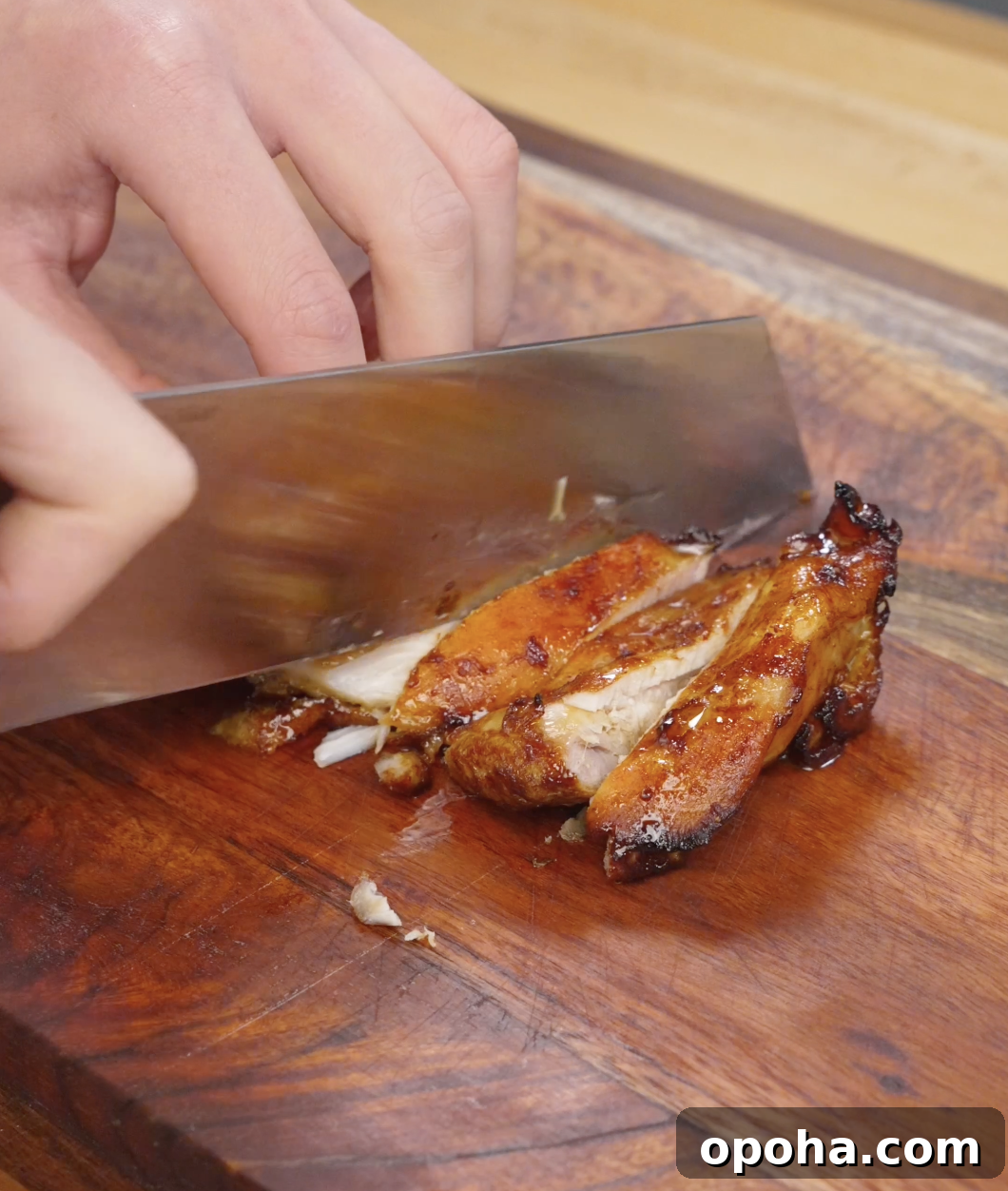
Transfer the chicken to a cutting board and let it rest briefly, then slice into thin strips against the grain.
-
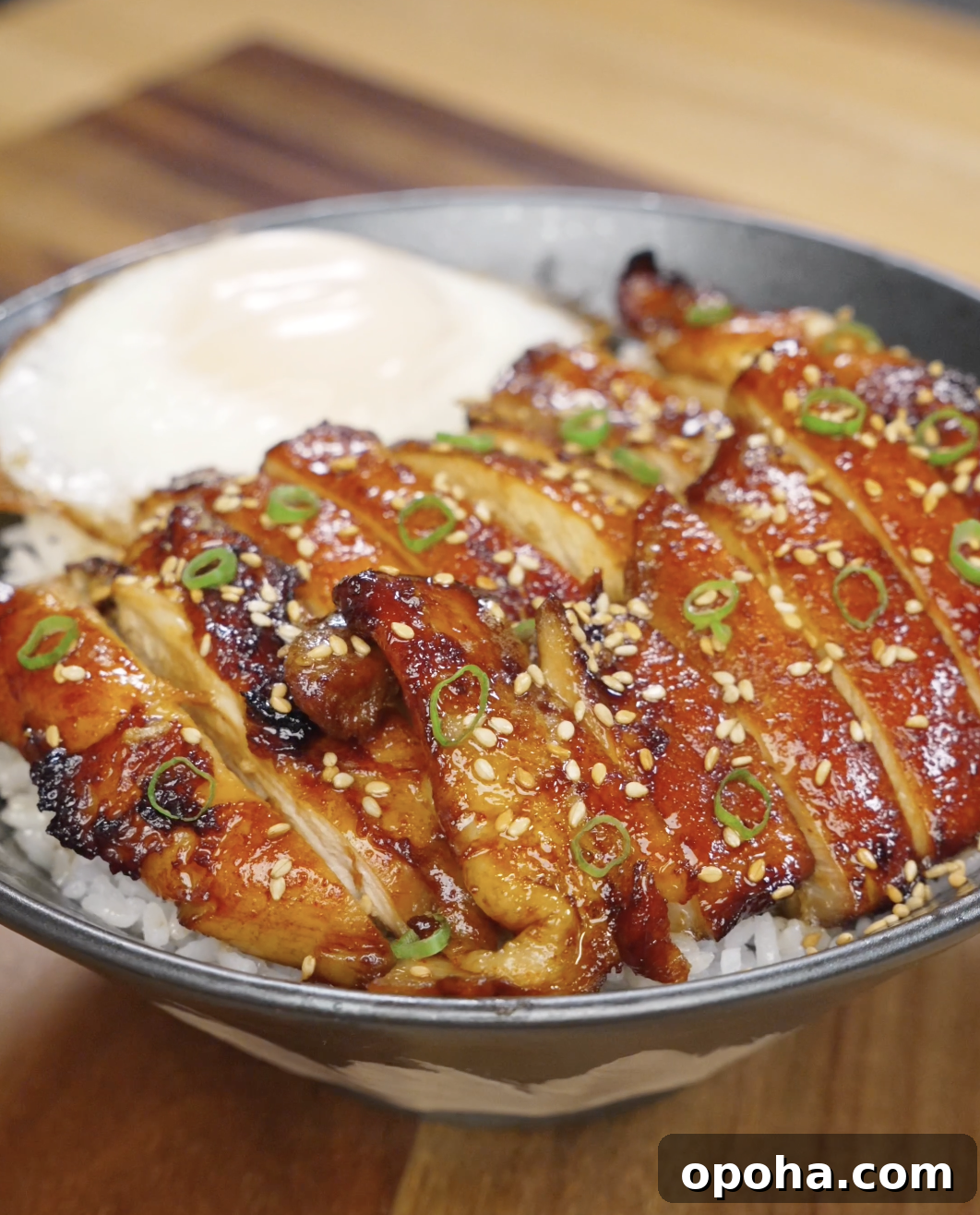
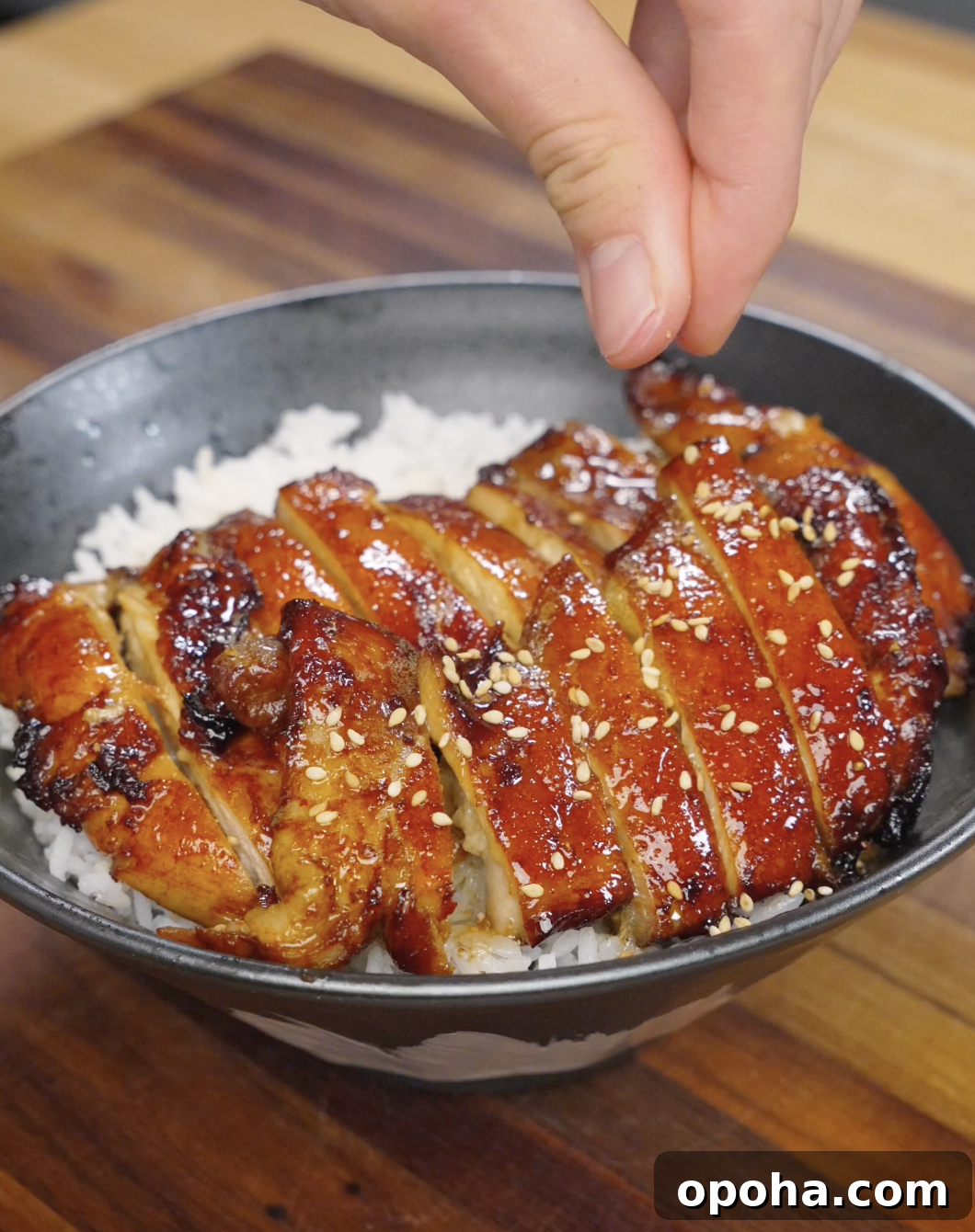
Serve the sliced chicken over steamed rice. Garnish with sesame seeds and sliced scallions, and add a fried egg if desired.
Video
Nutrition
Nutrition information is automatically calculated, so should only be used as an approximation.
Like this recipe? Rate & Comment Below!
Introduction
This chicken bulgogi recipe is built for modern kitchens and works beautifully in an air fryer. The air fryer recreates that grilled, caramelized exterior with minimal mess, and boneless chicken thighs are easy to find and stay juicy. It’s a reliable weeknight dinner that’s quick to prepare and forgiving with measurements, so you can adapt it to your pantry without losing flavor.
Why This Chicken Bulgogi Recipe Is So Great For Weeknight Meals
This version is ideal for weeknights because the marinade does the heavy lifting and the air fryer speeds up cooking. The recipe is designed to be flexible — the marinade amounts aren’t ultra-precise, so it’s easy to tweak to taste. Serve it over rice, wrap it in lettuce, or use it as a sandwich or taco filling; the bold, balanced flavors hold up in many formats.
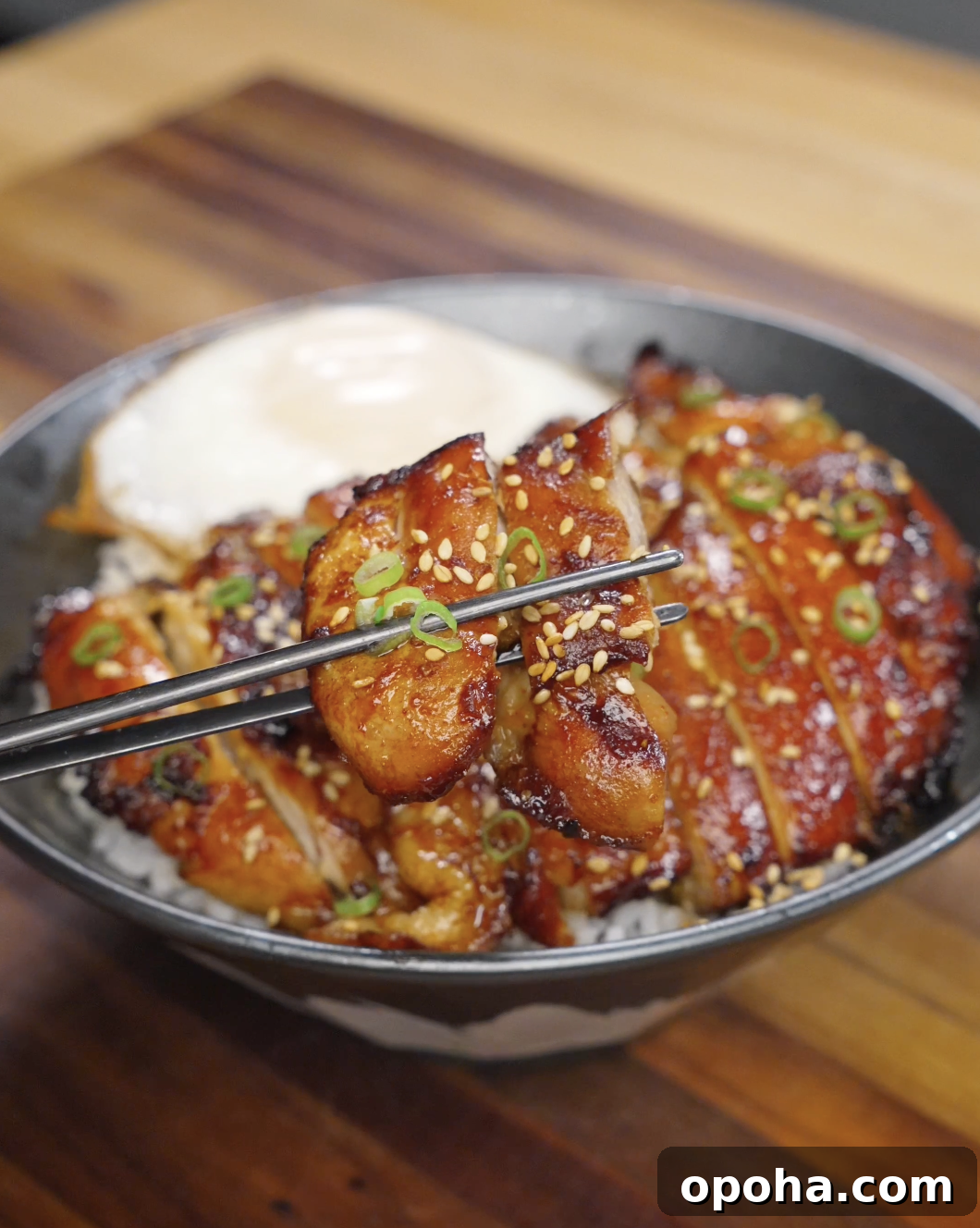
What Makes This Chicken Bulgogi Recipe Stand Out
Instead of relying on blended fruits or onions to tenderize and sweeten, this recipe uses a straightforward blend of gochujang, soy sauces, garlic, ginger, and brown sugar to deliver a similar sweet-savory profile. It skips some extra steps while preserving the depth of flavor that makes bulgogi special. Using thighs rather than breast helps the marinade caramelize without drying out the meat, giving you richer texture and a more authentic finish.
Chicken Bulgogi Recipe Ingredients
Boneless skinless chicken thighs – The best choice for tenderness and caramelization.
Soy sauces – Provide the salty, savory backbone of the marinade.
Gochujang – Adds heat and deep umami.
Brown sugar – Balances salt and helps form a glossy, caramelized exterior.
Garlic, ginger, and sesame oil – Give aromatic depth and a toasted note.
Optional rice – A neutral base that soaks up the sauce and completes the meal.
How to Make Chicken Bulgogi
Place the chicken thighs in a bowl and add gochujang, dark soy sauce, light soy sauce, minced garlic, grated ginger, brown sugar, sesame oil, and white pepper. Mix to coat and let sit at least 15 minutes.
Lightly oil the air fryer basket and arrange the chicken in a single layer. Cook at 350°F (175°C) for about 10 minutes until done and slightly caramelized. If you prefer a pan, cook over medium heat until the chicken reaches a safe internal temperature.
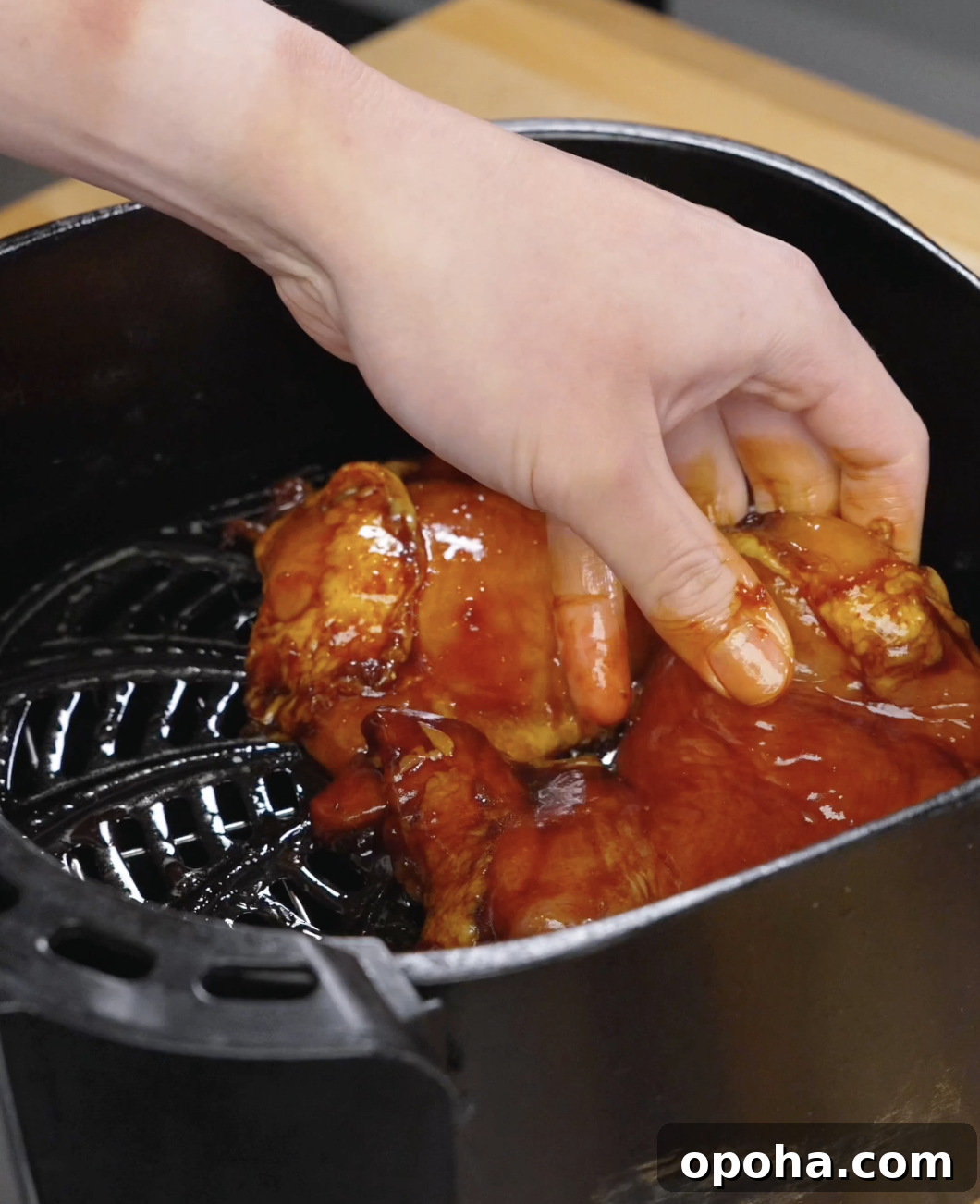
Let the chicken rest briefly, then slice into thin strips.
Serve over steamed rice and garnish with sesame seeds and scallions. A fried egg on top is optional but recommended for extra richness.
What to Serve with Chicken Bulgogi
This chicken bulgogi is delicious on its own, but it also pairs well with classic Korean-style sides. Try:
- Steamed white rice. The traditional base for bulgogi.
- Pickled vegetables. Kimchi or quick-pickled cucumbers add acid and crunch.
- Lettuce wraps. For a low-carb option, wrap the meat in lettuce leaves and add a bit of fermented paste if you like extra umami.
- Fried egg. A runny yolk adds richness and helps bind the flavors.
How to Store Chicken Bulgogi
Store cooked bulgogi in an airtight container in the refrigerator for up to 4 days. You can marinate raw chicken and freeze it in a sealed container or bag for up to a month; thaw before cooking.
Chicken Bulgogi Substitutions
This recipe is flexible. Some easy swaps:
- Chicken breast. Leaner but drier — reduce cook time and watch closely so it doesn’t overcook.
- Honey. Use honey instead of brown sugar for a different sweetness and good caramelization.
- Vegetables. The same marinade works well on grilled vegetables like onions, eggplant, asparagus, or bell peppers.
What to Make Next
If you want more Korean-inspired dishes, consider other grilled or braised mains, or try noodle dishes that carry similar savory-sweet flavors.