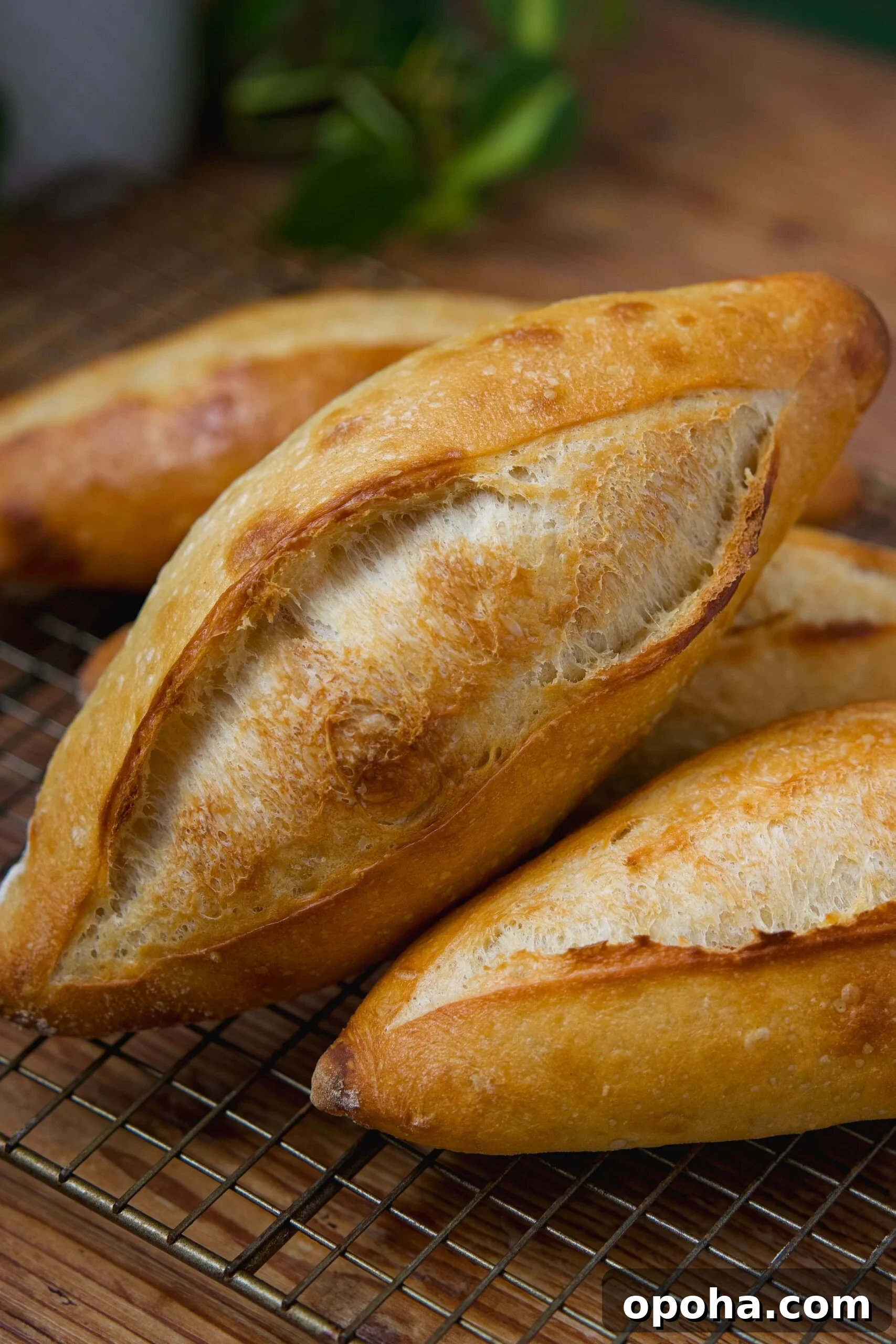
This birote salado recipe took three years to perfect, and I’m thrilled to finally share it with you.
Of all the recipes I’ve published, this one means the most to me. I developed it for my father—born in Guadalajara—who has long said good birotes are impossible to find in the U.S. I set out to recreate that crusty, flavorful roll he missed so much, and after many trials I landed on this version.
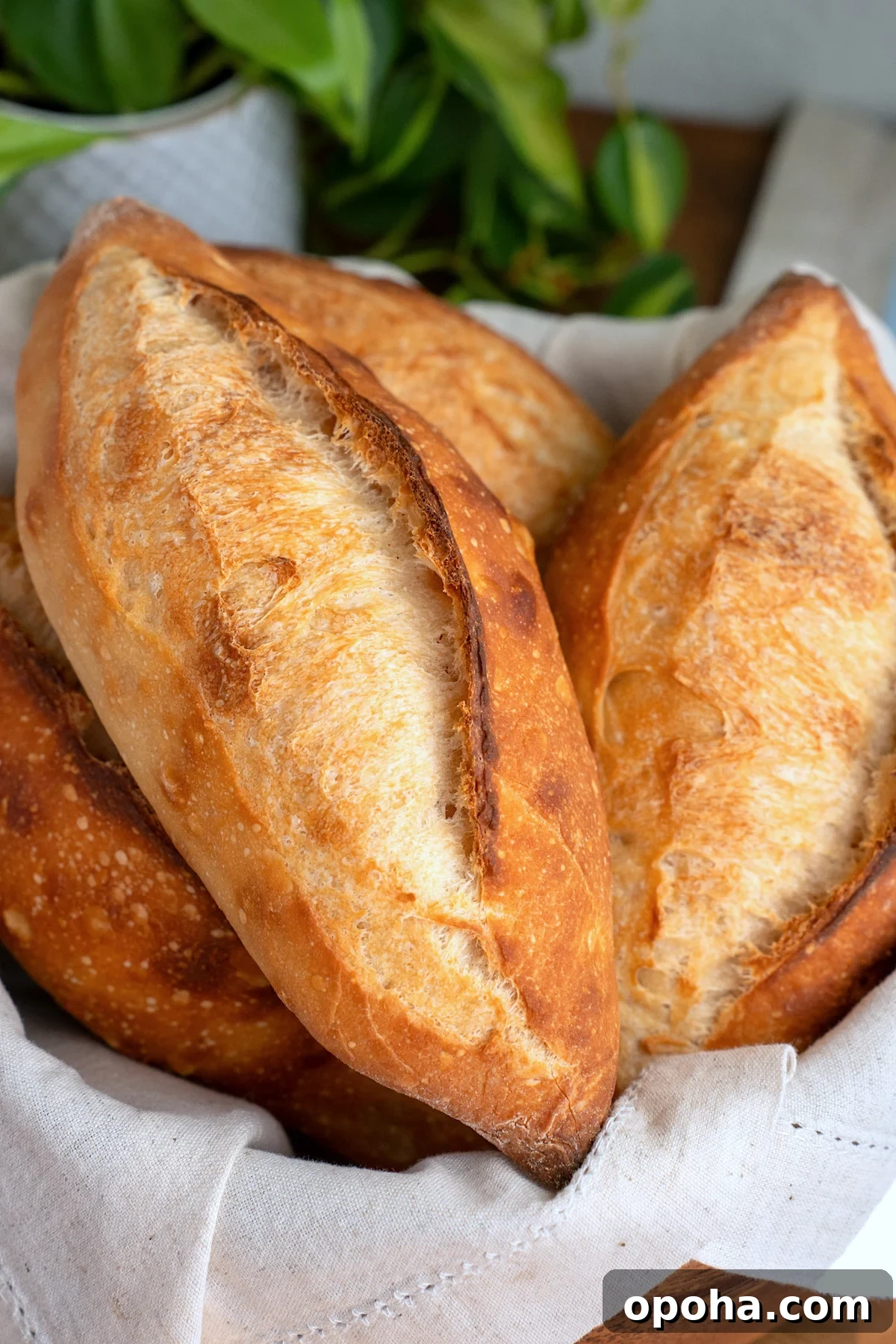
Why You’ll Love This Recipe
If you want birotes that recall the crusty rolls from Guadalajara, this recipe delivers. Highlights:
- This recipe is the result of careful development over three years, including learning to manage and use a strong sourdough starter.
- Birotes salados are rare in many places, even in regions with large Mexican communities, so making them at home fills a gap.
- The instructions include step-by-step photos for every stage to help you avoid mistakes.
- My father tested each batch and, after many adjustments, this version finally earned his approval along with my abuela and tio. Now they ask me to bake birotes whenever we get together.
Disclaimer: I’ve aimed to recreate birotes as closely as possible, but factors like local microbiome, elevation, water, and climate mean the result won’t be an exact match for every bakery in Guadalajara.
What is Birote Salado?
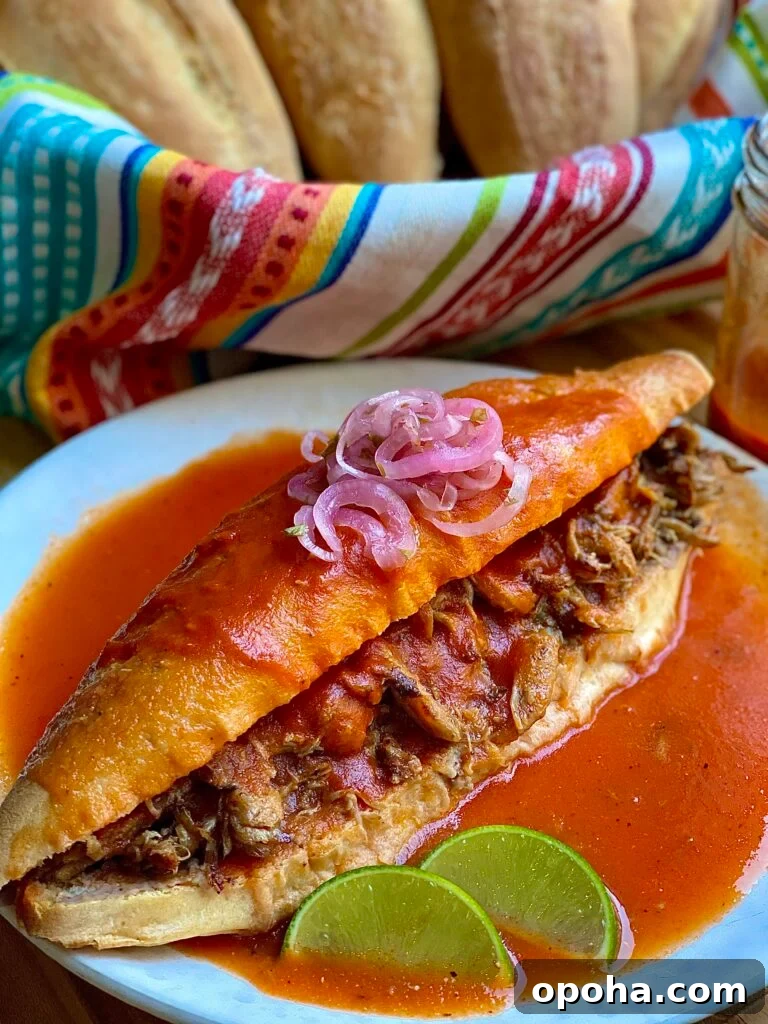
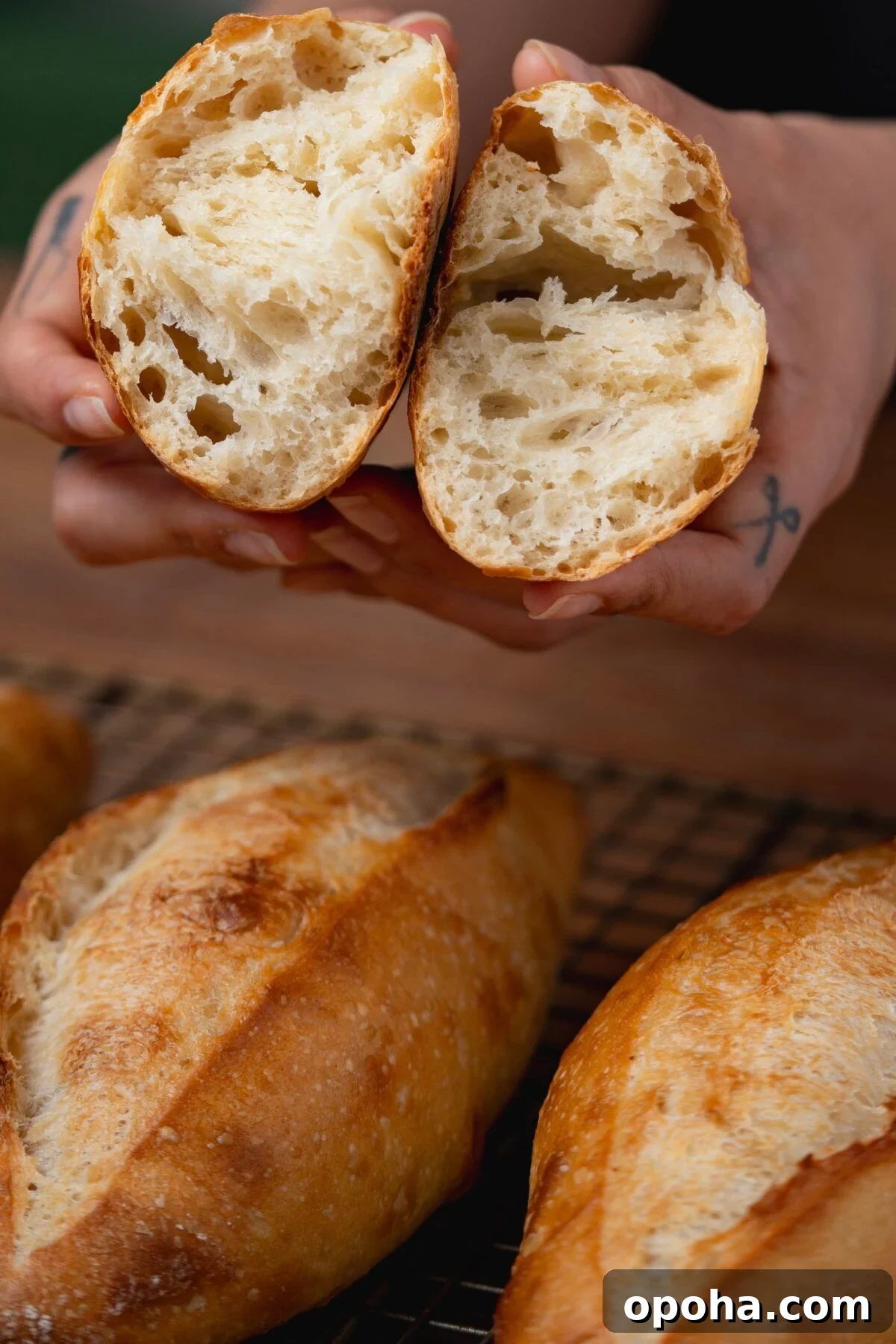
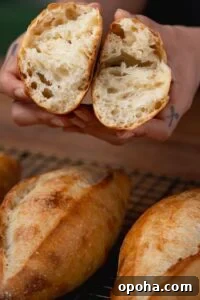
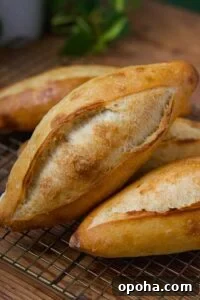
Birote salado is a regional sourdough bread from Guadalajara, Jalisco. It’s prized for a crunchy crust and soft, airy interior and is traditionally used for tortas ahogadas, a classic Guadalajara sandwich.
Think of birotes as similar to a short sourdough baguette. They’re made with a wild-yeast starter and shaped like a short baguette, but their levain includes unique enrichments—lime juice, egg, beer, sugar, and a touch of salt—which produce a distinct flavor and texture compared to typical sourdough breads.
A Brief History
The origins of birote salado trace to 19th-century Guadalajara and likely draw influence from French baguette techniques. One popular theory credits a Belgian named Camille Pirotte for introducing a sourdough-style bread when commercial yeast was scarce—hence the name “birote” possibly evolving from “Pirotte.” While exact details are uncertain, the story aligns with how European bread techniques were adapted locally.
Ingredients
For the levain
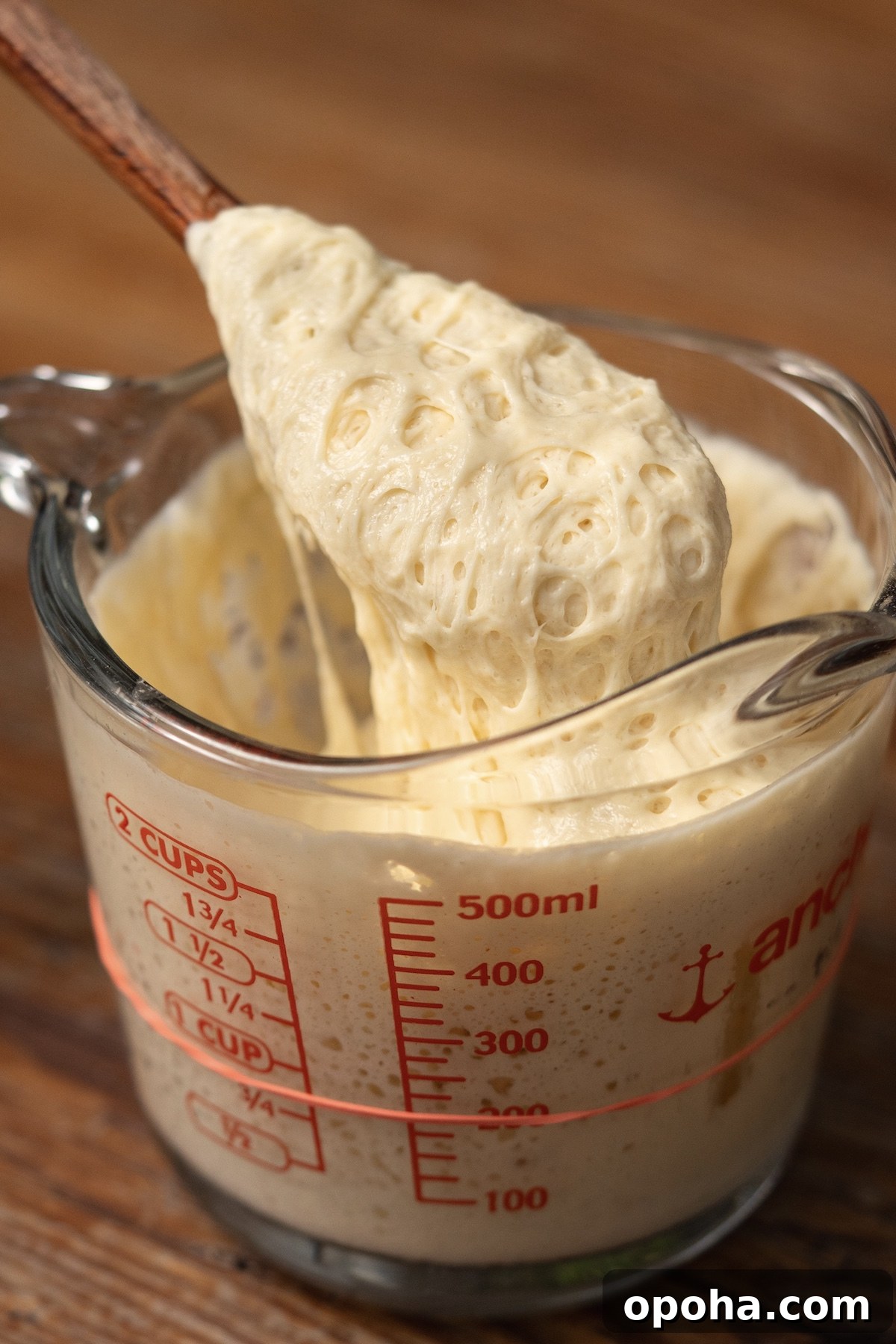
- Sourdough starter — an active, established starter is required. The starter should have peaked and be beginning to fall slightly.
- Mexican lager — a light lager adds flavor and carbonation for a slightly airier crumb.
- Lime juice — contributes brightness and a subtle tang while influencing fermentation.
- Egg — enriches the levain and helps produce a golden crust.
- Sugar — a small amount to feed the yeast and balance flavors without making the bread sweet.
- Salt — used sparingly in the levain, traditionally to help control fermentation in warm climates.
- Flour — all-purpose or a blend; details in the recipe below.
For the final dough
- All of the levain (about 250 g)
- Flour — either bread flour or all-purpose, or a 50/50 mix. I prefer bread flour for structure.
- Water — use filtered, spring, or reverse osmosis water for consistent fermentation.
- Salt — added to the final dough as directed below.
Hydration Summary
If you follow sourdough metrics: starter 100% hydration, levain ~93.75% hydration, final dough ~76.4% hydration.
Before You Start
This is an intermediate-to-advanced sourdough recipe. It requires a solid understanding of sourdough fermentation and comfort with stretch-and-fold and coil-fold techniques. I’ve included timing guidelines based on an ambient temperature of about 78°F, but use visual and tactile cues—rise, bubbles, dough jiggle—rather than time alone.
Oven Setup
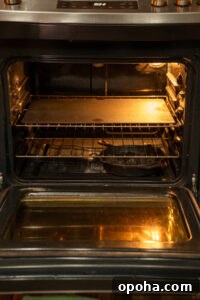
Getting steam and oven spring right is crucial, and gas ovens can be challenging. The recipe provides a specific oven setup, including use of a baking steel, a heavy pan with lava rocks for an initial steam burst, and saturated towels for continuous steam. If you have an electric oven, you may not need the “oven off” method described for gas ovens, but follow the guidance in the recipe for best results.
Tortas Ahogadas
If you plan to use these birotes for tortas ahogadas, this recipe is ideal. I’ve included related recipes and resources for assembling the sandwich in the recipe section below.
Mexican
Tortas Ahogadas
Mexican
Traditional Carnitas (Mexican Pork Confit)
Mexican
Authentic Refried Beans (Frijoles Refritos)
Mexican
Pickled Red Onions (Cebollas Curtidas)
Birote Salado (Mexican Sourdough Bread)
Pin Recipe
Rate Recipe
Print Recipe
Ingredients
Wake up feed (if needed)
- 20 g sourdough starter
- 40 g all-purpose flour
- 40 g water
Levain
- 80 g sourdough starter
- 80 g all-purpose flour
- 40 g Mexican lager beer
- 30 g egg, whisked
- 10 g lime juice
- 8 g sugar
- 1 g salt
Final Dough
- all of the above levain, about 250 g
- 400 g King Arthur Bread Flour (or all-purpose)
- 285 g water
- 10 g salt
Instructions
Wake up feed (if needed)
-
If your starter isn’t active, feed it 6–8 hours before building the levain: 20 g starter + 40 g water + 40 g flour. If you already have 80 g of active starter, you can skip this step.

Levain
-
Mix all levain ingredients in a jar and cover. You can either let it double at room temperature (about 4 hours) to bake the same day, or refrigerate after a 50% rise for 12–48 hours to develop more tang. If refrigerated, bring it back to 100% rise before using.
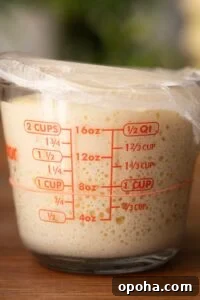
Final dough (begin bulk fermentation)
-
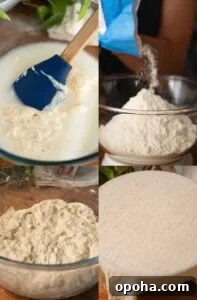
When levain has doubled, mix it with 285 g water, then add 400 g flour. Combine to a hydrated dough, cover, and rest 30 minutes. Sprinkle half the salt, wet your hands, and do four stretch-and-folds. Add the remaining salt and repeat stretch-and-folds. Rest 30 minutes, then perform one set of coil folds. Repeat three more sets of coil folds with 30-minute rests between each set until the dough looks plump and airy. Continue bulk ferment until the dough has risen about 75% and shows bubbles on top and sides.
Divide, preshape, & bench rest
-
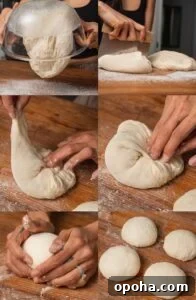
Turn the dough onto a floured surface, divide into 4 or 5 pieces (4 ≈ 235 g each, 5 ≈ 185 g each). Pull the edges into the center, flip seam-side down, and use push-and-pull shaping to form a ball. Cover and rest 20 minutes.
Final shape & proof
-
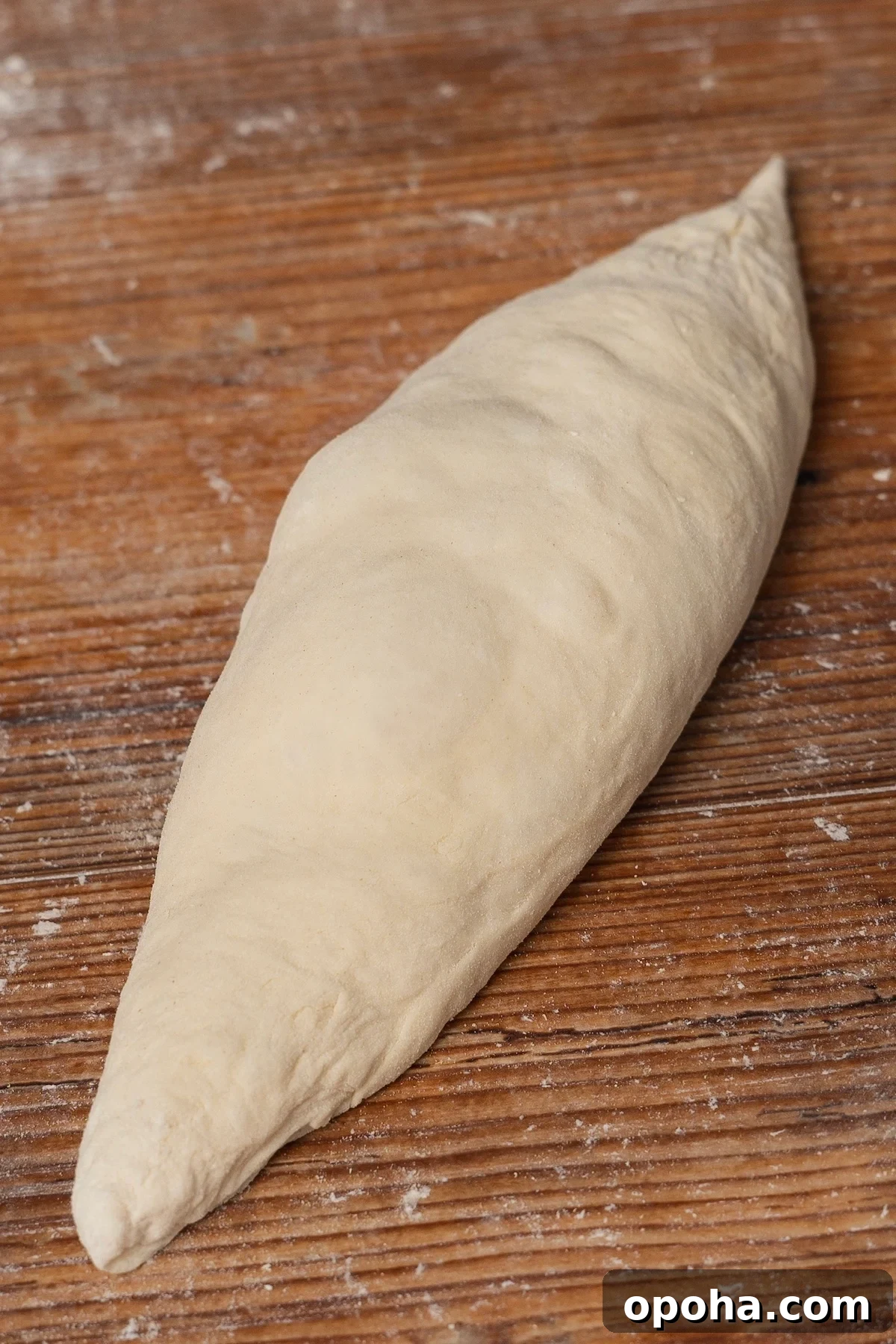
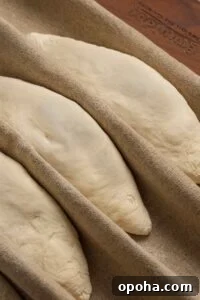
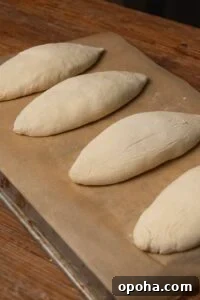
Flatten each piece gently, roll to create tension, pinch the seam, and shape into a tapered tube. Place seam-side up on a floured baker’s couche or tea towel, fold the sides up for support, cover, and proof at room temperature for 30–60 minutes. Test readiness by a gentle finger poke—if it springs back slowly halfway, it’s ready; if it doesn’t spring back, it’s over-proofed and should be baked right away.
Oven preheat & setup
-
Preheat oven to 450°F. Place a baking steel high in the oven and position a rack low for a baking sheet. If available, put lava rocks in a cast-iron skillet on the bottom rack for an initial steam burst. Roll three kitchen towels, place them in an oven-safe pan, and saturate with boiling water to provide continuous steam.
Prep & score dough
-
Transfer birotes to an inverted baking sheet lined with parchment (use a peel if you have one). Score down the center about 1/2 inch deep.
Bake
-
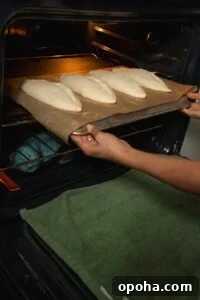
Open the hot oven, place a dry towel on the oven door, slide the birotes onto the baking steel, and position a baking sheet on the bottom rack beneath them. Turn the oven OFF, then quickly and safely pour the reserved cup of boiling water onto the lava rocks, remove the towel, and close the door. Be cautious—the steam burst is intense.
-
Bake with the oven OFF for 20 minutes. Remove the steam towels, spread the birotes slightly if needed, then turn the oven to 425°F and bake 15–20 minutes more until golden brown. The internal temperature should reach about 205°F. Cool on a rack at least 20 minutes before slicing.
-
To keep crust crisp, store in a rolled paper bag with small puncture holes or freeze for longer storage.
Nutrition information is calculated automatically and should be used only as an approximation.
Additional Info
Like this recipe? Leave a comment below!