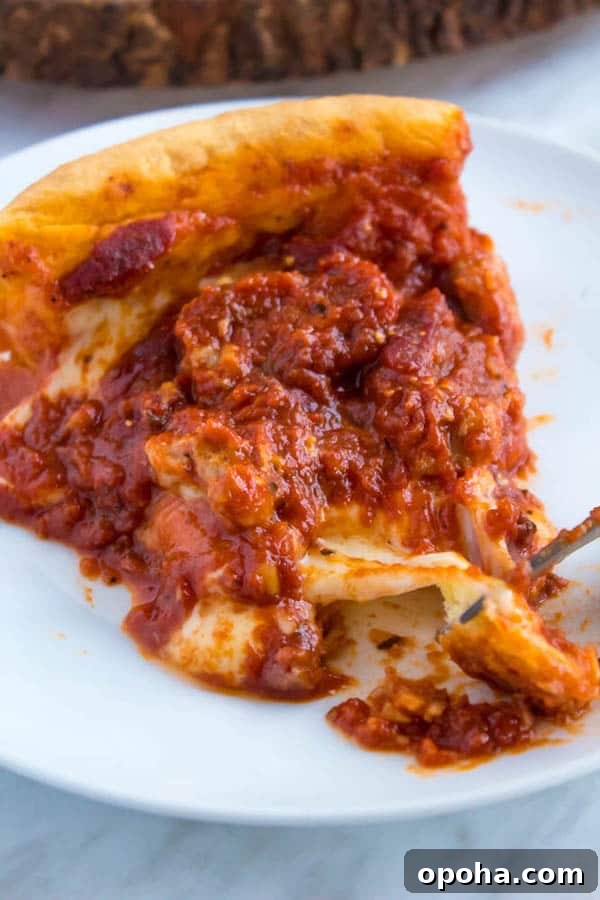
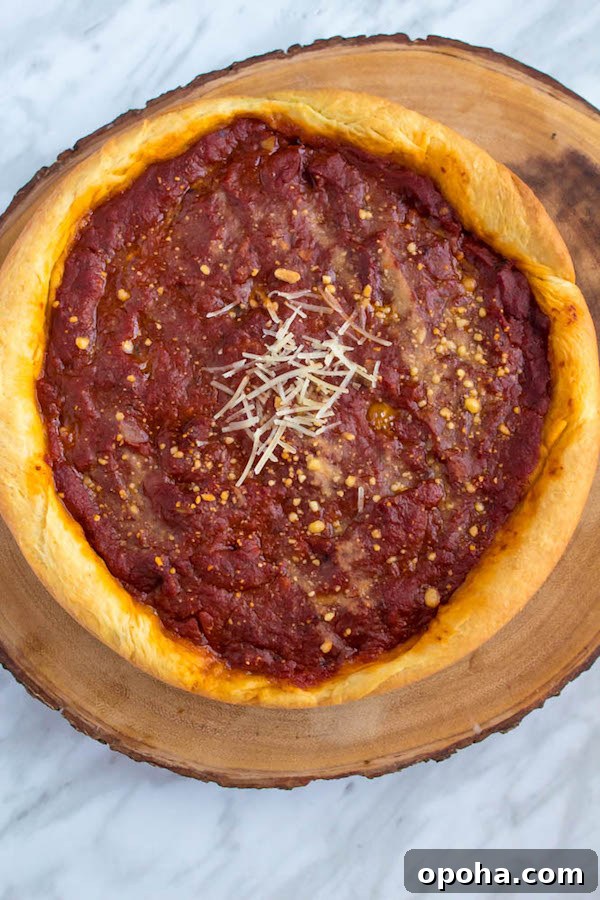
Craving Chicago pizza but don’t live in the Windy City? Good news — you can make an authentic Chicago Deep Dish pizza at home. With a flaky, buttery deep-dish crust, layers of melting cheese, customizable fillings, and a generous, richly flavored tomato sauce on top, this style of pizza is unmistakable and utterly satisfying.
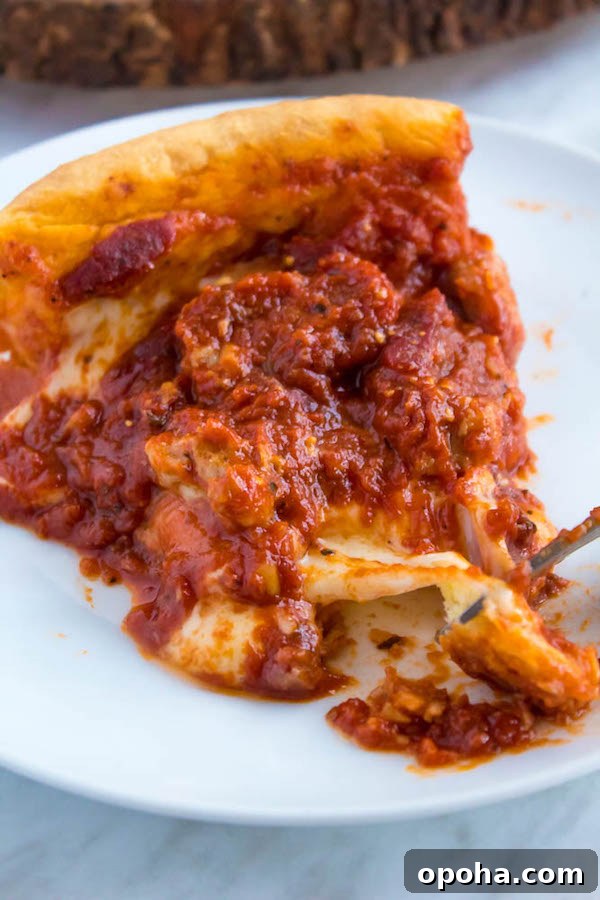
I absolutely love pizza. Thick, chewy crust topped with hot, gooey mozzarella and bright tomato sauce ranks among my favorite comfort foods. The first time I tried a true Chicago deep dish, I was hooked. Its structure and flavor set it apart from other pizza styles — and with a few techniques, you can recreate that experience in your kitchen.
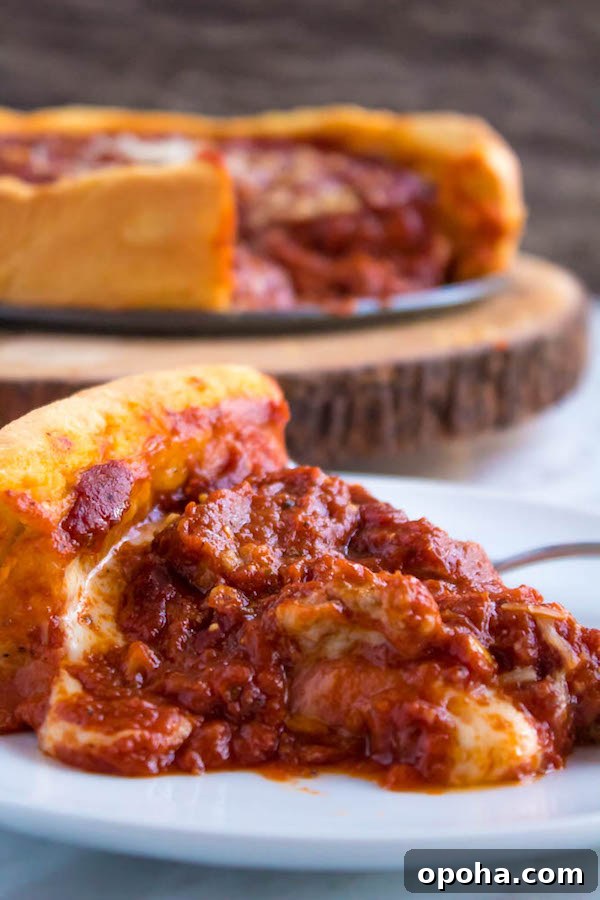
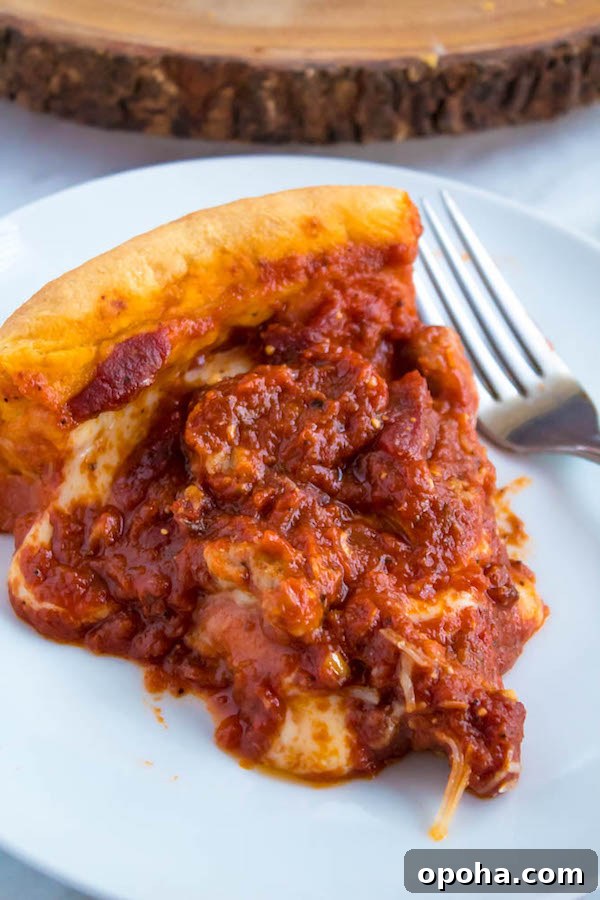
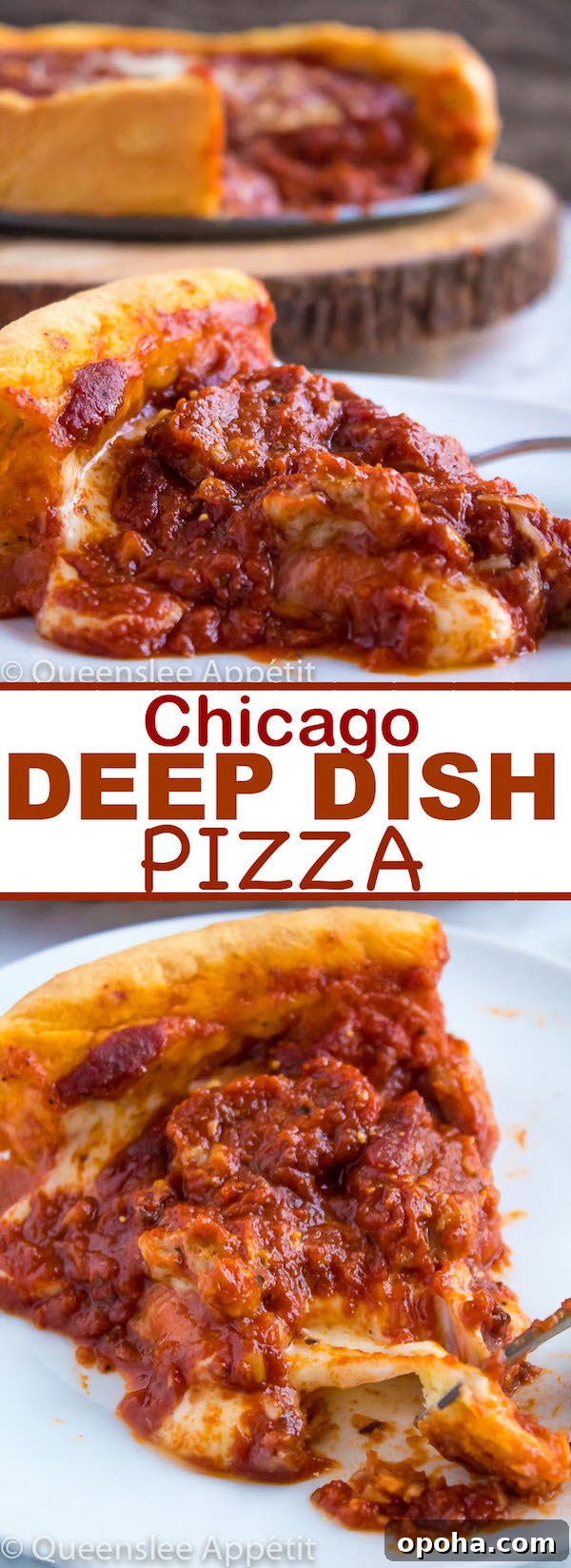
What makes Chicago style unique? The crust is richer and flakier than typical pizza dough, the sauce is thick and robust, and the cheese sits beneath the sauce rather than on top. Those layered elements — crust, cheese, toppings, then sauce — create a substantial “pizza pie” that holds up to the weight of its fillings.
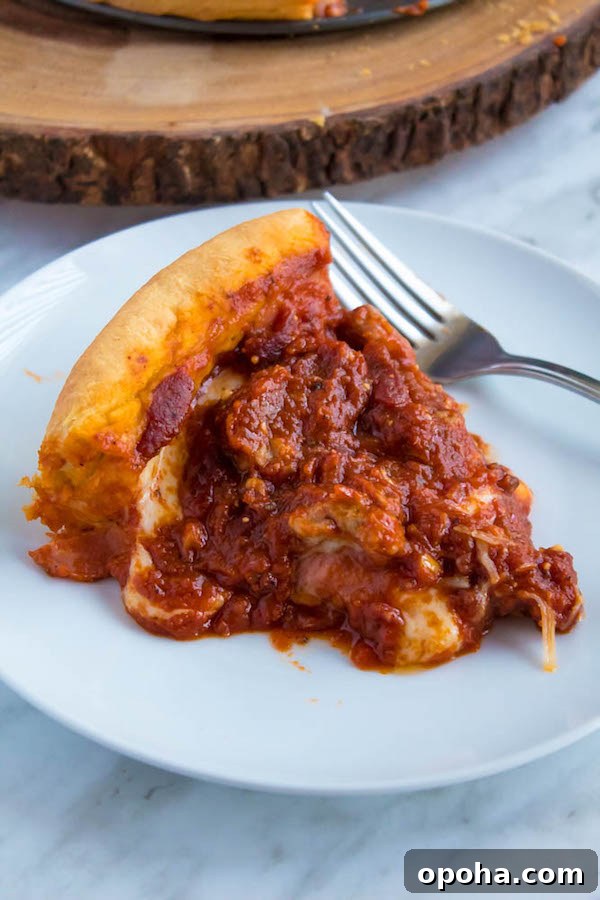
Deep dish pizzas are baked in a deep pan rather than on a flat stone or sheet. A tall crust edge is essential to contain each delicious layer, so using a deep cake pan, springform pan or a dedicated deep-dish pan works best.
The Crust
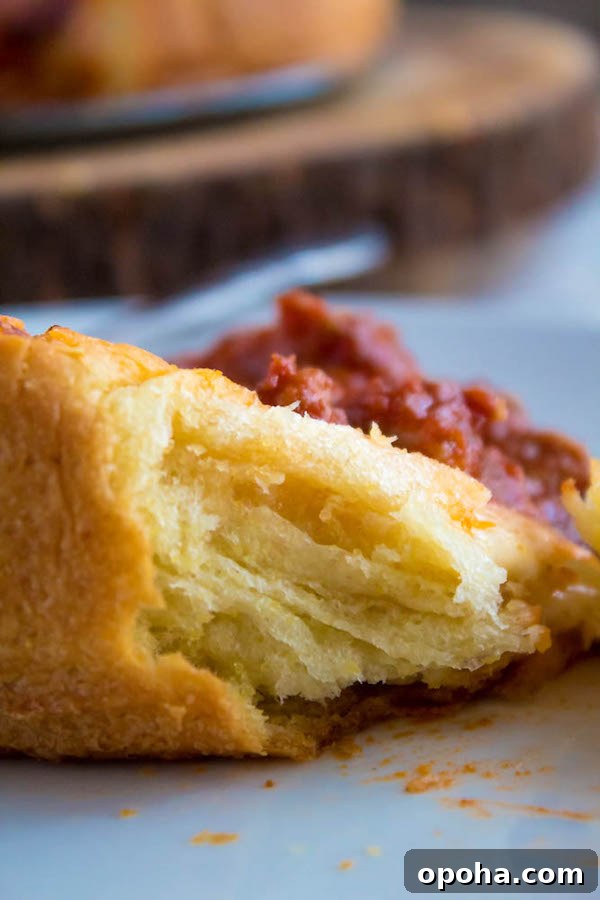
Chicago deep dish dough has a distinctly tender, flaky and buttery texture. For this crust I use a basic pizza dough recipe but adapt it with yellow cornmeal mixed into the dough. Cornmeal gives the crust a pleasant crunch and authentic flavor rather than just being a dusting on the pan.
Key ingredients and tips for the crust:
- Warm water: Aim for about 110–115°F. It should feel pleasantly warm but not hot; water that’s too hot can kill the yeast.
- Yeast: Proofing yeast in warm water and a pinch of sugar ensures it’s active before you mix the dough.
- Sugar: A small amount feeds the yeast and helps it foam.
- Butter and olive oil: Butter adds richness and layers of flakiness; olive oil contributes flavor and helps brown the crust. Brush the rim with olive oil before baking for a golden finish.
- Flour: I use unbleached all-purpose flour, but bread flour works too. Measure carefully for consistent results.
- Yellow cornmeal: Integrated into the dough for texture and taste.
- Salt and optional garlic powder: Salt seasons the crust; a touch of garlic powder adds subtle flavor.
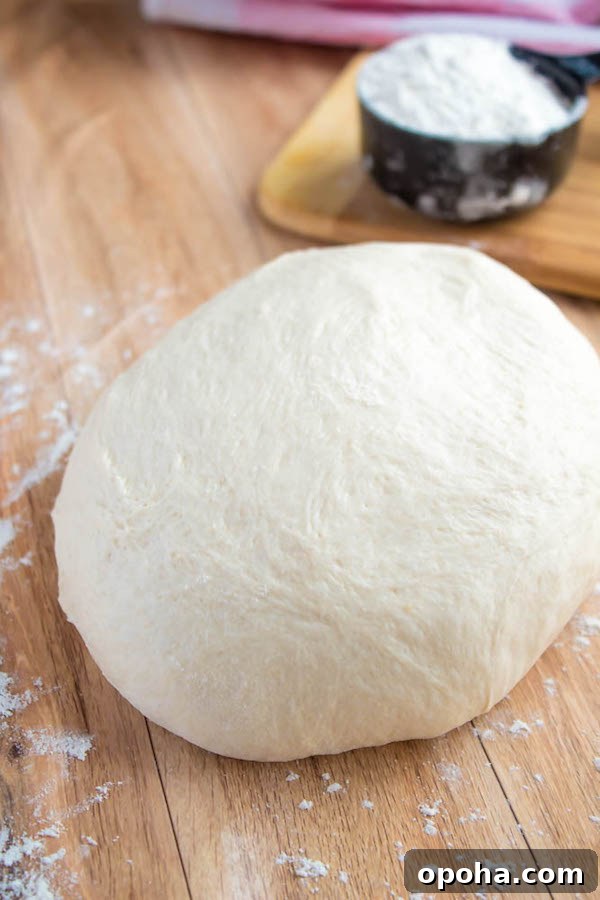
One technique I rely on is laminating the dough: roll it out, spread softened butter, roll it up, then roll it flat again. This traps butter between layers and produces a flaky, layered texture reminiscent of a pastry crust — perfect for deep dish.
Thick and Flavorful Sauce
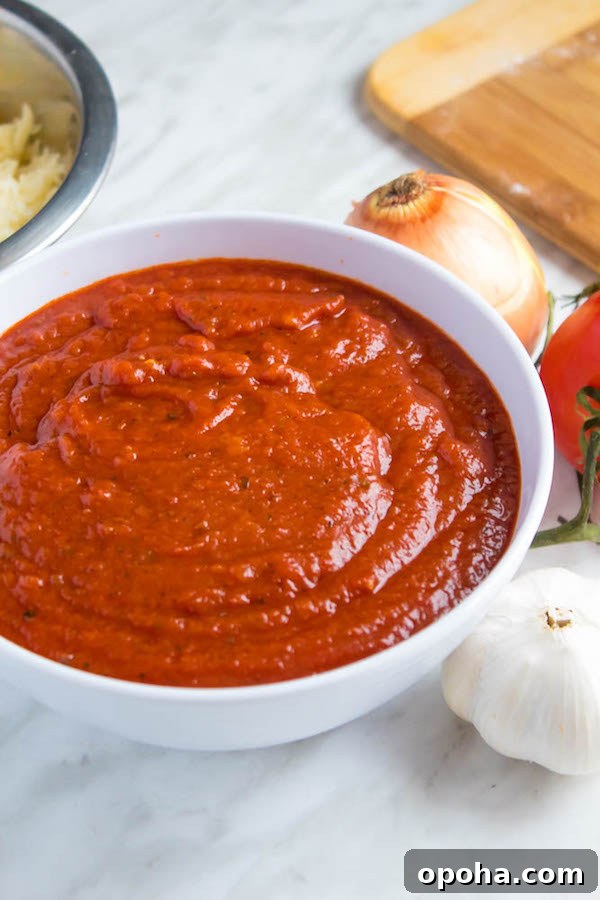
The sauce is as important as the crust. For deep dish you want a thick, well-seasoned tomato sauce that stands up when placed on top of the pizza. Simmering the sauce long enough concentrates flavor and reduces watery texture.
Essential components for a great sauce:
- Olive oil and butter: Use olive oil to sauté aromatics; a little butter enriches the final sauce.
- Onion: Grating the onion adds moisture and integrates the flavor without chunky pieces.
- Garlic: Fresh cloves provide a savory backbone.
- Herbs and spices: Oregano, basil, Italian seasoning, onion powder, red pepper flakes, salt and pepper lend depth.
- Tomato sauce and paste: Use quality canned tomatoes or sauce; add tomato paste to thicken and concentrate tomato flavor.
- Parmesan: A few tablespoons enrich and slightly thicken the sauce.
- Sugar: A pinch balances acidity.
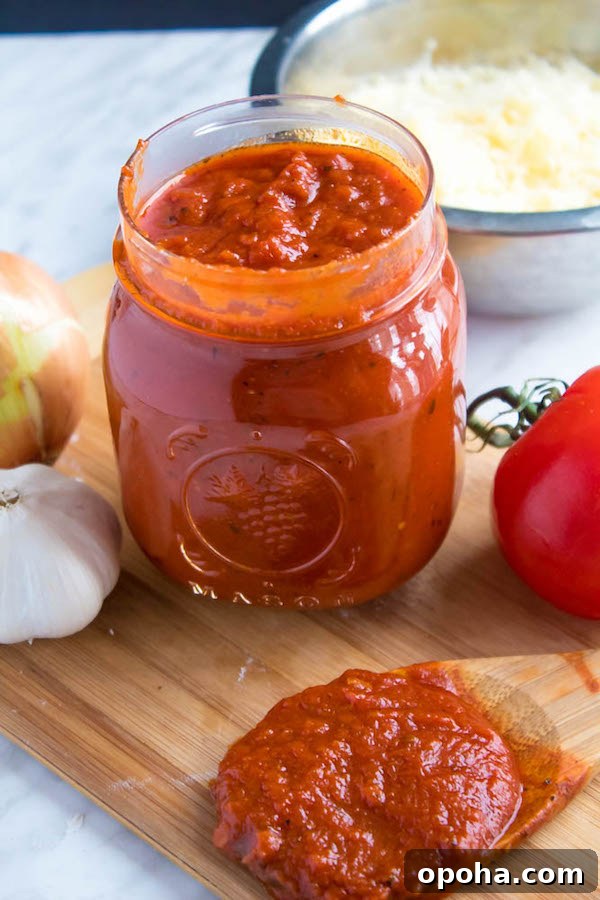
Simmer the sauce at least 30 minutes, longer if needed, until it is noticeably thick. A thin sauce will slide off the finished pie and pool around it, so patience during simmering pays off.
Cake Pan, Springform or Deep Dish Pan
This recipe makes two 9-inch pizzas. A 9-inch cake pan will work, but springform pans are deeper and make it easier to release and slice the finished pizza. If you prefer one large pie, use a deep-dish pan for a 12–14-inch pizza and do not split the dough.
The Fillings
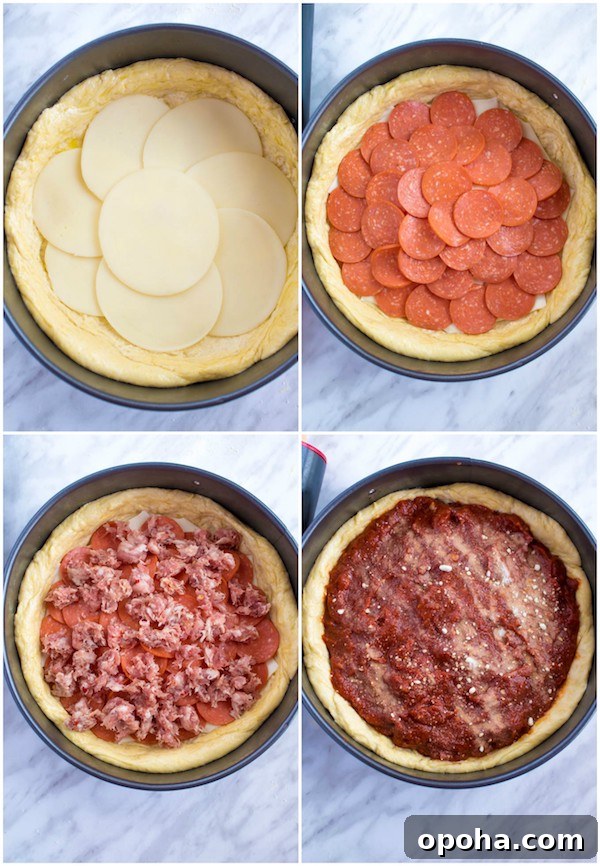
After shaping the dough into the pan, layer the pizza starting with cheese. I like to use sliced provolone and mozzarella for a wonderfully gooey interior, though shredded cheese works too. Next add your fillings — pepperoni, torn Italian sausage (uncooked is fine; it will cook in the oven), or any combination you prefer: sautéed vegetables, mushrooms, chicken, tomatoes, anchovies, or simply extra cheese for a classic pie.
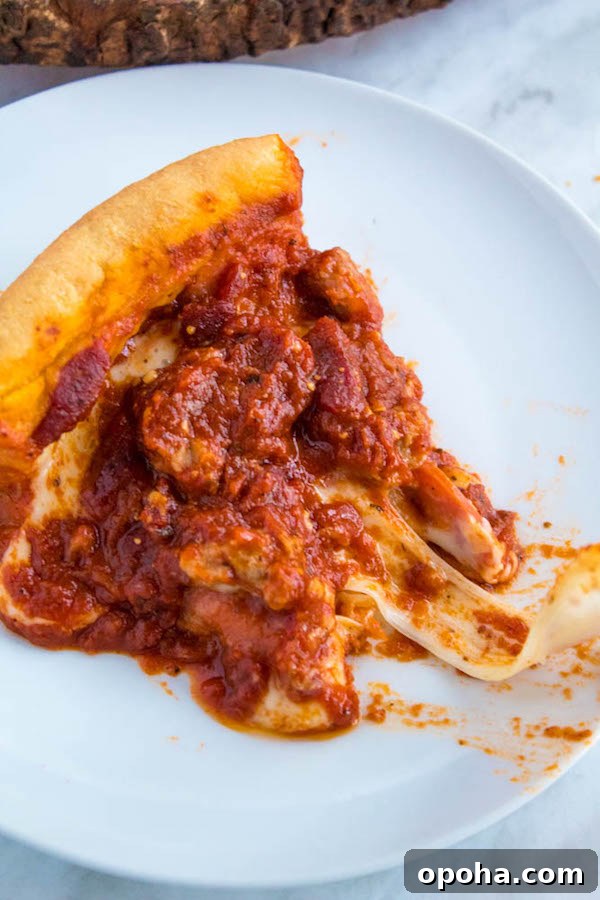
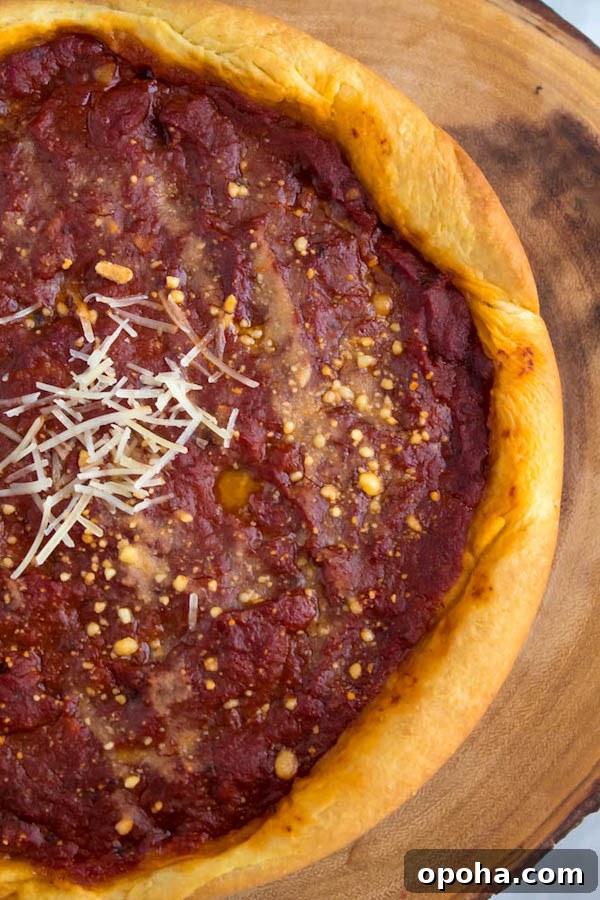
Finish with a generous ladle of thick sauce spread across the top and a sprinkle of grated Parmesan. Bake the pies on a rimmed baking sheet to catch any drips, at 425°F for about 24–30 minutes, until the crust is golden. For extra browning, move the pizza to the top rack for the final 2–3 minutes.
Allow the pizza to rest 10–15 minutes before slicing so the filling sets and the sauce stays in place. Serve with knife and fork — this is a meal best enjoyed one hearty slice at a time.
>>PIN ME FOR LATER<<
Below the recipe you’ll find a step-by-step visual guide to help with shaping, laminating and assembling the deep dish pizza.
Tools and Tips
Recommended tools: a stand mixer with dough hook simplifies kneading though you can knead by hand; a rolling pin for shaping; and a deep 9-inch springform or cake pan for the characteristic high edge. If making one large pizza, choose a deeper deep-dish pan.
About the Recipe
Yield: two 9-inch pizzas or one large 12–14-inch pizza. Prep time is short, but allow several hours for rising and chilling. Total time includes inactive chilling and rising for best texture.
If you try this recipe, I’d love to hear how it turned out. Bon appétit!