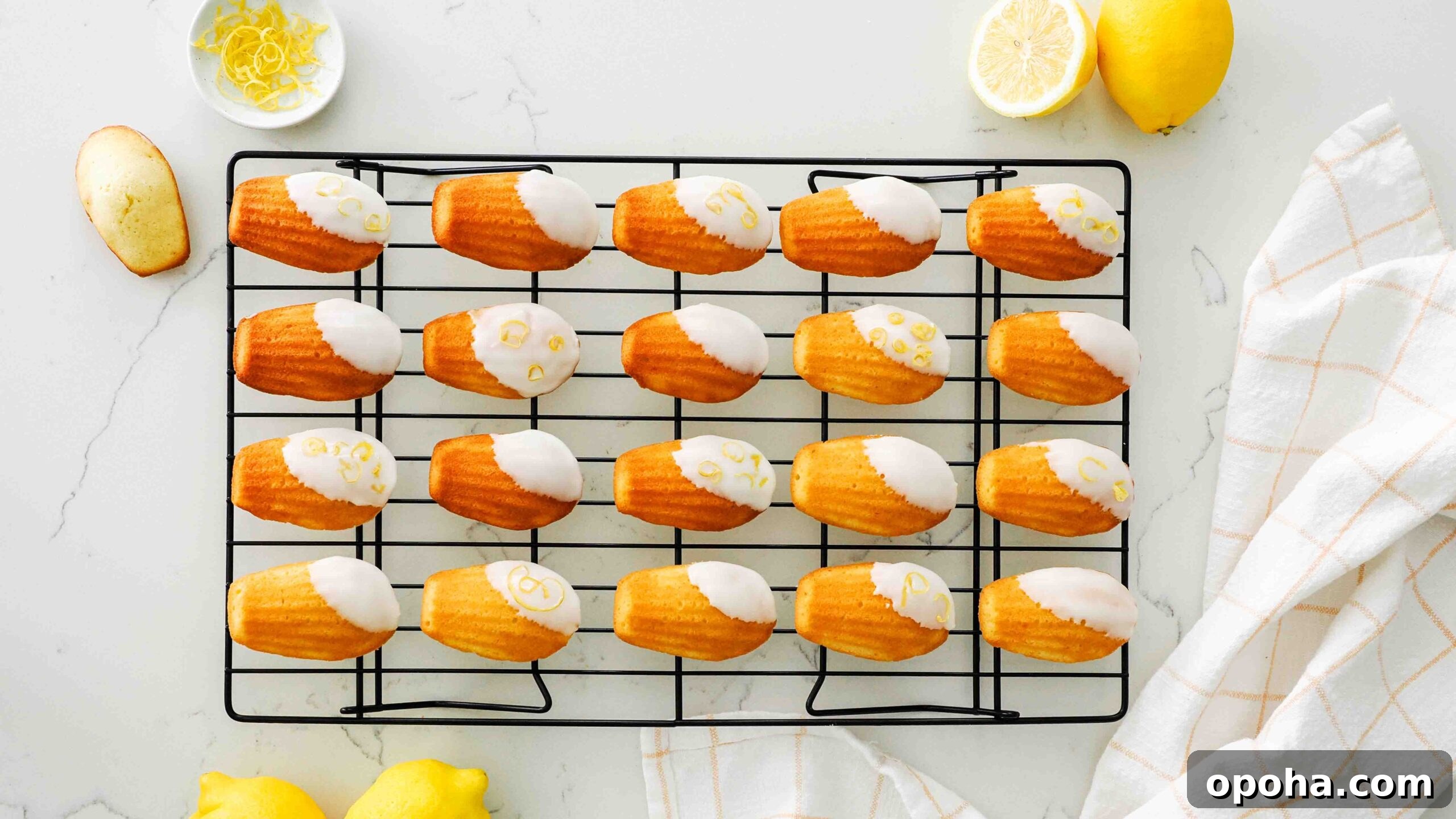
Bright and buttery, these lemon madeleines are scented with fresh lemon zest in the batter and finished with a simple lemon glaze. No extract is required—just real lemon for a clean, citrus flavor—though a touch of extract can be added if you prefer a stronger lemon punch. The exterior bakes up crisp and golden while the interior stays light and airy. Serve alongside other delicate tea-time treats for a lovely pairing.

Ingredients for Lemon Madeleines
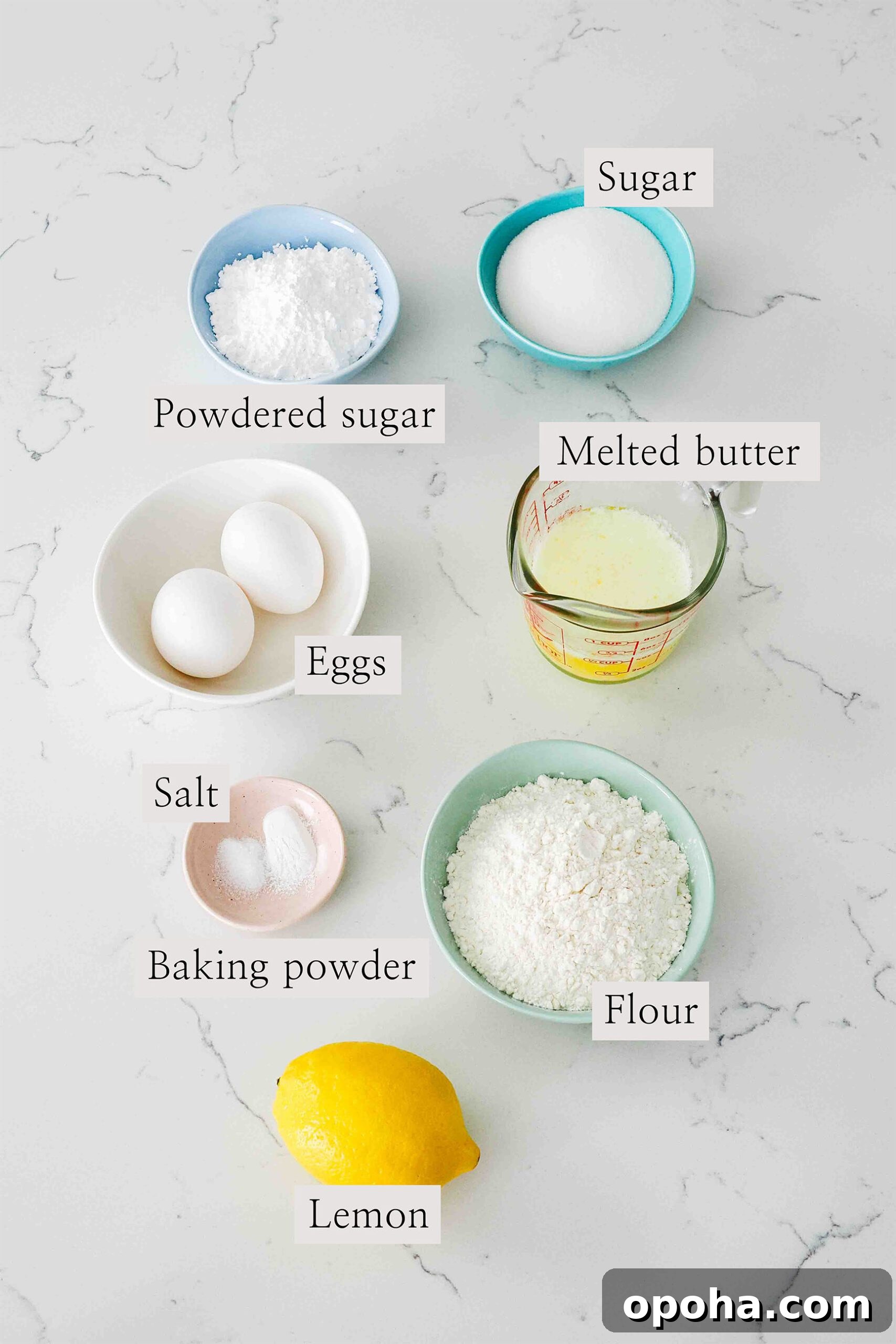
Madeleines require just a few simple ingredients. The technique—especially whipping air into the eggs—and a proper madeleine pan make all the difference. Below are the ingredients and what each contributes to the final cakes.
- Lemon zest. Fresh zest gives bright citrus aroma and flavor without extracts.
- Granulated sugar. Sweetens and supports air incorporation when whisked with the eggs.
- Eggs. Whipped with sugar, eggs trap air that creates the light, tender crumb and the classic hump.
- All-purpose flour. Provides structure; yields a slightly firmer texture than pastry or cake flour.
- Baking powder. Optional in traditional recipes but helpful for consistent rise and taller humps.
- Salt. Balances sweetness and enhances flavor.
- Powdered sugar. For the glaze; adds a smooth, sweet coating.
- Lemon juice. Combined with powdered sugar to make a bright, simple glaze.
How to Make Lemon Madeleines
Madeleines need a bit of hands-on attention early on to whip enough air into the eggs—that trapped air gives the signature hump. The recipe card below contains full measurements and timings; the steps here highlight the key techniques and details to watch for.
Making the Lemon Sugar
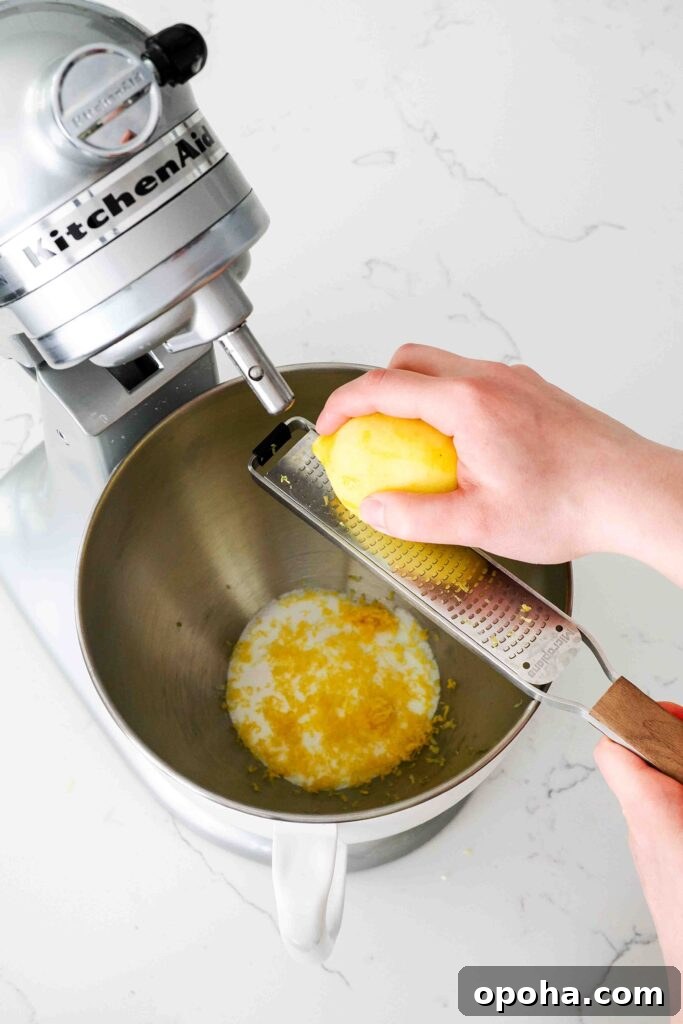
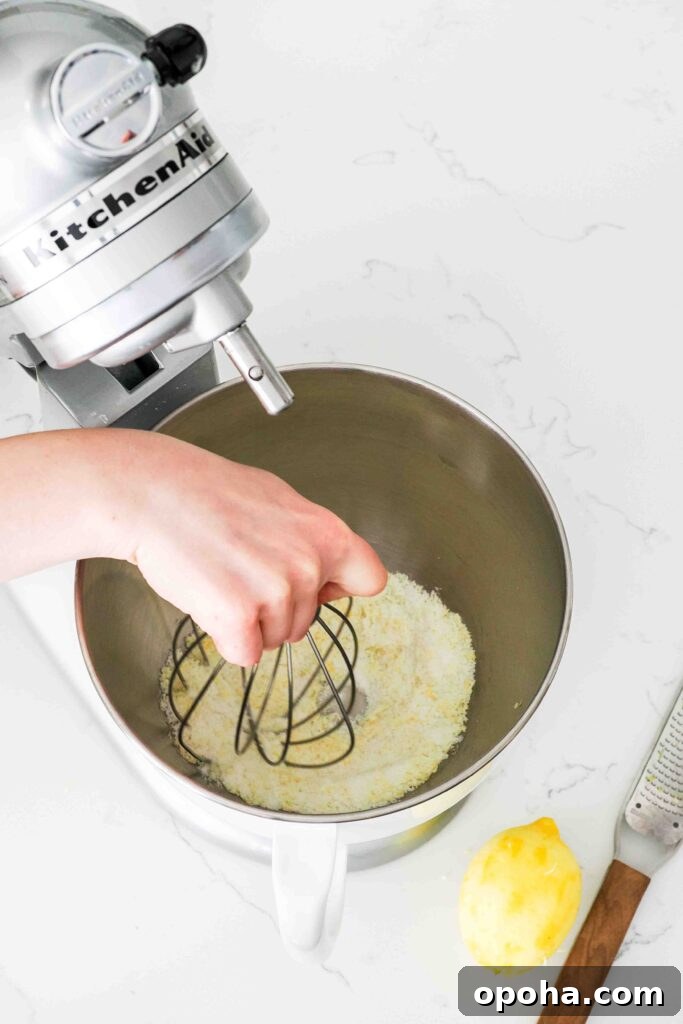
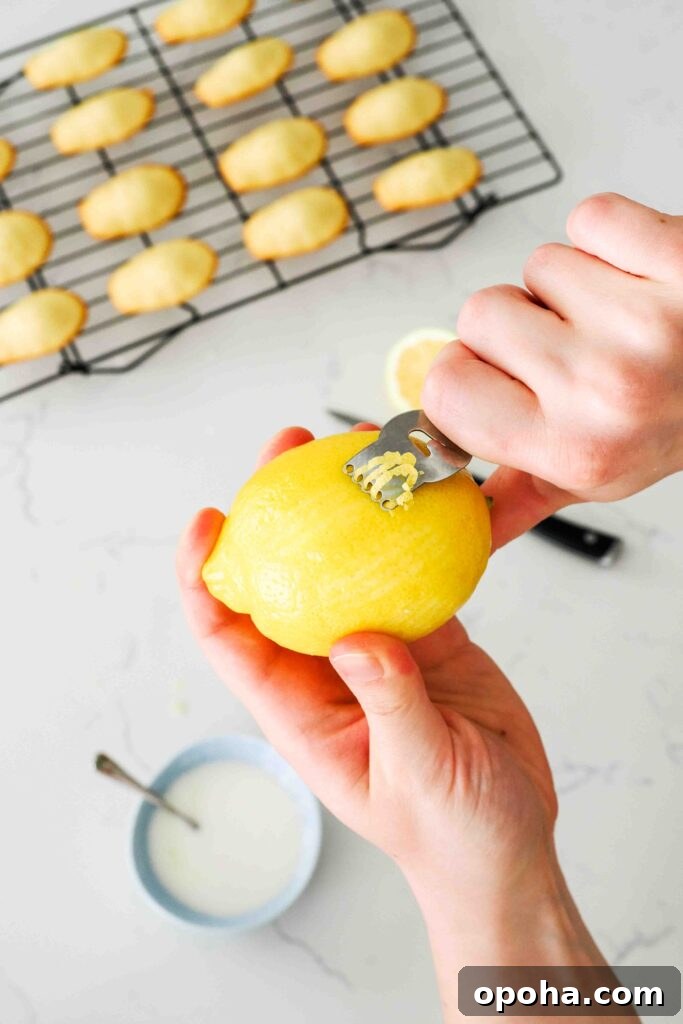
Add the granulated sugar to a mixing bowl and zest a lemon directly over it. Stir or whisk the zest into the sugar for 15–30 seconds until the mixture smells bright and citrusy. This infuses the sugar with lemon oils for better flavor distribution.
Whipping the Eggs to the Ribbon Stage
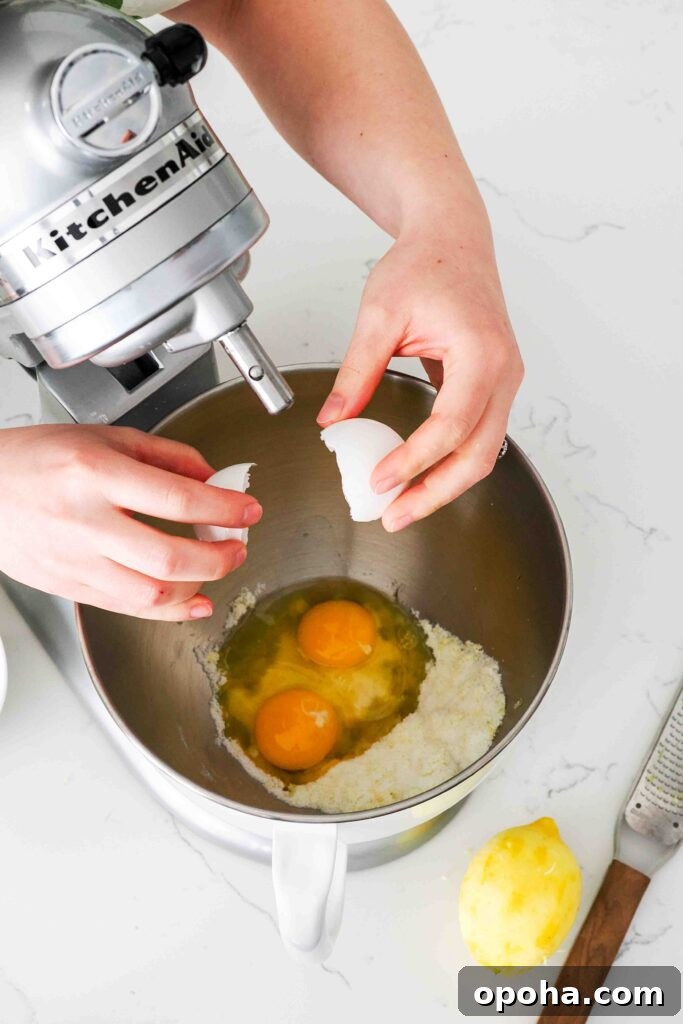
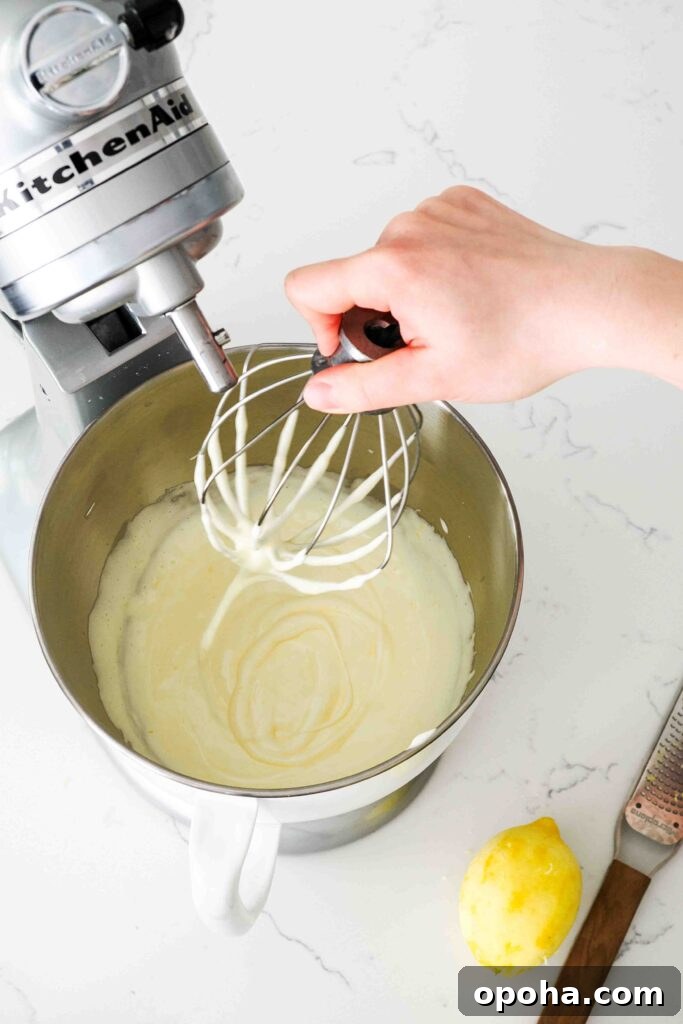
Add the eggs to the lemon sugar and whisk on medium-high (stand mixer) or high (hand mixer). After 8–10 minutes the mixture should be pale and voluminous. The ribbon test is a good indicator: lift the whisk and let the batter fall—if it leaves a visible trail on the surface for a second or two before blending back in, you’re at the ribbon stage.
Folding the Batter
Gently fold the flour, baking powder, and salt into the whipped eggs with a flexible spatula. Use a light folding motion—sweep around the bowl, then cut through the center—to preserve the air you just created. A few small lumps are fine; they’ll be smoothed out when you add the melted butter.
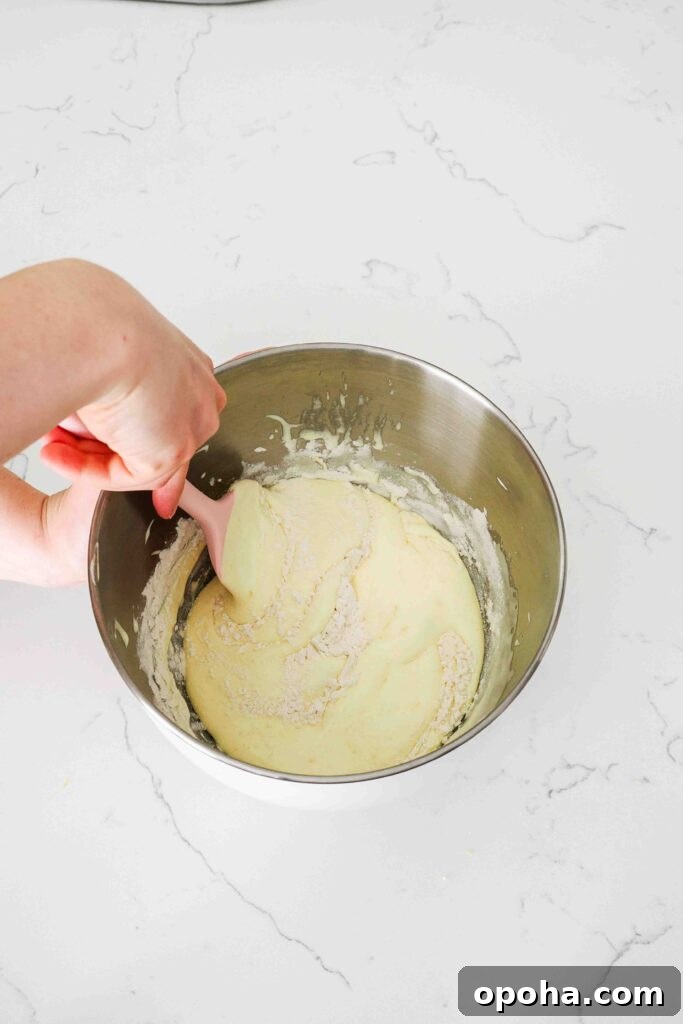
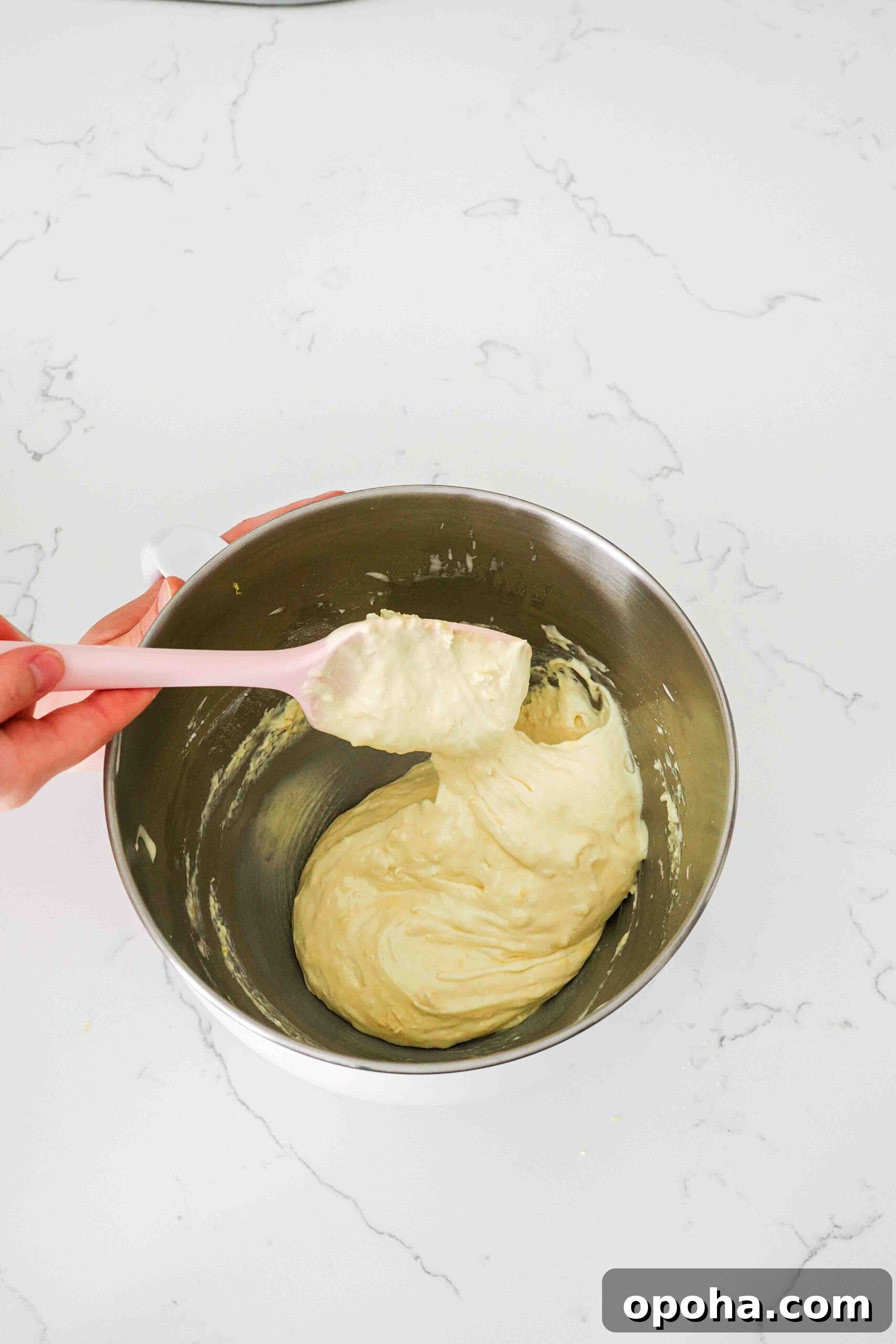
When the flour is incorporated, pour in cooled melted butter (just warm to the touch). Hot butter will deflate the batter, so allow it to cool slightly before adding. Fold until no streaks remain, then stop to retain as much air as possible.
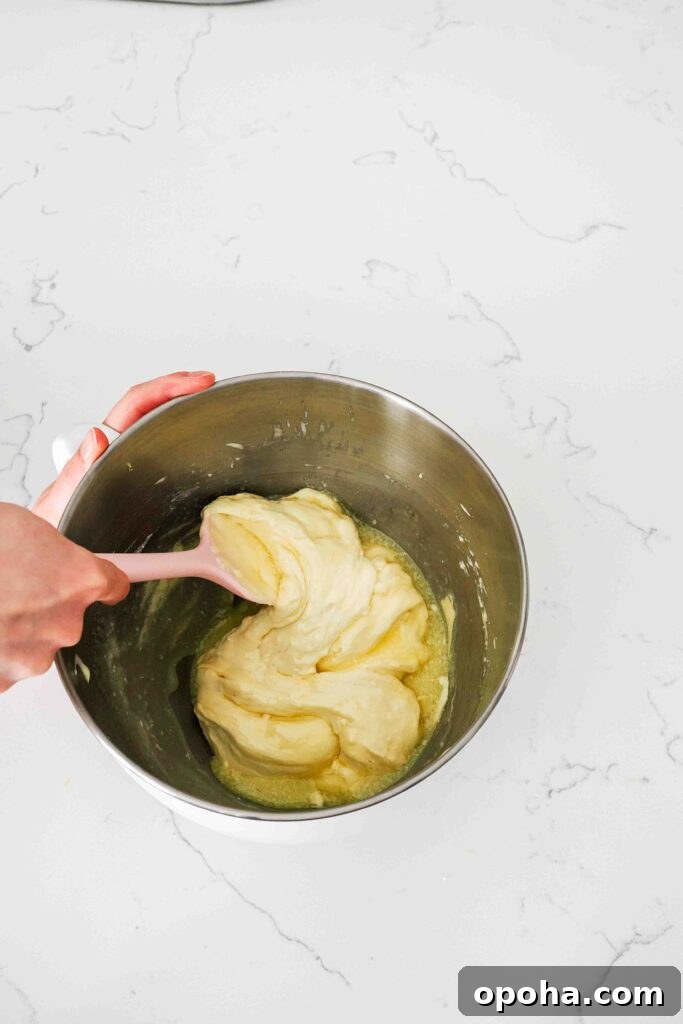
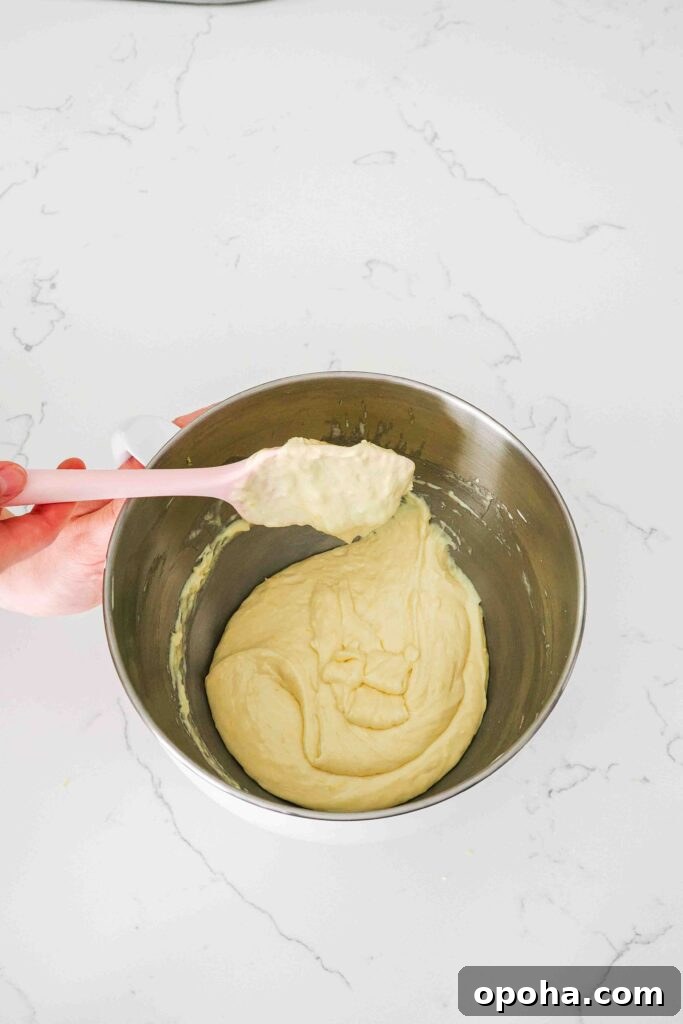
Transfer the batter to a piping bag or cover the bowl and chill for at least 30 minutes, or up to one day. Chilling helps hydrate the flour and creates a greater temperature contrast with the oven, which encourages a taller hump.
Baking the Lemon Madeleines
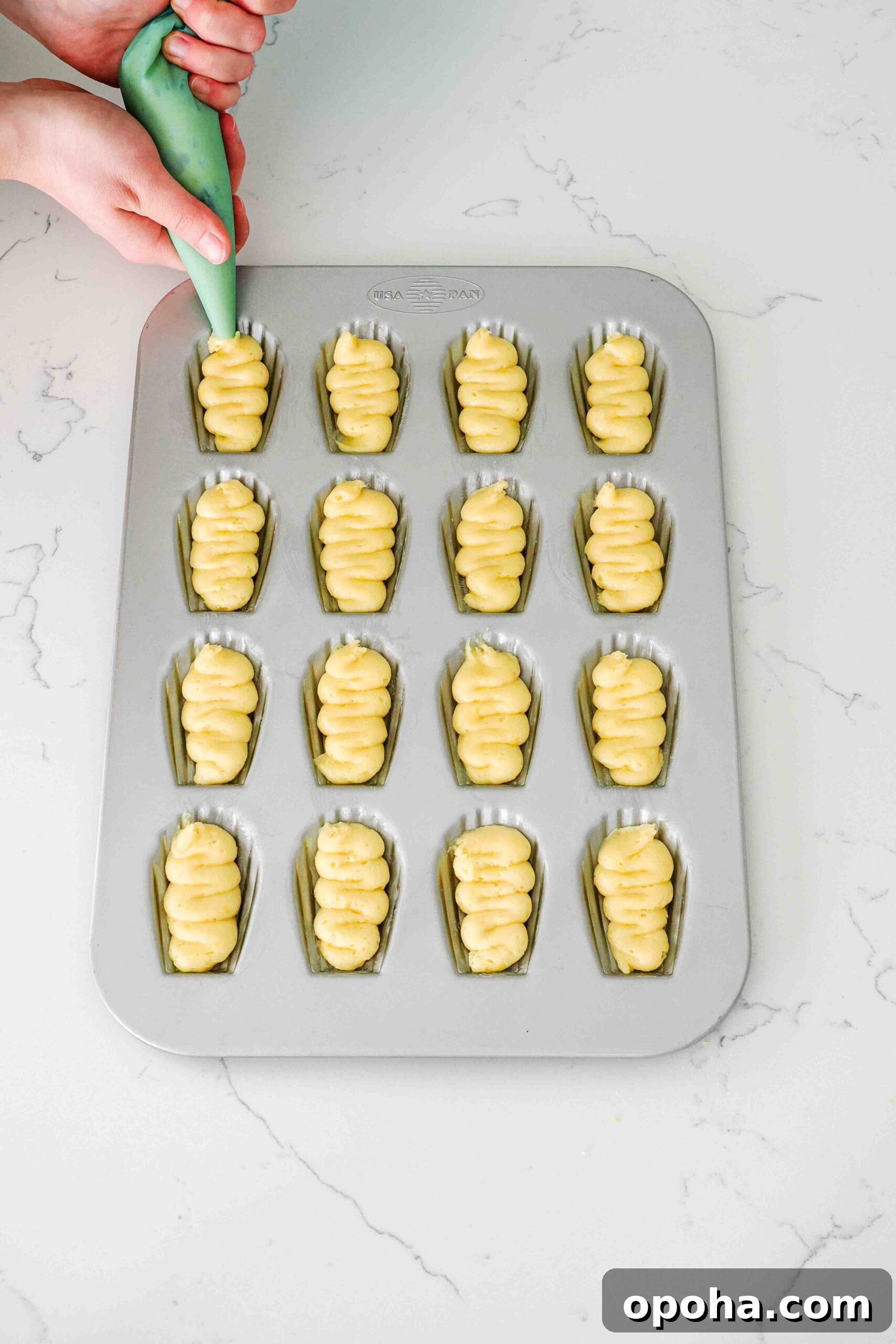
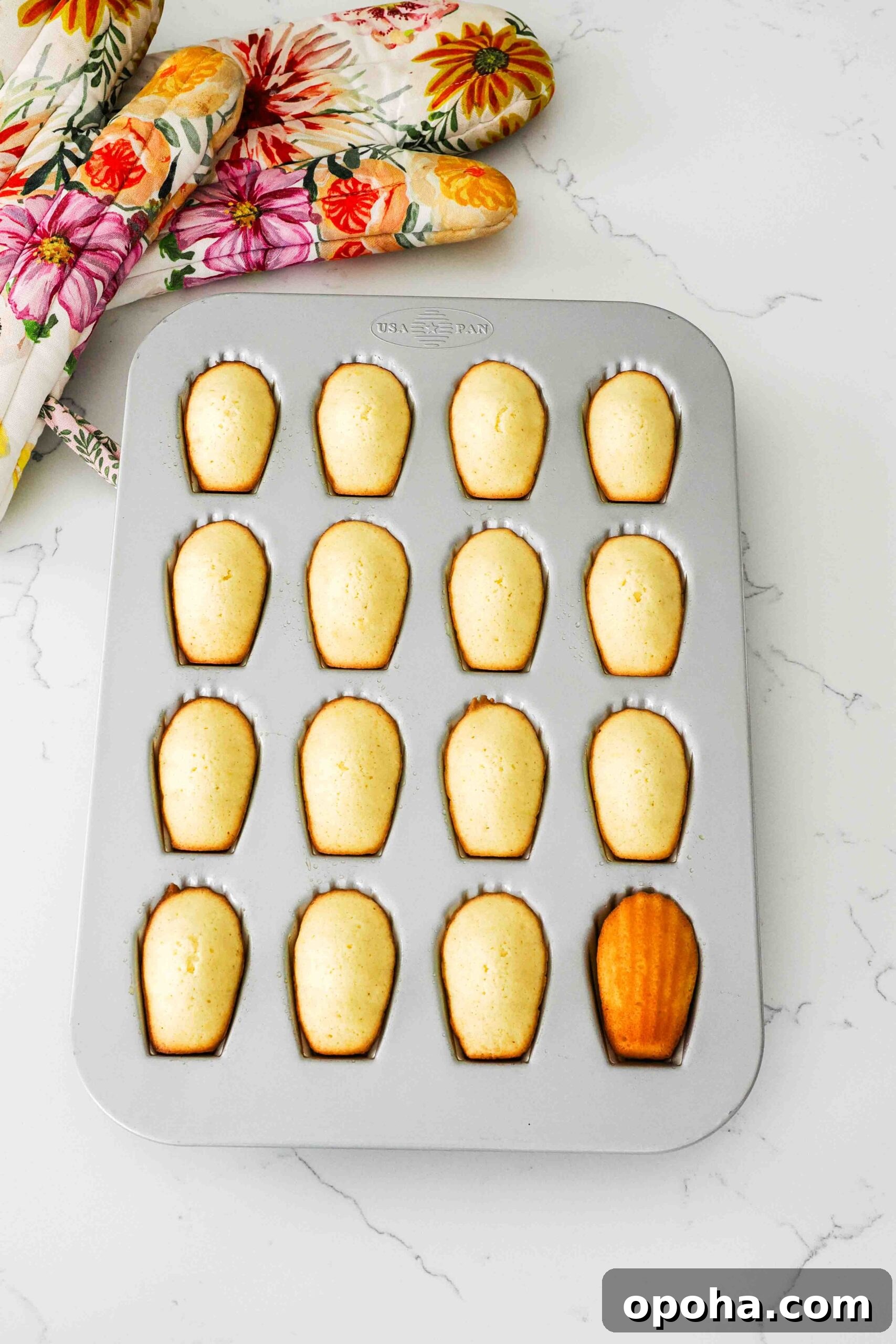
For even results, pipe the batter into each madeleine cavity rather than spooning. Fill each cavity about half to two-thirds full. Bake at 375°F (190°C) for 10–12 minutes. The madeleines are done when the edges are golden and the humps spring back lightly when touched. Cool five minutes in the pan, then remove to a rack to finish cooling.
Dipping the Madeleines in Lemon Glaze
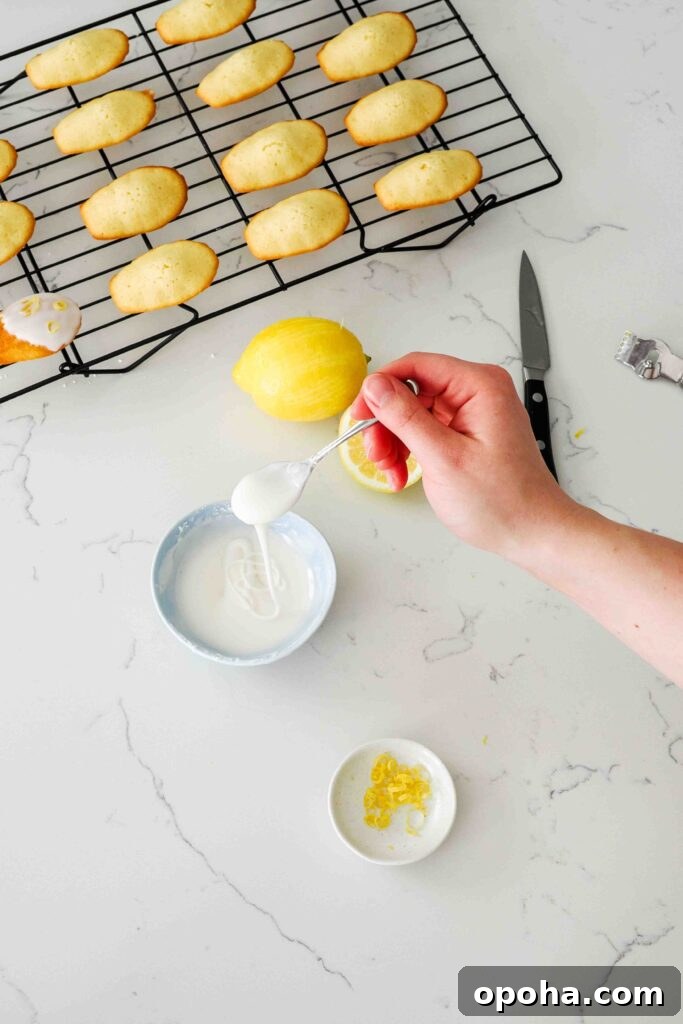
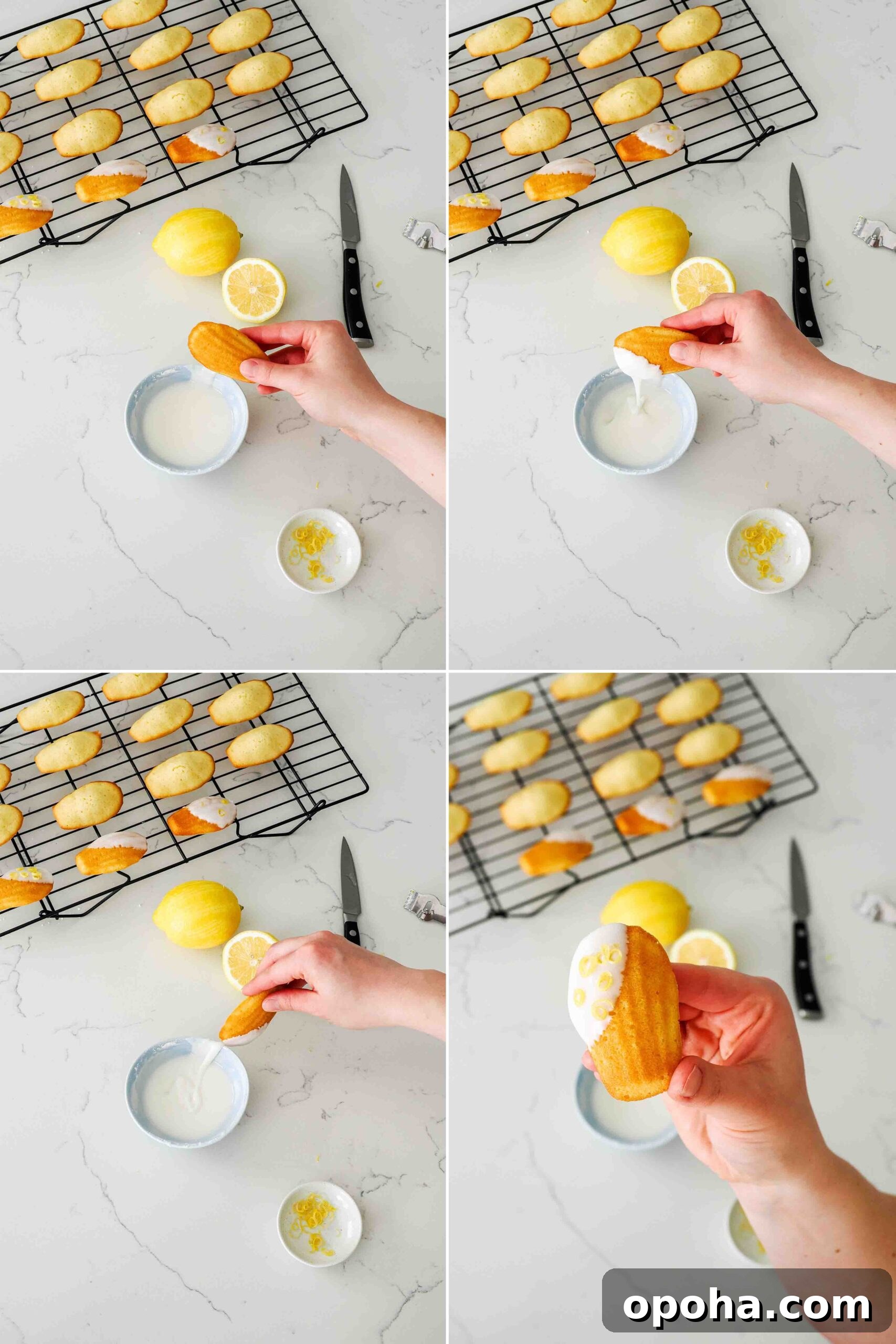
To make a thick glaze, stir powdered sugar with just enough lemon juice to reach a thick, trail-forming consistency. Dip warm madeleines at an angle into the glaze, let excess drip off, and while the glaze is still wet press a few thin lemon zest curls on top so they adhere. Long strips of zest naturally curl and make a pretty garnish.
FAQs about Lemon Madeleines
The lemon flavor is noticeable, especially on glazed parts. If you want extra intensity, add up to 1/2 teaspoon lemon extract.
To preserve some crispness, store madeleines in a container that’s partially covered to let a little moisture escape. A fully sealed container will soften the crisp edges more quickly.
Best the day they’re baked for crisp edges and tender centers. Stored at room temperature in an airtight or loosely covered container, they remain enjoyable for up to about four days.
Yes. Substitute two limes or one orange for lemon to make lime or orange madeleines. Use the corresponding juice for the glaze as well.
Other Recipes You May Enjoy
If you enjoy madeleines, try other flavored variations like lavender or pumpkin spice for seasonal twists. Lemon lovers may also enjoy lemon meringue macarons or a lemon blueberry loaf cake.
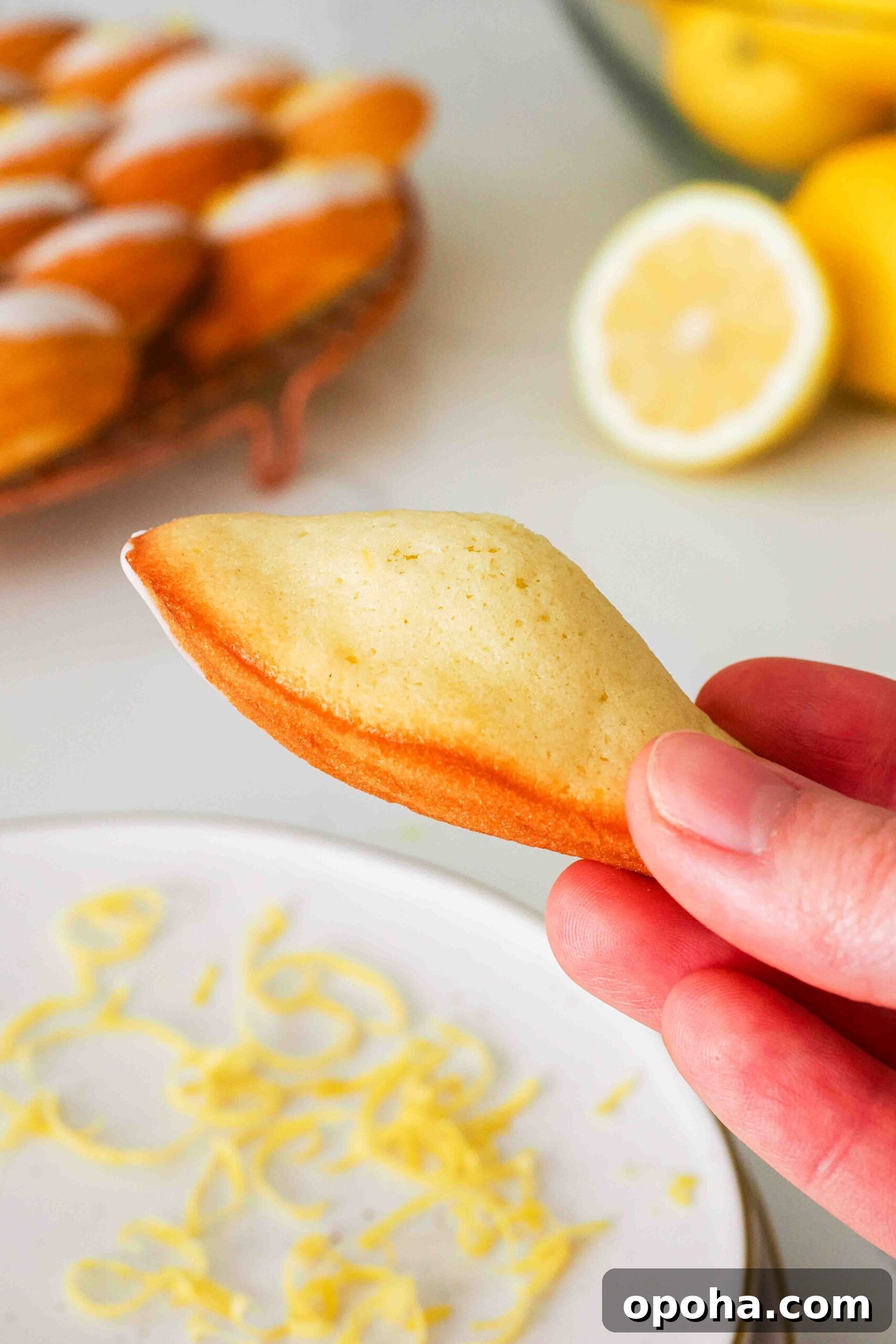
Dish Cleanup: Gonna Take a While
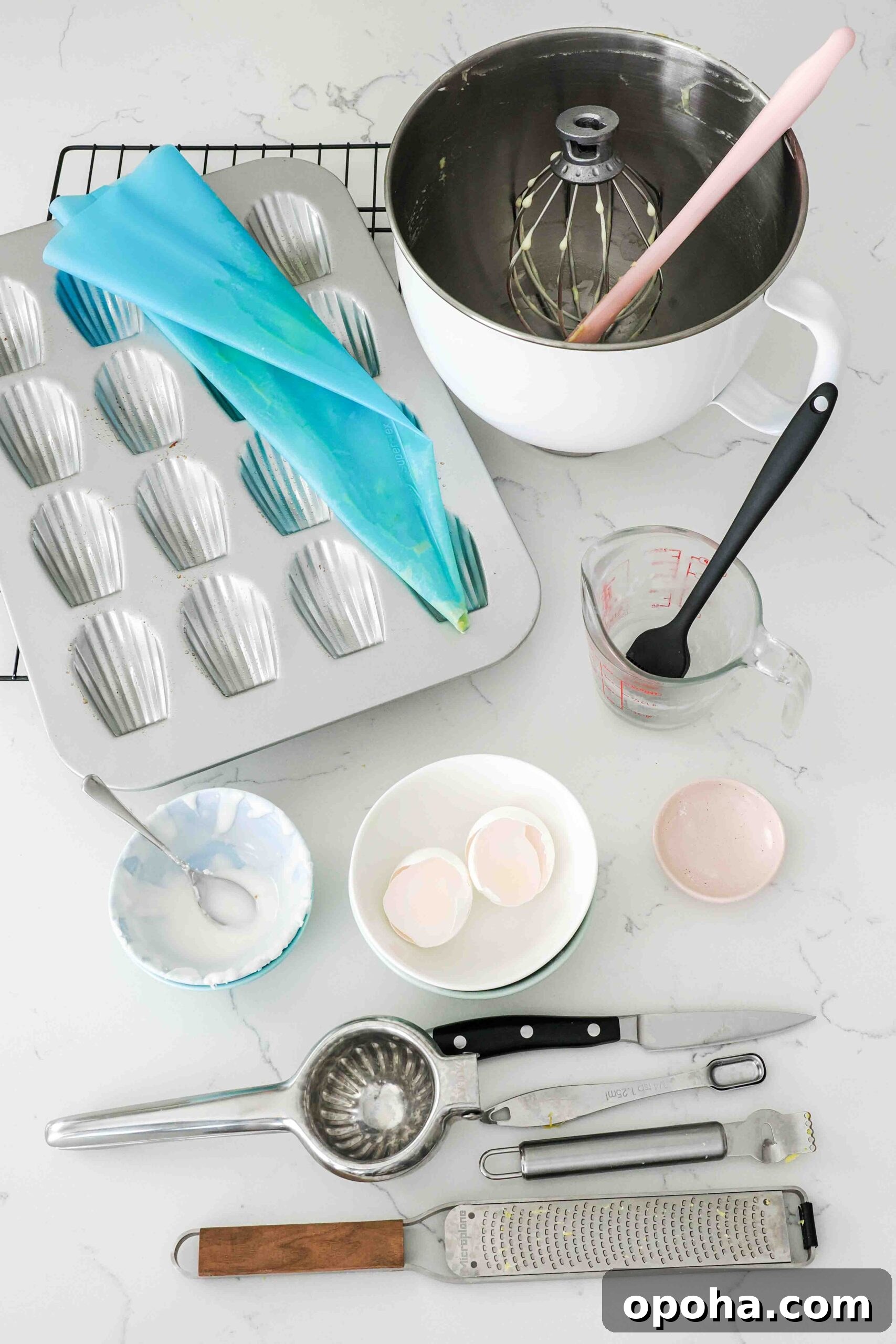
On a scale of 1–5 for cleanup, these madeleines score about a 4. Expect to wash the mixing bowl, madeleine pan, a few small bowls, utensils, and a zester if you use one. Most items rinse clean easily with warm, soapy water.
Lemon Madeleines Recipe
If you make these lemon madeleines and enjoy them, please leave a review to let others know how they turned out.

Lemon Madeleines
Ingredients
For the Lemon Madeleines
- 1 lemon zest
- ½ cup (100 g) granulated sugar
- 2 large eggs
- 1 cup (135 g) all-purpose flour
- ½ teaspoon baking powder
- ¼ teaspoon salt
- 8 Tablespoons (113 g) unsalted butter, melted and cooled
For the Lemon Glaze
- 1 Tablespoon lemon juice
- ½ cup (100 g) powdered sugar
- Lemon zest curls, optional
Instructions
To Make the Lemon Madeleines
- In a large bowl, combine granulated sugar and lemon zest. Whisk to infuse the sugar with zest.
- Add eggs and whisk on medium-high for 8–10 minutes until pale and at the ribbon stage.
- Gently fold in flour, baking powder, and salt until mostly combined.
- Pour in cooled melted butter and fold until no streaks remain. Do not overmix.
- Cover or transfer batter to a piping bag and chill for at least 30 minutes or up to one day.
To Bake the Lemon Madeleines
- Preheat oven to 375°F (190°C). Lightly brush madeleine pan cavities with melted butter.
- Pipe or spoon a scant tablespoon of batter into each cavity, filling about half to two-thirds full. Keep leftover batter chilled.
- Bake 10–12 minutes until humps are set and edges are golden brown. Cool in the pan five minutes, then remove to a rack to finish cooling.
- If baking another batch, let the pan cool before adding chilled leftover batter and repeat.
To Dip the Lemon Madeleines (optional)
- Stir powdered sugar and lemon juice until thick but spreadable. Prepare thin zest curls if desired.
- When madeleines are warm but cool enough to handle (5–10 minutes), dip at an angle into the glaze and top with zest curls while glaze is wet.
- Place on a rack or parchment to finish cooling, about 10–15 minutes, then serve.
Notes
*A nonstick pan may release madeleines without butter, but brushing the cavities lightly ensures easy removal. Use any leftover butter from melting to brush the pan.
Madeleines are best the day they’re baked for crisp edges, but they will keep in an airtight container at room temperature for up to three days.
For an alternative finish, toss 2 Tablespoons sugar with a pinch of lemon zest and dip warm madeleines in the lemon sugar instead of glaze.
Recommended Supplies
- Madeleine pan (multiple wells)
- Flexible spatula
- Piping bag (optional)
- Citrus zester or channel knife (optional)
Nutrition
| Calories: 78 kcal | Carbohydrates: 9 g | Protein: 1 g | Fat: 4 g
I’d love to see your lemon madeleines—share a photo and tag the author on Instagram or use a hashtag to show how yours turned out.