
A simple guide to help you understand and cook with the best cooking fats and oils for your health!
When shopping for oils and cooking fats, the choices can be overwhelming. This straightforward guide will help you choose healthier options, understand how to use them, and identify which to limit or avoid.
CHOOSING YOUR COOKING FAT
Great
Choose whole, minimally processed fats and oils when possible:
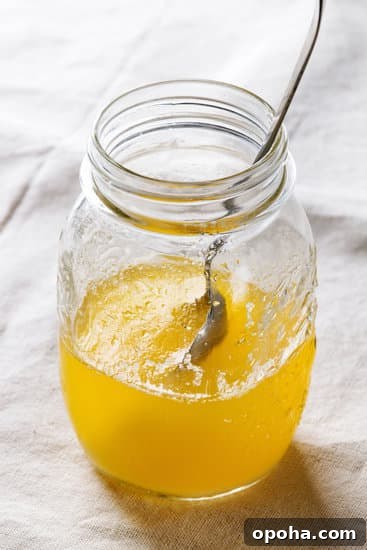
- Raw butter and ghee
- Tallow from grass-fed cows, bison, or lamb
- Lard from pasture-raised pigs
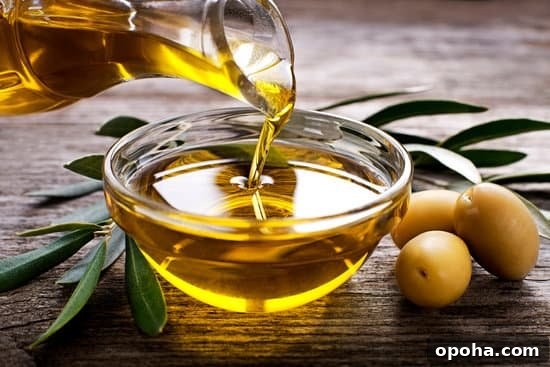
- Single-source, organic extra virgin olive oil
- Organic, sustainably farmed coconut oil
- Organic cold-pressed sesame and other nut oils
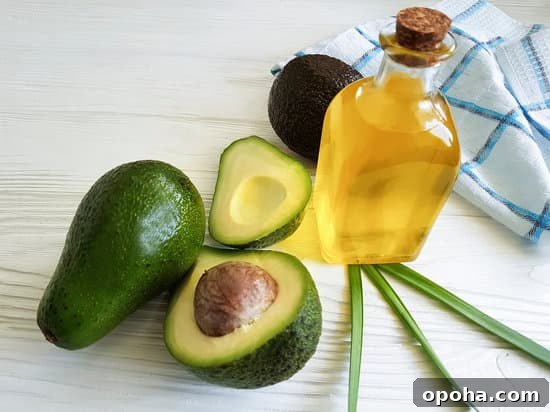
- Avocado oil
- Fair-trade, organic cocoa butter
Good
These are acceptable choices when the higher-quality options are not available:
- Cultured butter made from organic pasteurized milk
- Conventionally produced extra virgin olive oil
- Refined coconut oil
- Refined avocado oil
Acceptable
These can be used in moderation and for particular purposes:
- Conventional butter
- Light olive oil (verify it is not blended with canola or other vegetable oils)
- Peanut oil
Limit or Avoid
These products are best limited or avoided because of processing, hydrogenation, or unstable fatty profiles:
- Margarine
- Corn oil
- Soybean oil
- Canola oil
- Cottonseed oil
- Other industrially processed vegetable oils
- Shortening and hydrogenated fats
It’s important to use cooking fats according to their stability. Saturated, monounsaturated, and polyunsaturated fats each have different heat thresholds, so match the fat to the cooking method.
HOW TO USE YOUR COOKING FAT

Best fats for high heat – Saturated fats
Saturated fats are heat-stable and perform well for baking, frying, and other high-temperature cooking methods. Use these when you need a stable fat that won’t break down quickly.
- Grass-fed ghee
- Grass-fed butter
- Coconut oil
- Animal fats (tallow, lard)
Great fats for moderate heat – Monounsaturated fats
Monounsaturated oils handle moderate heat well and are suitable for pan-frying, sautéing, and quick stir-fries. Avoid prolonged high-temperature exposure.
- Cold-pressed avocado oil
- Cold-pressed olive oil
- Cold-pressed peanut oil
Not great with heat – Polyunsaturated fats
Polyunsaturated oils can offer health benefits but are more fragile under heat. Use them raw in dressings, dips, or add them at the end of cooking to preserve their structure and nutrients.
- Seed oils used raw (when unrefined)
- Certain nut oils best saved for finishing dishes
Avoid
Avoid or minimize use of hydrogenated and heavily processed fats. These are associated with negative health effects and tend to be unstable or altered by industrial processing.
- Shortening, hydrogenated fats, margarine
- Highly processed vegetable oils such as corn, soybean, canola, and cottonseed oil
Choose whole, minimally processed fats when possible, match the fat to your cooking method, and reserve delicate oils for no-heat or low-heat uses to get the best flavor and nutritional value from your fats and oils.