My youngest suffered his first concussion at age three.
After this conversation, I’m wondering if another child in our family has had lingering post-concussion symptoms we never recognized as related to a knock on the head.
This interview is essential for parents of contact-sport athletes, but it’s also valuable for anyone wanting to strengthen their family’s brain health.
What do I mean by brain health? It includes healthy brain development in children, reducing the risk of cognitive decline with age, and supporting mental well-being for the whole family.
Here’s a glimpse of what you’ll learn:
- Why a brain after a concussion behaves a bit like a sprained ankle
- How patients are often surprised when common daily symptoms trace back to an untreated concussion
- What modern conventional medicine often misses about concussion care
- The worst (and second worst) approaches to concussion recovery
- A surprising truth about the CT scan you might receive in the ER after a head injury
- How brain health and mental health are connected
- A simple 30-second screening process you should use at the start of every contact sport season
- How to make routine activities—exercise or even cooking with kids—into brain-strengthening opportunities
Your practical and curious sides will both get useful takeaways. With kids, concussions feel less like “if” and more like “when.” Be prepared with knowledge and start building your family’s brain resilience now. As Dr. Zimmerman says: “The stronger you go into something, the better you’ll be coming out of it.”
Find all episodes of the Healthy Parenting Handbook on the podcast page or wherever you get your podcasts:
Don’t forget to leave a review on Apple Podcasts—thank you!
No time for the video? Here are the notes.
Building Strong, Healthy Brains — Show Notes
0:21: Introduction — Why brain health matters for every family
- The episode is relevant to all parents, whether or not their child has had a concussion
- Mental health, development, and aging are all tied to brain function
- Guest: Dr. Spencer Zimmerman — nurse practitioner, chiropractor, and author of Brain Reset
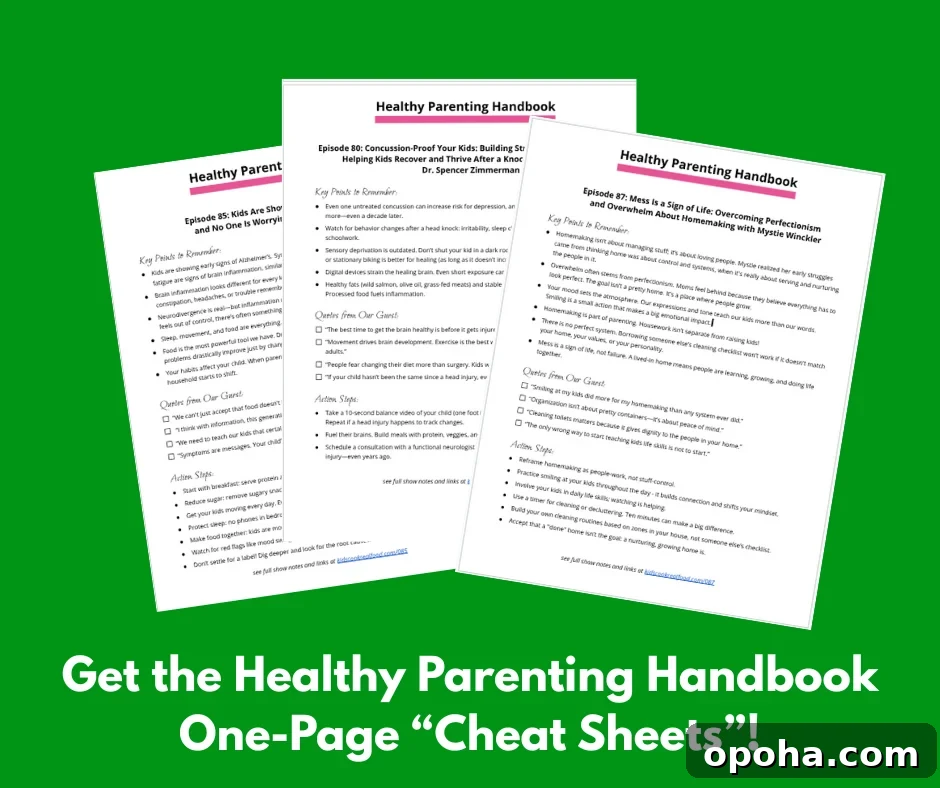
Turn expert advice into a handbook you can actually use.
These one-page summaries capture the highlights of episodes so you can skim key takeaways quickly.
Concussion Symptoms Parents Might Miss
2:41: A spouse’s undiagnosed post-concussion syndrome
- Symptoms like motion sickness and neck pain were dismissed as “normal” or “puberty”
- She had multiple concussions that were never properly evaluated
“90% of people still suffering from concussion symptoms don’t even know it’s from a concussion.” – Dr. Spencer Zimmerman
6:03: Life with five homeschooled daughters and repeated minor head bumps
- Minor incidents—bumping a stroller or monkey bars—can trigger symptoms in someone with prior concussions
- Untreated previous concussions increase vulnerability
6:59: Why previously concussed brains are more sensitive
“It’s like a sprained ankle—once it’s weak, it takes less to re-injure it.” – Dr. Spencer Zimmerman
Why Conventional Concussion Treatment Falls Short
8:15: What pediatricians commonly advise—and why that often isn’t enough
- Typical guidance: give acetaminophen, rest, and expect resolution in a week
- Too often there’s no follow-up plan or targeted treatment
9:19: What to do the day your child has a concussion
- Watch for changes in behavior, mood, appetite, and coordination
- Gentle movement—walking or stationary biking—is usually better than complete sensory deprivation
“The research shows total rest actually prolongs recovery.” – Dr. Spencer Zimmerman
12:21: Should your child use screens during recovery? No.
At-Home Concussion Recovery Tips for Parents
14:27: Safe steps you can take at home (and what to avoid)
- Prioritize sleep and reduce inflammatory foods
- Keep blood sugar stable
- Avoid “pushing through”—build in regular breaks
- Don’t attempt advanced neuro-rehabilitation exercises without professional guidance
- Nutrition matters: healthy fats support brain healing
Finding the Right Concussion Treatment Provider
16:45: Which providers can effectively treat concussions?
- Functional neurologists and functional medicine practitioners are often well suited
- Chiropractors and vestibular therapists can help, but training in concussion care varies
- A multidisciplinary team is sometimes necessary rather than relying on a single provider
No matter what life throws at our kids, we want them to be resilient.
This free download offers practical steps to improve brain health and resilience.
18:29: Should you get a CT scan or MRI? Usually, no.
“A normal CT scan doesn’t mean your child is fine. It shows there’s no bleed or fracture, but it doesn’t rule out a concussion.” – Dr. Spencer Zimmerman
Mental Health After Concussion: What Every Parent Needs to Know
22:07: The often-overlooked link between concussion and mental health
- Concussions can increase the risk of anxiety, depression, oppositional behaviors, substance misuse, hospitalization for mental health, and even suicide
Recognizing Post-Concussion Syndrome in Kids and Teens
25:24: Red flags for post-concussion syndrome—even years after an injury
- Fatigue, brain fog, memory challenges, and headaches
- Symptoms can appear months or years after the incident
- Concussions don’t always involve loss of consciousness
“If your child hasn’t been the same since a head injury, even a ‘minor’ one, it’s worth a deeper look.” – Dr. Spencer Zimmerman
Preventing Concussions and Building Brain Resilience
29:19: Who the book Brain Reset is for
- Not only for concussion recovery—useful for optimizing brain health across ages
- Applicable to ADHD, chronic fatigue, long COVID, Parkinson’s, dementia, and more
30:26: How to support your child’s developing brain
- Prioritize nutrition, especially healthy fats like DHA and EPA
- Be proactive before sports seasons and potential injuries
31:59: Quick brain-strengthening tip
- Turn any physical activity into a brain exercise by adding balance challenges and novelty
- Use simple moves like one-foot stance or resistance bands to engage the brain
34:42: Take a 10-second baseline video of your child’s balance before sports seasons—this simple step gives you a comparison if an injury occurs.
Cooking, Creativity, and Brain Development in Kids
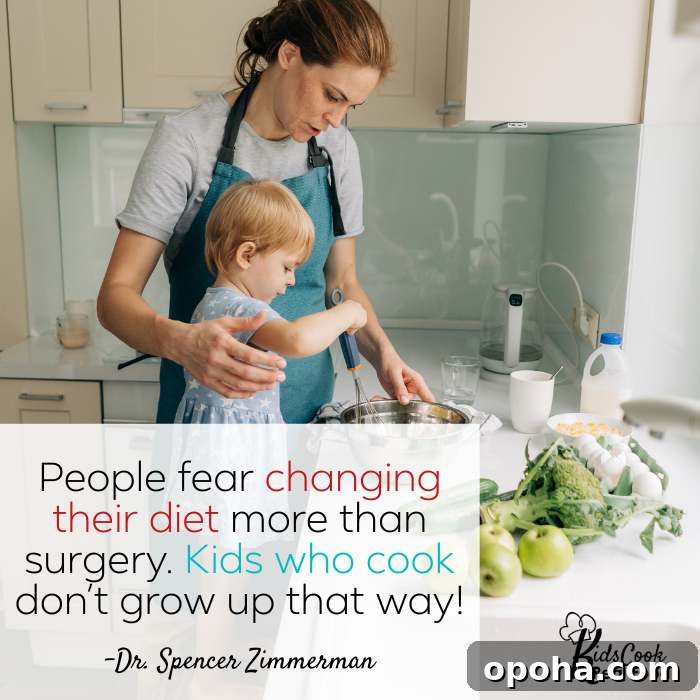
38:21: Cooking really supports brain development
- Kids learn sequencing, measurements, and following steps while building focus and resilience
- Exposure to cooking reduces resistance to healthy foods later in life
40:34: Parting encouragement from Dr. Zimmerman
“You can let your kids play sports. You just need the knowledge to make it safe.” – Dr. Spencer Zimmerman
- You’re not powerless—you can prevent concussions, treat them appropriately, and support full recovery.
Resources Mentioned for Building Strong, Healthy Brains
- Dr. Spencer Zimmerman’s book Brain Reset
- Professional providers who specialize in functional neurology and concussion care
- Simple practical tools: baseline balance videos, nutrition that supports brain healing, and movement-based recovery strategies
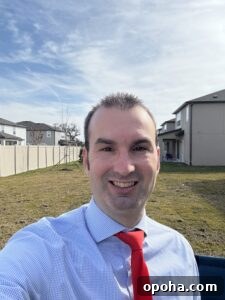 Dr. Spencer Zimmerman helps individuals restore and optimize brain function. His interest in integrative brain and body health grew from a family member’s experience with post-concussion syndrome and related health challenges. He is cross-trained as both a chiropractor and nurse practitioner, holds a Diplomate in Chiropractic Neurology, and has training in functional medicine and functional immunology. He practices at an integrative clinic in the Tampa, Florida area called Peak Brain and Body.