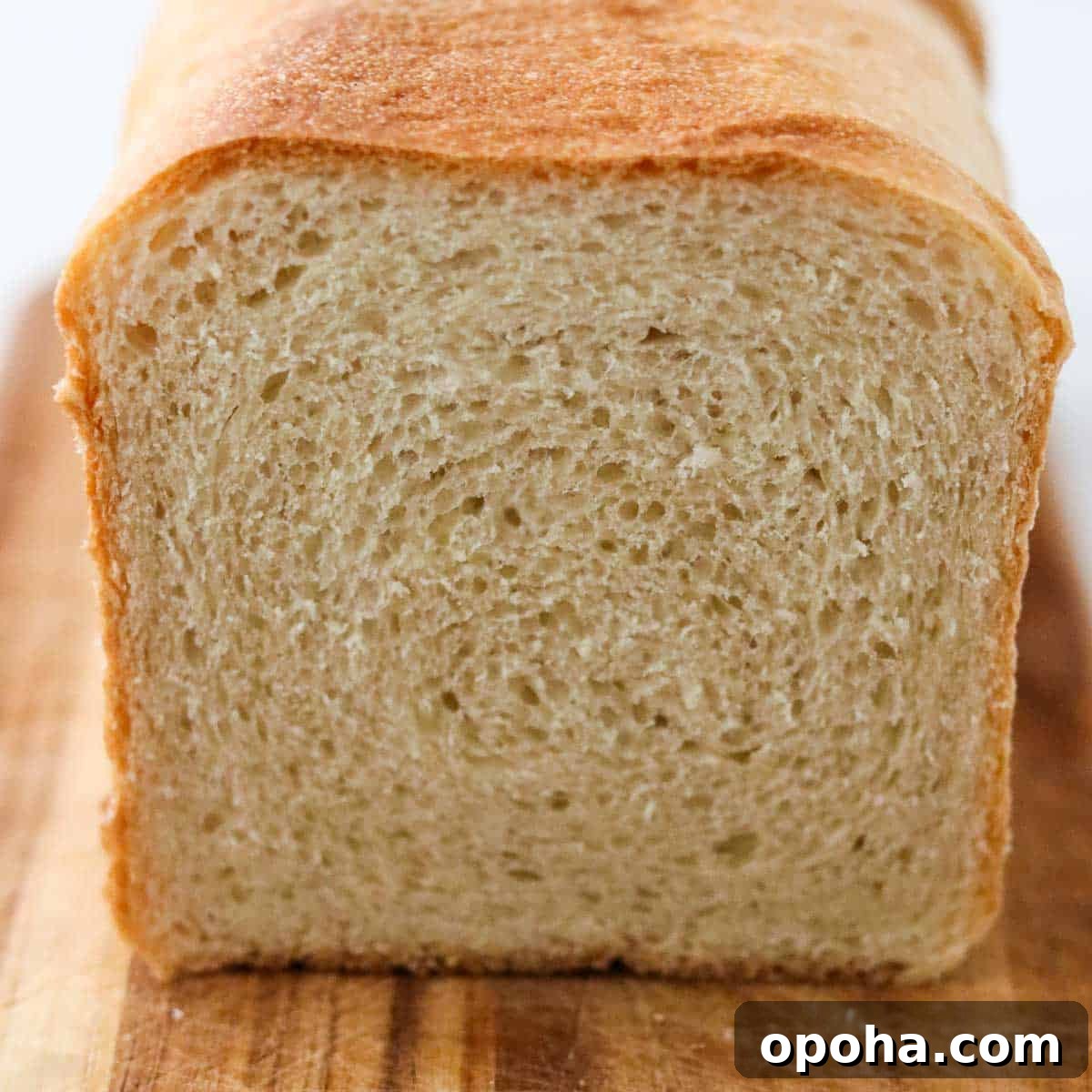
This easy homemade buttermilk bread recipe yields a loaf with a soft, tender crumb and a subtle tang from the buttermilk. Pillowy and light, it’s ideal for sandwiches, toast, or simply slathered with butter and jam. You’ll love its tender texture and versatile flavor.
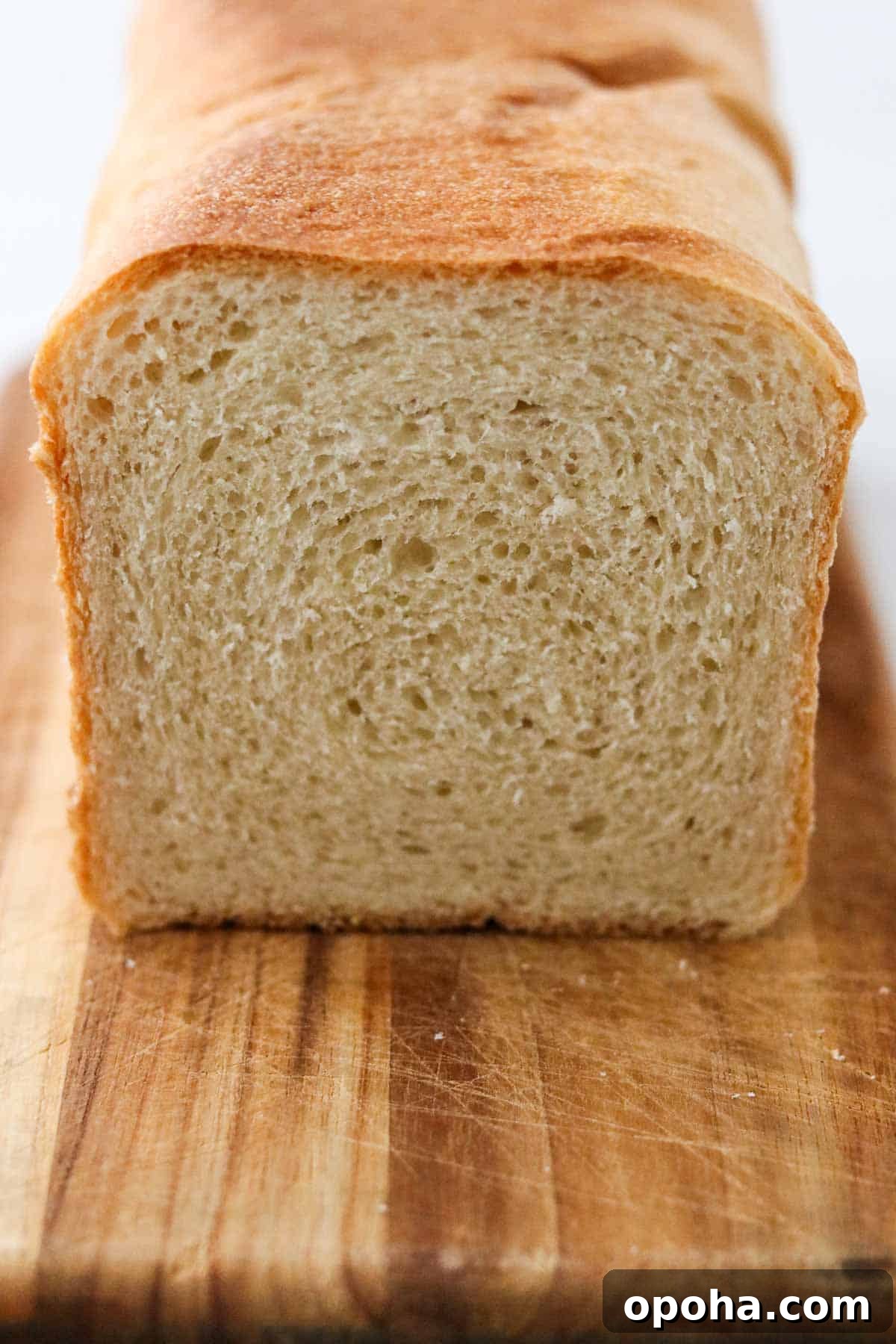
This recipe was inspired by a trip to Denmark, where open-faced sandwiches on toasted bread are a daily delight. The loaf toasts up crisp at the edges while remaining soft inside, making it perfect for everything from simple breakfasts to elegant smørrebrød. I keep returning to this recipe when I want a lighter bread alongside my heartier rye and whole grain loaves.
If you enjoy dense rye and whole-grain breads, I also publish recipes like Easy Overnight Danish Rye Bread and Norwegian Brown Bread on my site. Still, sometimes a lighter, tender white loaf is exactly what you need — and this Buttermilk Bread fills that role beautifully.
Ingredients
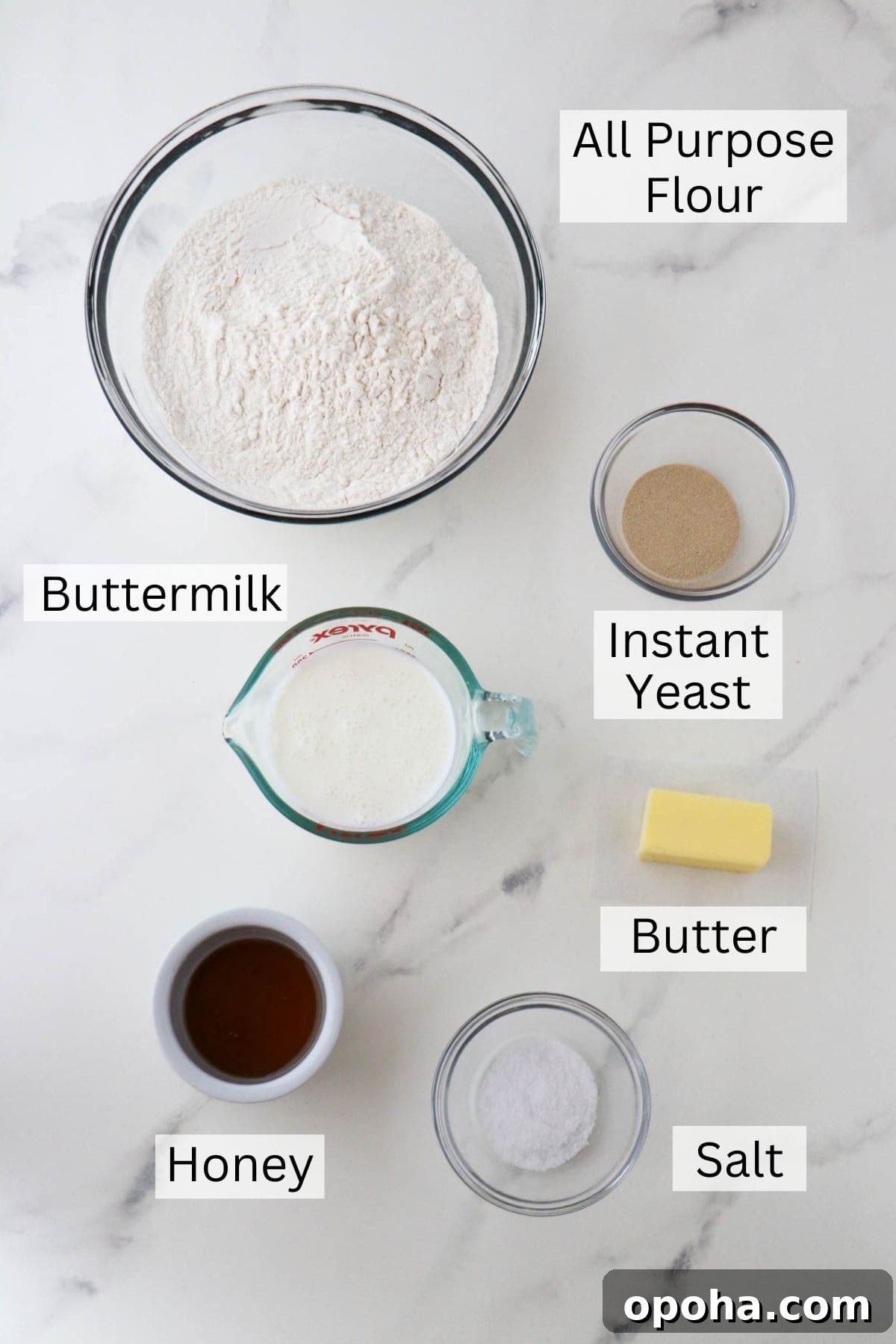
- All-purpose flour: Creates a sturdy yet soft crumb and is generally what home bakers have on hand.
- Buttermilk: Adds a gentle tang and helps produce a tender texture.
- Instant yeast: Leavens the dough for a reliable rise.
- Honey: Balances the tanginess with a mild sweetness.
- Unsalted butter: Adds richness and flavor; melted for easy incorporation.
- Salt: Enhances the overall flavor of the loaf.
See the recipe card below for exact amounts and detailed instructions.
Substitutions
- No buttermilk? Mix 1 tablespoon distilled white vinegar or lemon juice with 1 cup milk; let it sit about 10 minutes until it thickens slightly to mimic buttermilk.
- Replace honey with maple syrup if preferred.
- Vegetable oil may be used in place of butter.
- Using active dry yeast: Warm the buttermilk to about 100–110°F, sprinkle 1 tablespoon active dry yeast over it, stir and let sit 10 minutes until bubbly before proceeding.
Variations
- Herbed Buttermilk Bread: Fold in chopped fresh rosemary, thyme, dill or chives toward the end of kneading for an aromatic loaf.
- Whole Wheat Version: Substitute up to half of the all-purpose flour with whole wheat flour for a nuttier flavor and firmer texture.
Instructions
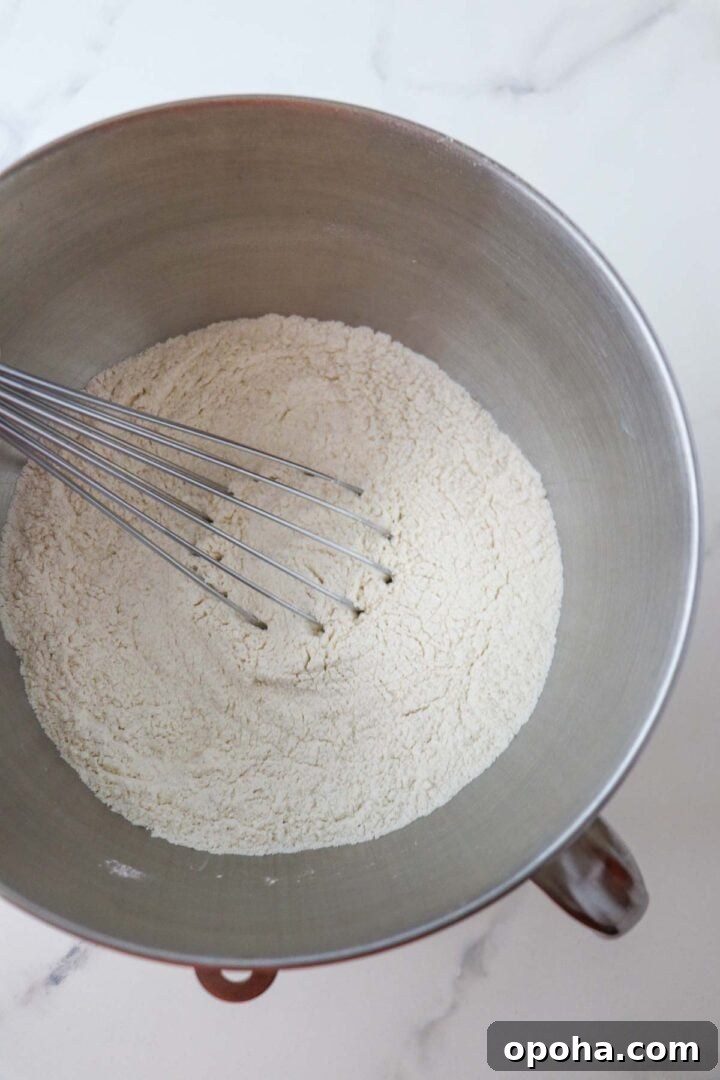
- Step 1: Whisk the dry ingredients together in the bowl of a stand mixer.
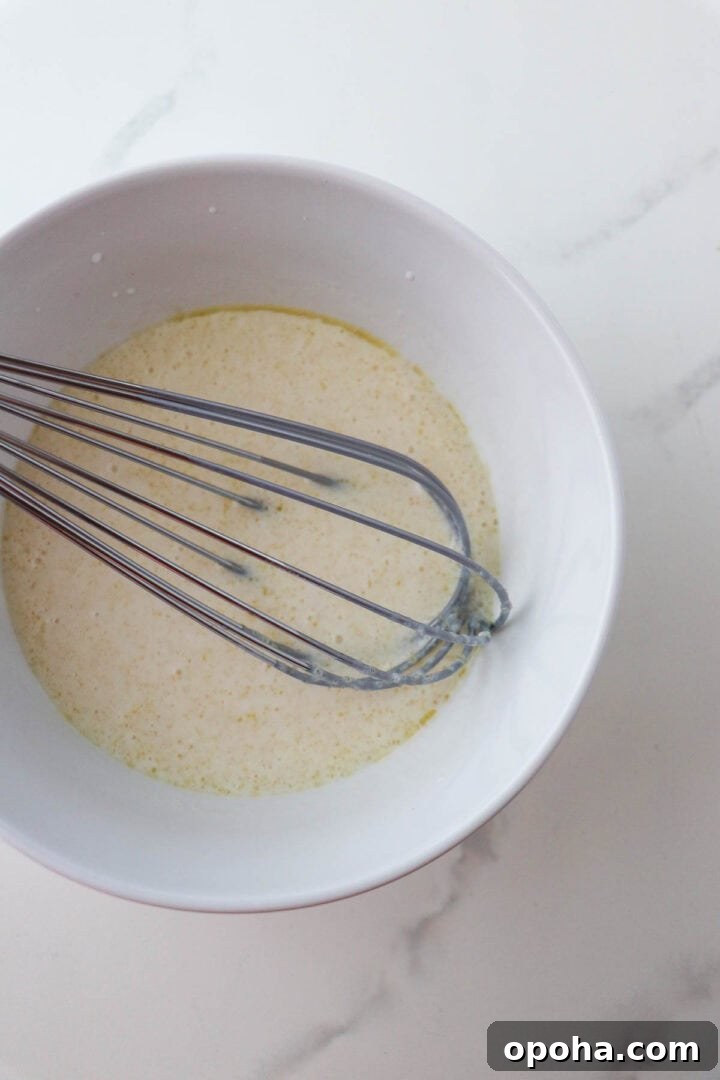
- Step 2: Whisk the remaining ingredients in a medium bowl until the honey is fully dissolved.
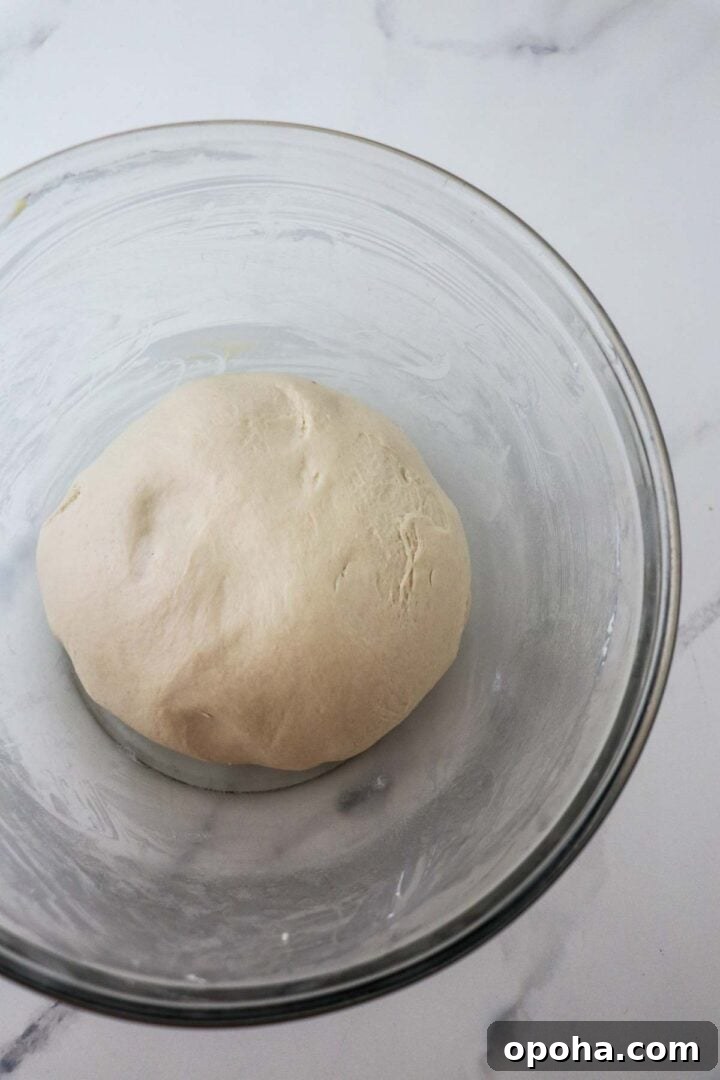
- Step 3: Attach the dough hook and mix on low while slowly adding the liquids to the dry ingredients. When the dough comes together, raise speed to medium-low and knead until smooth and elastic, about 7 minutes. Transfer the dough to a greased bowl.
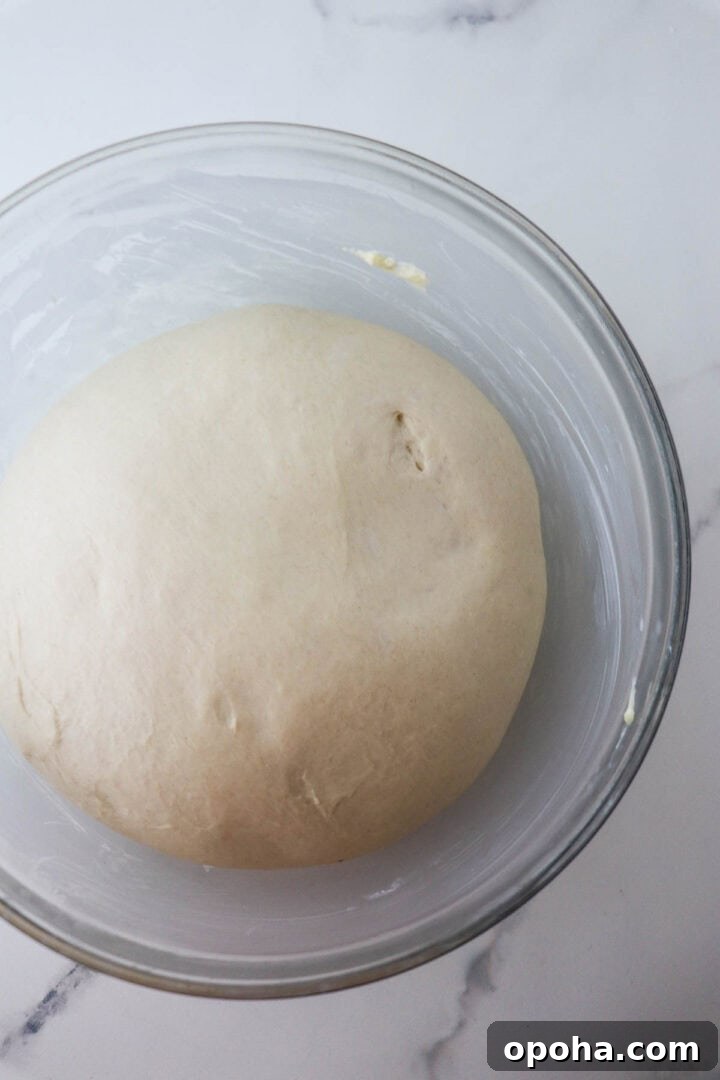
- Step 4: Cover and let the dough rise at room temperature until doubled, about 1½ hours.
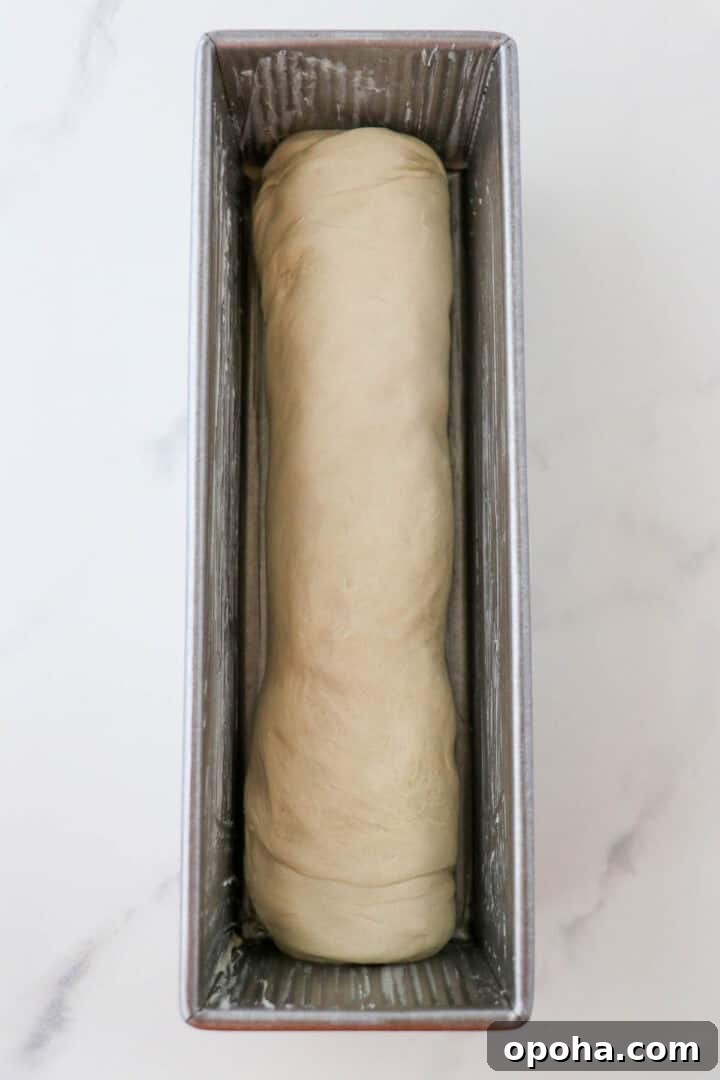
- Step 5: On a lightly floured surface, press or roll the dough into a 10 x 12 inch rectangle with the long side parallel to the counter. Roll the dough away from you into a tight cylinder, pinch to seal the seam, and place seam-side down in a greased Pullman pan.
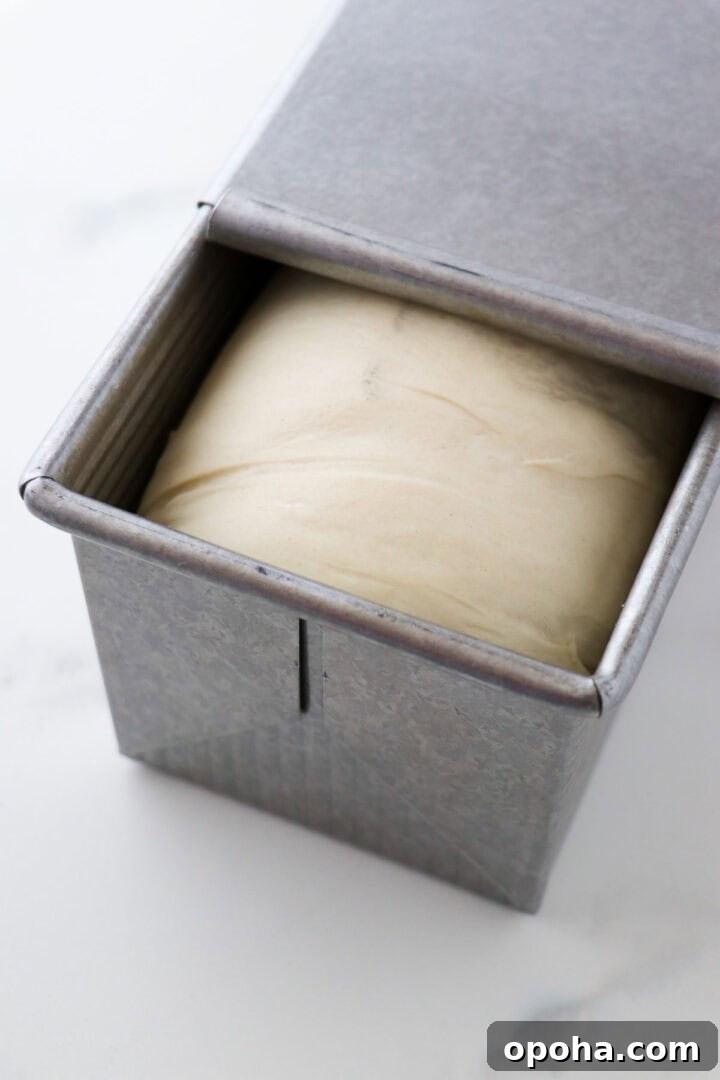
- Step 6: Slide the lid onto the Pullman pan and let the dough rise until flush with the top of the pan, about 1–1½ hours.
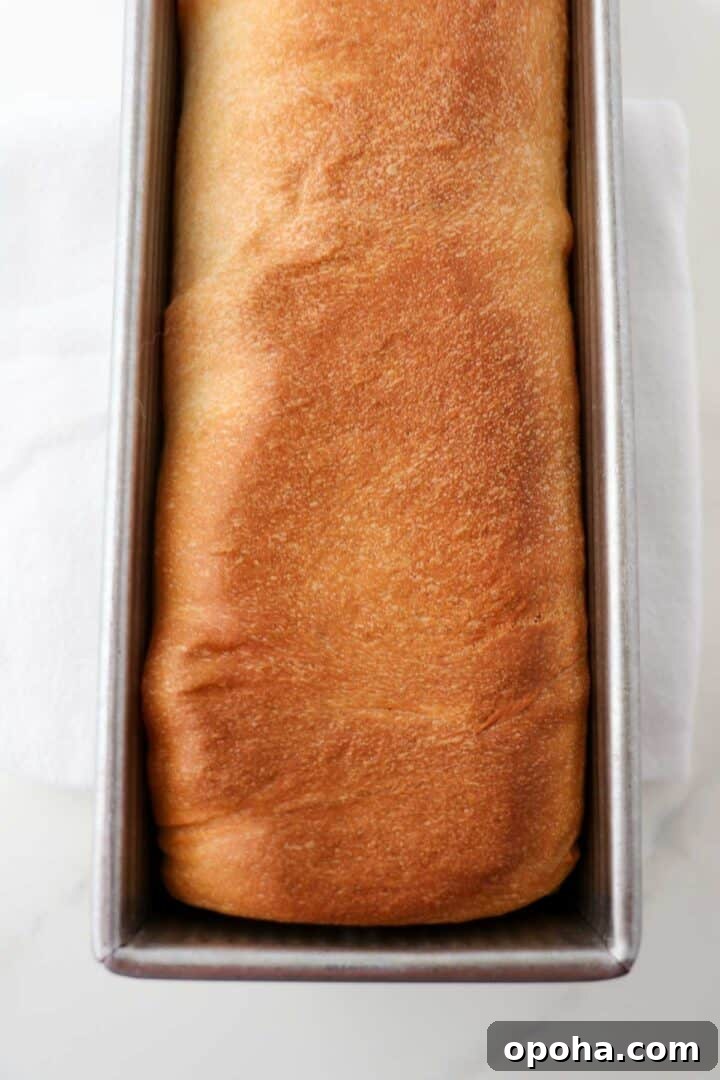
- Step 7: Preheat the oven to 350°F. Bake the covered loaf for 20 minutes. Remove the lid carefully, rotate the pan, and bake uncovered another 15–20 minutes until golden and an instant-read thermometer reaches 210°F. Let the loaf cool in the pan for 15 minutes.
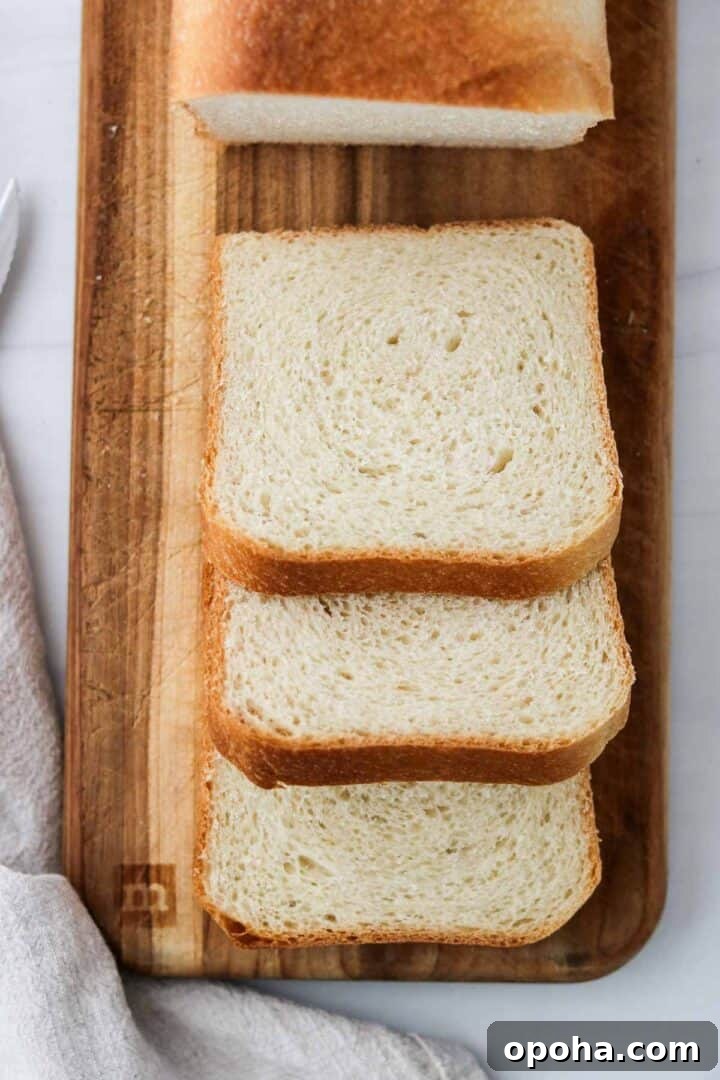
- Step 8: Gently tip the loaf out onto a wire rack and cool completely before slicing to preserve texture and prevent crushing the crumb.
Recipe FAQ
It resembles a classic white sandwich loaf but with a mild tang and richer mouthfeel from the buttermilk.
Buttermilk’s acidity tenderizes the crumb and adds flavor complexity, contributing to a softer, more tender loaf.
Yes — the bread will still work, but it will lack the subtle tang and the slightly softer crumb that buttermilk provides.
Wrapped tightly at room temperature, it keeps well for up to 3 days. For longer storage, slice and freeze or wrap the whole loaf for the freezer.
Yes. Wrap the whole loaf tightly in plastic and foil, or freeze individual slices in packets for easy use.
Use two standard loaf pans. Cover the loaves with a greased baking sheet during the covered bake stage; baking times may vary slightly.
How to Use Buttermilk Bread
This versatile loaf works in many recipes. A few ideas:
- Make cardamom French toast with thick slices.
- Use toasted slices as the base for classic Toast Skagen or smørrebrød.
- Cube and caramelize the bread for a Danish-style trifle.
- Make grilled cheese or a toasted goat cheese sandwich with sundried tomatoes and olives.
- Spread with simple refrigerator jams or honey and enjoy with butter.
Related Recipes
Want more Scandinavian-inspired baking? Try these complimentary recipes and techniques for sweet buns and tarts:
-
Swedish Kolasnittar (Caramel Slice Cookies)
-
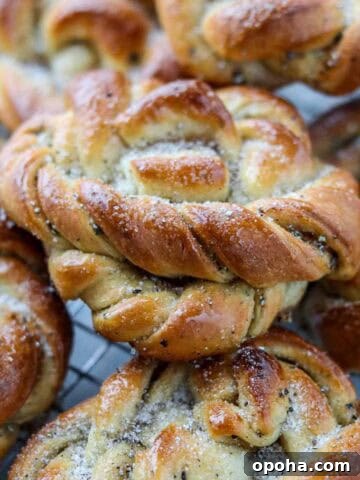
The Ultimate Guide to Scandinavian Sweet Buns
-
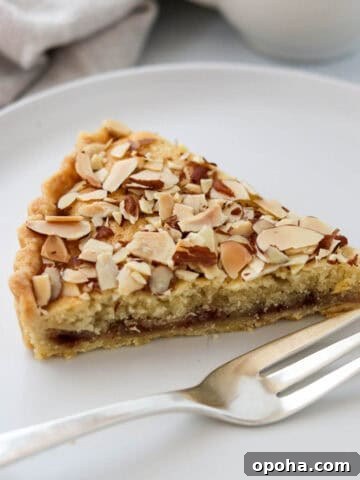
Lingonberry Almond Tart
-
How to Use the Tangzhong Method for Soft Breads
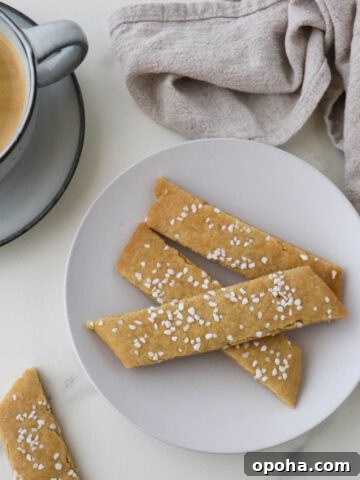

If you try this Soft and Tender Buttermilk Bread, please leave a star rating and share your results in the comments — I love hearing how your loaves turn out!
Recipe
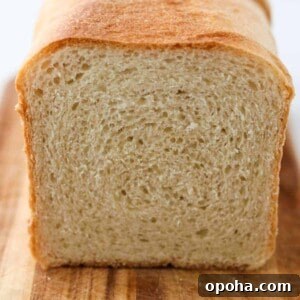
Soft and Tender Buttermilk Bread
Equipment
-
13 x 4 Pullman Loaf Pan with Lid (recommended)
Ingredients
- 4 cups all-purpose flour 20 ounces
- 1 tablespoon instant yeast
- 2 teaspoons salt
- 1 cup buttermilk
- ⅓ cup water room temperature
- 4 tablespoons unsalted butter melted
- 2 tablespoons honey
- Butter for greasing the bowl and the pan
Instructions
-
Whisk the flour, yeast and salt together in the bowl of a stand mixer. Combine the remaining ingredients in a medium bowl and whisk until the honey has dissolved.
-
Attach the dough hook and start the mixer on low. Slowly add the liquid mixture to the dry ingredients and mix until the dough just comes together.
-
Increase speed to medium-low and knead until the dough is smooth, elastic and clears the sides of the bowl, about 7 minutes.
-
Transfer the dough to a lightly greased bowl and let it rise at room temperature until doubled, about 1½ hours.
-
Grease a 13 x 4 inch Pullman pan, including the inside of the lid. Press the dough into a 10 x 12 inch rectangle, roll into a tight cylinder with the long side parallel to the counter, pinch the seam and place seam-side down in the pan, pressing into the corners.
-
Slide the lid on and let the dough rise until level with the top of the pan, about 1–1½ hours.
-
Preheat the oven to 350°F. Bake the covered loaf for 20 minutes, carefully remove the lid, rotate the pan, and bake uncovered 15–20 more minutes until golden and the internal temperature reaches 210°F. Cool in the pan 15 minutes, then transfer to a wire rack and cool completely before slicing.
Nutrition
| Carbohydrates: 17 g
| Protein: 2 g
| Fat: 2 g