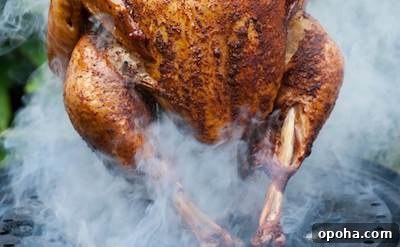
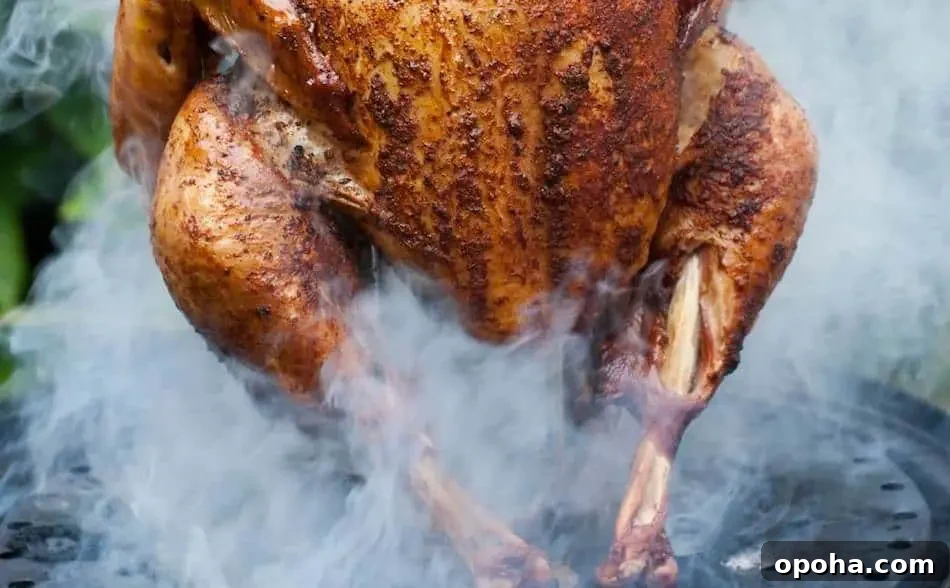
If you own a Weber kettle or a similar charcoal grill, you can confidently smoke a turkey. Turkey can be tricky, but following a few straightforward principles will deliver a tender, juicy bird. Below is a clear, practical guide to smoking turkey on a Weber kettle so you get consistent results every time.
Smoking a turkey on a Weber kettle is simple when you maintain a steady 325°F. At that temperature, a small to medium turkey will finish in roughly two hours. This method is inspired by Aaron Franklin’s straightforward approach to barbecue—keep things simple and focus on the essentials.
Smoked Turkey On A Weber Kettle
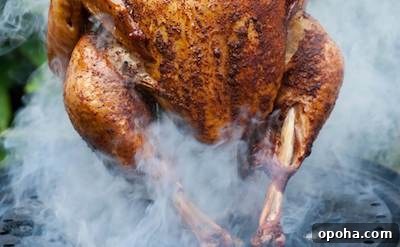
Tender, juicy smoked turkey cooked over charcoal on a kettle grill.
15 minutes
2 hours 30 minutes
10 minutes
2 hours 55 minutes
Ingredients
- One or two small turkeys
- Barbecue rub
- 2 gallons of cold tap water
- 1 cup kosher salt
- 1 cup white sugar
- 2 chunks of cherry or apple wood
- 80 charcoal briquettes
- 1 pound butter
Instructions
- Pour part of the water into a pot.
- Stir the kosher salt and white sugar into the water.
- Gently heat the mixture until the salt and sugar dissolve to make a concentrate.
- Pour the concentrate into a large plastic container or pickling bucket.
- Add the remaining cold water to the container and cool the brine completely.
- Once cool, place the turkey in the brine and refrigerate overnight.
- The next day, remove the turkey from the brine and pat dry.
- Apply your barbecue rub evenly over the turkey. If needed, use a little olive oil to help the rub adhere.
- Arrange 40 unlit charcoal briquettes on one side of the Weber kettle.
- Light the other 40 briquettes in a chimney starter until fully ignited.
- Place a water pan on the grill next to the unlit coals and fill it with hot water.
- Dump the lit coals onto the unlit coals to create a hot side and a cool side.
- Attach a thermometer probe to monitor the grill temperature.
- Close the lid and set the bottom and top vents about half open.
- Wait about 20 minutes for the kettle to stabilize; aim for 325°F.
- Add two chunks of smoking wood to the coals once you reach temperature.
- When clean, light smoke appears, place the turkey on the cool side of the grill with the breast angled away from the hottest area. Shield wing tips with foil if needed.
- Smoke for about 1.5 hours, or until the internal temperature in the breast reaches around 160°F.
- Carefully transfer the turkey to an aluminum pan. Dot the bird with cubes of butter, then tent tightly with aluminum foil.
- Return the pan to the grill and continue cooking until the breast reaches 165°F and the thigh reaches 175°F.
- Remove the turkey and rest, tented, for 30 minutes before carving.
Nutrition Information:
Serving Size:
57 grams
Amount Per Serving:
Calories: 64
How Long Will It Take?
Plan on 2 to 2½ hours for a small turkey at 325°F on a Weber kettle. Large birds take longer, and cooking below 300°F can push the time past three hours.
How Will I Know It’s Done?
Turkey is done when the breast reaches 165°F and the thigh reaches 170–175°F. A reliable thermometer is essential—without one you’re guessing. Use a leave-in probe to track progress and an instant-read thermometer for spot checks.
What’s The Best Temp For Smoking Turkey?
The ideal temperature for smoking turkey on a Weber kettle is 325°F. This heat gives you a nicely browned, crisp skin without overcooking the meat. Cooking below 300°F can leave the skin soft and rubbery.
Tips On Buying The Right Turkey
Smaller birds are easier to handle and cook more evenly than one large turkey. Check packaging—some turkeys are pre-brined, so avoid double-brining. Two small birds often beat one giant bird for consistent results.
What’s The Best Wood For Smoking Turkey?
Turkey has delicate meat, so avoid overpowering woods like mesquite or strong hickory. Fruit woods such as apple or cherry pair beautifully and won’t dominate the flavor. Cherry adds a rich mahogany color; mixing a couple of woods (apple plus cherry) is a great option for aroma and color.
Brine The Turkey
Brining the turkey the day before improves moisture and flavor. Aaron Franklin’s simple brine is effective and easy to make:
- 2 gallons cold tap water
- 1 cup kosher salt
- 1 cup white sugar
Heat a portion of the water, dissolve the salt and sugar to make a concentrate, transfer to a large container, add the remaining cold water and cool. Submerge the turkey and refrigerate overnight.
Dry The Turkey
After brining, remove the turkey and pat it dry with paper towels. Dry skin helps with browning and crisping. If you need the rub to stick, rub a little olive oil on the skin first.
Apply The Rub
Use a store-bought rub you trust or make your own. A simple home rub is salt, pepper, onion powder, and garlic powder. For more complexity, use a standard barbecue rub blend to taste.
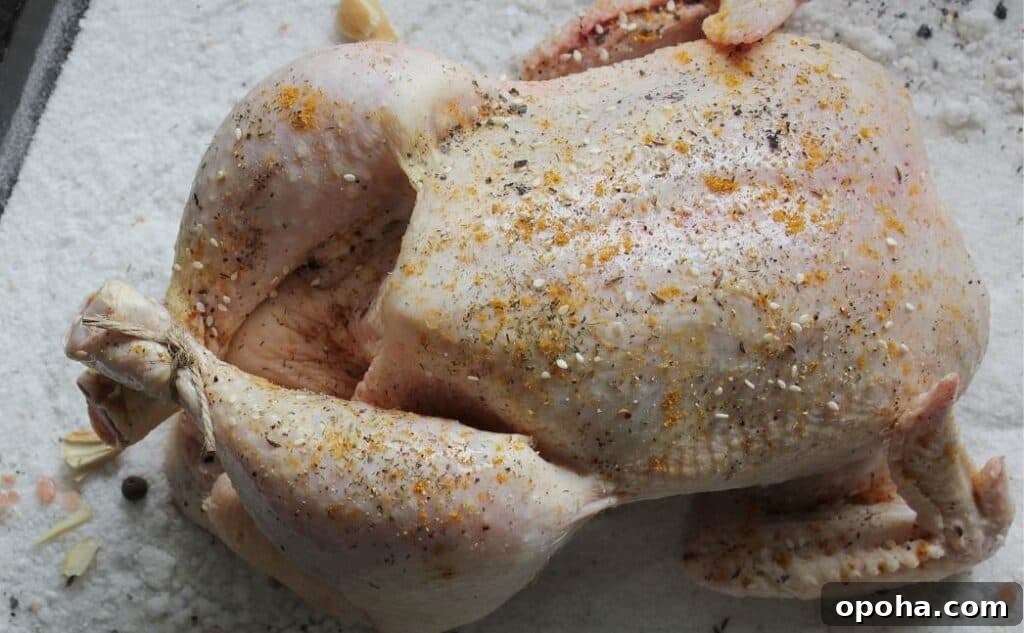
Standard Barbecue Rub
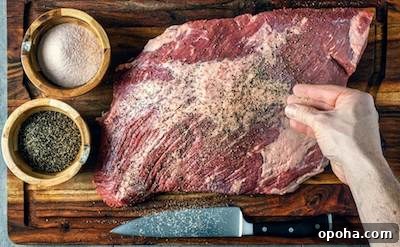
A versatile rub that works well on turkey and other barbecue cuts.
10 minutes
10 minutes
Ingredients
- ½ cup paprika
- ½ cup salt
- ½ cup sugar
- ½ cup granulated garlic
- ¼ cup granulated onion
- ¼ cup chili powder
- ¼ cup cumin
- 2 tablespoons black pepper
- 2 tablespoons dry mustard
- 1 tablespoon cayenne pepper
Instructions
- Combine all spices in a large bowl.
- Store the rub in an airtight container or shaker.
How To Setup A Weber Kettle For Smoking Turkey
- Place 40 unlit briquettes on one side of the kettle.
- Light 40 briquettes in a chimney starter and wait until they are glowing.
- Set a water pan on the opposite side of the grill.
- Pour the lit coals onto the unlit coals to create two zones.
- Close the lid and set bottom and top vents about half open.
- Attach a thermometer to monitor grill temperature.
- Allow 20 minutes to stabilize at 325°F, adjusting vents as needed.
- Add a couple of wood chunks (apple, cherry, or mild hickory).
- Wait for clean, thin smoke before adding the turkey.
How To Put The Turkey On The Grill
Place the turkey with the legs facing the fire so thighs and legs receive more heat. Keep the breast away from the hottest zone to prevent drying. Shield wing tips with foil to prevent burning.
Do You Put Turkey In A Pan?
Start the cook directly on the grill for the first stage. After about 90 minutes, move the turkey to an aluminum pan, add butter, and tent with foil for the final phase to finish cooking and retain moisture.
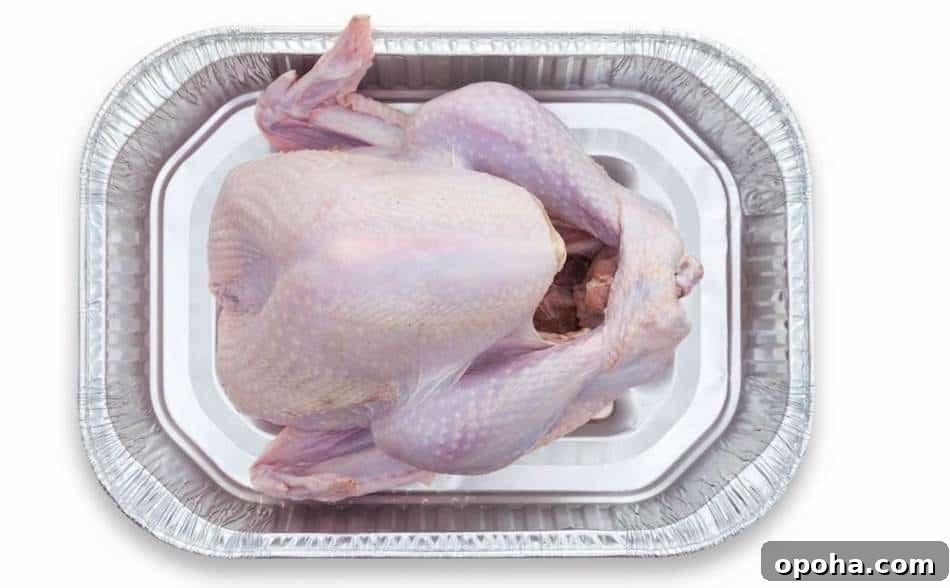
Do You Wrap Turkey?
After about 90 minutes, tent the turkey with foil to prevent over-darkening and help retain moisture. Tenting reduces crispiness, so if you want a crisp skin, remove the tent near the end and let the bird dry on the grill briefly before serving.
Weber Setups For Smoking Turkey
For a standard turkey cook, use 80 to 100 briquettes and set up for indirect cooking: coals on one side, turkey on the other. This creates a hot side and a cooler side—ideal for a controlled cook at 325°F.
Can You Use The Snake or Minion Method?
Snake and minion methods are great for low-and-slow cooks at 220–250°F. Turkey cooks hot-and-fast (325–350°F), so these methods are less suitable for this style of cook.
How Many Charcoal Briquettes Do I Need?
On a 22-inch Weber kettle, plan for about 80 briquettes—40 lit and 40 unlit—to hold 325°F for 2–3 hours, depending on bird size and conditions.
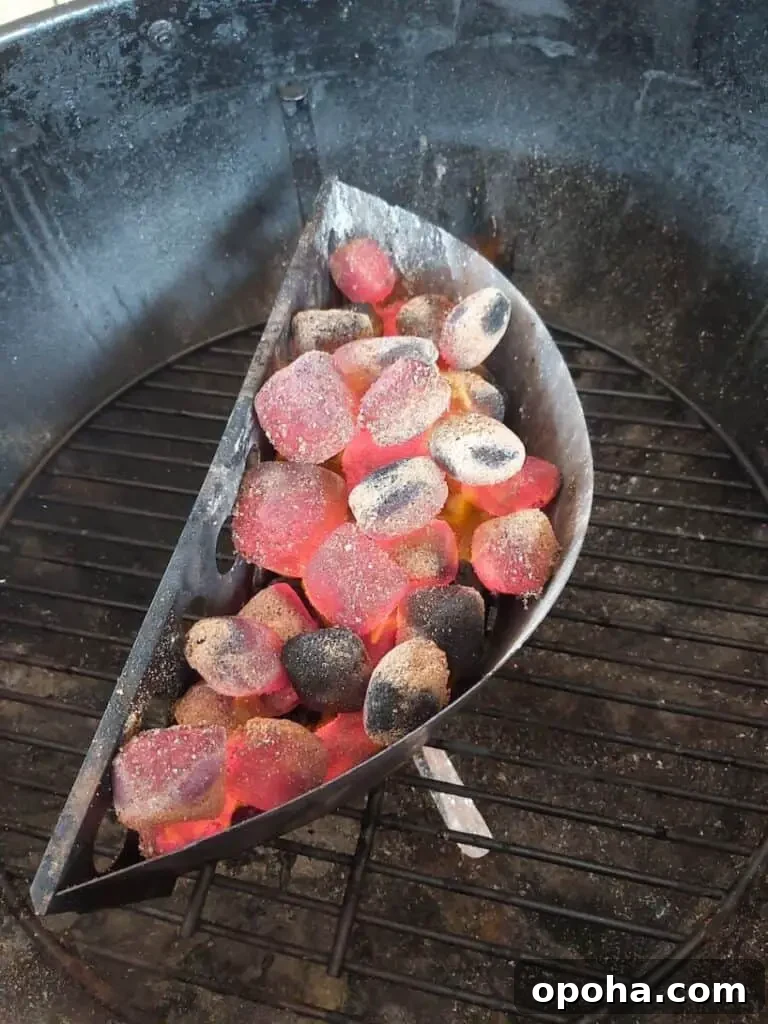
Vent Adjustments
Start with the bottom and top vents half open to maintain 325°F. If windy, reduce the bottom vent to a quarter. When bringing the kettle up to temperature, you can open the bottom vent fully for the first 20 minutes, then throttle back. Make only one vent adjustment at a time and wait about 10 minutes before changing again.
7 Ways To Crispy Skin
- High temps. Cook around 300–325°F; below 275°F skin will stay soft.
- Skip wet brine for crispiness. A wet brine adds moisture but softens skin; use a dry brine (salt rubbed into the skin) if crisp skin is the goal.
- Avoid tenting. Tenting creates steam and softens skin; skip it if you need crispy skin.
- Don’t pan. Cooking directly on the grate helps air circulate and keeps the underside from getting soggy.
- Lose the water pan. A water pan increases humidity; omit it if crispy skin is top priority.
- Don’t spritz. Spritzing adds moisture and softens the skin.
- Dry before cooking. Pat the turkey dry with paper towels to remove excess surface moisture.
- Use a light oil spray. A light olive oil spray can aid browning without soaking the skin.
How To Avoid A Black Turkey
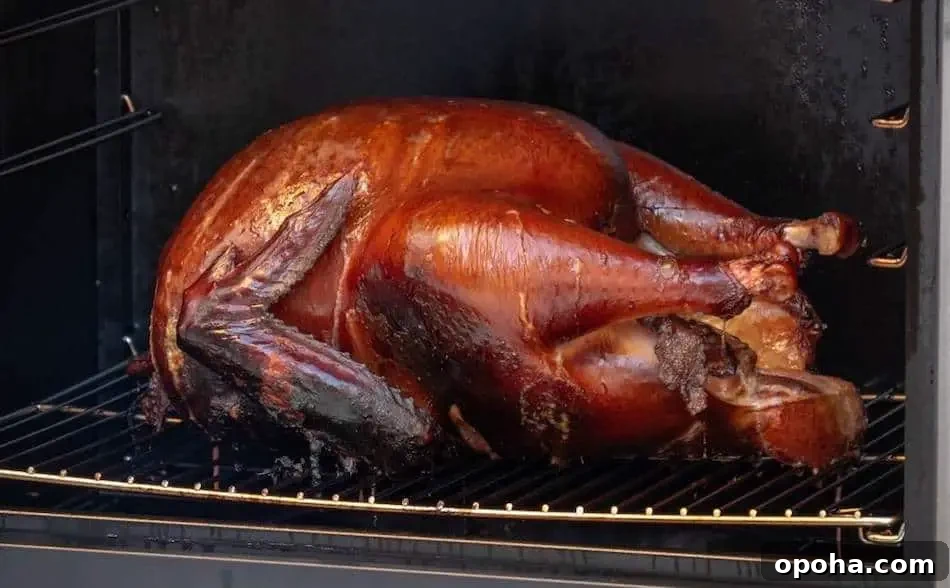
Prolonged exposure to smoke and darker woods like cherry can darken the skin. If you want a lighter color, tent the bird during the final phase or choose milder woods such as apple or pecan instead of cherry.
My Favorite Meat Smoking Tools
Here are useful tools for smoking turkey and other meats: a reliable leave-in thermometer with probes, a fast instant-read thermometer for spot checks, and high-quality butcher paper if you wrap other cuts. Invest in tools that give accurate temperature readings—temperature control is the key to consistent results.