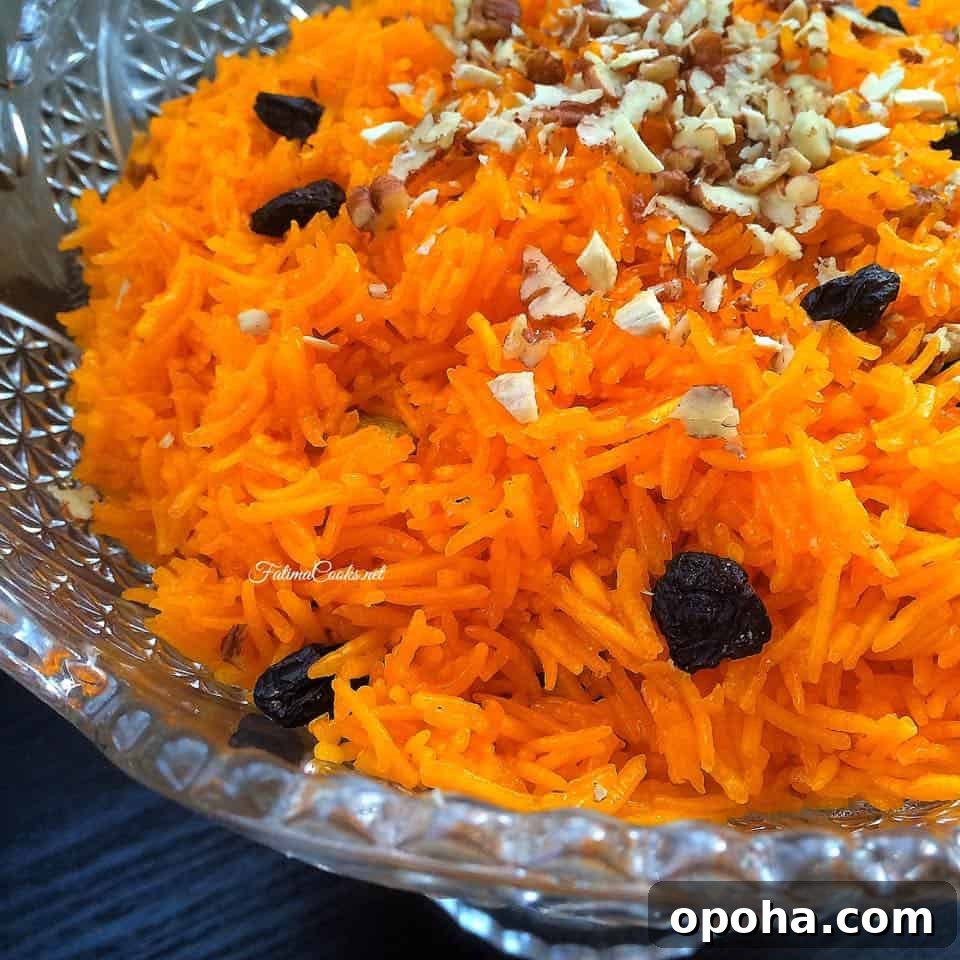
Please take a moment to appreciate how beautiful Zarda is in all its glory.
The colours, the scattering of nuts and jewel-toned raisins, the glossy texture — it’s a feast for the eyes.
And that’s before I even mention how comforting a plate of warm Zarda feels after a spicy meal, or when eaten alongside a hot biryani or pilau—if you know, you know 😉.
Traditionally served on special occasions like weddings and Eid, I made this batch to celebrate landing my first official job!
What is Zarda?
Zarda is a classic Pakistani dessert made from rice, sugar, nuts and cardamom. Its name derives from the Urdu word “zard,” meaning yellow, which is why Zarda is often a bright yellow or orange colour.
How do you make Zarda?
Many traditional recipes involve multiple steps, such as boiling rice separately and preparing a cardamom-scented sugar syrup (chashni) to pour over the rice. Those methods work, but they add time, dishes and complexity without dramatically changing the flavour.
My version is deliberately simple and delivers the same satisfying result:
- Boil the rice with the food colouring and cardamom while roasting the nuts and raisins in a separate pan.
- Drain the cooked rice.
- Stir in sugar and the roasted nuts and raisins.
- Let the mixture steam for 10–15 minutes.
I’m all for keeping things simple when the result is the same — less fuss, fewer dishes, more time to enjoy the finished dish.
This straightforward method yields a dessert with great payoff, which is why Zarda is one of my go-to sweets. Zarda, you are very kind.
What makes a good Zarda?
A great Zarda has long, separate grains of rice that are firm but not hard, coated in glossy, syrupy sugar, with a scattering of toasted nuts and plump raisins in every bite. The contrast of textures and the subtle cardamom aroma makes each mouthful lovely.
For that texture, choose extra long-grain basmati rice. If you find basmati tricky, sella (parboiled) rice is forgiving and harder to overcook, making it an excellent alternative.
Do I need to use food colouring in Zarda?
Food colouring is traditional for the vivid hue, but it’s optional. Alternatives include:
- Saffron: soak a few threads in warm water and drizzle over the rice. Saffron gives a gentle colour and floral aroma; using it sparingly will create flecks of yellow rather than an even dye.
- Natural colourings: any natural food dye can be added while boiling the rice and will work fine.
- No colour at all: the dish will taste identical without any added colouring.
How is Zarda served?
Zarda is served as a dessert, garnished with nuts and dried fruit. It’s best warm and pairs nicely with a cup of tea. You can also top it with khoya, clotted cream or other mithai for extra indulgence.
In some households Zarda accompanies biryani or pilau—sweet rice alongside a spicy, meaty biryani is a delightful contrast of flavours that many people love. Give it a try if you haven’t yet.
Enjoy, with love x
| This recipe was featured in BuzzFeed. |
📋 Recipe
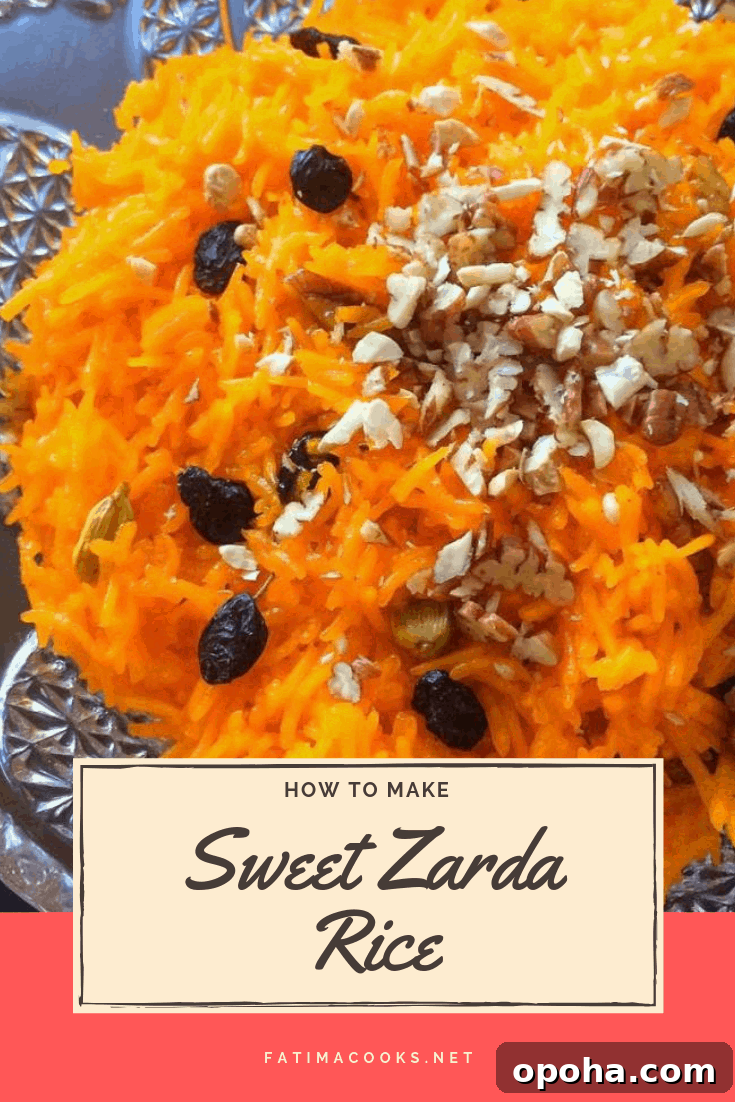
Zarda – Pakistani Sweet Rice
Ingredients
- 1 ½ cups (300 g) basmati or sella rice
- 5 green cardamom pods
- ¾ teaspoon yellow food colouring
- 1 handful chopped nuts
- 1 handful raisins or sultanas
- 1 ¼ cups (265 g) sugar
- 1 tablespoon (15 ml) ghee
Instructions
-
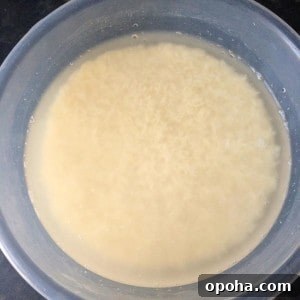
Wash and drain the rice until the water runs clear (about 4–5 rinses). Soak the rice for at least 30 minutes.

-
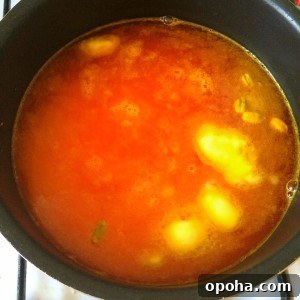
In a large pot combine drained rice, cardamom pods, the food colouring, 1 tbsp ghee and enough water to cover. Bring to a boil.
-
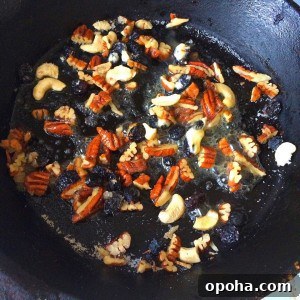
While the rice heats, in a separate pan melt 1 tbsp ghee with 1 tbsp sugar. Add chopped nuts and raisins and roast over medium heat, stirring often, until toasted. Keep warm until needed.
-
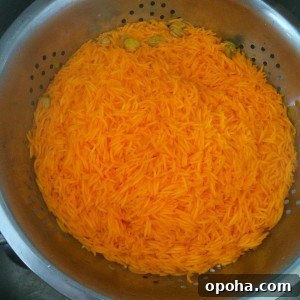
When the rice is fully cooked, drain it in a colander.
-
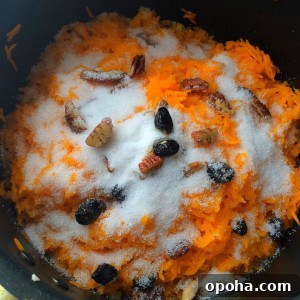
Return the empty cooking pot to the stove and layer the Zarda like a biryani: place one-third of the rice in the pot, then one-third of the sugar, then one-third of the nuts and raisins. Repeat until all components are used, finishing with a layer of nuts and raisins on top.
-
Cover the pot, reduce the heat to the lowest setting and steam the Zarda for 15–20 minutes. Uncover and gently fold the rice to mix in the sugar using a slotted spoon, taking care not to break the grains. Let rest 5–10 minutes before serving.
Notes
📩 Want me to email this recipe to you?
Enter your email and I’ll send it over. Plus you’ll receive occasional Pakistani food goodness, new recipe alerts and exclusive email-only recipes.
By submitting your details you consent to receive emails. You can opt out anytime.
Did you make this recipe?
I’d love to hear about it! Please leave a rating and comment on the blog, or share a photo on Instagram.