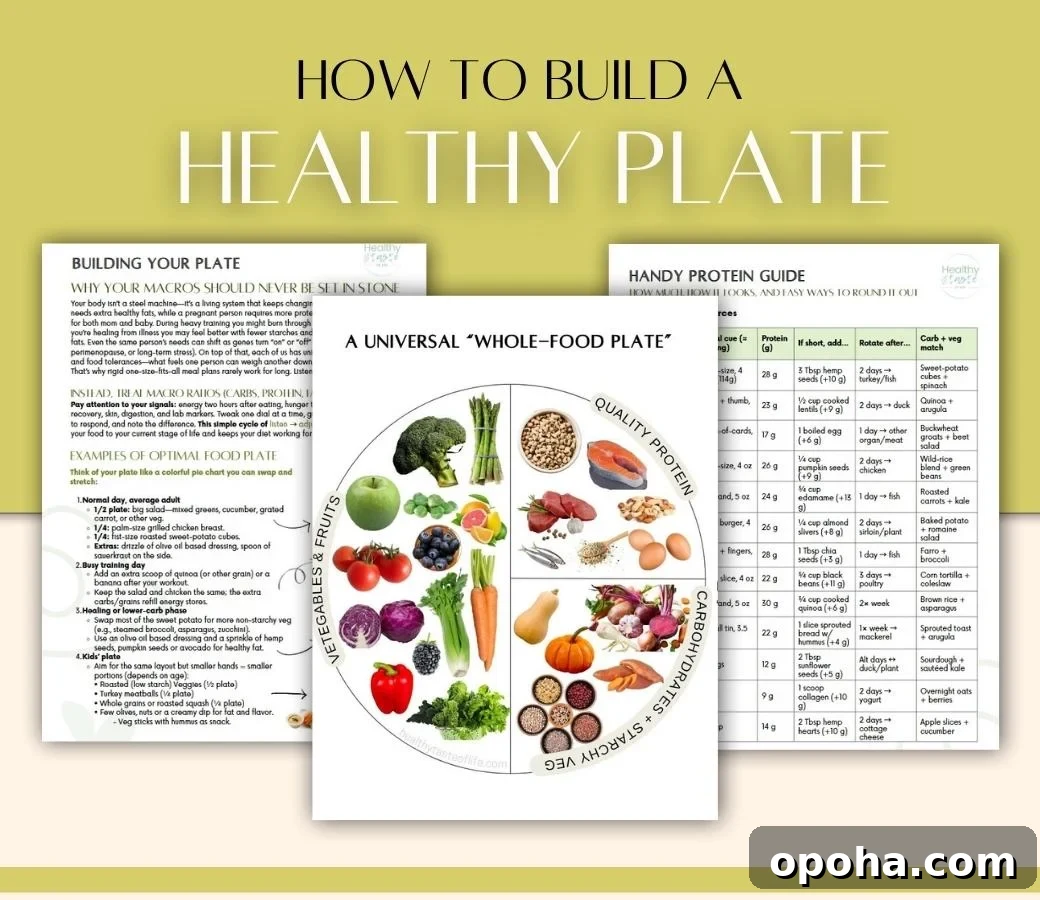
If you’ve ever stared at your plate wondering how to balance vegetables, protein, and carbohydrates without doing the math—or how to tweak portions for energy, training, or recovery—you’re in the right place. Here’s a simple method to build a healthy plate every time: no calorie counting, no stress. You’ll know what goes where and roughly how much.
This plate-building approach works because it converts complicated nutrition advice into a straightforward, visual habit you can use anywhere—no scale or app required. It’s designed to keep you full, support a healthy gut, stabilize blood sugar, provide steady energy, and improve nutrient absorption and satisfaction. It’s flexible and adaptable: increase protein for training or healing, add carbs on active days, or shift the balance to suit your preferences.
Why Most Plates Miss the Mark
As an Integrative Nutrition Health Coach, I often hear the same frustrations:
- “I finish lunch and I’m hungry again an hour later.”
- “Carbs make me tired, but cutting them out leaves me cranky.”
- “Healthy meals are bland and take too much time.”
These complaints usually stem from an unbalanced plate: too little protein or fiber, the wrong kind of carbohydrates, or missing healthy fats. People don’t need harder rules—they need a simple, repeatable visual method to build a healthy plate. Once you get the habit, those problems fade.
The solution is learning how to compose a balanced plate that keeps you satisfied and nourished without calorie math.
What a Healthy Eating Plate Looks Like
Imagine a standard dinner plate divided like this:
- ½ plate: colourful vegetables and/or fruit;
- ¼ plate: quality protein;
- ¼ plate: slow-burning carbohydrates;
- A thumb-size: healthy fat;
- Flavor and Fuel Extras: herbs, spices, condiments, and fermented foods.
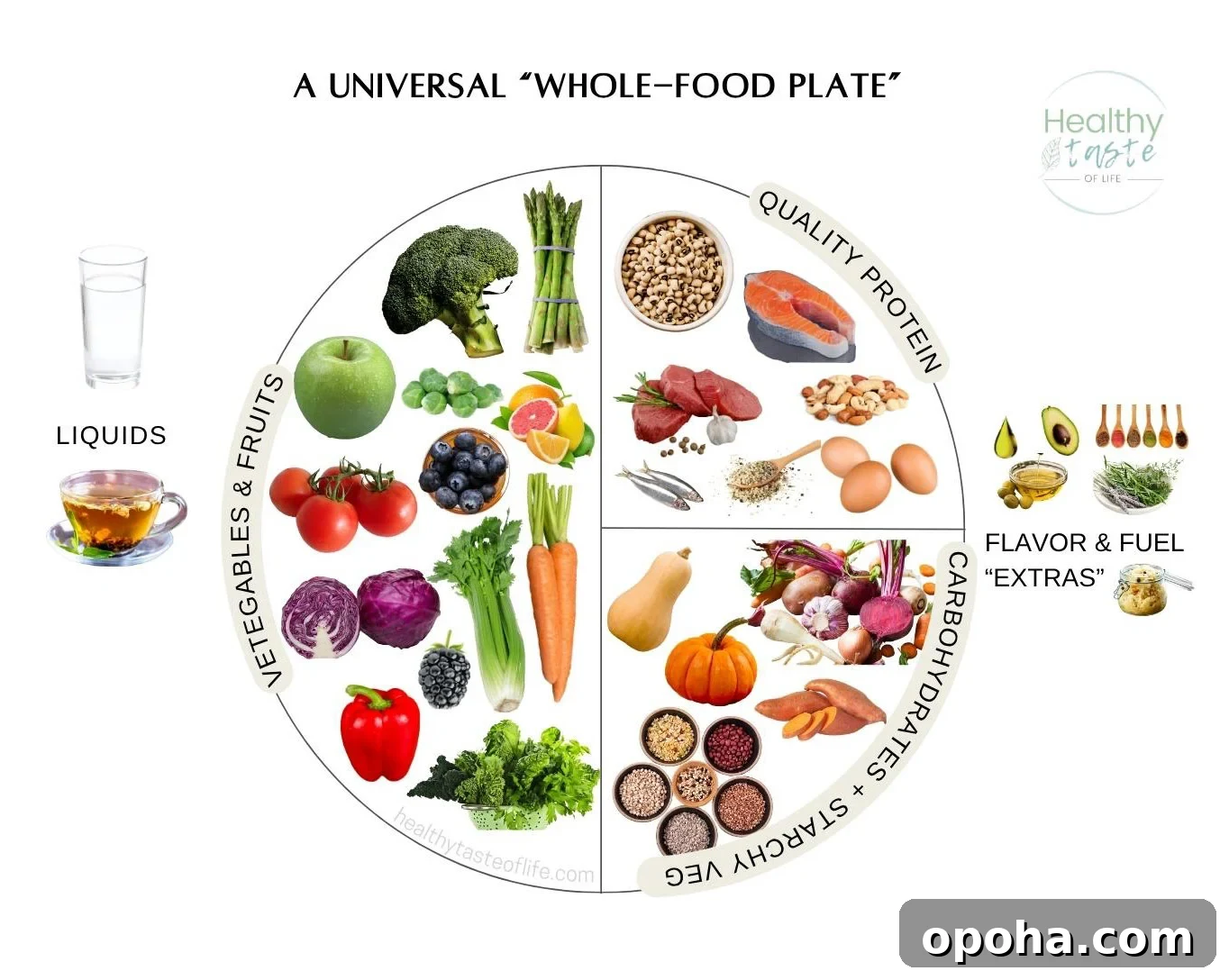
That simple ½-¼-¼ layout steadies blood sugar, feeds gut bacteria, and keeps you satisfied for hours—a practical route to a healthy balanced diet without restriction.
Why These Portions Work
- Carbs for quick fuel: choose whole grains, root vegetables, or other minimally processed options so energy releases gradually.
- Protein for repair and satiety: animal proteins provide highly absorbable amino acids; plant proteins add fiber. A mix offers both fast absorption and lasting fullness. Adjust toward more plant- or animal-based protein to suit your needs.
- Fat for lasting satisfaction: healthy fats support hormones, joint function, and meal enjoyment.
- Vegetable variety for your microbiome: different colours feed diverse beneficial gut microbes, helping to reduce cravings and support mood.
Fine-Tuning Your Macros (Clues to Watch)
Think of carbs, protein, and fat as three volume knobs you can tweak:
- Energy crash 1–2 hours after eating? Reduce quick carbs (white bread, pasta, white rice, ripe bananas) and increase protein or fat.
- Hungry again in 90 minutes? Your portion may be too small—add more protein (animal or plant based).
- Feeling bloated or heavy? Cut carbs by about a third, chew slower, and add leafy greens.
- Training heavily, pregnant, or healing? Increase protein—your body needs extra building blocks for repair.
Adjust only one “knob” at a time, wait about a week, and track energy, digestion, and sleep to see how the change feels.
Step-by-Step Template for Building a Satisfying Meal
| Step | What to do | Reason |
|---|---|---|
| 1. Fill half the plate | Choose two different coloured vegetables—raw, roasted, or steamed | Fibre and vitamins help you stay full longer |
| 2. Add a palm of protein | Examples: meat, fish, eggs, beans, tempeh, tofu | Repairs tissue and reduces hunger hormones |
| 3. Add a fist of smart carbs | Quinoa, brown rice, whole grains, or root vegetables | Slow-release energy without a crash |
| 4. Add a thumb of fat | Olive oil, avocado, seeds, or nuts (or use oil for roasting or dressings) | Improves nutrient absorption and keeps the meal tasty |
| 5. Use flavor and fuel extras | Fresh herbs, spices, lemon juice, and fermented vegetables | Big flavor for few calories and gut-friendly probiotics |
Use your hand for portions—it’s portable and scaled to you. Rainbow rotation: vary colours to maximize nutrients.
Half a plate of vegetables is excellent, but rotating colours each week is what makes meals both nutritious and interesting.
- Six colour groups: red, orange/yellow, green, blue/purple, white/tan, brown/black.
- Goal: include each colour at least twice a week to capture different antioxidants that support vision, heart, brain, and immunity.
- Simple hack: write the colours on a sticky note and check them off as the week proceeds—grocery gaps become obvious.
- Swap ideas: red pepper instead of green, purple cabbage instead of lettuce, golden beets instead of potatoes, black beans instead of chickpeas.
Colour variety feeds more strains of beneficial gut bacteria, which can calm cravings, lift mood, and strengthen immunity—no extra supplements required.
Real-Life Plate Examples
| Situation | Half-Plate Veg | Quarter Protein | Quarter Smart Carb | Fat + Extras |
|---|---|---|---|---|
| Quick Work Lunch | Bagged mixed greens + cherry tomatoes | Palm of salmon | Fist of cooked whole grain | Olive-oil vinaigrette + 2 Tbsp fermented veggies |
| Plant-Forward Dinner | Rainbow stir-fry vegetables | Tempeh strips | Roasted root vegetable cubes | Sesame-tahini drizzle + 2 Tbsp sauerkraut |
| Family Taco Night | Lettuce cups + sautéed pepper and onion | Seasoned turkey mince | Brown rice tortillas | Avocado slices + fermented salsa |
| Breakfast Scramble Bowl | Sautéed kale or spinach + bell pepper + mixed berries | 2 whole eggs | ½ cup roasted sweet potato cubes | 1 tsp ghee for cooking + 2 Tbsp fermented veg |
Use these templates as a starting point—swap proteins, carbs, or vegetables while keeping the ½-¼-¼ + fat + extras structure, and you’ll consistently get balanced energy and great flavour.
Protein Recipe Ideas

Ground Turkey, Beef and Cabbage Patties

Light Beef Meatballs + Mango Sauce
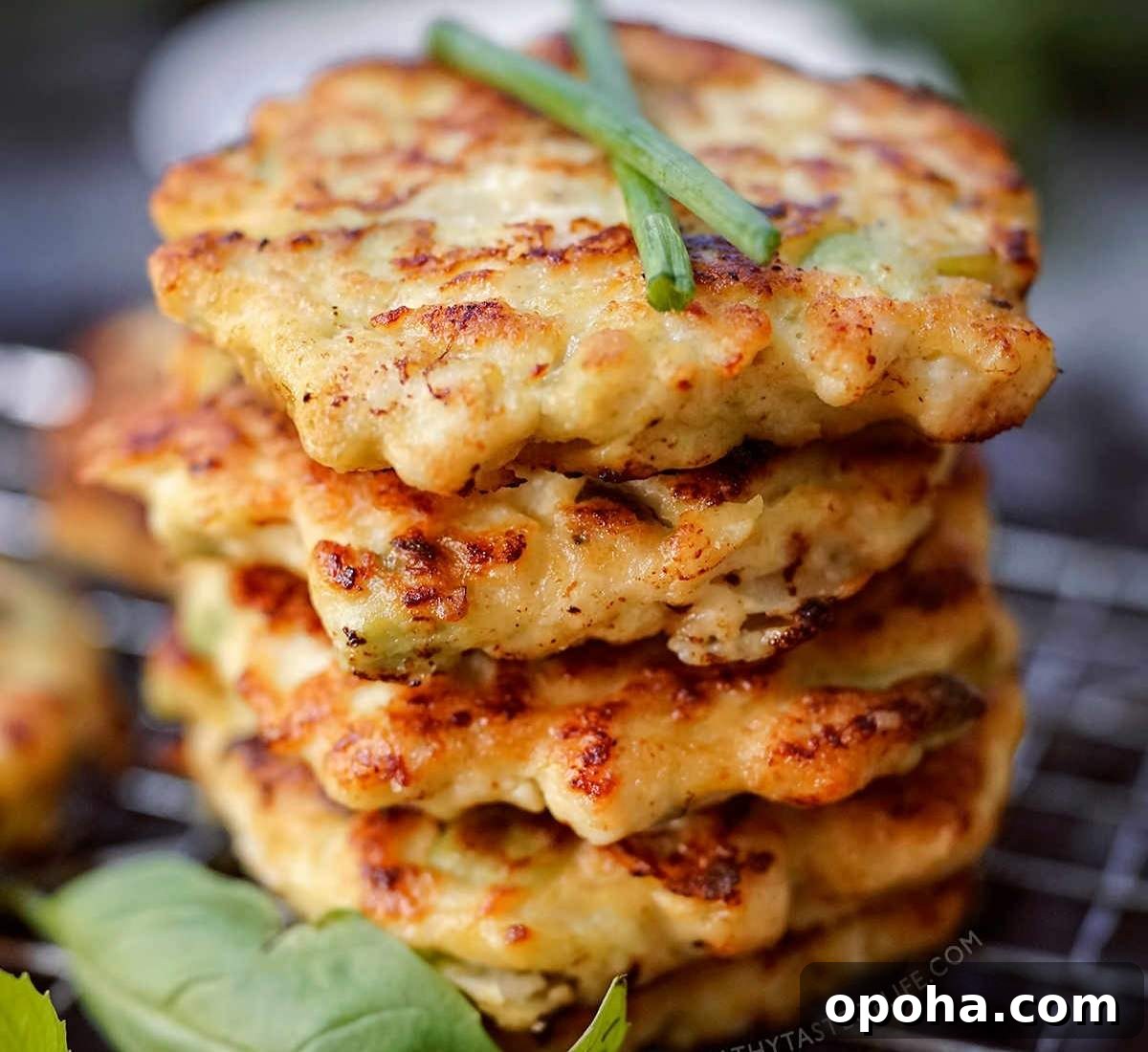
Honey Mustard Chicken Fritters with Avocado
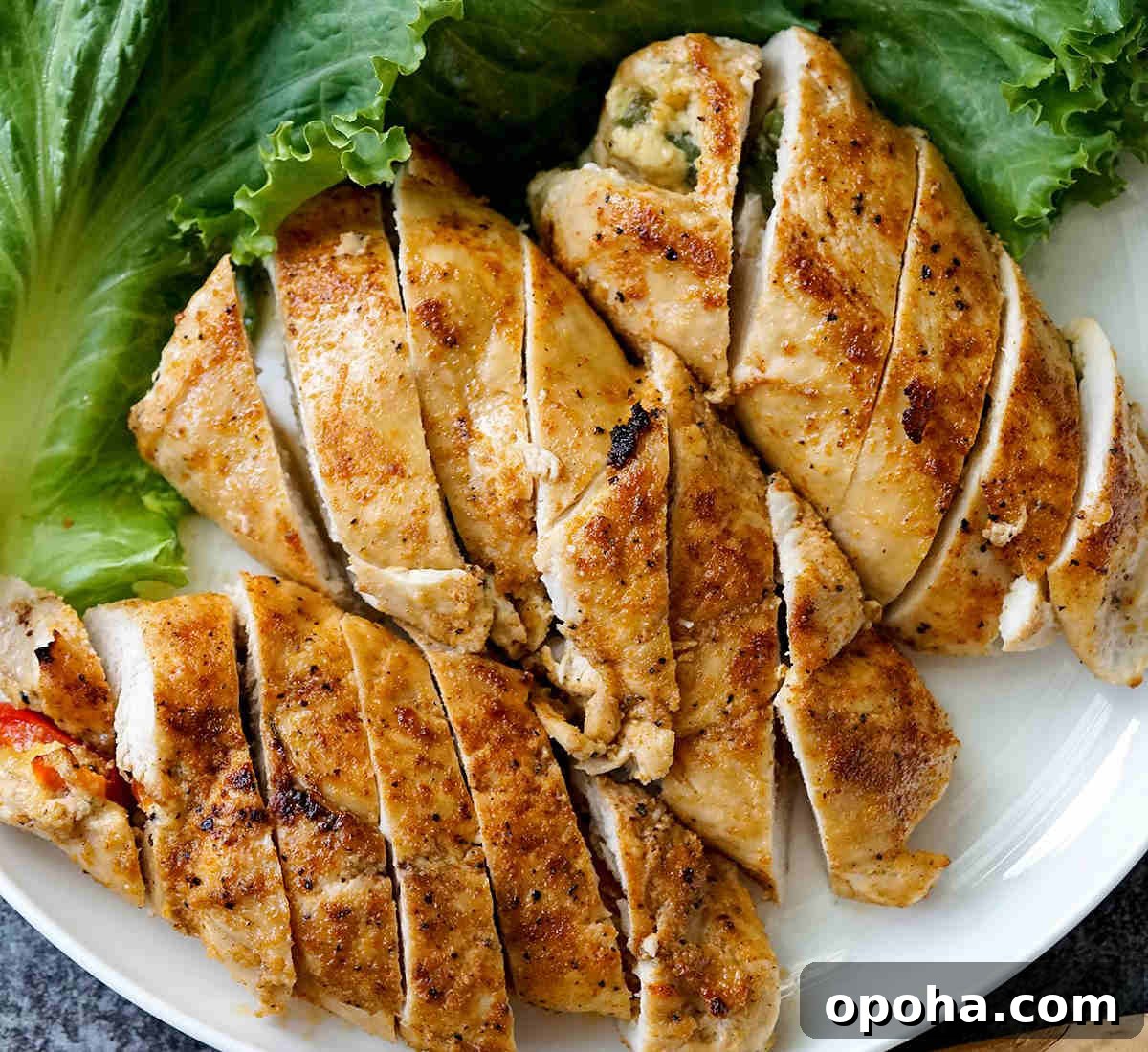
Healthy Stuffed Chicken Roll Ups
Vegetable Recipe Ideas
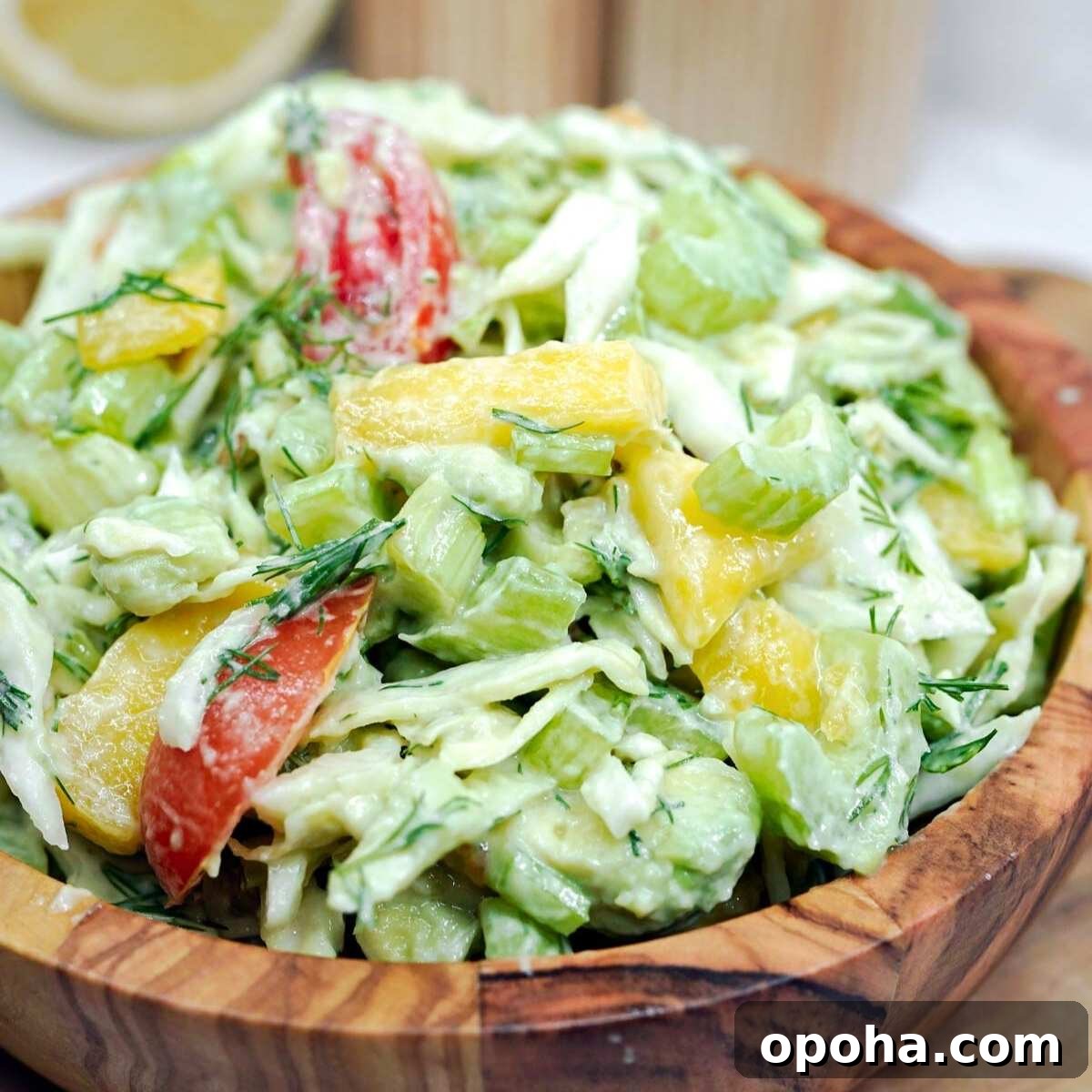
Fibre-Rich Salad Recipe For Digestive Health
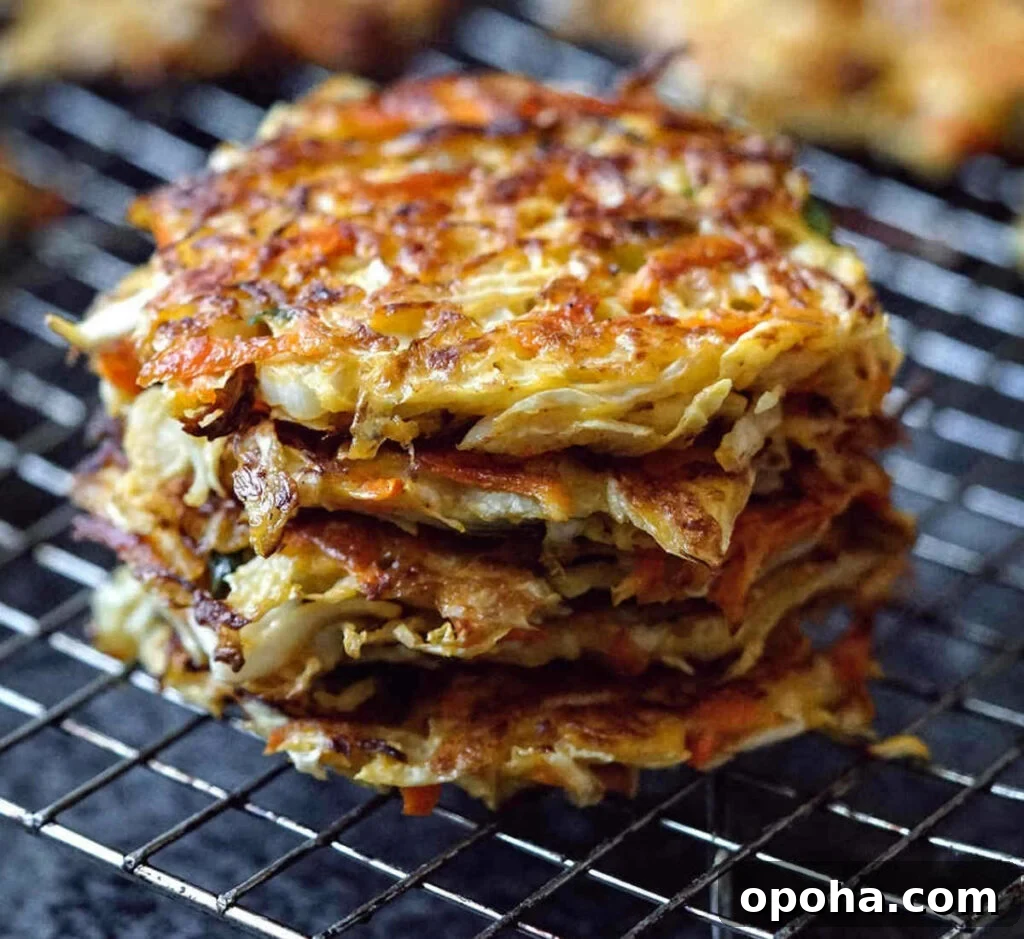
Cabbage Fritters — Fried or Baked
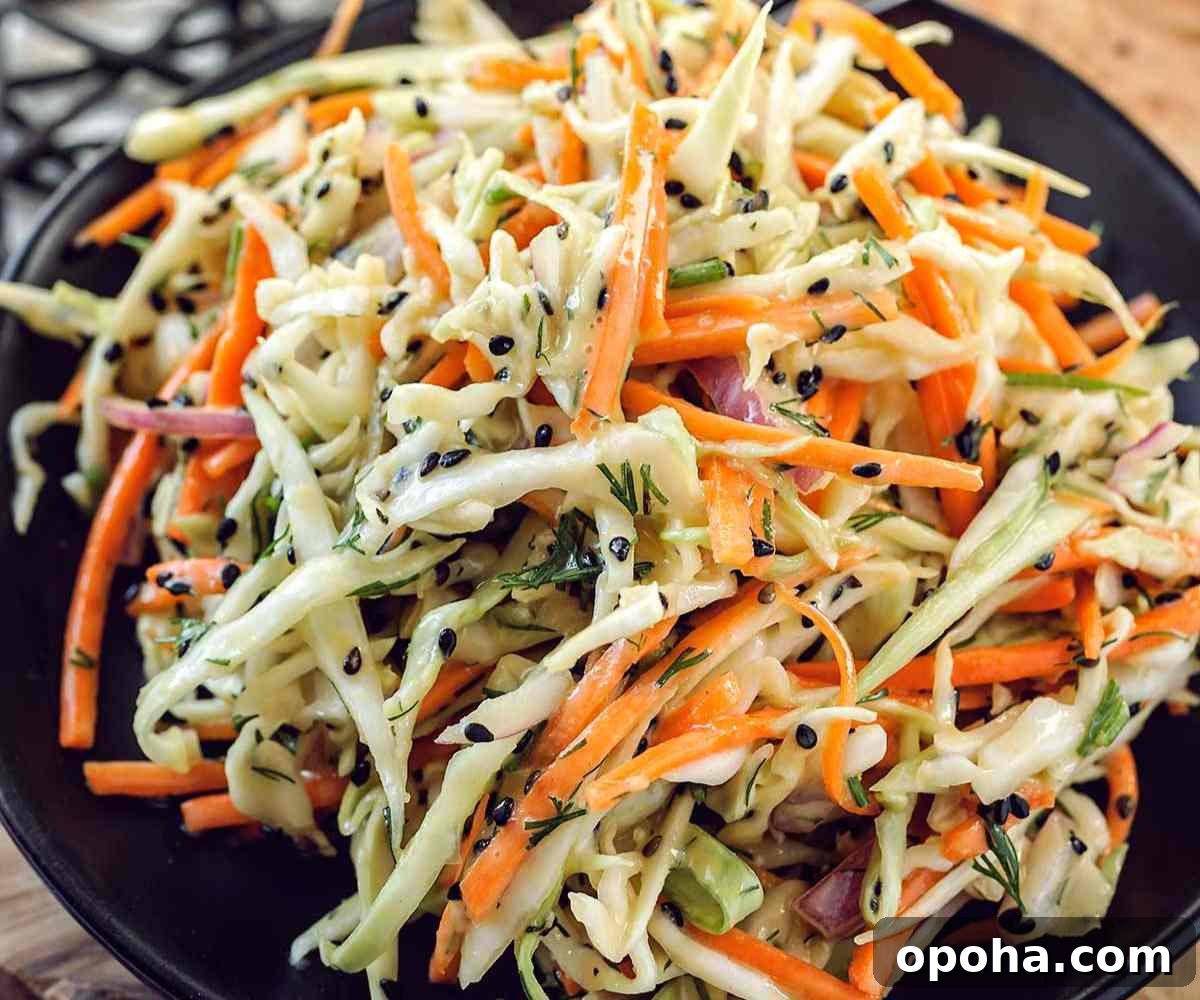
Simple Cabbage and Carrot Salad
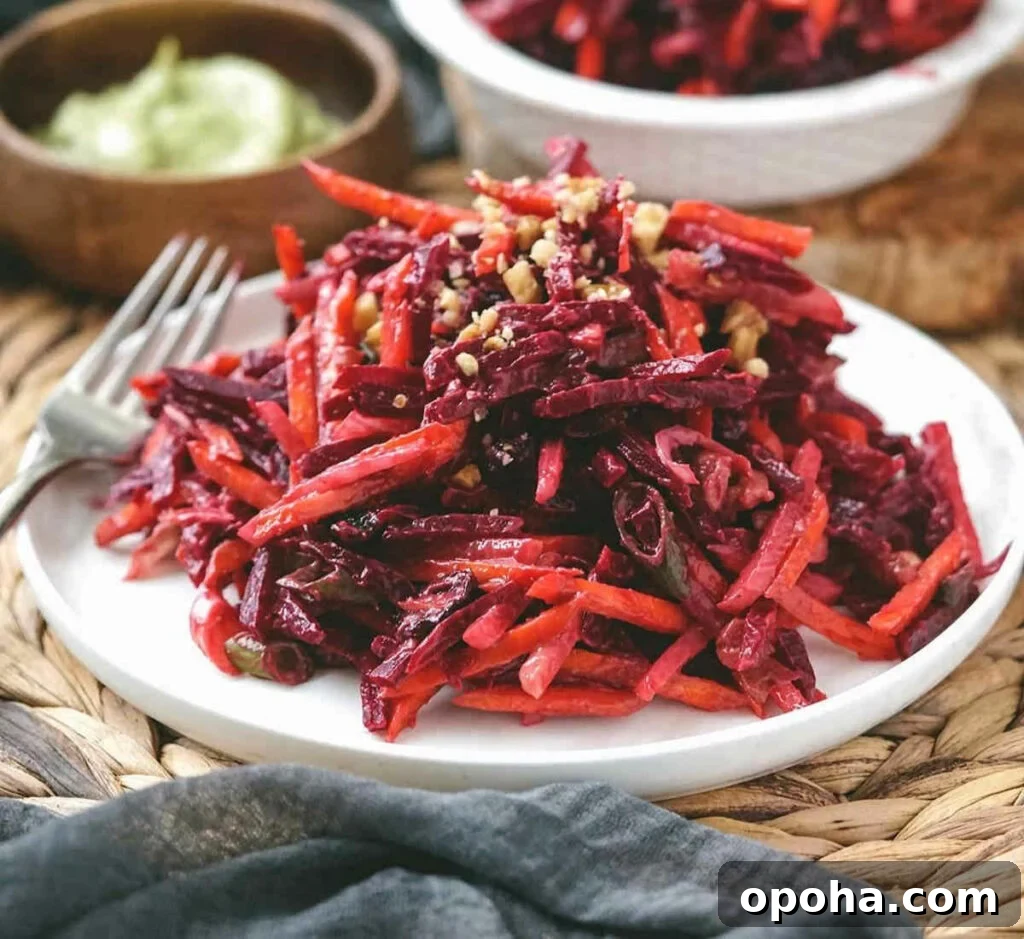
Beetroot and Carrot Salad with Creamy Dressing
Smart Carb Ideas
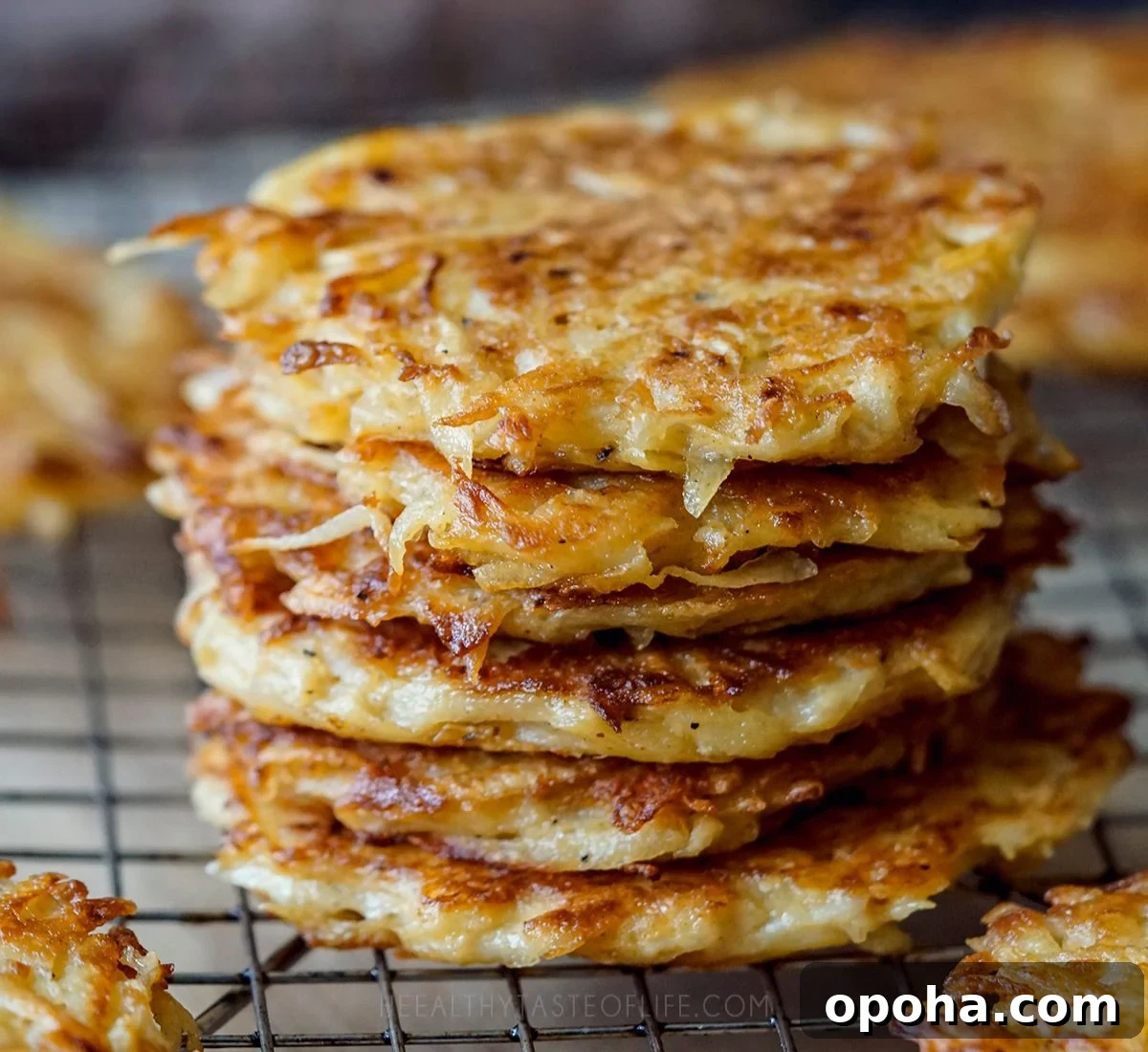
Grated Potato Fritters (GF option)
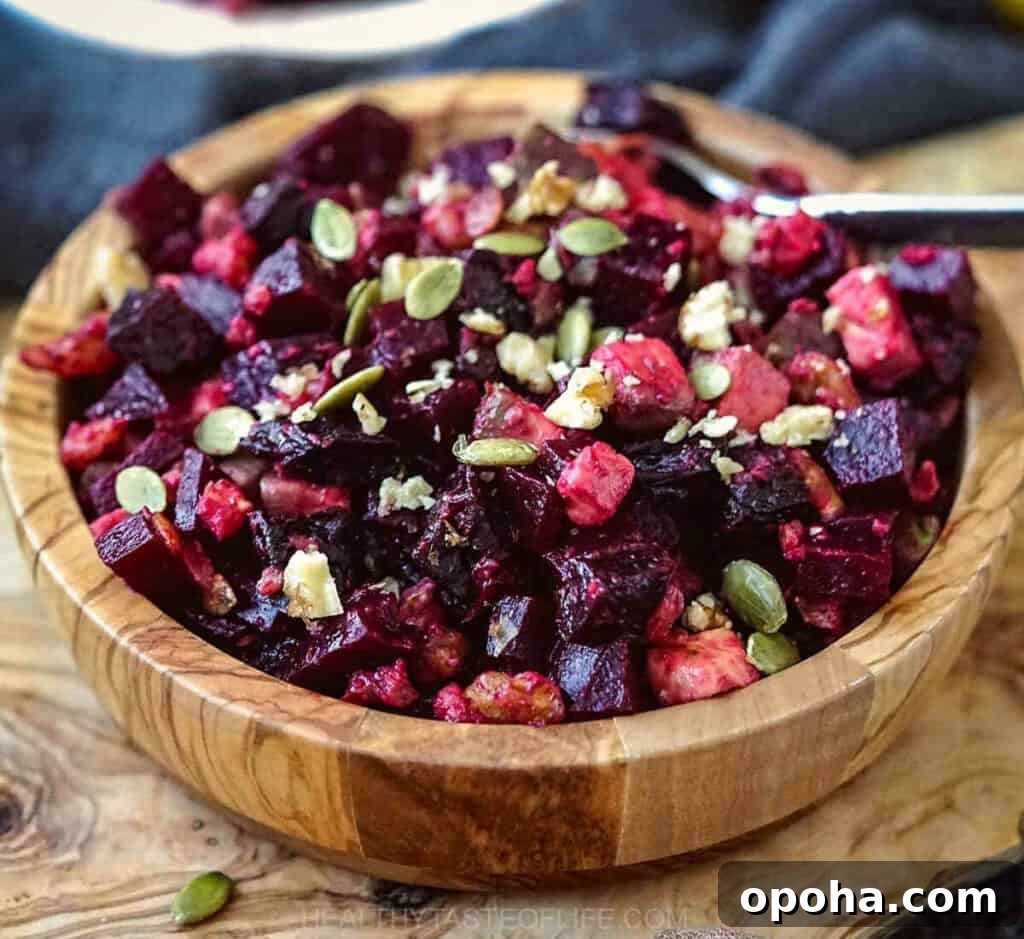
Beetroot Salad with Walnuts, Prunes & Avocado
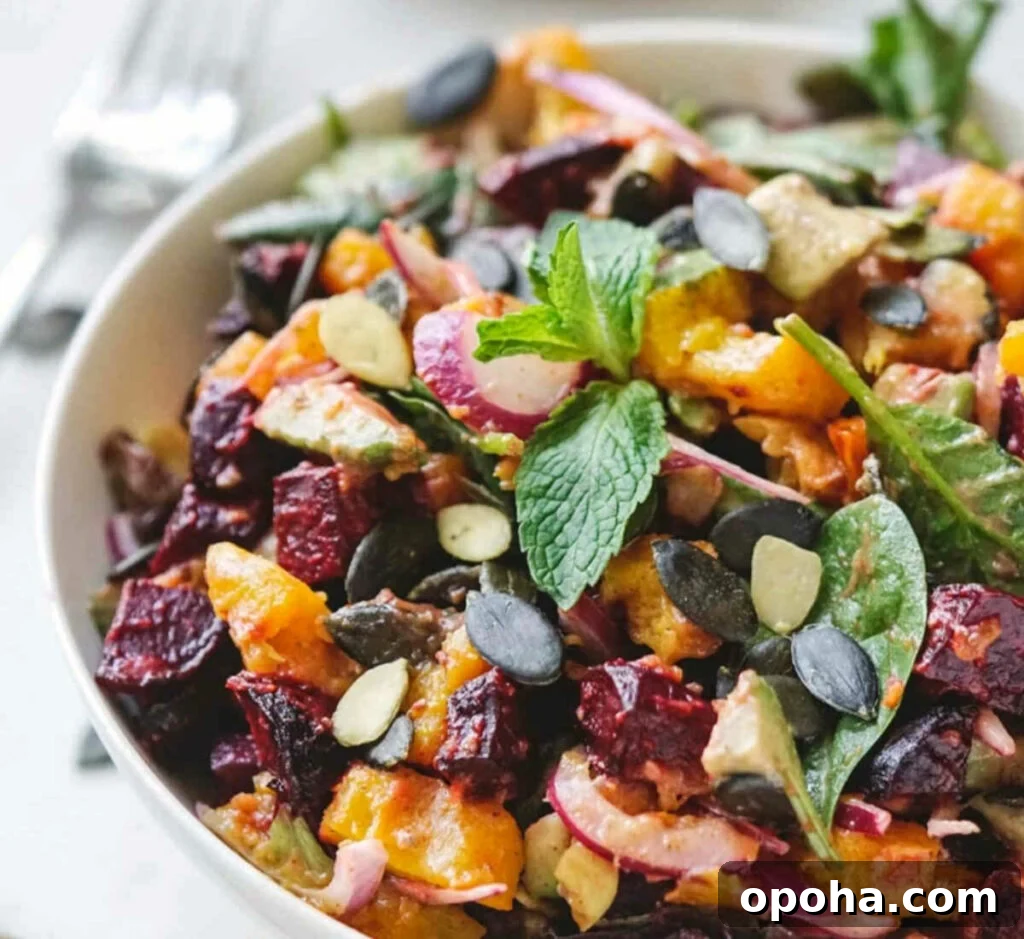
Roasted Pumpkin & Beetroot Salad
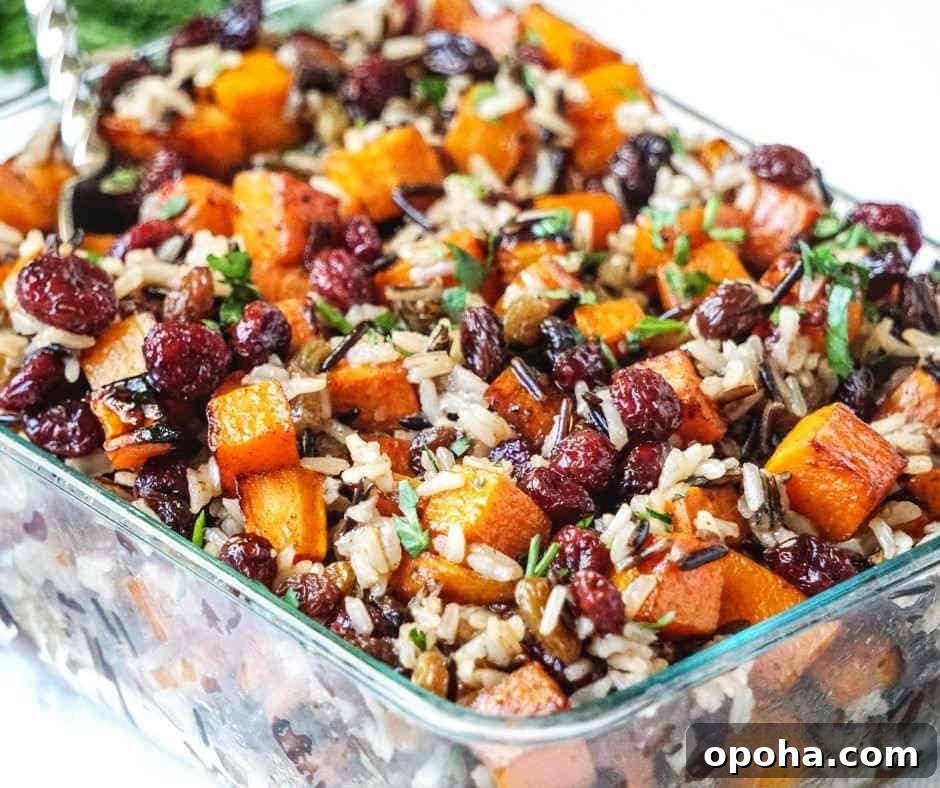
Butternut Squash & Sweet Potato Casserole
All-in-One Recipes
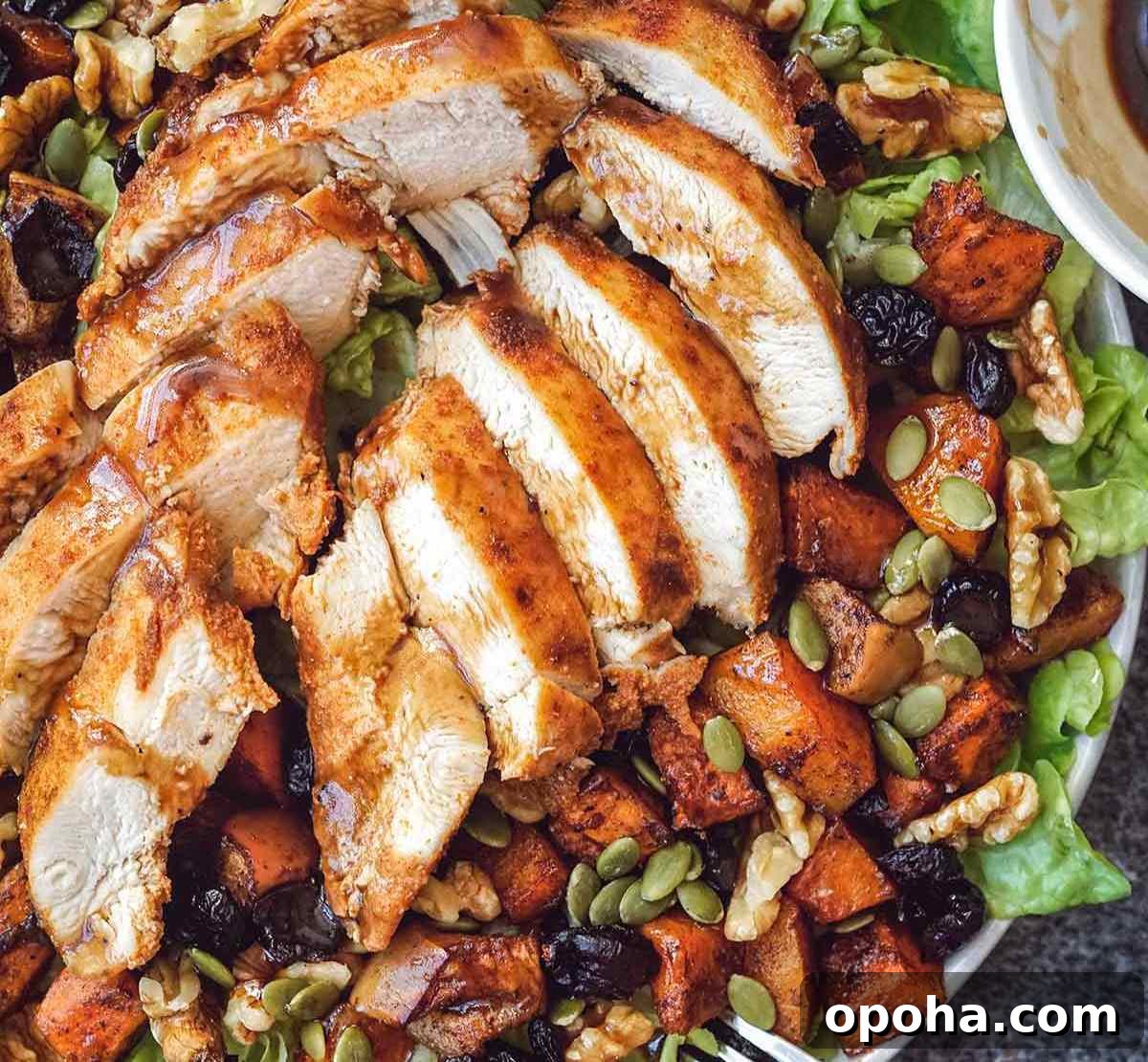
Fall Harvest Chicken Salad
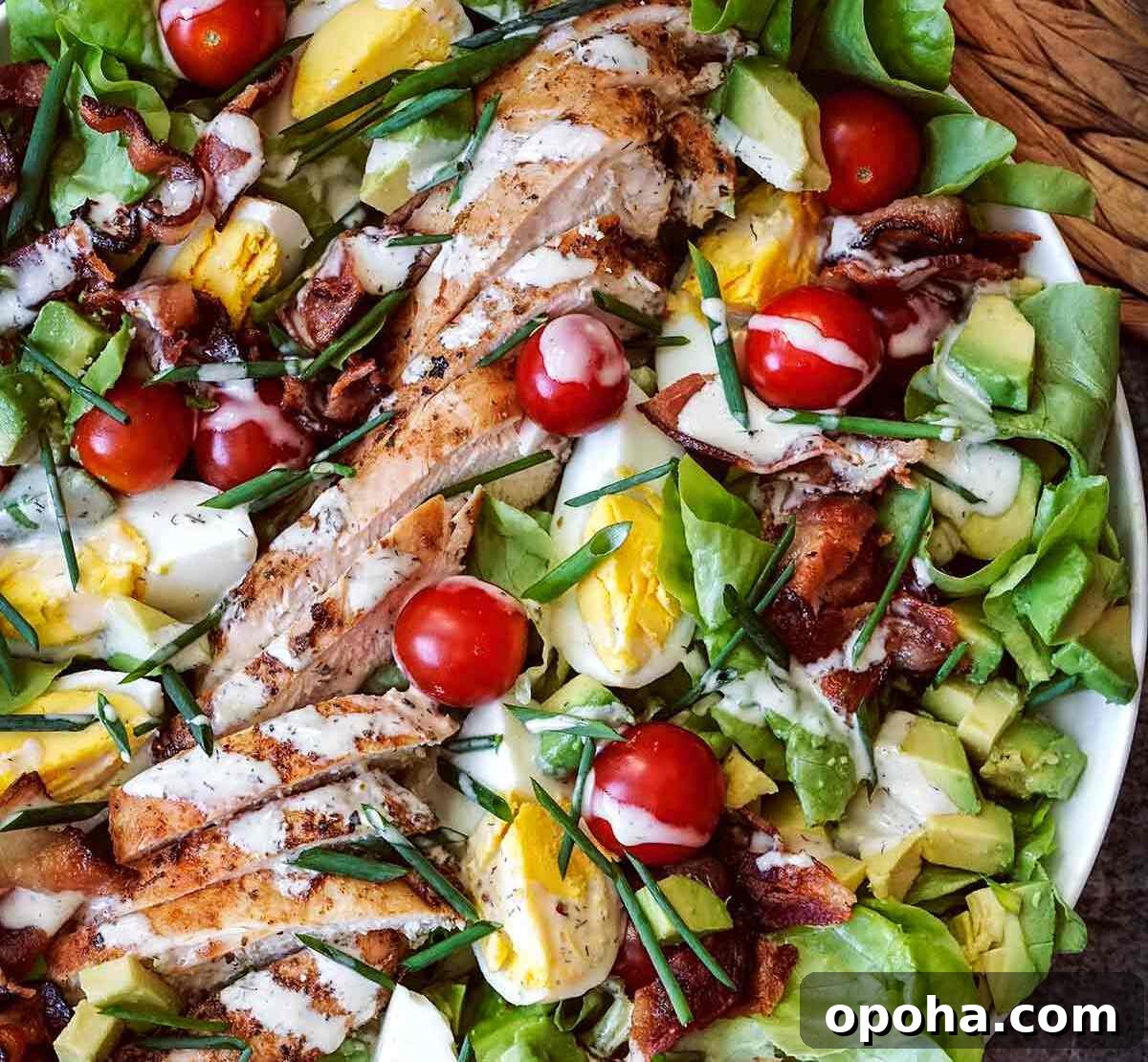
Cobb Salad with Creamy Zesty Dressing
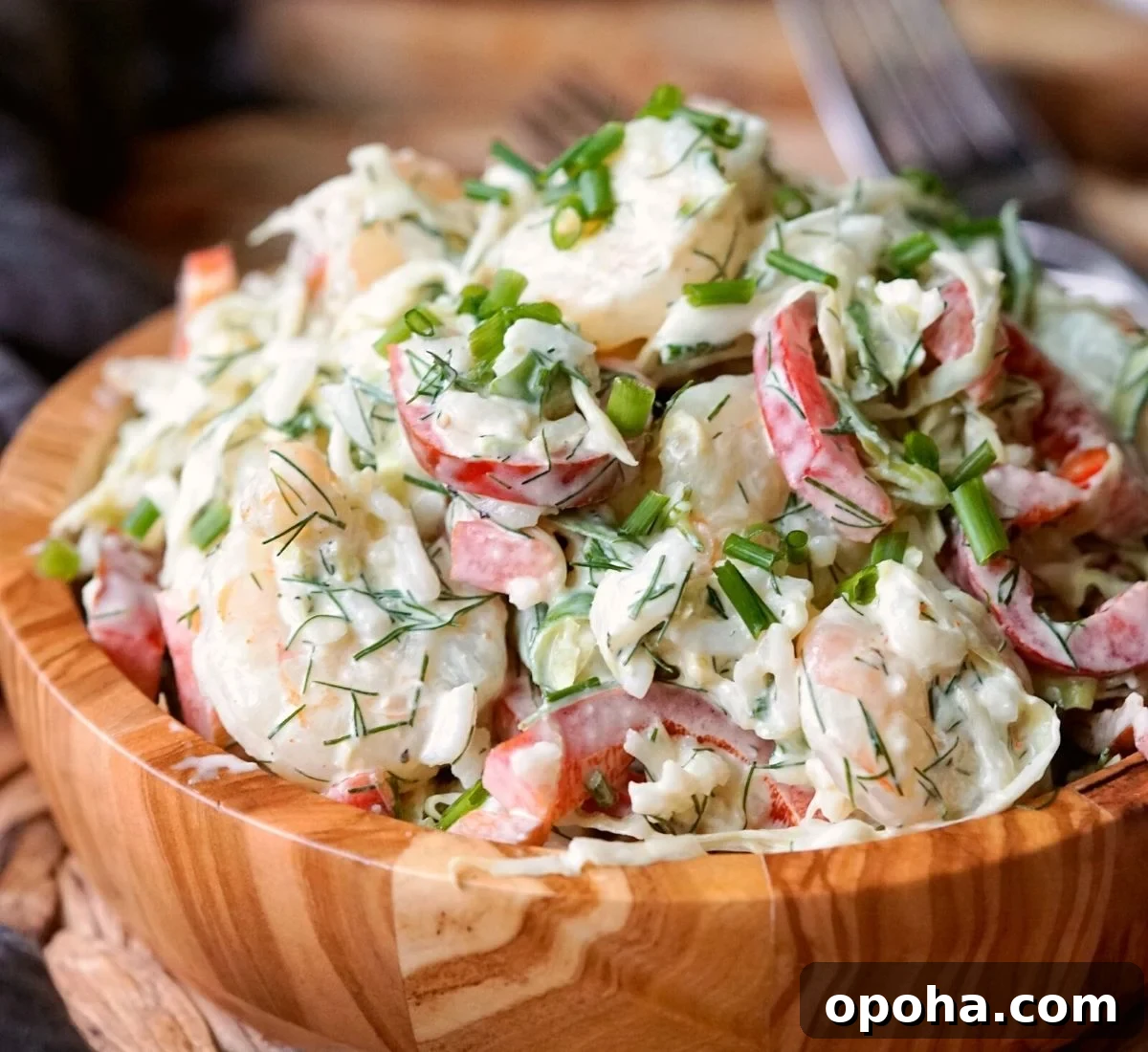
Shrimp Cabbage Salad
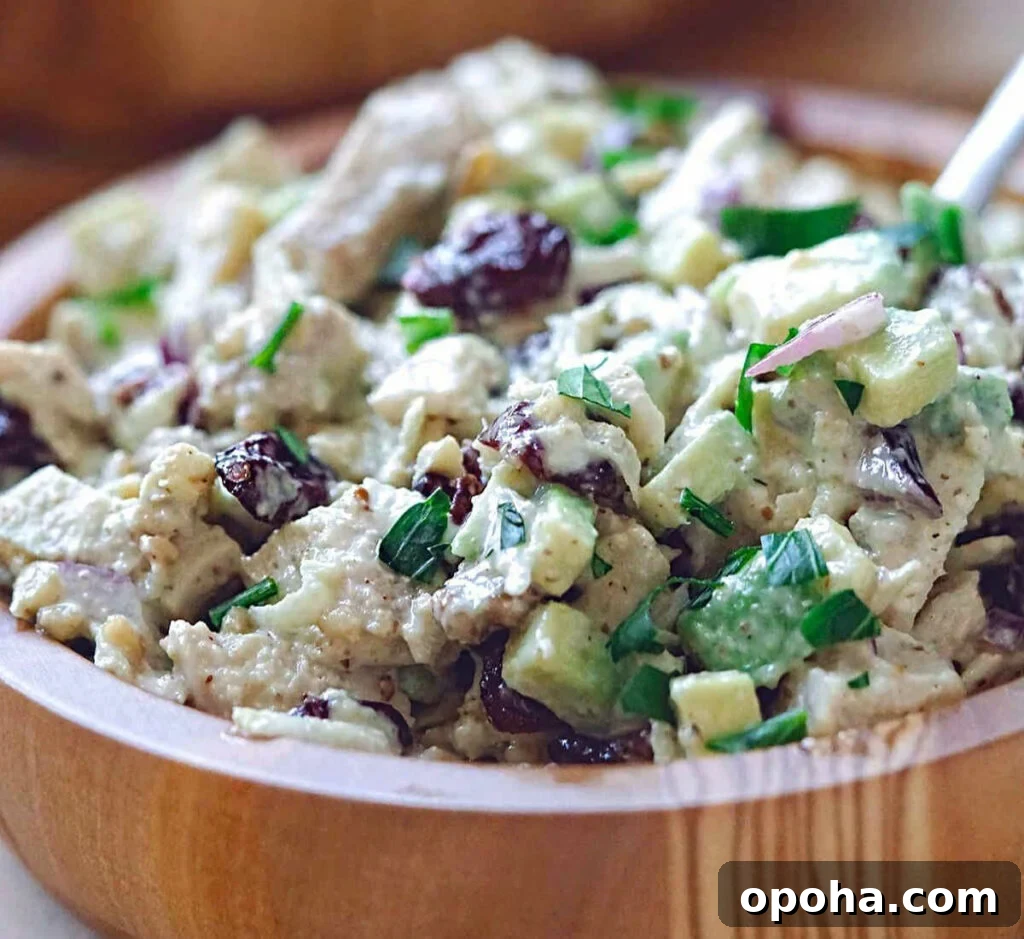
Chicken Salad with Cranberries, Walnuts & Avocado
Fermented Food Ideas
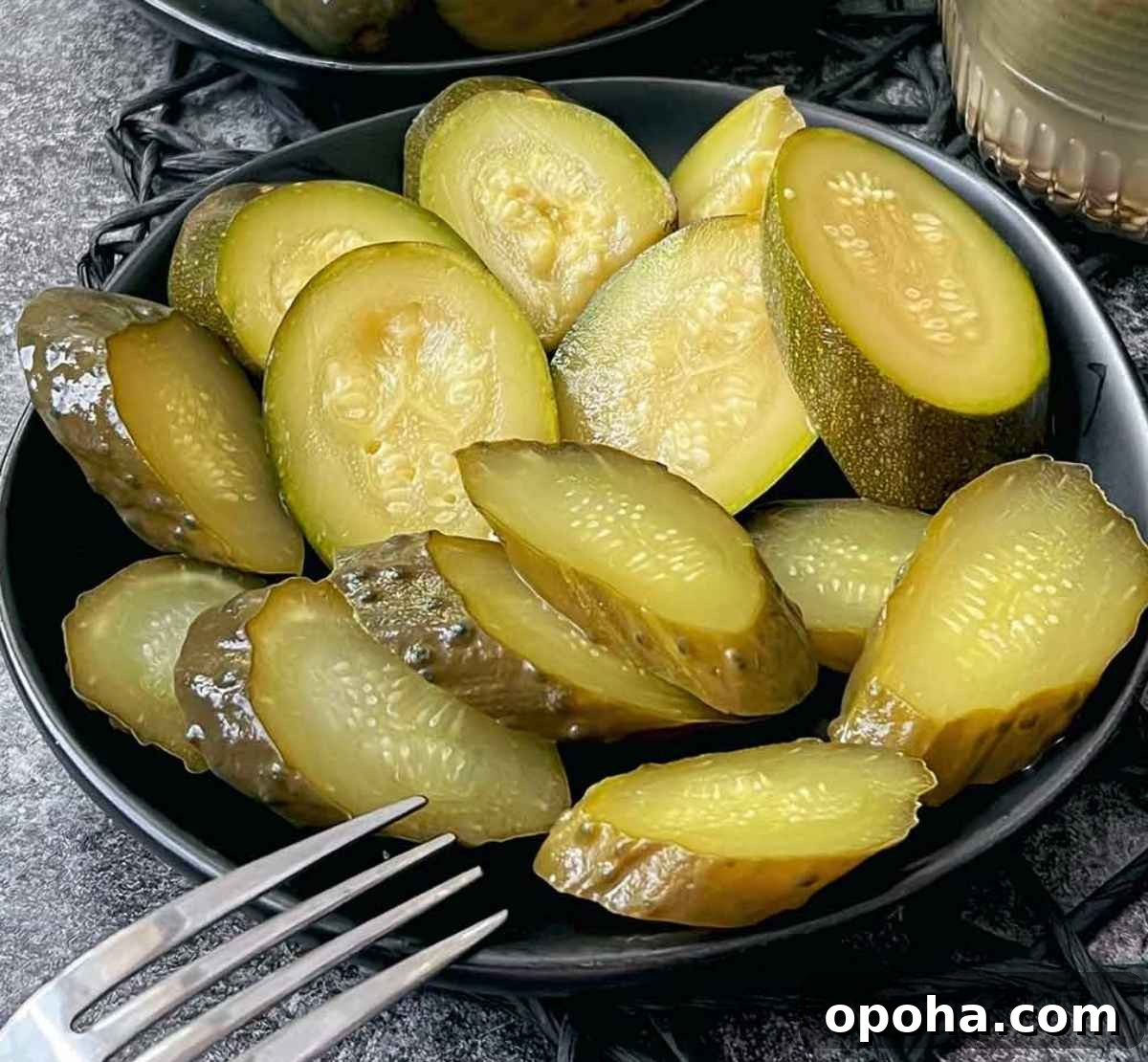
Fermented Zucchini and Cucumbers

Lacto-Fermented Cauliflower
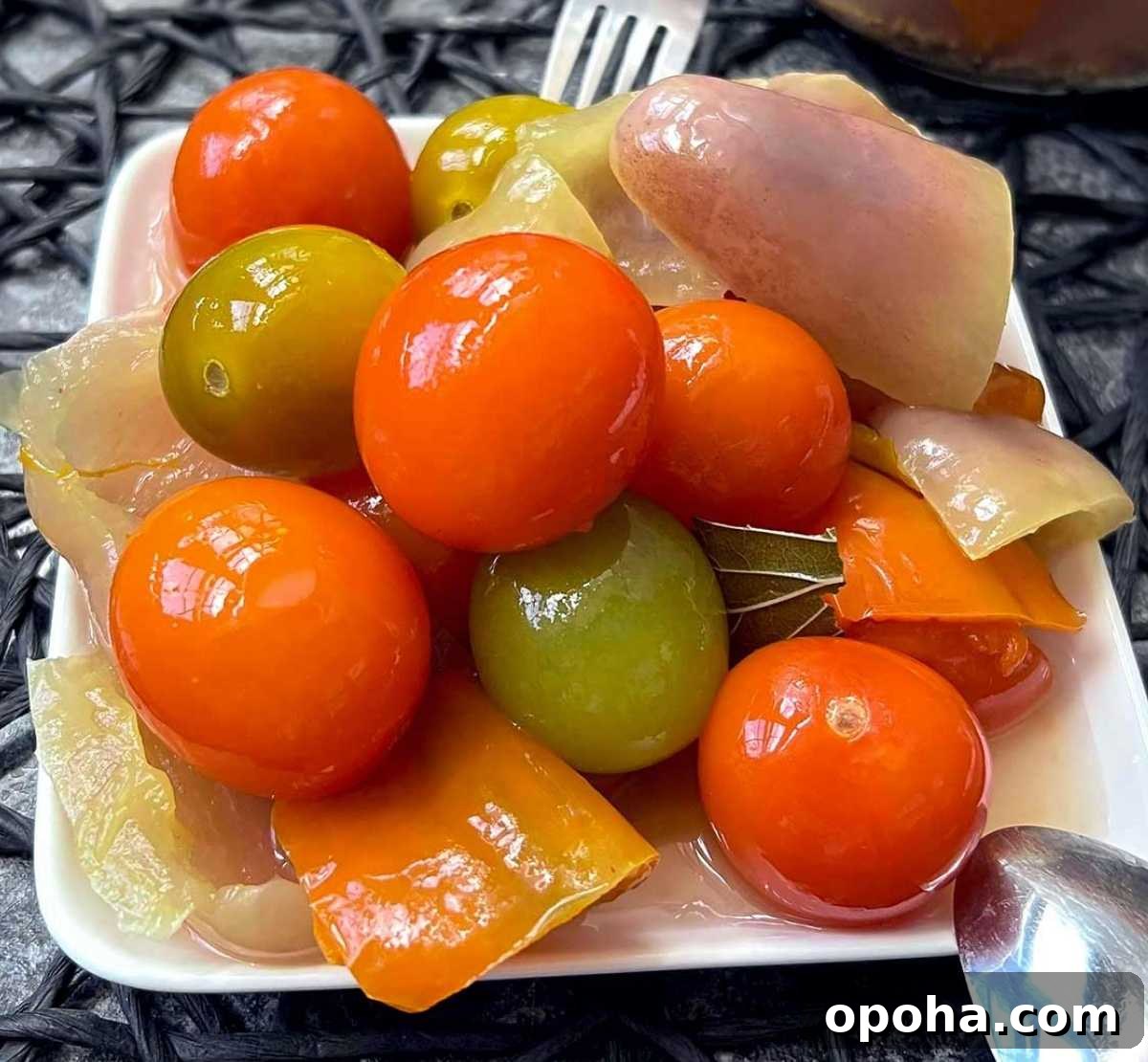
Fermented Peppers and Tomatoes
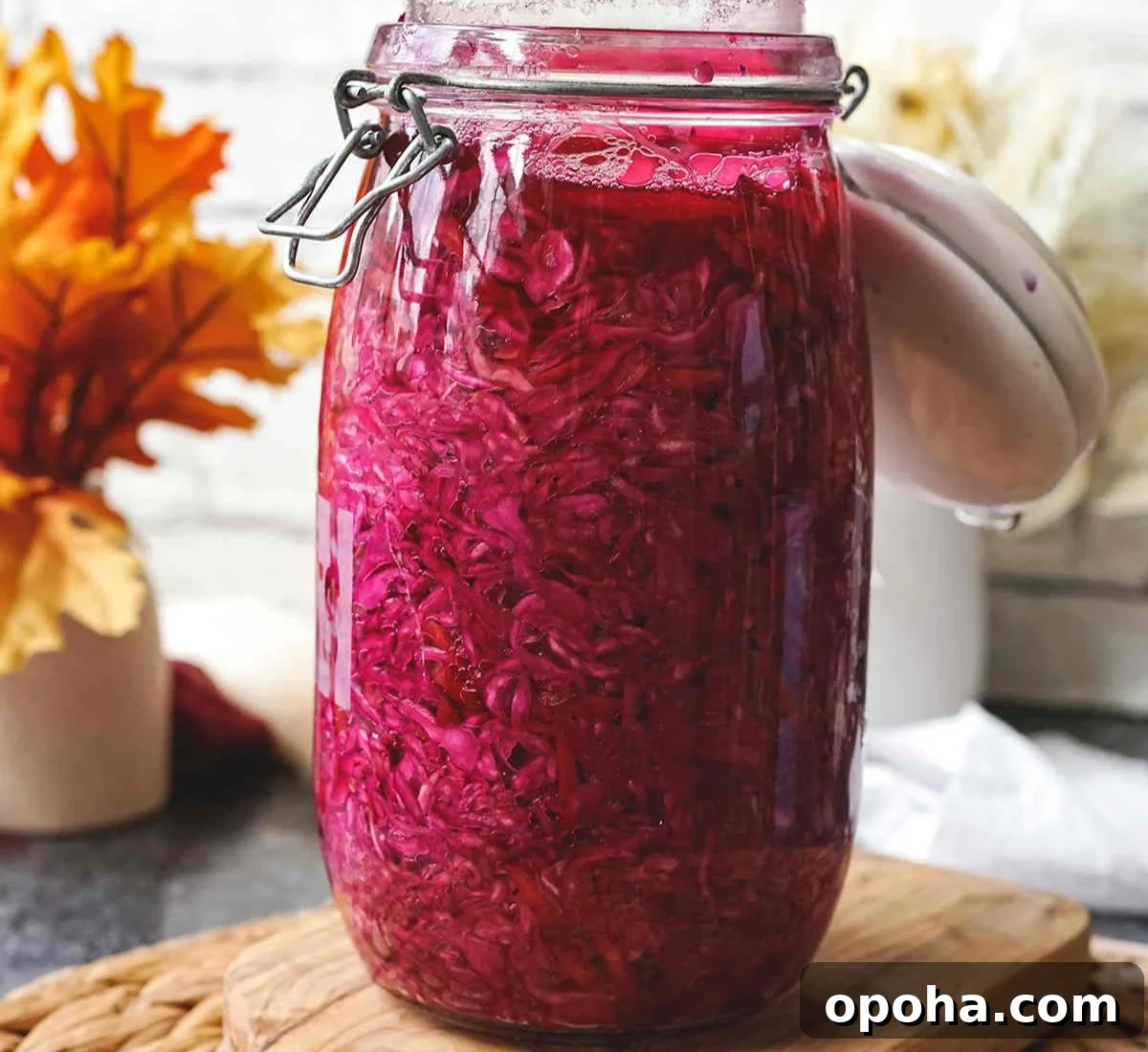
Fermented Red Cabbage (Sauerkraut)
Sauces and Dressing Ideas (as Flavor Extras)
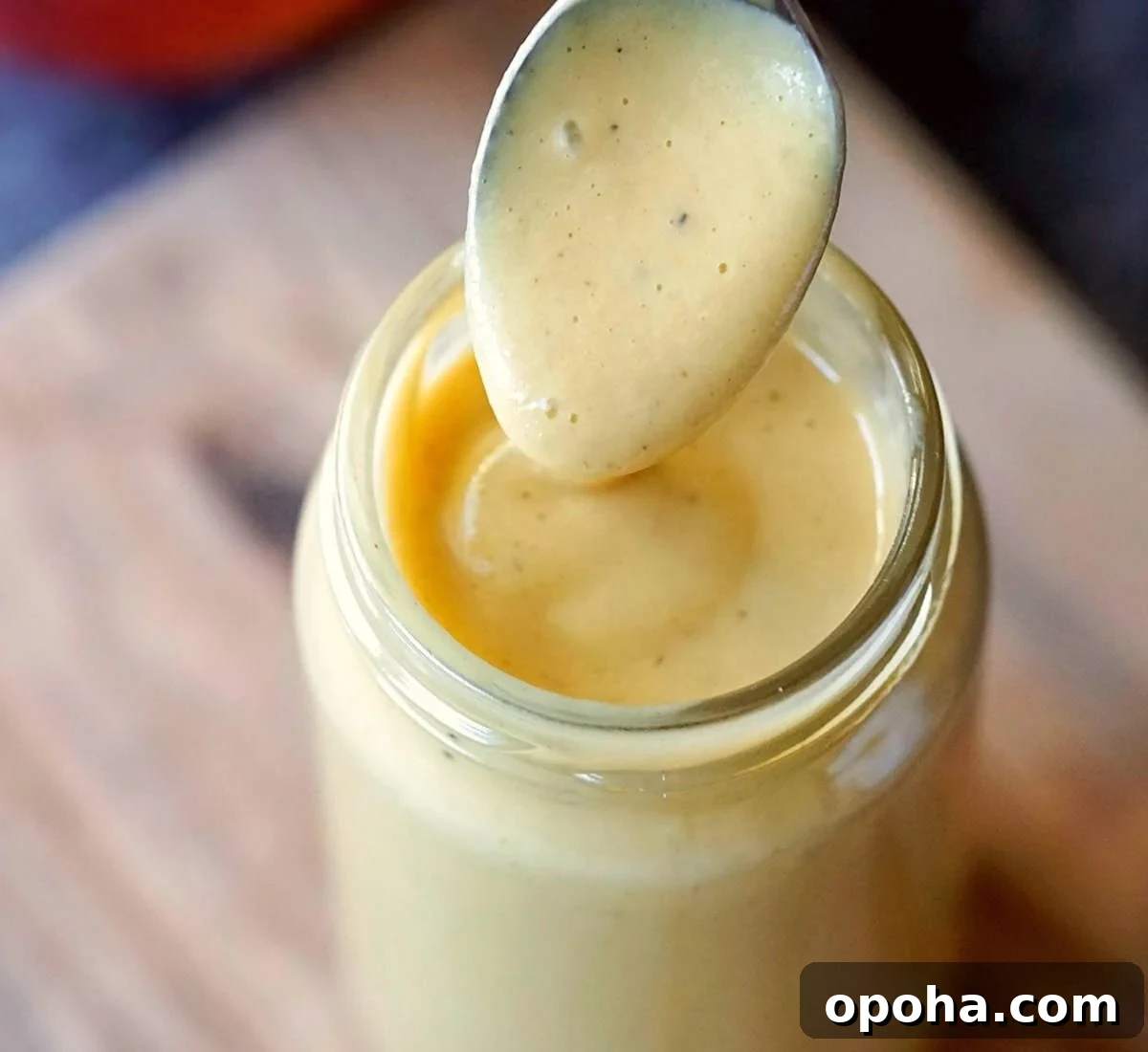
Peach Vinaigrette — Creamy Peach Dressing
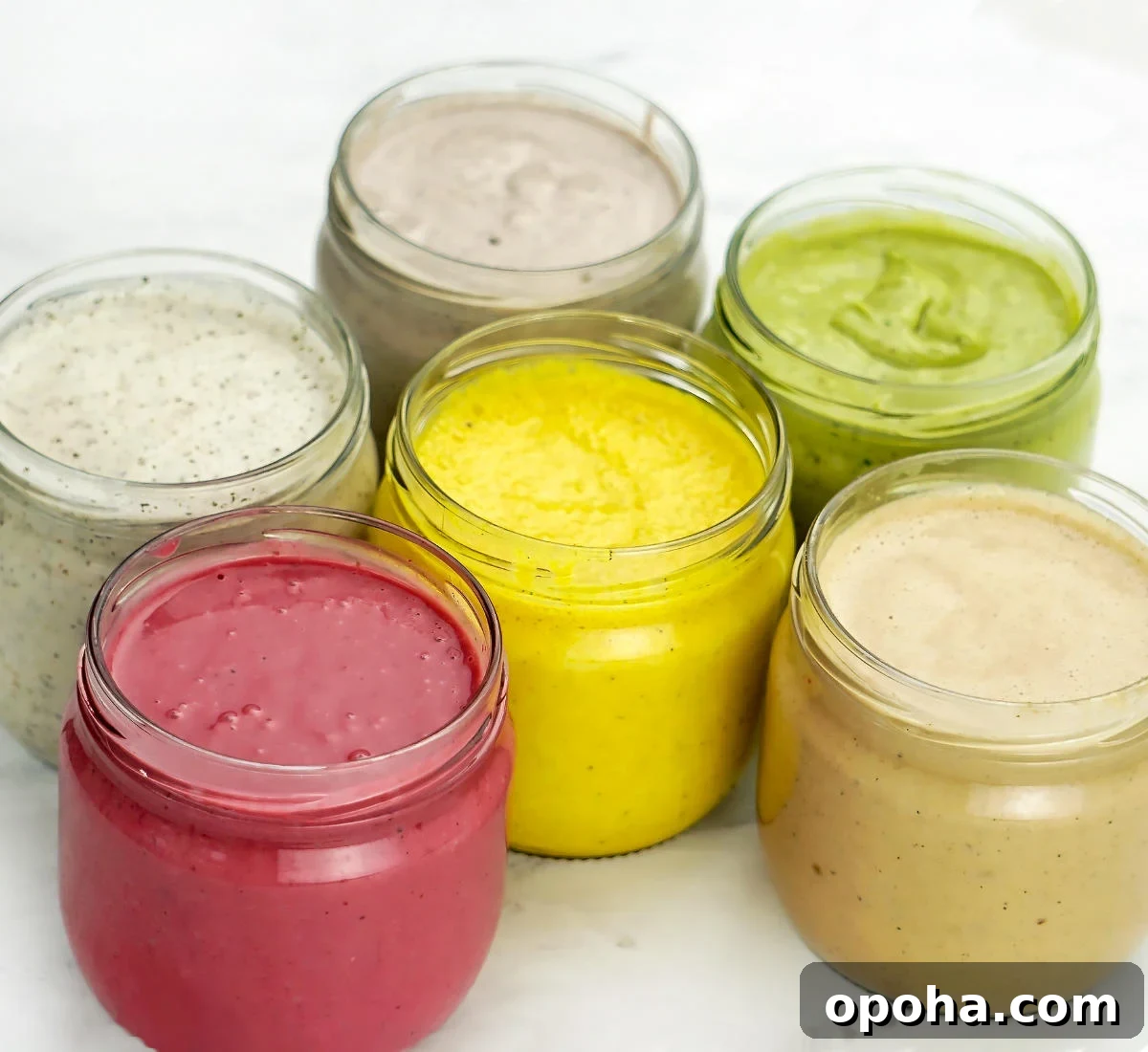
7 Creamy Gluten-Free, Dairy-Free Dressings
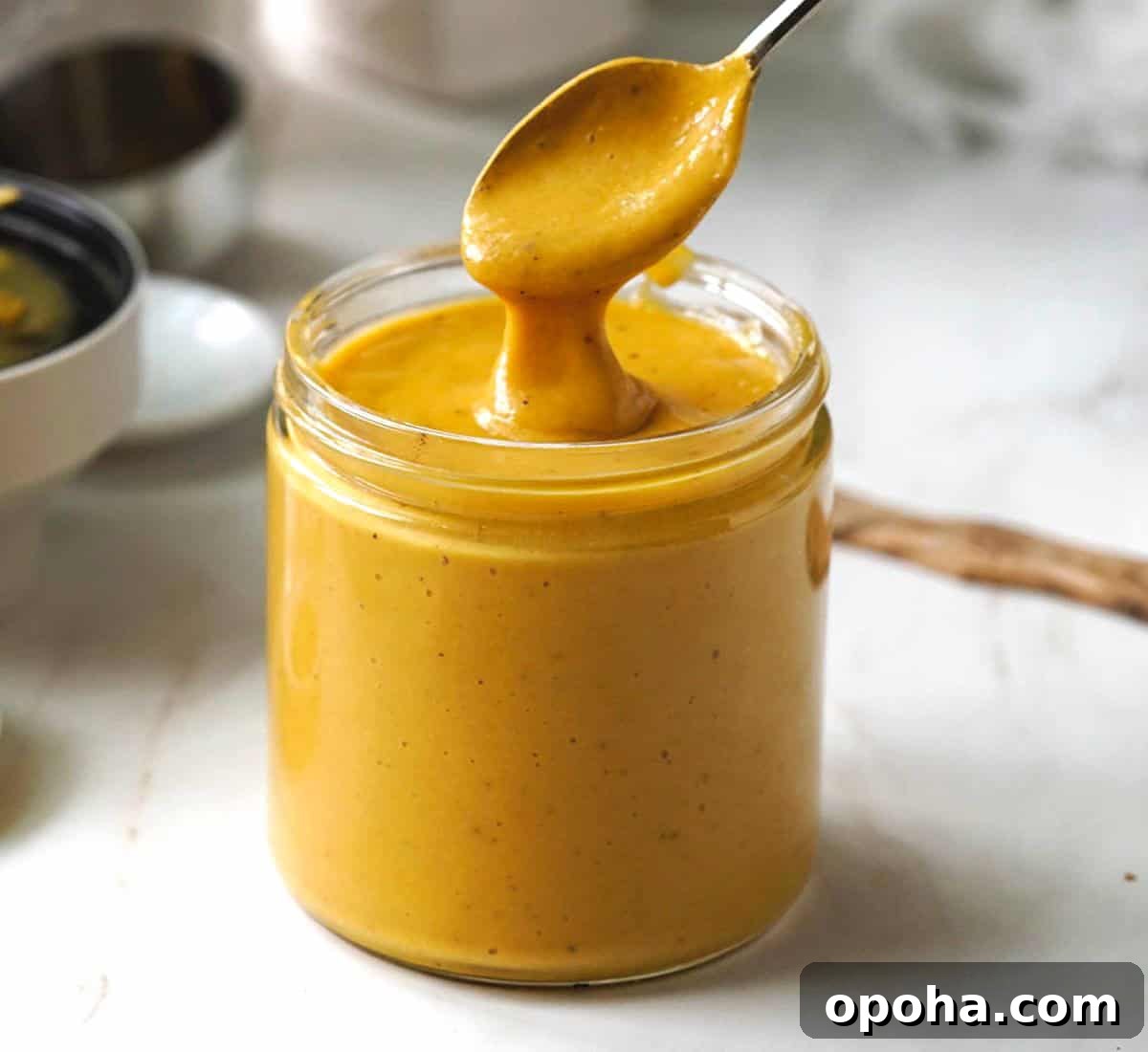
Mango Sauce for Chicken and Fish
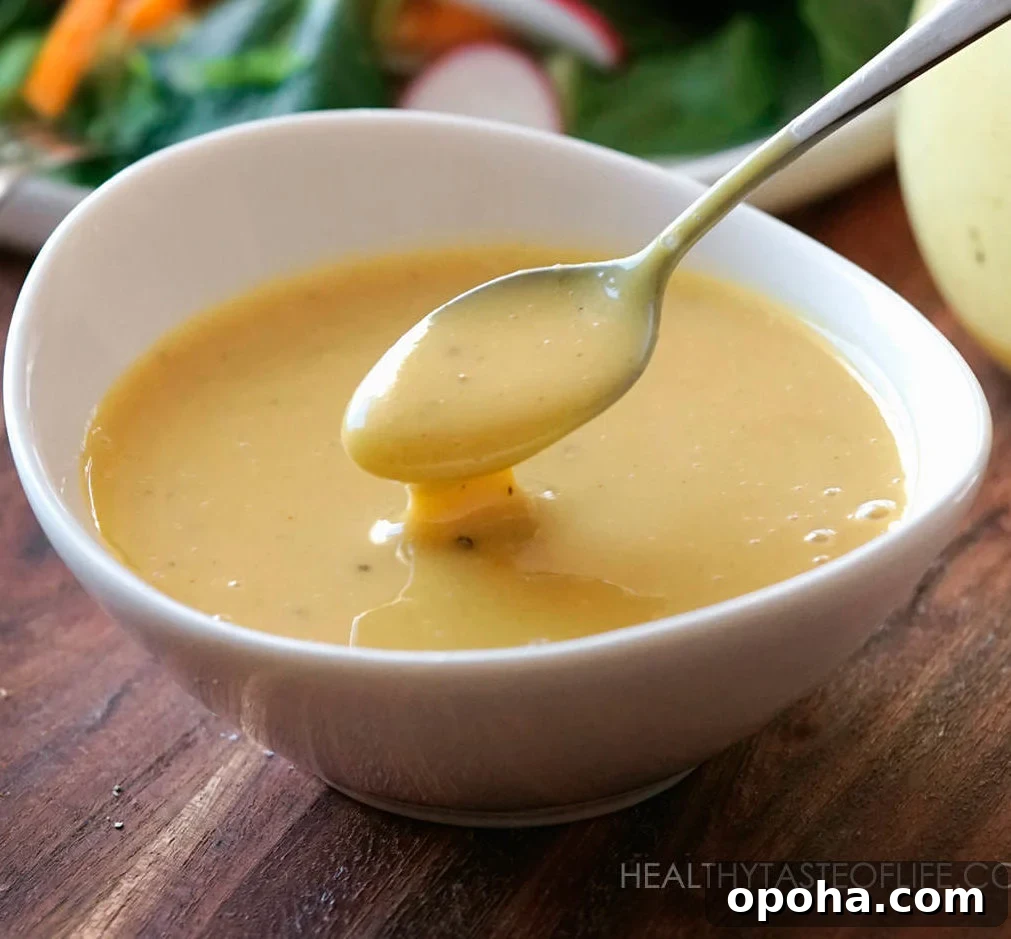
Healthy Honey Mustard Without Mayo
FAQs & Easy Fixes
| Common complaint | Simple solution | Where it fits on the plate |
|---|---|---|
| “Rice makes me sleepy.” | Swap half the rice for cauliflower rice and add extra protein. | Protein & carb quarters |
| “I love pasta – do I have to quit it?” | Choose whole-grain pasta, keep the portion to a fist, and add protein and vegetables. | Balanced macros |
| “My kids won’t eat veggies.” | Serve raw veggie sticks first while they’re hungriest, then bring out the rest of the meal. | Half-plate veg |
Go Deeper With the 12-Page PDF Guide
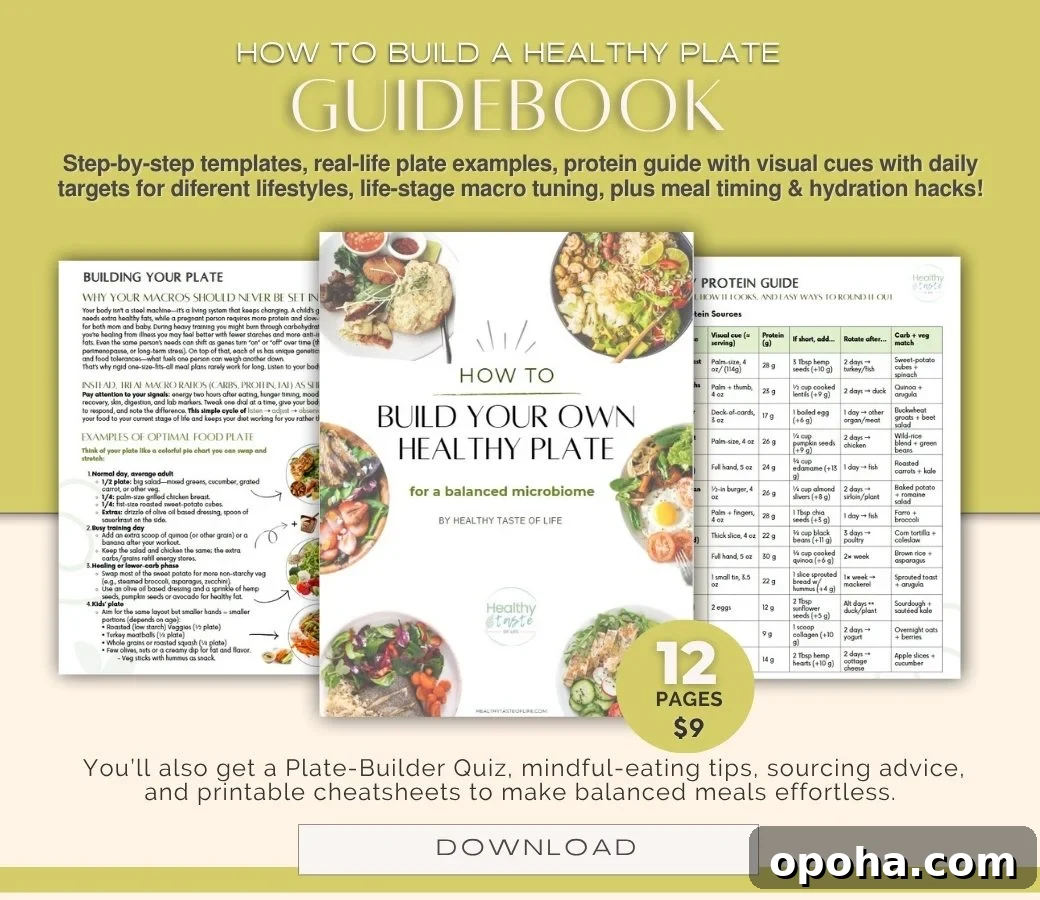
If you want printable templates, hand-size protein visuals, daily targets, a macro worksheet tailored by life stage (for energy, training, or recovery), and timing and hydration strategies to sync meals with your routine, this guide lays it out step by step.
Download “How to Build Your Own Healthy Plate”—a compact, printer-friendly PDF created for practical use. You’ll also find a quick Plate-Builder Quiz, mindful-eating tips, and sourcing advice to support gut health. The guide includes cheatsheets, quick-reference charts, and actionable ideas to make balanced eating effortless.
Building a healthy eating plate is not about restriction. It’s about using simple, hand-sized portions you can eyeball in seconds. Try the template, listen to your body, and enjoy meals again—healthy, tasty, and stress-free.
©HealthyTasteOfLife. Content and photographs are copyright protected and require permission before reuse. Sharing the link to this content is encouraged and appreciated.