
They look intricate, with their elegant crescent shape and airy, layered pastry that curls and flakes with every bite. Break one open and a cascade of buttery flakes falls away, leaving your fingers deliciously greasy.
You might assume this kind of baking belongs to professionals or to the French. But it doesn’t. Good croissants can be made at home, even if you’re not a seasoned pastry chef.
First, a warning: it’s a bit of a faff. The process requires time, planning and a degree of precision. Everything needs to be rolled out evenly, squared up, cut neatly, rested and chilled. It’s not overly complicated, but it rewards patience and careful technique.
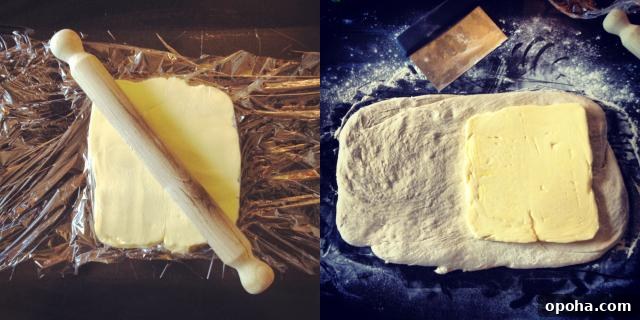
So what’s in a croissant? Mainly butter. Lots of it. There’s dough too, but the magic is in the layers of butter trapped between sheets of pastry. Laminated dough means butter is rolled thinly between layers of dough, then folded repeatedly to multiply the layers. In the oven the layers separate and the butter soaks into the dough, creating the flaky, light texture croissants are known for.